





Knopped Stem Drinking Glass
A knopped stem drinking glass brings tactile weight and historical character to the table, offering centuries of glassmaking craft in a single stem.
Knopped Stem Drinking Glass
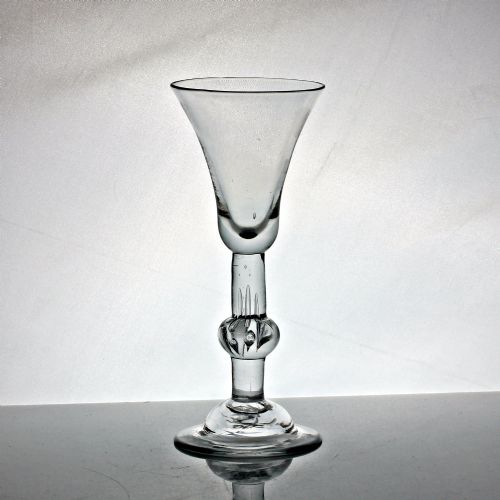
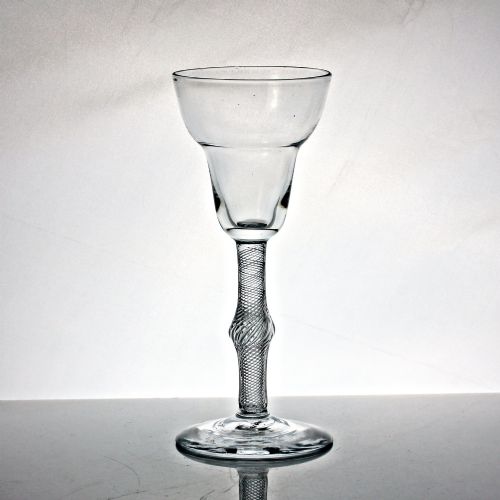
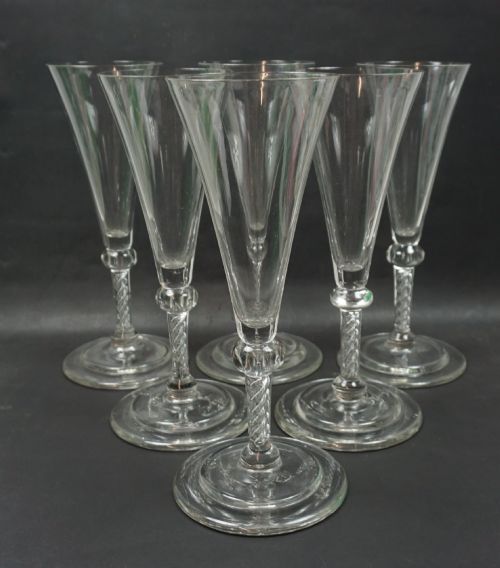
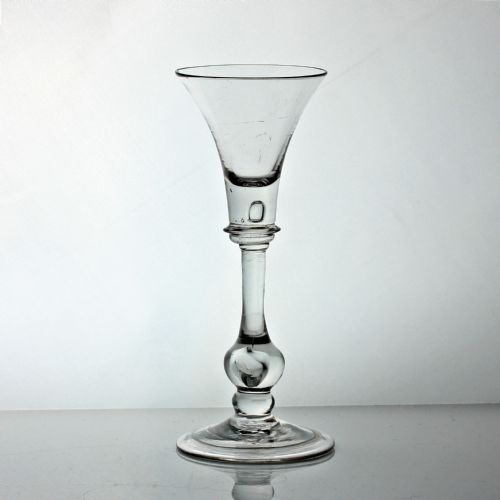
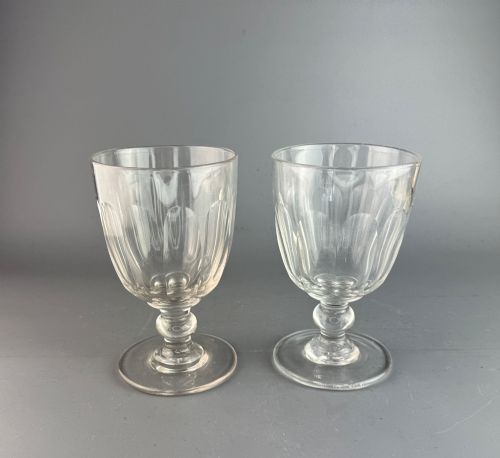
A knopped stem drinking glass is an antique vessel designed for wine, spirits, or rum, featuring distinct thickened swellings along the stem. You will encounter these drinking pieces spanning the eighteenth century, the Georgian era, and the Victorian period, alongside later twentieth-century revivals.
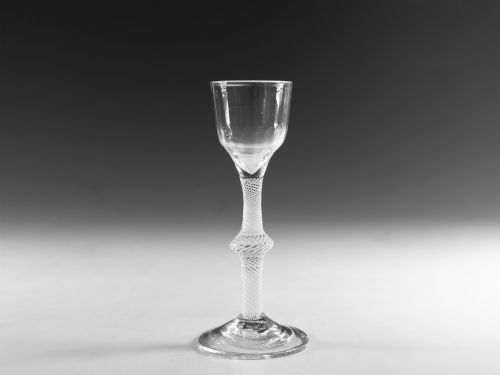
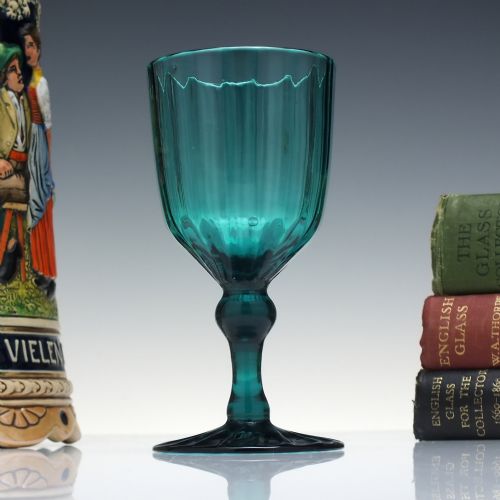
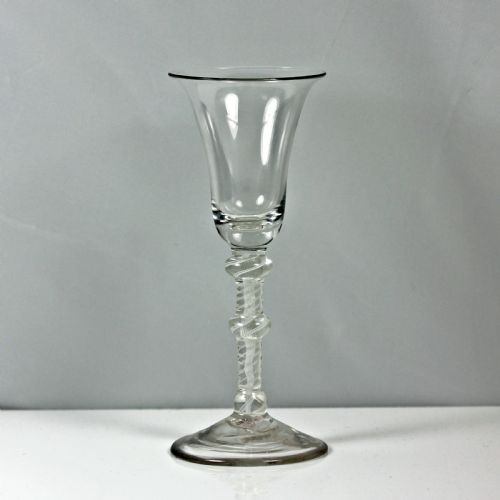
The selections on this page range from early baluster and balustroid forms with air-teared or multiple knops to brightly coloured rummers and wine flutes. Eighteenth-century examples frequently display opaque twists or complex stem formations, whilst later Victorian and Edwardian iterations introduce deep green, turquoise, and tall goblet silhouettes.
Most pieces originate from English workshops and continental centres such as Liege, reflecting shifting domestic tastes for commemorative, armorial, or plain tavern glassware. Buyers search for these items to secure tangible examples of early lead crystal and hand-blown tablewares.
Standards of Execution
Quality rests in the precision of the stem formation and the clarity of the lead metal. Superior examples display balanced proportions between the bowl, the knopped stem, and the foot, without distracting bubbles or surface distortion.
The complexity of the internal structure, such as multi-spiral opaque twists or intricate air-teared knops, separates standard vessels from finer collector pieces. Engraved detailing also defines value, with crisp, deep wheel-cutting outperforming faint or shallow surface marks.
Some eighteenth-century drinkers preferred a glass with a hidden air bubble trapped inside the stem just to prove it was properly blown.
The Knopped Stem Drinking Glass Glossary
- Knop
- A bulging swelling or knob formed on the stem of a glass. It provides a secure grip and adds decorative weight.
- Air Twist
- A spiral thread of air enclosed within the transparent glass stem. Makers produced this effect by drawing out air bubbles trapped in the molten metal.
- Baluster
- A heavy, thick stem style popular in the early eighteenth century, derived from architectural supports. These stems often feature defined nodes and teardrop inclusions.
- Rummer
- A large, sturdy drinking glass used for rum, punch, or ale during the Georgian and Victorian periods. They typically feature thick bowls on short stems or feet.
- Lead Crystal
- A heavy, brilliant glass containing lead oxide that increases density and light dispersion. It forms the body of most finer drinking vessels from this era.
Knopped Stem Drinking Glass: Frequently Asked Questions
Can I drink from these glasses?
You can drink from most antique knopped stem glasses, provided the glass body remains sound and free from structural cracks. Many collectors enjoy using Georgian and Victorian stemware for special occasions.
Exercise caution with heavily engraved or very thin eighteenth-century bowls. Hand wash them immediately after use rather than leaving them overnight.
What is an air twist stem?
An air twist stem contains elongated bubbles pulled into fine spirals inside the clear glass. Glassmakers trapped air in the molten metal before drawing and twisting the stem to shape.
This technique requires high skill and creates a shimmering internal pattern. Such stems date predominantly to the mid-eighteenth century.
How do I date a glass?
Dating relies on combining the bowl shape, the stem construction, and the foot form. Early pieces often feature heavy baluster profiles and folded feet, whilst later Victorian versions show brighter colours and moulded patterns.
Lead content, weight, and pontil marks on the underside also offer clues to the manufacturing era. Compare specific design traits against documented examples to narrow the period.