


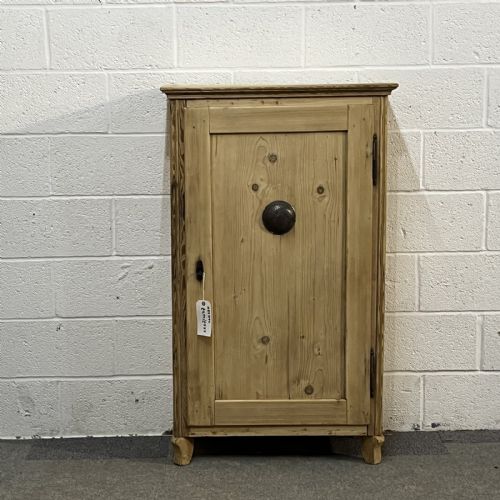
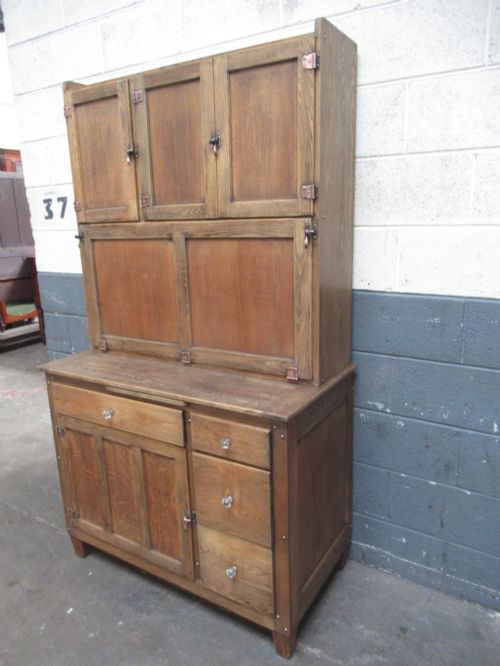
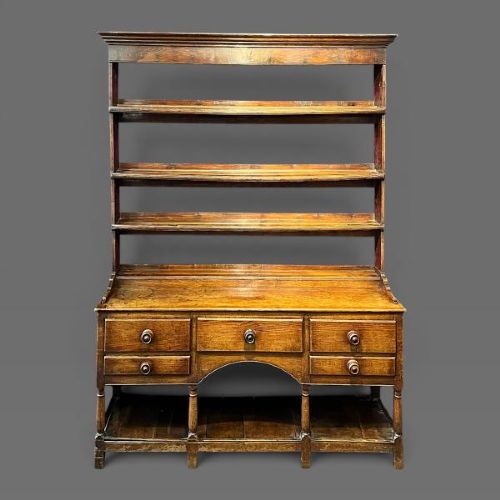
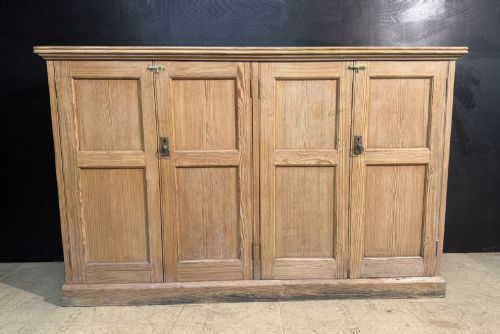



Kitchen Storage Cupboard
These pieces for kitchen storage cupboard offer practical utility and timeless rustic charm, built from sturdy woods to organise provisions and tableware.
Kitchen Storage Cupboard
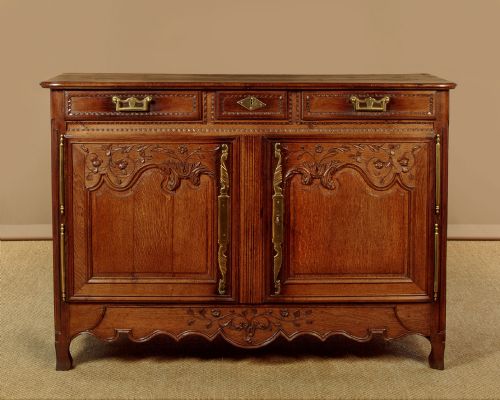
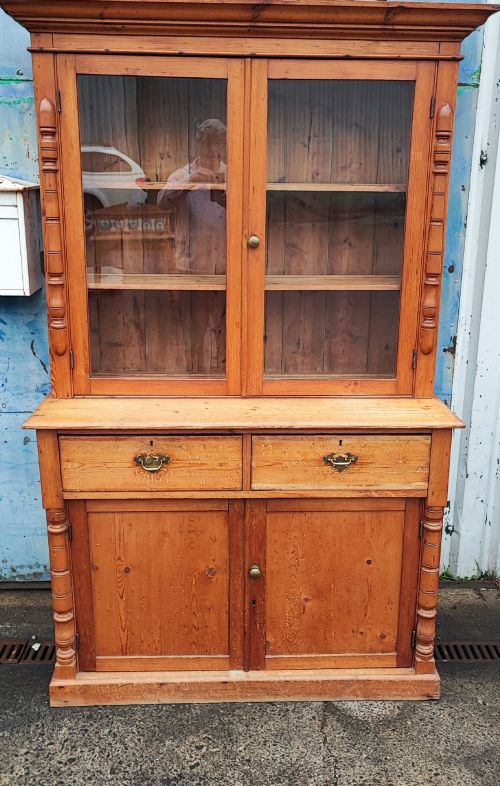
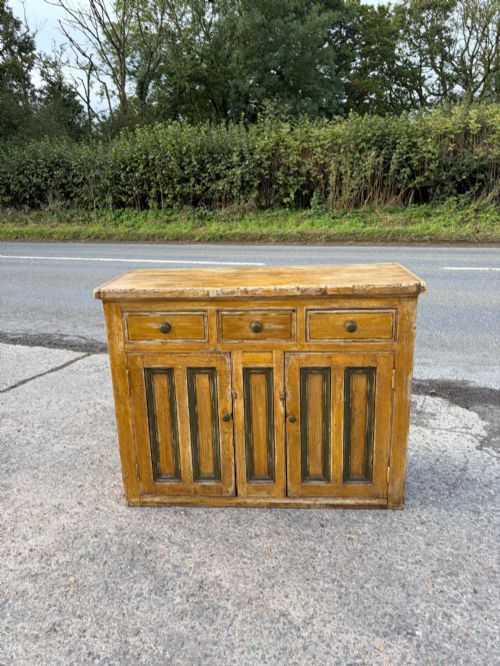
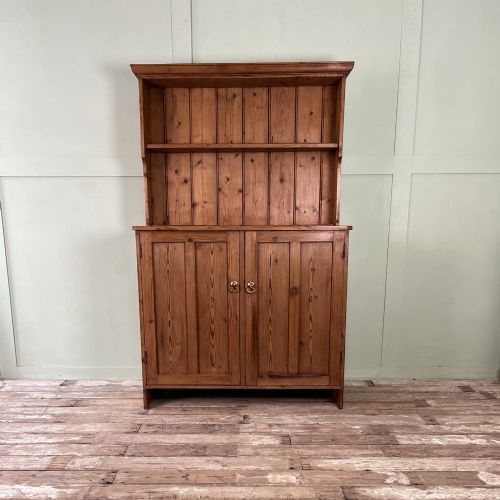
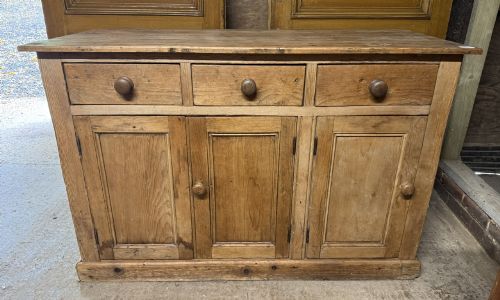
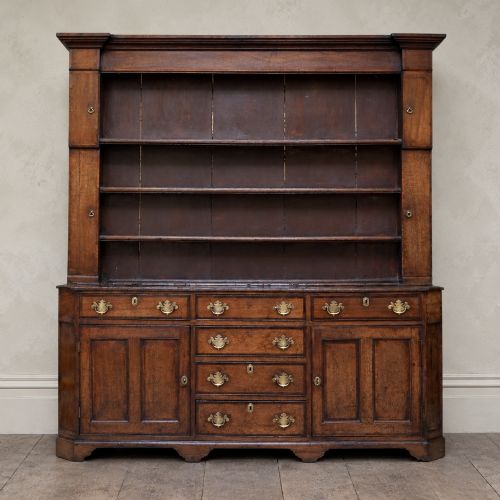
A kitchen storage cupboard encompasses various utilitarian forms designed for domestic organisation, most commonly appearing as pine or oak dresser bases, larder cupboards, and food cupboards from the eighteenth and nineteenth centuries. Buyers frequently encounter nineteenth century Victorian pine examples featuring practical combinations of drawers and doors.
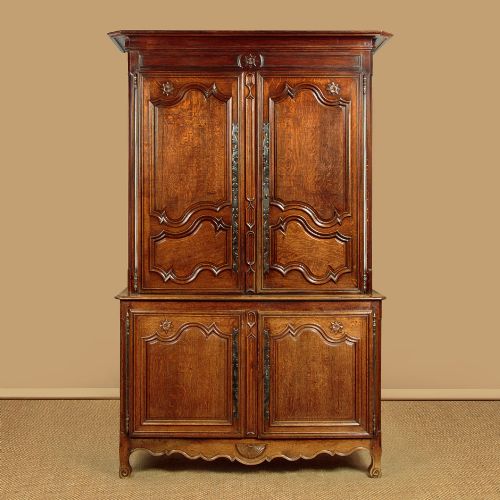
Regional variations span English country workshops, Welsh vernacular pieces, and French provincial designs, alongside occasional specialised items like spice drawers and confiturier jam cupboards. These sturdy pieces reflect their origins in domestic food storage and culinary preparation before modern fitted kitchens existed.
Materials and Construction
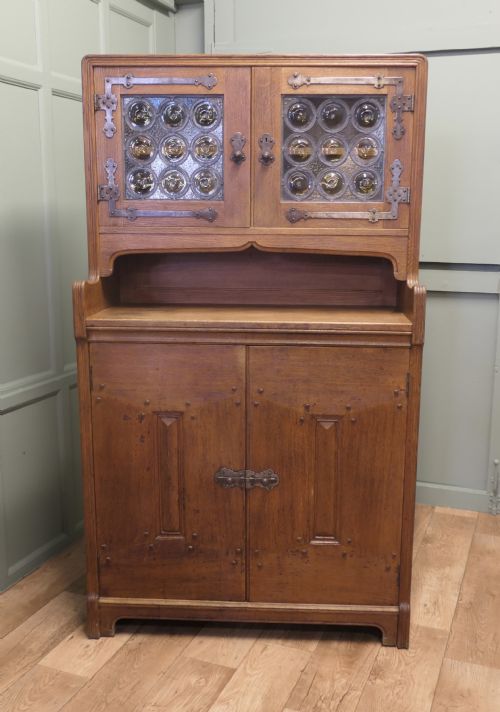
Construction relies heavily on solid pine and oak, frequently enhanced with brass hardware, iron fittings, and occasional glass panels for glazed upper cabinets. Surfaces appear in various finishes, ranging from original paint and cream painted wood to waxed patinas that highlight the natural grain.
Joinery methods reflect traditional cabinet-making practices suited to heavy domestic use, employing sturdy planks and pegged joints. Many examples display multiple parts, such as two-piece dressers or separate plate racks paired with lower storage bases.
Kitchen Storage Cupboard Retail Price Guide 2026
Typical asking prices for kitchen storage cupboard among the pieces listed under this phrase on Sellingantiques today, from the lower quarter to the upper quarter. They describe what is for sale here now, not the wider market.
Regional styles on offer include Welsh vernacular, French provincial, and English country designs ranging from simple cupboards to large multi-part dressers.
Assessing Quality
Quality rests upon the integrity of the timber selection and the retention of original surface finishes, such as historic paint or untouched waxed pine. Superior proportions and thoughtful architectural details, like arched panels or crossbanding, elevate certain pieces above standard utility furniture.
The degree of original hardware survival and the preservation of internal shelving or spice compartments dictate the desirability of a piece. Structural honesty and balanced proportions without excessive restoration distinguish finer vernacular examples.
Liberty
The Kitchen Storage Cupboard Glossary
- Dresser Base
- The lower section of a kitchen dresser, typically comprising a flat top above combinations of drawers and cupboard doors.
- Larder Cupboard
- A tall storage unit traditionally used for keeping food cool, often featuring ventilated panels or louvres for air circulation.
- Confiturier
- A small French cupboard, also known as a jam cupboard, originally designed to store preserves and confit.
- Crossbanding
- A decorative border technique where thin strips of veneer are laid with the grain running perpendicular to the surrounding wood.
Kitchen Storage Cupboard: Frequently Asked Questions
How were these cupboards used?
Families utilised them for storing dry goods, provisions, and tableware, keeping essentials close at hand during food preparation. Specialised versions like larder cupboards used vented panels to keep perishables fresh.
Lower dresser bases provided a sturdy work surface above storage, while upper sections displayed ceramics and everyday kitchenware.
How do I live with one?
Integrating these pieces into a modern kitchen provides substantial practical storage for tableware, cookware, or pantry items while adding historic character. Their generous proportions anchor a room and offer durable surfaces for everyday use.
Maintenance involves preserving waxed or painted wood finishes with appropriate care, avoiding excessive moisture, and utilising natural oils to protect the timber.
How can I tell periods apart?
Earlier eighteenth century pieces, such as Georgian examples, often feature finer hardwoods like oak and mahogany with decorative details like crossbanding. Nineteenth century vernacular furniture leans heavily towards practical pine construction with simpler, robust lines.
Hardware styles, construction joints, and the presence of original paint versus later stripped finishes also offer clear clues to a piece's age.