




King Size Headboard Footboard
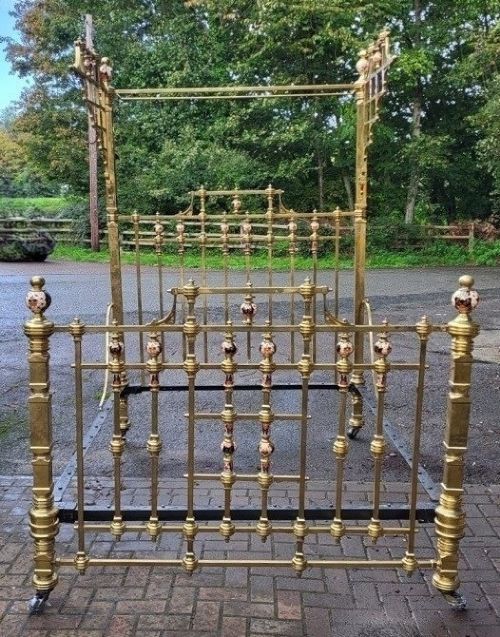
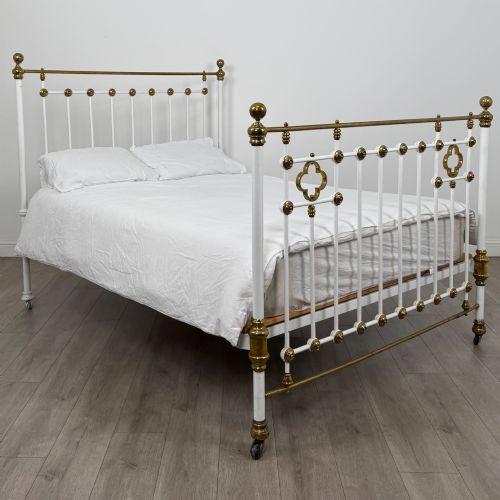
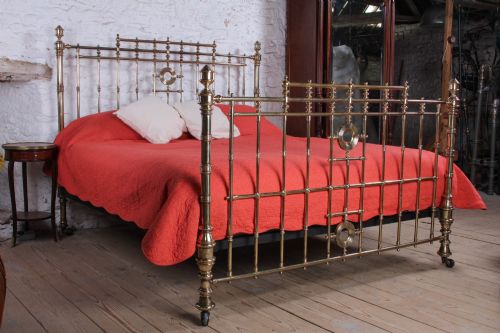
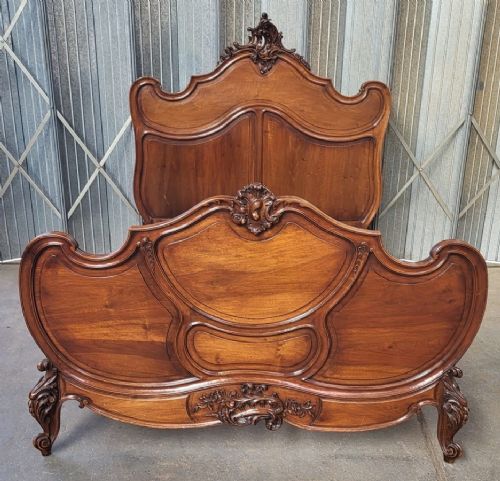
These king size headboard footboard pieces span the nineteenth and early twentieth centuries, bringing substantial scale and period character to a modern bedroom.
King Size Headboard Footboard
A king size headboard footboard ensemble forms the main framework for a large sleeping berth, combining structural timber or metal components with period decorative details. The selection centres on nineteenth and early twentieth century examples, ranging from the Victorian era up to the Art Deco period.
Most pieces on this page appear as complete bedsteads or matching frames originating from British workshops and French provincial or Parisian makers. Styles stretch from Gothic Revival and Aesthetic Movement designs to Louis XV and Louis XVI continental forms.
Constructed to accommodate generous sleeping proportions, these frames utilise substantial timbers like walnut and mahogany alongside robust metal frameworks. Buyers encounter heavy brass tubing, cast iron, and painted finishes alongside carved wood structures.
How they were made
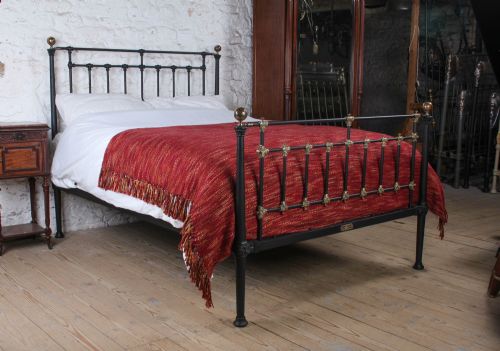
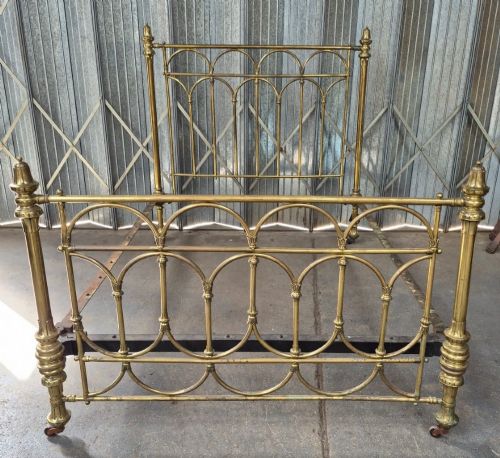
Metal frames rely on heavy brass castings, iron tubing, and wrought iron components assembled with secure mechanical joints. Brass elements frequently receive polished finishes, while iron frames utilise painted or blackened surfaces.
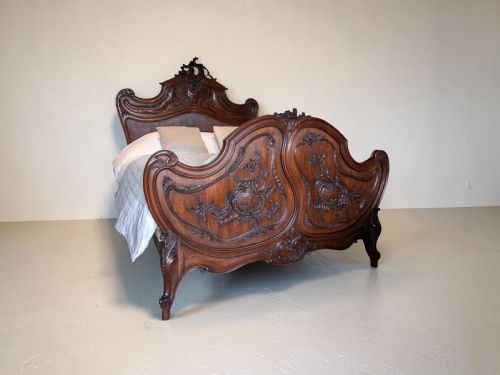
Wooden bedsteads depend on dense hardwoods such as walnut and mahogany, shaped through traditional joinery and hand carving. Selected pieces incorporate decorative parquetry, maple elements, and cane panels within the structural framework.
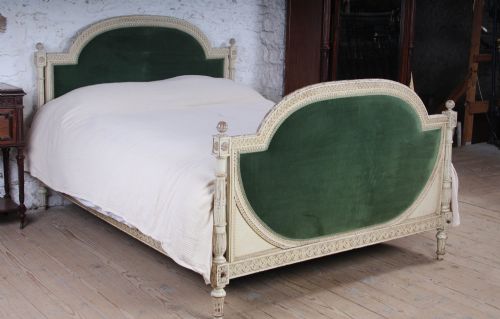
Continental pieces demonstrate specialised carpentry traditions, utilising fruitwood veneers and elaborate curved mouldings. French workshops often integrated shaped headboards and footboards with upholstered panels or carved crests.
Irish iron and brass frames bring an unexpected charm to the bedroom, proving that nineteenth century metalworkers enjoyed mixing materials.
What varies in quality
The distinction between standard production and exhibition grade examples rests on the depth of hand carving and the weight of the metal components. Heavier gauge brass tubing and intricate cast brass mounts signify superior manufacture.
Cabinetmaker input separates standard domestic furniture from pieces produced by prominent firms. Refined proportions, balanced wood grain selection, and precise joinery distinguish finer workshop output.
The integrity of original surface treatments and surviving hardware influences the overall standard. Examples retaining original patination on metals and untampered timber finishes represent the upper tier of production.
Maple & Co·James Shoolbread & Co·RW Winfield·Winfield
The King Size Headboard Footboard Glossary
- Bedstead
- The complete structural framework of a bed, including headboard, footboard, and side rails. This term frequently describes antique metal and wood frames designed to hold a mattress directly.
- Half Tester
- A bed canopy structure where a partial tester projects from the headboard without full posts at the foot end. This form provides overhead drapery support while maintaining an open feel at the footboard.
- Parquetry
- Geometric patterns formed from inlaid wood veneers arranged on decorative surfaces. Artisans utilise contrasting timbers like mahogany and fruitwood to create detailed geometric designs on headboards and footboards.
- Tole Ware
- Enamelled or lacquered metal items decorated with painted designs. In bed construction, these decorative metal elements add colourful pictorial or floral motifs to the frame.
- Aesthetic Movement
- A late nineteenth century design style emphasising visual beauty over narrative subject matter. Pieces from this movement display simplified geometric lines alongside Japanese inspired ornamental details.
King Size Headboard Footboard: Frequently Asked Questions
What size mattress fits these beds?
These antique frames are built to standard king proportions, though older continental pieces can vary slightly from modern dimensions. Checking internal rail measurements ensures a proper fit for contemporary mattress bases.
Support slats or modern conversion bases may be required to adapt antique side rails for standard modern mattresses. Consulting the specific rail length and width prevents sizing discrepancies.
How do I assemble an antique bed?
Most metal bedsteads utilise heavy tapered dovetail joints or iron bed bolts that lock the side rails securely into the headboard and footboard posts. Wooden frames employ similar interlocking bed bolts requiring a standard spanner.
Careful alignment of the side rails ensures the frame remains square before final tightening. Enlisting assistance prevents accidental strain on antique metal castings or wooden joints during assembly.
Are brass beds polished or patinated?
Many surviving brass bedsteads retain a polished finish achieved through careful cleaning, while others develop a darker, aged patination over decades. Personal preference dictates whether an owner maintains a bright reflective surface or preserves a warm antique glow.
Harsh chemical abrasives can damage delicate original lacquers on nineteenth century brass. Gentle cleaning methods preserve the underlying metal without removing historical character.
How do I identify a Victorian brass bed?
Victorian brass beds typically feature heavy cast brass mounts, substantial heavy gauge tubing, and manufacturer stamps near the footboard joints. Stylistic cues such as Gothic Revival motifs or Aesthetic Movement engraving point directly to nineteenth century production.
Iron components paired with brass ornamentation frequently indicate mid to late Victorian manufacturing techniques. Examining construction joints reveals the hand-finished quality characteristic of this period.