

Kidney Shape Table
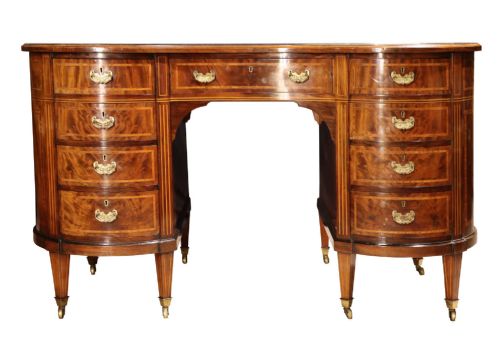
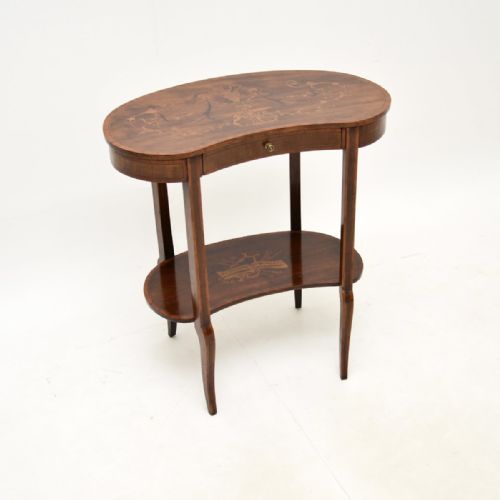
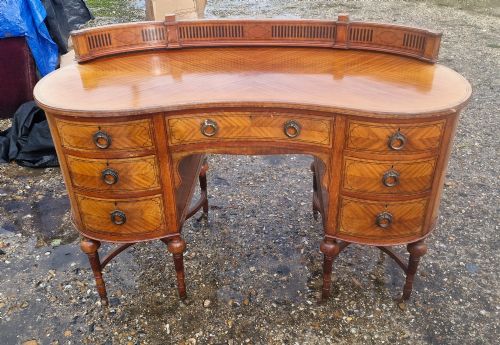
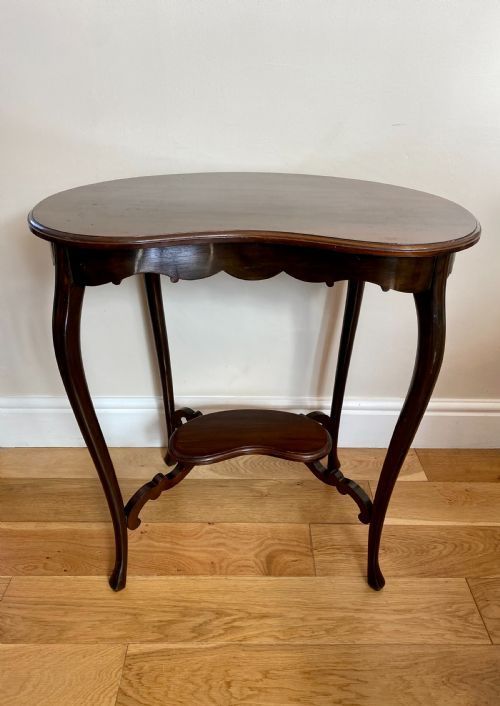
When you search for a kidney shape table, you look for a curved, double-lobed writing desk, dressing table or occasional surface designed to fit closely against the body.
Kidney Shape Table
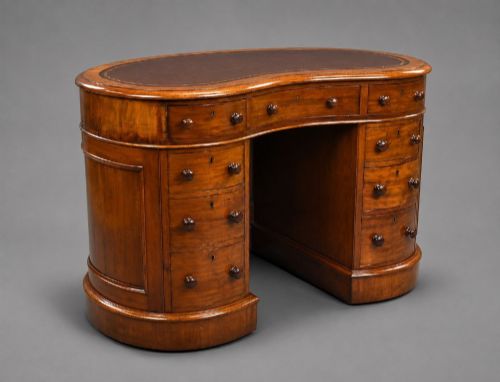
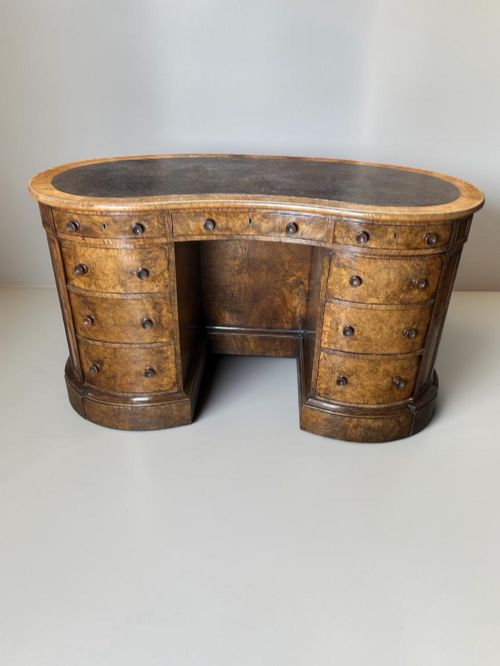
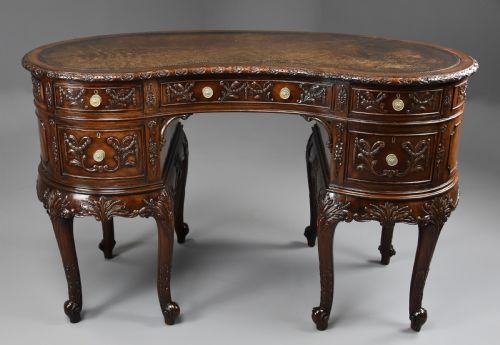
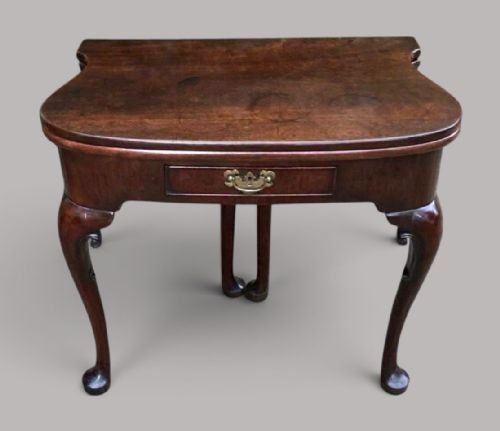
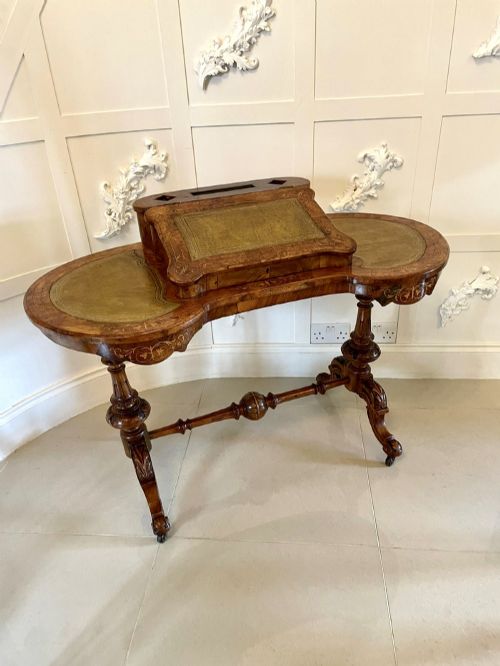
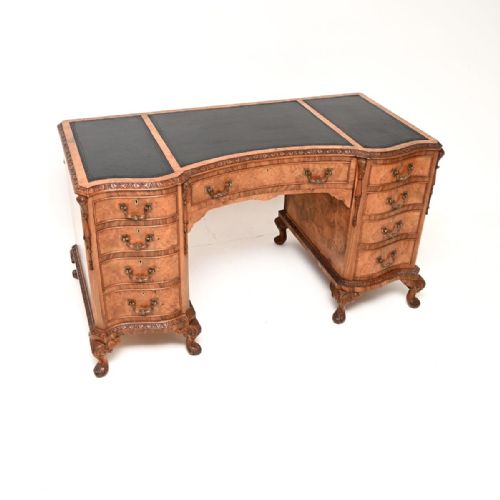
A kidney shape table follows an asymmetrical curved plan that creates a central recess for the seated user. The form appears most frequently in writing desks, lady's dressing tables, and smaller side or occasional tables from the nineteenth and early twentieth centuries.
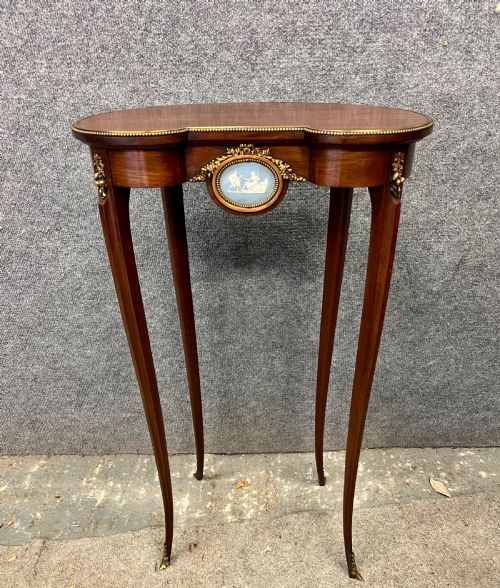
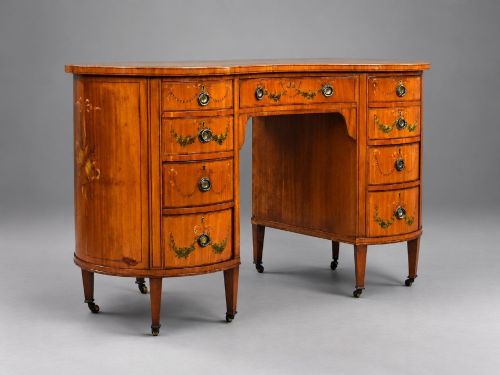
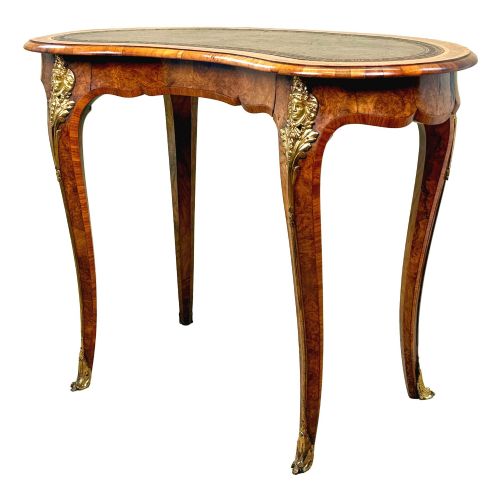
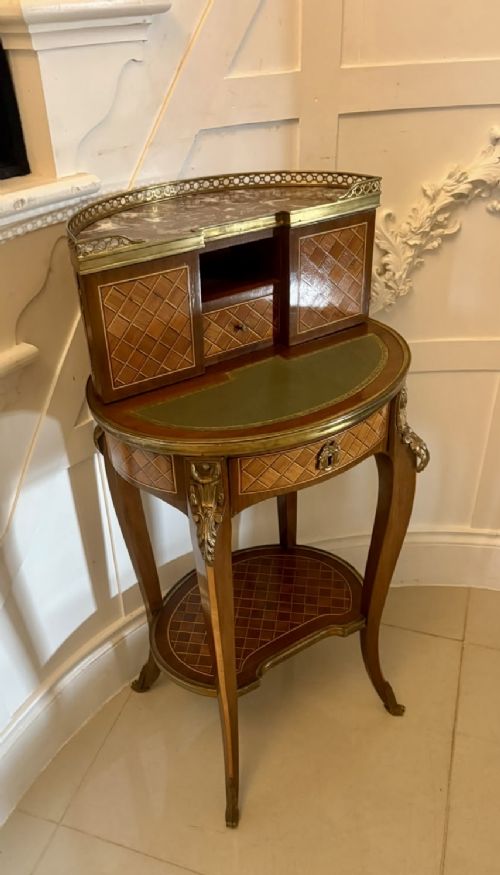
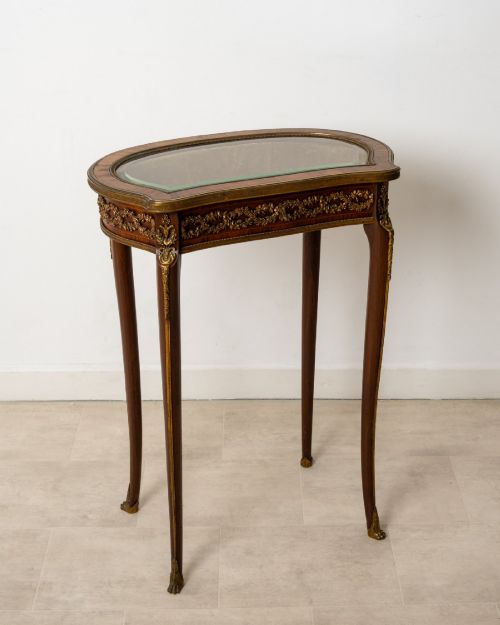
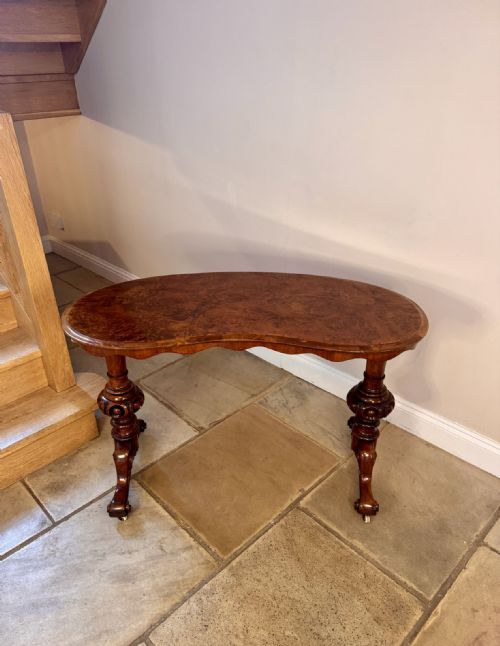
The selection ranges from compact Edwardian mahogany writing desks and Victorian burr walnut occasional tables to continental pieces executed in the Louis XV and Louis XVI revival styles. Makers also produced specialised forms such as biiterie and display tables designed to showcase small decorative objects.
Makers adapted the distinctive curve for various domestic settings, creating freestanding pieces finished on all sides for placement in the centre of a room. Surviving examples demonstrate how cabinetmakers utilised the concave front to provide comfortable access while maintaining a generous surface area.
Materials and Techniques
Cabinetmakers constructed the foundational carcase using sturdy timbers such as mahogany and walnut, often selecting highly figured veneers like burr walnut, satinwood, and flame mahogany for the primary visible surfaces. They applied intricate crossbanding, stringing, and parquetry or marquetry inlay in contrasting woods to define the curved perimeter.
Many writing surfaces feature inset panels of tooled leather or hide, bordered by gilt tooling. Decorative enrichment on continental and revival pieces includes ormolu mounts, cast brass galleries, and hand-painted floral or Chinoiserie lacquered decoration.
Kidney Shape Table Retail Price Guide 2026
Typical asking prices for kidney shape table among the pieces listed under this phrase on Sellingantiques today, from the lower quarter to the upper quarter. They describe what is for sale here now, not the wider market.
The inventory records various forms ranging from twin pedestal writing desks and dressing tables to small occasional and display tables.
Judging Quality
Superior examples distinguish themselves through the precision of the cabinetwork required to curve wood veneers smoothly around a tight radius without buckling or splitting. The choice of timber grain, the symmetry of the marquetry layout, and the crispness of hand-carved mounts or painted details signal high workshop standards.
Construction methods also separate ordinary utility pieces from exhibition items, seen in the use of solid secondary timbers in the drawer linings, the integration of freestanding finished backs, and the retention of original hardware and fitted leather surfaces.
Maison Millet·Maple and Co·Edwards and Roberts·Wolfe and Hollander·Jas Shoolbred
The Kidney Shape Table Glossary
- Crossbanding
- A border veneer applied perpendicularly to the grain of the main surface, often framing the curved edge of a tabletop.
- Marquetry
- Decorative patterns formed by fitting together thin veneers of different coloured woods, ivory, or shell onto a carcase.
- Ormolu
- Gilded bronze mounts and decorative trimmings applied to furniture, popular in French and revival pieces.
- Parquetry
- Geometric wood inlay patterns such as cubes or chequers, used to surface tabletops and cabinet doors.
- Bijouterie table
- A glass-topped display table designed specifically for holding small valuables, medals, or jewellery.
Kidney Shape Table: Frequently Asked Questions
What is a kidney shape table used for?
These tables served primarily as writing desks, dressing tables, and elegant side surfaces in principal rooms. The curved recess allowed the user to sit close to the surface with easy access to drawers.
Smaller versions functioned as lamp tables, occasional tables, or glass-topped display cases for collections of small curiosities.
How do I identify an Edwardian kidney table?
Edwardian examples typically feature light mahogany or satinwood veneers, frequently embellished with delicate marquetry inlay or satinwood banding. They often rest on slender tapered legs connected by stretchers.
Many bear characteristics of the Sheraton Revival style popular around nineteen hundred, combining classical symmetry with lighter proportions than earlier Victorian pieces.
Are these tables finished on the back?
Higher quality pieces are fully finished on the reverse side so they can stand free in the centre of a room rather than against a wall. These freestanding models feature matched veneers and dummy drawers on the rear.
Simpler pieces intended for placement directly against a wall often lack decorative treatment on the back panel.
How do I care for leather top desks?
The leather top requires gentle cleaning with a slightly damp cloth and occasional treatment with specialist leather balsam to prevent drying and cracking. Avoid using harsh chemical solvents or excessive water near the gilt tooled borders.
Keep the timber surfaces polished with traditional beeswax to maintain the natural lustre of the mahogany or walnut veneer.