






Kerman Afshar Rug
A kerman afshar rug brings South Persian tribal artistry into a room, offering geometric precision and rich dye work created by nomadic weavers.
Kerman Afshar Rug
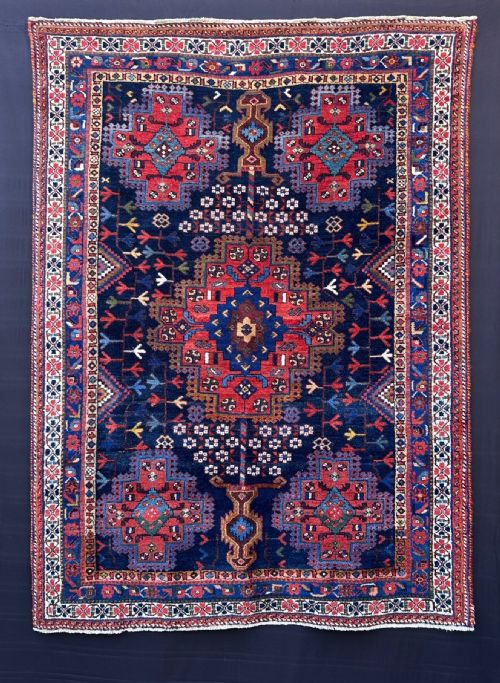
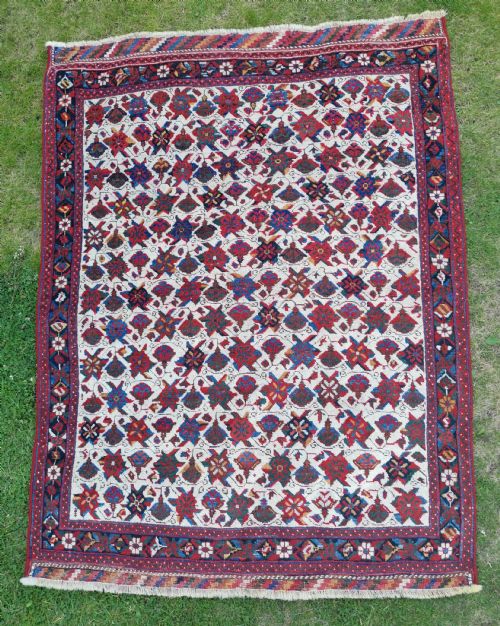
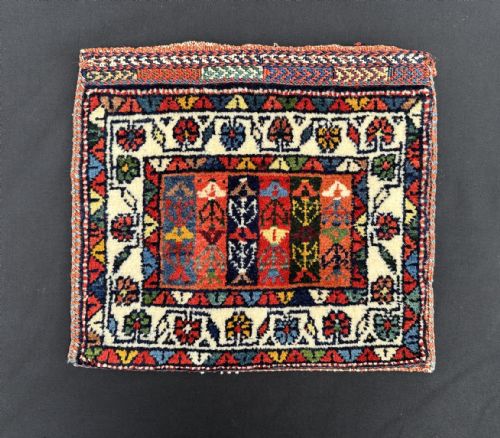
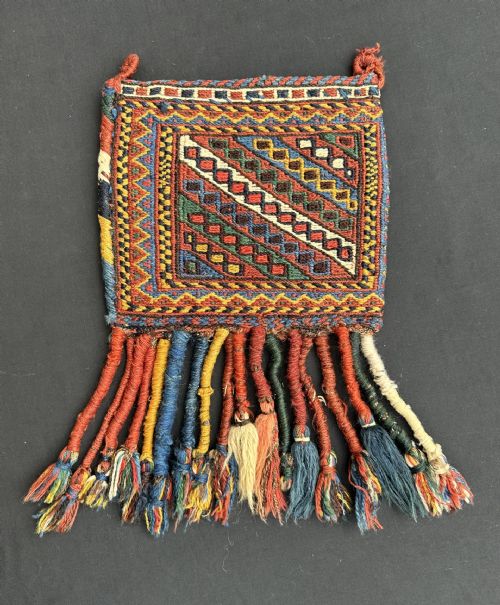
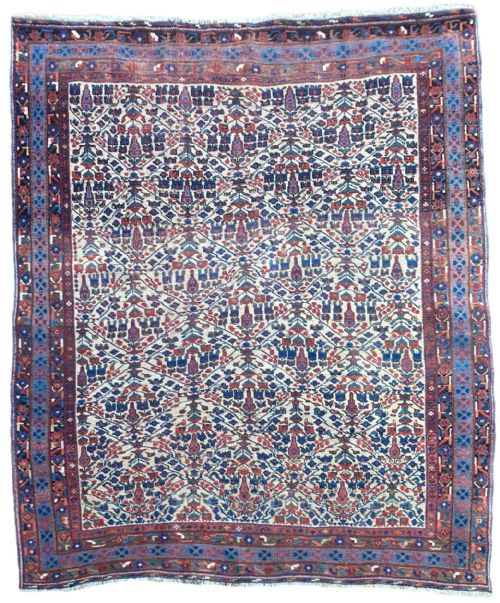
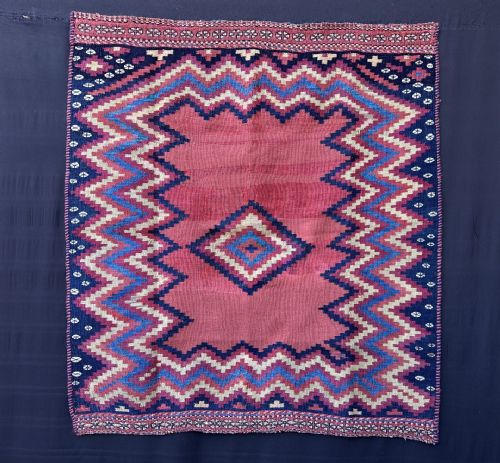
A kerman afshar rug encompasses a diverse group of woven pieces originating from the tribes of the Kerman province in South Persia. These textiles include traditional area rugs, flatweave rugs, and various utilitarian tribal items such as bread sofreh, storage pouches, and vanity bags.
The most common formats encountered on this page range from small personal bags and eating cloths to room-size tribal rugs. Each piece reflects the heritage of nomadic groups operating across specific regional areas like Neiriz, Sirjan, and Bardsir.
How They Were Made
Weavers utilised natural dyes derived from plants and minerals to colour the wool, yielding deep, saturated hues that develop a soft patina over time. The foundation typically consists of cotton or wool warps and wefts, providing a sturdy base for the dense pile.
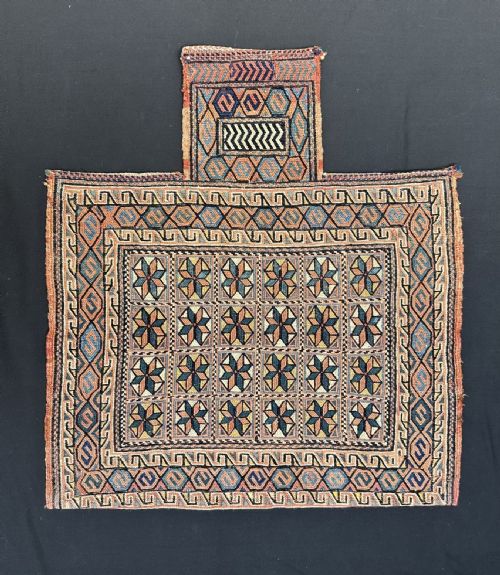
Specialised techniques such as soumak flatweaving and pile knotting were employed to construct both decorative floor coverings and durable containers. Occasional embellishments like cowrie shells indicate the diverse decorative vocabulary utilised by nomadic makers.
Kerman Afshar Rug Retail Price Guide 2026
Typical asking prices for kerman afshar rug among the pieces listed under this phrase on Sellingantiques today, from the lower quarter to the upper quarter. They describe what is for sale here now, not the wider market.
Object types range from large area rugs and flatweave rugs to utilitarian bread sofreh, dining cloths, and half-saddlebag faces.
What Varies In Quality
The fineness of the knotting and the complexity of the geometric layout dictate the overall standard of a piece. Tightly constructed foundations and precise execution of traditional motifs separate standard examples from exceptional items.
The depth and clarity of the natural dyes significantly influence visual appeal. Pieces exhibiting well-preserved, vibrant colour combinations and balanced compositions represent the upper echelon of these nomadic textiles.
The Kerman Afshar Rug Glossary
- Sofreh
- A woven spread or cloth used for dining or preparing bread. These textiles often feature distinct tribal symbols and flatweave construction.
- Chanteh
- A small personal bag or vanity pouch produced by nomadic weavers. They frequently display intricate miniature versions of larger rug designs.
- Soumak
- A flatweave technique involving wrapping weft threads over warps to create a durable, textured surface. This method appears on various bags and rugs.
- Natural Dyes
- Colourants sourced from organic materials such as plants and roots before the introduction of synthetic alternatives. They produce rich, varied tones that age gracefully.
Kerman Afshar Rug: Frequently Asked Questions
What is an afshar rug?
An afshar rug is a textile woven by the Afshar nomadic tribes residing primarily in the Kerman province of South Persia. These pieces are recognised for their distinct geometric patterns and South Persian tribal styles.
They serve as both decorative floor coverings and functional items created for daily nomadic life, reflecting centuries of regional weaving traditions.
How were these bags used?
Tribal bags and pouches fulfilled essential storage and transport needs within nomadic camps. Items like salt bags, vanity bags, and bread sofreh held provisions, personal belongings, or food.
Their careful construction ensured durability during seasonal migrations while displaying the maker's artistic skill through traditional motifs.
How do I style a tribal rug?
These rugs integrate well into diverse interior settings by introducing texture, rich colour, and geometric pattern to a floor space or wall display. Their manageable proportions suit hallways, studies, or living areas.
Placing them on neutral flooring allows the natural dyes and traditional designs to become a focal point of the room.
How do I identify regional types?
Regional attribution relies on observing specific design structures, colour palettes, and structural variations linked to areas such as Neiriz, Sirjan, or Bardsir. Different tribal groups within the Kerman province favoured particular layouts.
Comparing the border arrangements and field motifs helps distinguish between pieces originating from various local valleys and mountains.