


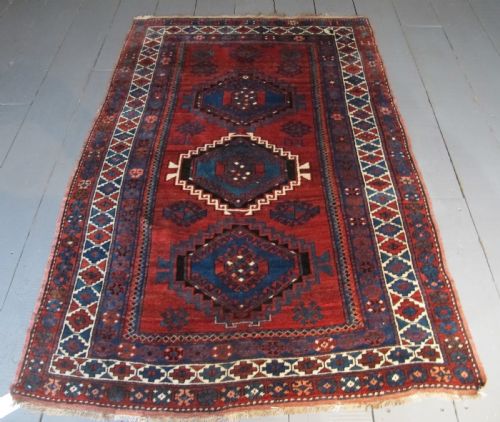
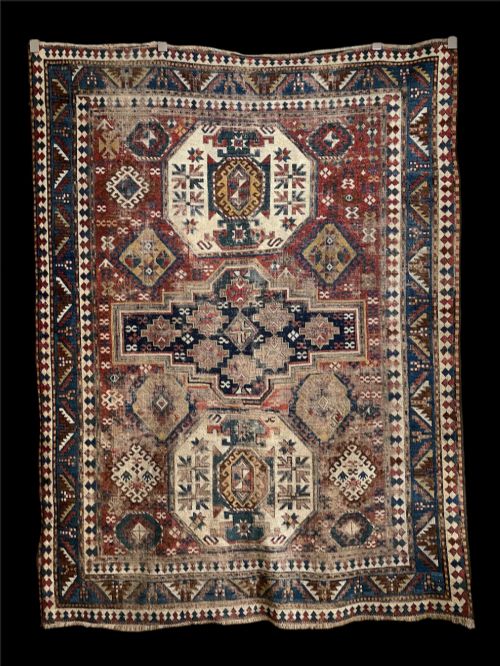


Kazak Tribal Rug
These hand-knotted wool floor coverings bring bold geometric motifs and rich vegetable dyes straight from nineteenth-century Caucasian weaving traditions into your room.
Kazak Tribal Rug
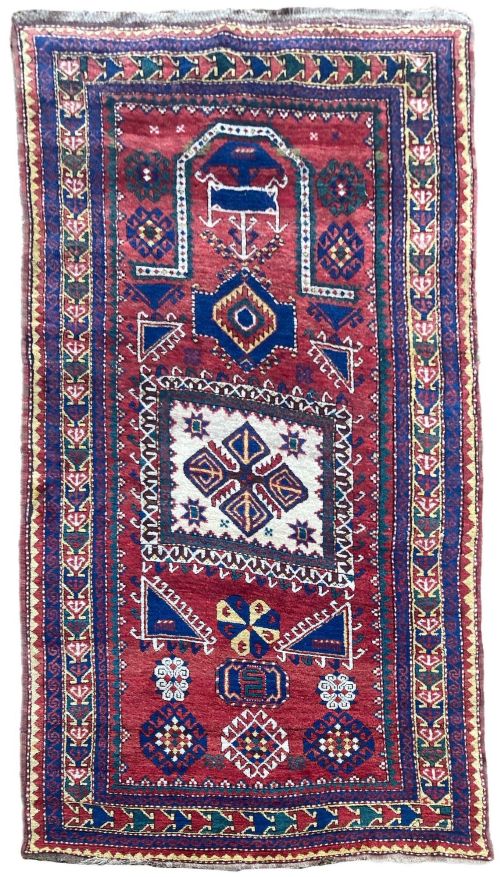
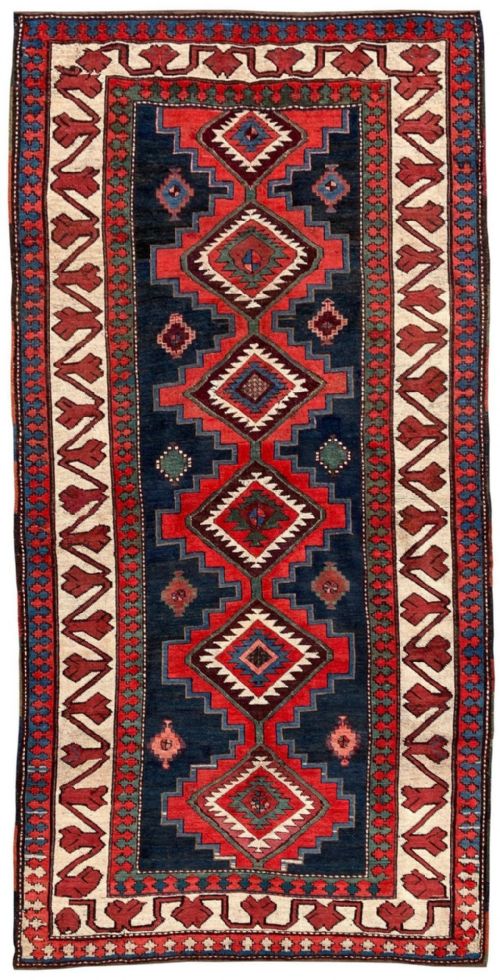
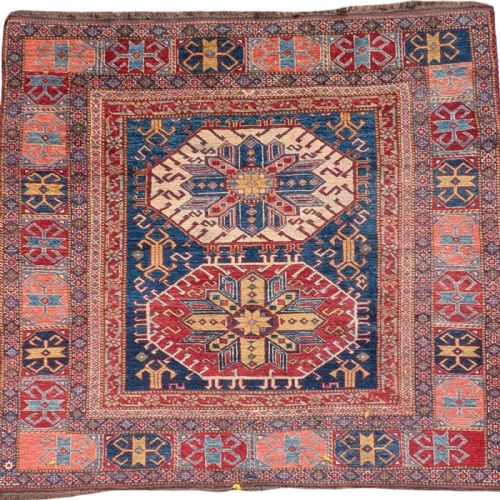
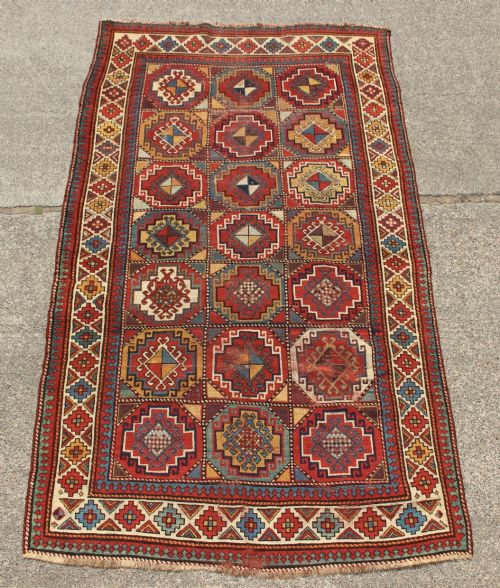
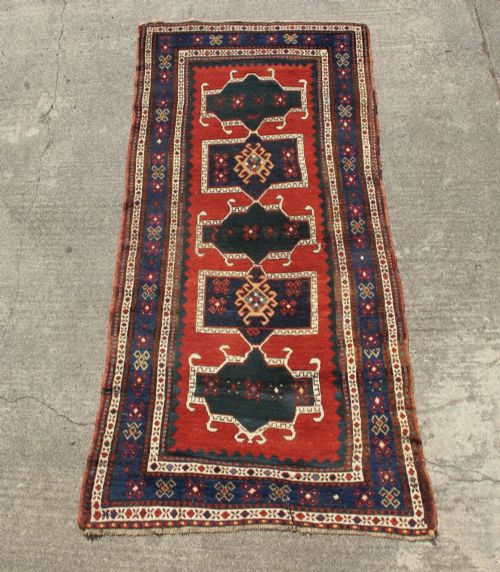
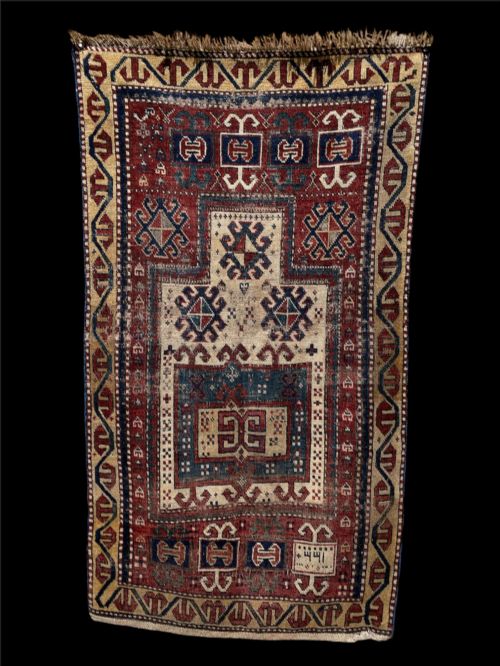
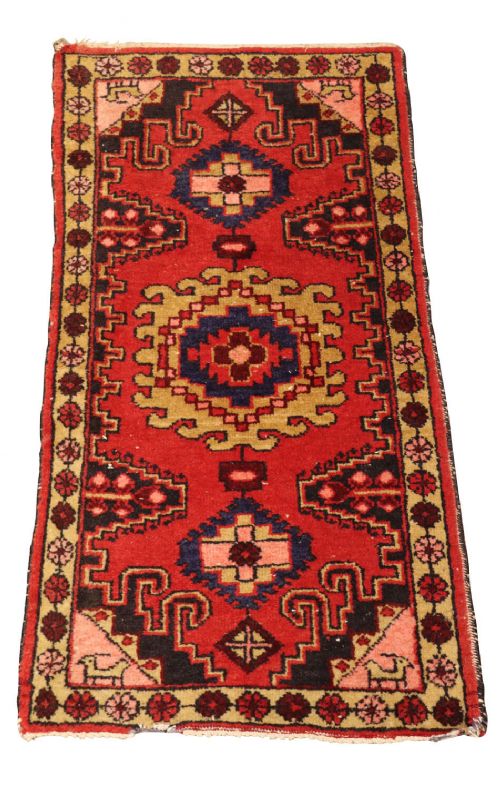
When you search for a kazak tribal rug, you encounter hand-knotted wool textiles originating from the Caucasus region during the nineteenth and early twentieth centuries. These pieces display distinct regional designs, including large medallions, animal motifs, and geometric prayer niches.
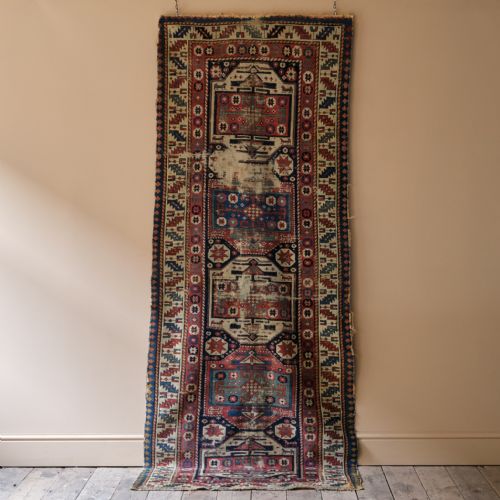
The most common examples on this page are antique area rugs and runners featuring classic tribal patterns rooted in specific Caucasus locations such as Fachralo, Borchalu, Moghan, Karachov, and Gendje. They range from compact prayer formats to longer formats utilised as runners.
How they were made
Weavers constructed these pieces using hand-spun wool for the pile, foundation yarns, and structural elements, often incorporating cotton for added stability in specific sections. Individual knots were tied by hand across the loom to build dense, durable surfaces designed for heavy daily use.
Makers utilised natural dyes derived from plants and minerals to colour the wool, producing deep reds, blues, greens, and yellows that soften gracefully over decades. This traditional dyeing method yields subtle tonal variations across the field of each textile.
One listed runner includes a delightfully wonky alignment, proving that even skilled village weavers occasionally let their straight lines wander.
What varies in quality
The sophistication and crispness of the geometric drawing distinguish finer examples from simpler provincial weaving, alongside the complexity of the medallion structures and secondary motifs. Tighter knot density and more intricate pattern execution reflect greater skill on the loom.
The depth, vibrancy, and harmonious balance of the natural dye palette separate superior specimens, as skilful dyeing creates complex colour interplay across the wool. Well-preserved pile height and intact original borders also elevate the standing of a piece.
The Kazak Tribal Rug Glossary
- Prayer rug
- A textile featuring a distinct architectural arch or mihrab design at one end, traditionally used for personal devotion.
- Medallion
- A central geometric or floral ornament set into the field of the rug, often repeated along the vertical axis.
- Boteh
- A stylised almond or pear-shaped motif representing a curved leaf or floral shoot, frequently arranged in rows across runners.
- Kilim
- A flat-woven textile produced without a pile, sometimes constructed from repurposed storage bag panels.
- Hand-spun wool
- Yarn spun manually by twisting sheep's fleece by hand or with a simple spindle, retaining natural lanolin and irregularities.
Kazak Tribal Rug: Frequently Asked Questions
How do I identify a regional kazak type?
Regional types often reveal themselves through specific medallion structures and border arrangements, such as the bold rectangular blocks found in Karachov examples or the distinct hooked motifs of Fachralo pieces.
Studying the recurring design vocabulary and colour combinations associated with specific Caucasian valleys helps pinpoint the origin of individual weavings.
Where were these rugs historically placed?
Nomadic and village weavers created these heavy floor coverings for domestic use inside traditional Caucasian dwellings, where they served as functional insulation against cold floors.
Smaller formats functioned as dedicated mats for prayer, while longer runner formats suited narrow hallways or tent interiors.
How should I care for antique wool rugs?
Regular gentle vacuuming without a rotating brush bar prevents dirt from settling into the wool pile and wearing down the structural foundation over time.
Professional cleaning tailored to antique vegetable-dyed textiles ensures the natural colours remain stable and the fibres stay properly conditioned.