




Kazak Area Carpet
A kazak area carpet brings the bold geometric patterns and rich tribal art of the Caucasus straight onto the floor.
Kazak Area Carpet
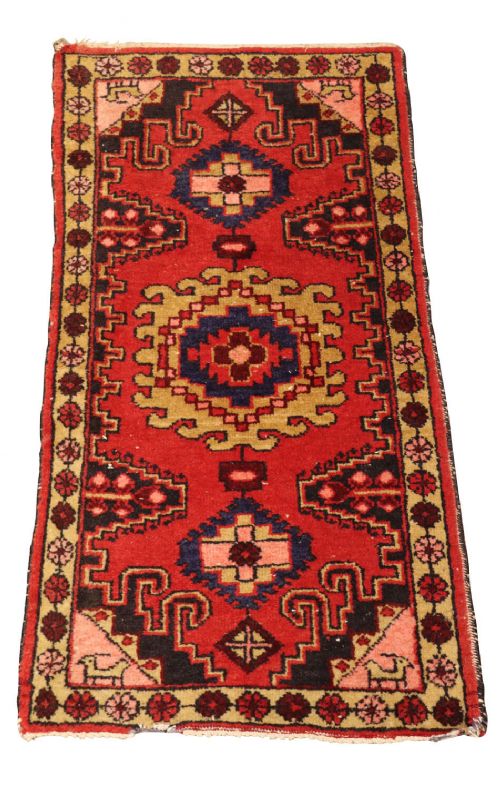
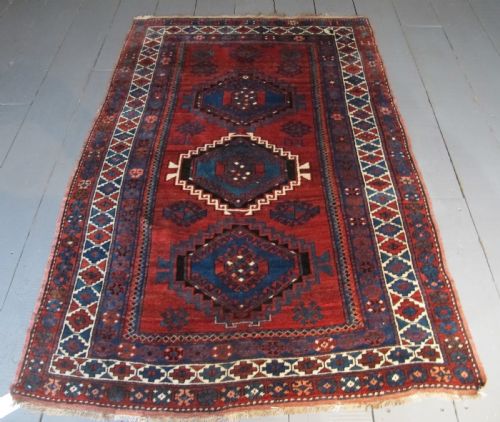
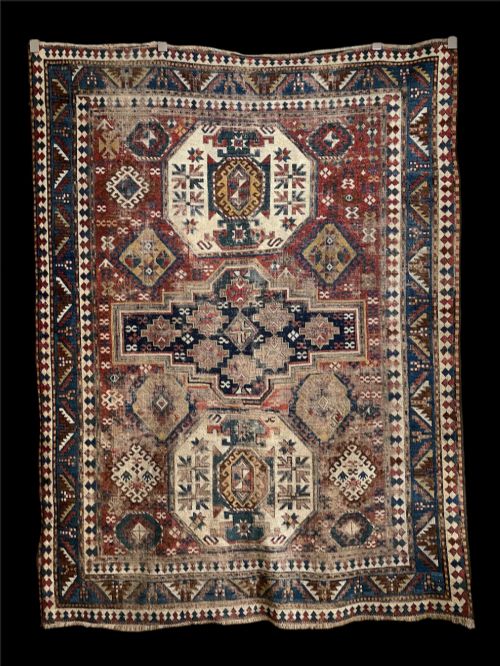
A kazak area carpet is a woven floor covering originating from the Caucasus region, celebrated for its distinctive tribal designs and saturated hues. These pieces emerge from the nineteenth and early twentieth centuries, spanning periods from eighteen fifty to nineteen thirty.
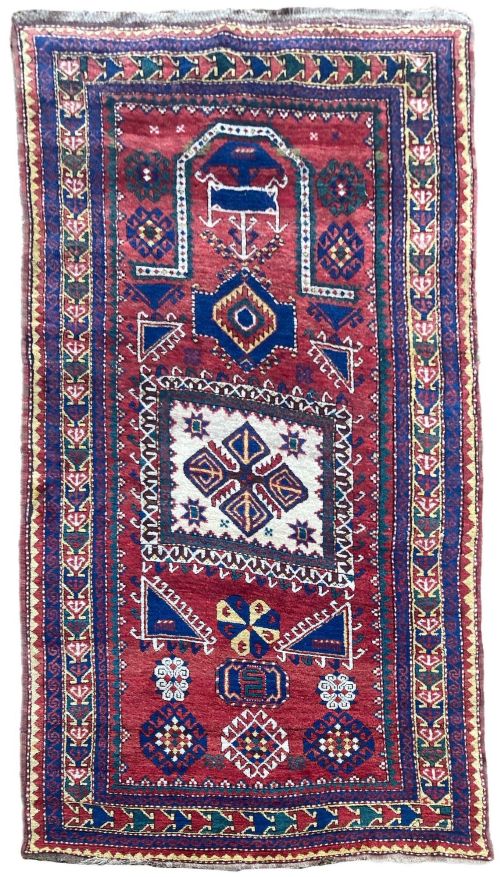
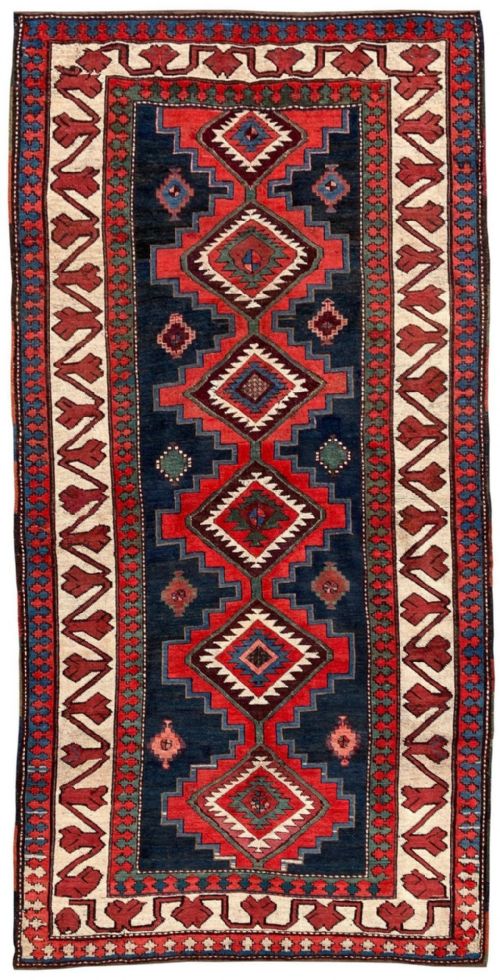
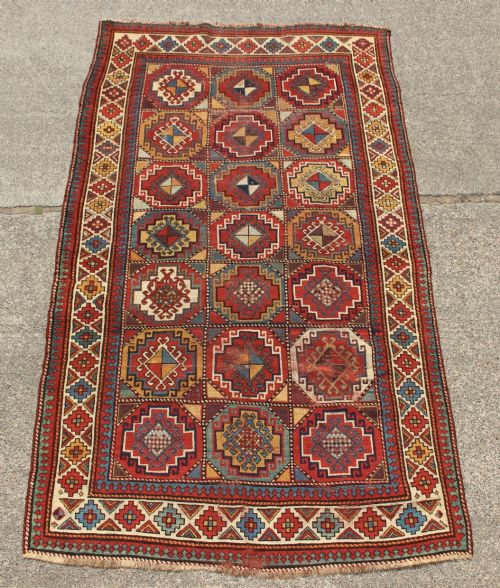
Buyers will most frequently encounter rectangular area rugs and prayer rugs bearing traditional motifs such as hooked medallions, keyhole patterns, and animal figures. Specific regional sub-types including Fachralo, Bordjalou, Moghan, Karachov, and Lori Pambak frequently populate these selections.
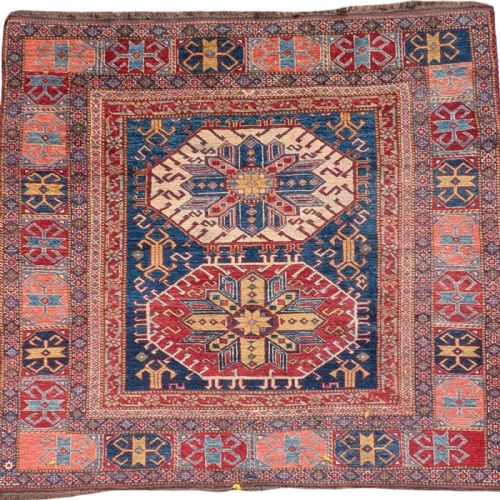
The format ranges from standard floor sizes to unusual square proportions and larger kelleh formats. They serve both as utilitarian floor coverings and as notable examples of Caucasian folk art.
How they were made
These carpets are hand-knotted using wool and hand-spun wool materials. This traditional construction method results in a dense, durable pile capable of withstanding generations of use.
Weavers utilised local materials and traditional dyeing techniques to achieve the characteristic deep green grounds, soft secondary tones, and contrasting geometric outlines. The hand-spun nature of the wool gives each individual piece a varied, organic texture across the field.
Object forms on this page include area rugs, prayer rugs, and larger kelleh formats.
What varies in quality
The distinction between tiers rests upon the precision of the tribal geometry and the depth of the wool work. Finer examples display crisper execution of hooked medallions and Memling guls, alongside a more balanced composition.
The integrity of the hand-spun wool and the retention of soft colours contribute significantly to the overall presence of the carpet. Remnants and heavily altered items sit at a different level from intact, well-preserved examples featuring complex animal and human motifs.
The Kazak Area Carpet Glossary
- Kazak
- A term applied to rugs woven in the Caucasus region, known for bold geometric layouts. These pieces often display strong primary colours and tribal iconography.
- Prayer rug
- A small rug format featuring a mihrab or niche design at one end. Historically used for individual daily prayer.
- Memling gul
- An octagonal guls motif with hooked appendages, commonly found in Caucasian and Anatolian weaving. It is named after the fifteenth-century painter Hans Memling who depicted similar carpets.
- Keyhole design
- A specific geometric layout associated with Sewan pieces, featuring a central medallion shape resembling an opening. It forms a cornerstone of traditional Caucasian design vocabulary.
- Kelleh
- A large format rectangular rug or carpet, traditionally produced for long spaces in grand rooms.
Kazak Area Carpet: Frequently Asked Questions
Where were kazak carpets made?
These carpets were woven in the Caucasus region by various tribal groups. Different valleys and districts produced distinct regional styles.
Specific designs often carry the name of the local area where the weaving tradition flourished, such as Bordjalou or Fachralo.
How do I use a kazak rug at home?
An area carpet of this type provides a strong focal point in a room due to its bold geometric patterns and saturated colours. They work well on wooden or stone floors where their tribal character can stand out.
Due to their historic nature, placing them in moderate-traffic areas helps preserve the hand-knotted pile while still allowing daily enjoyment.
What are common motifs on these carpets?
Common design elements include hooked medallions, star motifs, and animal or human figures rendered in a folk art style. Regional types often feature specific icons like the keyhole pattern or Memling guls.
These symbols reflect the cultural heritage and traditional storytelling of the Caucasian weavers.
How can I tell the age of a rug?
Age is typically identified through the materials, weave structure, and specific regional design characteristics. Pieces from the nineteenth century often utilise hand-spun wool and natural dyes that yield softer, harmonious colour transitions.
Certain examples also feature woven dates using different calendar systems, providing a direct reference point for their creation.