


Karl Palda Glass
Karl Palda glass encompasses striking Art Deco objects from the 1930s defined by geometric cutting, vibrant enamel decoration and functional elegance.
Karl Palda Glass
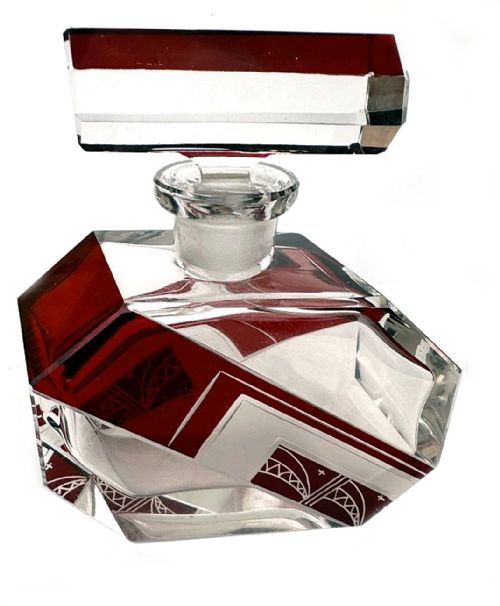
Karl Palda glass represents the distinct output of Czech and Bohemian design from the Art Deco period of the 1930s. When exploring this category, collectors encounter an array of functional objects designed to bring modernist geometry into domestic interiors.
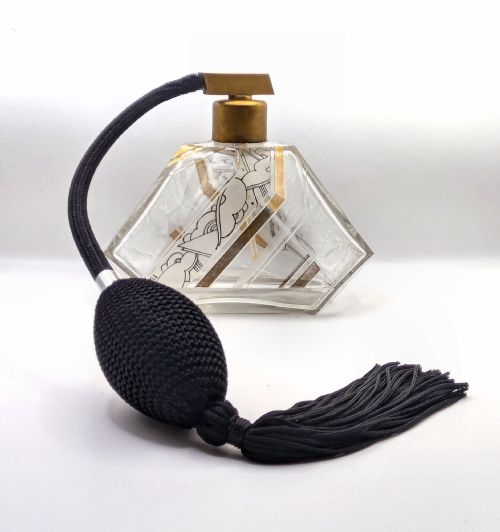
The selection commonly includes perfume bottles, decanter sets, tall vases and table lamps. Perfume bottles and decanter sets dominate the offerings, often accompanied by matching trays and glasses.
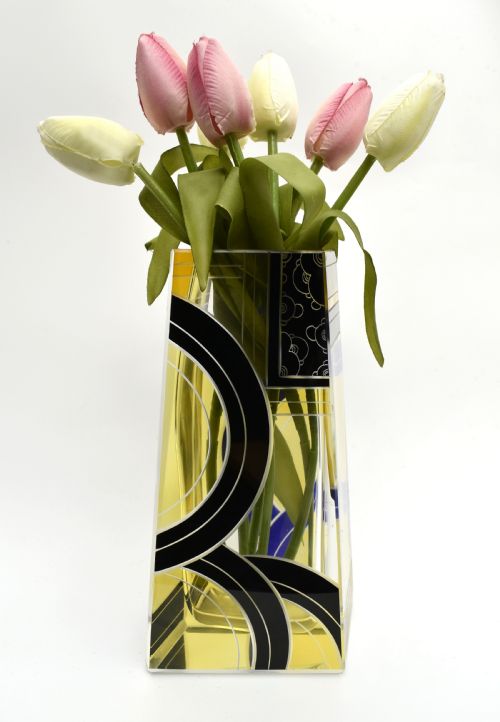
Vases range from square profiles to tall silhouettes, frequently incorporating coloured or uranium glass. Each piece reflects the geometric restraint and decorative ambition characteristic of the era's workshops.
How they were made
Makers utilised lead crystal, cut glass and standard glass as the primary physical foundations for these objects. Artisans shaped these materials through moulding and extensive cutting to achieve sharp planes and geometric facets.
Surface ornamentation relied heavily on hand enamel work and acid etching. Craftsmen applied coloured enamels in geometric motifs and linear patterns directly onto the glass body, sometimes combining the technique with chrome or brass mounts.
Table lamps from this era ensured that even a bedside reading nook could glow with radioactive green charm.
What varies in quality
Quality differences rest primarily in the execution of the surface decoration and the precision of the glass cutting. Crisp, deep facets and evenly applied hand enamelling distinguish finer examples from simpler production pieces.
The complexity of the form also dictates the tier of the piece. Elaborate multi-piece decanter sets with matching trays and complete glass complements represent a higher level of workshop output than standalone items.
Karl Palda
The Karl Palda Glass Glossary
- Uranium glass
- Glass containing trace amounts of uranium oxide, which glows green under ultraviolet light. This material was frequently utilised in 1930s Bohemian production for decorative vases and tableware.
- Atomiser
- A device fitted to perfume bottles designed to spray liquid in a fine mist. These fittings often incorporate metal hardware and rubber bulbs.
- Lead crystal
- A heavy glass variety containing lead oxide to increase brilliance and clarity. It allows for deeper, sharper facet cutting by artisans.
- Enamel
- Opaque vitreous composition fused to the surface of glass for decoration. It provides bold colour contrast against clear or coloured glass bodies.
Karl Palda Glass: Frequently Asked Questions
What items are included in a decanter set?
Decanter sets typically comprise a central glass decanter with a stopper accompanied by a matching set of small glasses or liqueur glasses. Many configurations also include a coordinating glass or mirrored tray to hold the ensemble.
These sets were designed for display and serving during the Art Deco period, combining utility with geometric decorative themes.
How can I identify uranium glass?
Uranium glass displays a distinct yellowish-green hue under normal lighting conditions. When exposed to an ultraviolet light source, the glass emits a bright neon green glow.
This characteristic comes from the uranium content added during the manufacturing process in the 1930s.
Were these objects made in the Czech Republic?
Yes, production centred in Bohemia and the wider region that forms the modern Czech Republic. This area had a long-established tradition of glassmaking and cutting.
Workshops in towns like Prague produced these modernist designs for international export during the interwar years.
How should I clean enamelled glass?
Enamelled surfaces require gentle cleaning with lukewarm water and mild soap. A soft cloth prevents abrasion to the delicate coloured designs fired onto the glass.
Harsh chemical cleaners and immersion in hot water can damage the historic enamel decoration over time.