

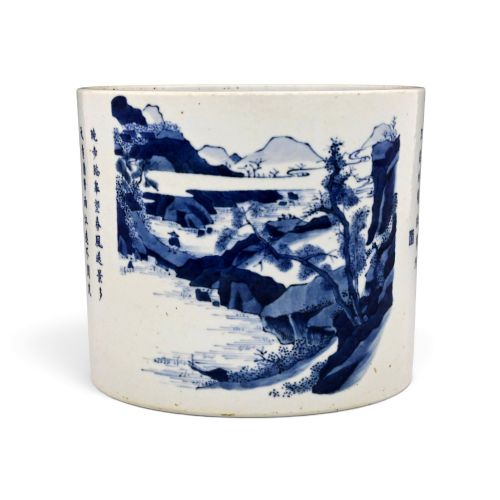


Kangxi Blue and White
When you search for kangxi blue and white, you step into an era of extraordinary porcelain defined by vibrant cobalt pigment and sublime potting.
Kangxi Blue and White
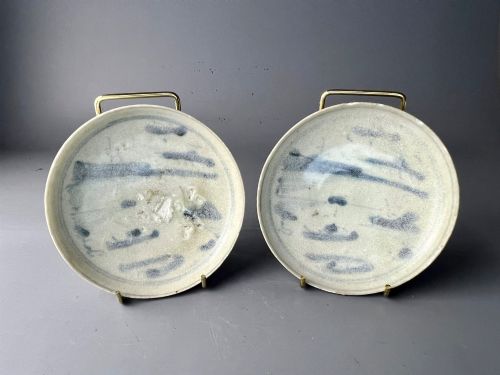
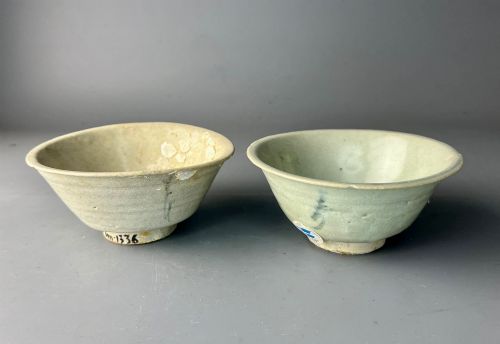
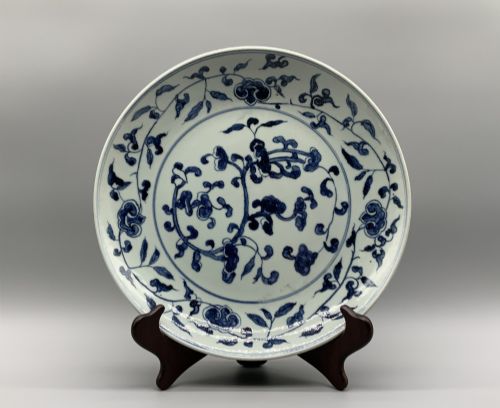
Kangxi blue and white centres on Chinese porcelain objects made during the Qing dynasty, specifically around the pivotal reigns of the late seventeenth and early eighteenth centuries. These items range from chargers, dishes, and bowls to vases, jars, and scholar's brush pots, showing the sheer versatility of the kilns of the period.
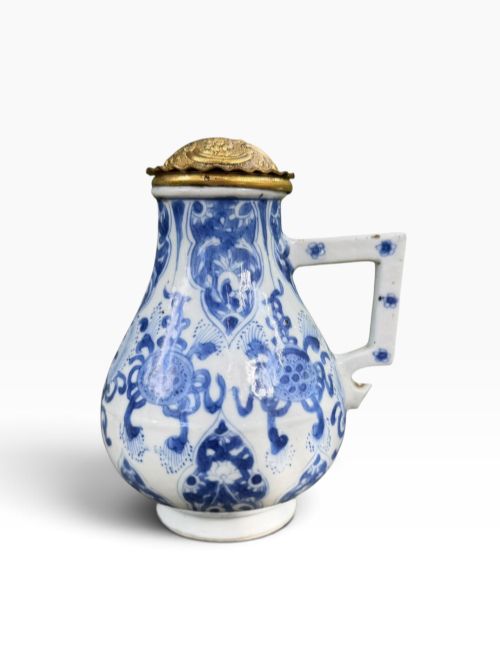
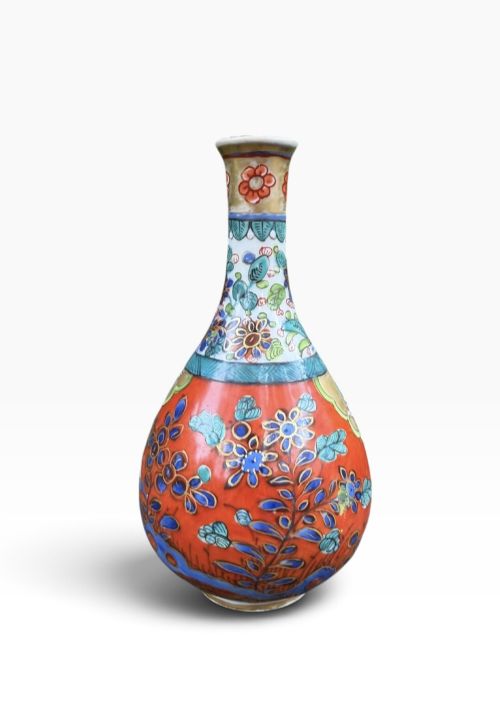
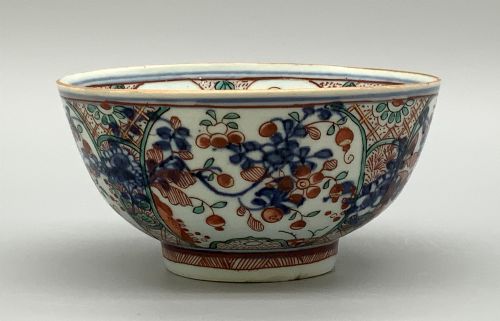
Alongside pieces bearing genuine period marks or dating from the original era, collectors also encounter nineteenth-century interpretations and revival designs created in the Kangxi style. Some items carry European additions such as gilt metal mounts or later clobbered enamel work added in the eighteenth century, showing how these objects travelled and adapted over time.
How they were made
The foundation of these objects is hard-paste porcelain, painted with cobalt glaze or cobalt pigment beneath a clear glaze before firing. This underglaze technique allows the cobalt blue to achieve deep, luminous tones that range from soft washes to vibrant sapphire depths.
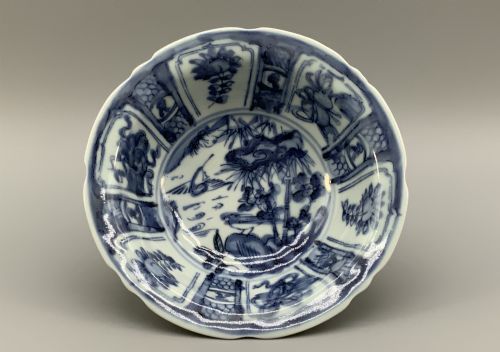
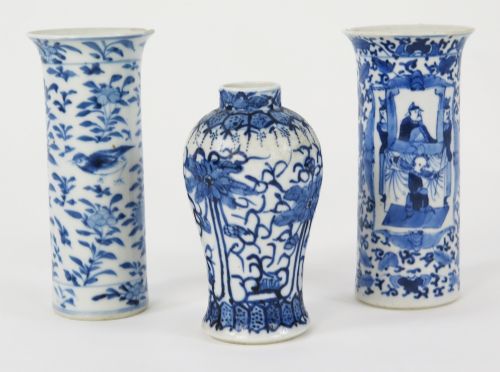
Potters shaped the clay on the wheel or pressed it into moulds, creating forms like lobed bowls, gu-shaped beaker vases, and double gourd vessels with precise control. Skill in managing kiln temperatures determined whether the cobalt blue settled evenly and whether the white porcelain body retained its crisp purity.
Kangxi Blue and White Retail Price Guide 2026
Typical asking prices for kangxi blue and white among the pieces listed under this phrase on Sellingantiques today, from the lower quarter to the upper quarter. They describe what is for sale here now, not the wider market.
Listings feature periods spanning the seventeenth century, eighteenth century, nineteenth century, and Regency era, alongside materials like porcelain and cobalt underglaze.
What varies in quality
Quality rests heavily on the clarity of the cobalt blue pigment and the precision of the brushwork applied to the porcelain surface. Superior examples exhibit multiple distinct shades of blue within a single design, giving depth and perspective to landscapes, figures, and floral motifs.
The refinement of the potting also dictates standard, with finer pieces showing thin, even walls, well-finished bases, and carefully rendered marks. Later nineteenth-century revival pieces or overseas export wares often display heavier bodies and more formulaic painting compared to the best seventeenth-century originals.
The Kangxi Blue and White Glossary
- Cobalt glaze
- A metallic pigment applied beneath the glaze to produce blue decoration upon firing. This material responds to heat with varying depth and intensity.
- Bitong
- A cylindrical scholar's brush pot used in traditional Chinese studies for holding writing brushes. These items are frequently decorated with narrative scenes or landscapes.
- YenYen
- A large trumpet-necked vase form typical of the period, also known as a fengweizun or phoenix-tail vase. The shape expands gracefully toward the rim and base.
- Kendi
- A drinking vessel with a spouted neck and globular body, originating for ritual or daily use. Examples from this era combine functional form with intricate blue and white painting.
- Clobbered
- Porcelain that received secondary overglaze enamelling in Europe, often during the eighteenth century, to enhance the original blue and white decoration with bright colours and gilt.
Kangxi Blue and White: Frequently Asked Questions
How do I spot a real Kangxi piece?
Authenticating these items involves examining the vibrancy of the cobalt blue underglaze, the fineness of the porcelain body, and the characteristics of the base markings. Period pieces often show exceptional depth in the blue pigment and meticulous hand-painted details rather than mechanical precision.
Foot rims and glaze textures also offer clues, as genuine late seventeenth and early eighteenth-century items possess distinct potting traits compared to nineteenth-century revival wares.
What are the common vessel shapes?
The inventory encompasses a wide array of forms, including large chargers, ginger jars, ovid jars, stem cups, and sleeve vases. Scholar's objects such as brush pots and wine ewers also appear frequently.
Many of these shapes served practical functions in domestic or scholarly settings, while others were produced primarily for export trade to Europe.
How should I care for porcelain?
Displaying these objects safely requires stable surfaces away from high traffic areas or direct edges where they might be knocked. Because these are historical ceramics, keeping them out of bright, direct sunlight prevents any potential stress to secondary additions like gilt metal mounts.
Cleaning should be limited to gentle dusting with a soft, dry cloth rather than immersion in water, particularly for pieces with overglaze enamels or metal fittings.
Are nineteenth-century copies valuable?
Later revival pieces created in the nineteenth century carry their own historic interest and decorative appeal, even if they date long after the original reign. Collectors often appreciate them for their faithful execution of earlier styles and the quality of their own manufacturing period.
Distinguishing between original seventeenth-century production and later Qing dynasty copies depends on studying the weight, tone of the blue pigment, and stylistic execution.