








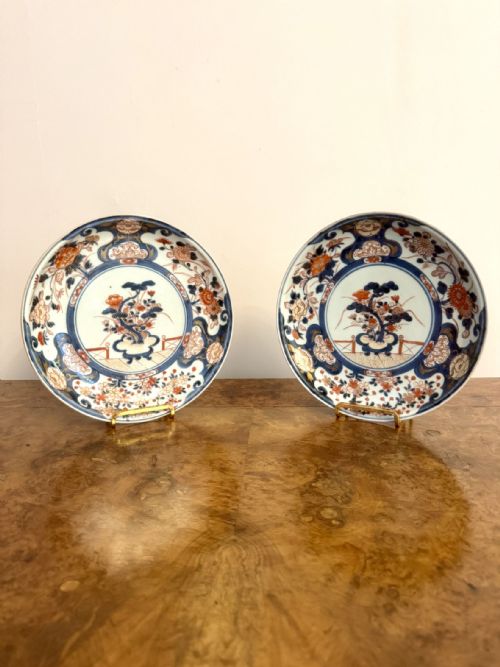
Japanese Style Imari
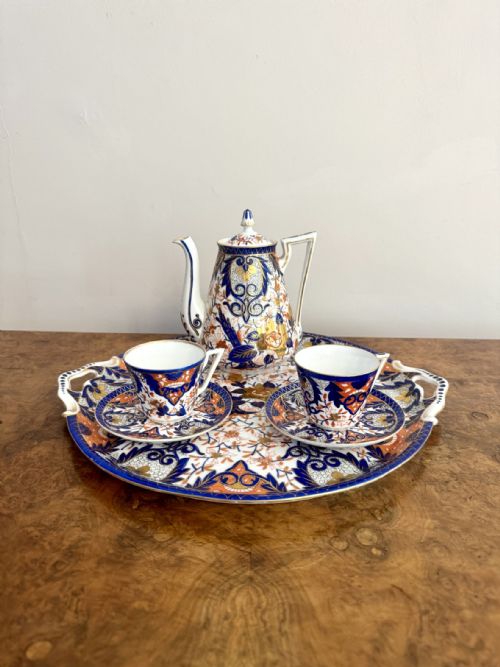
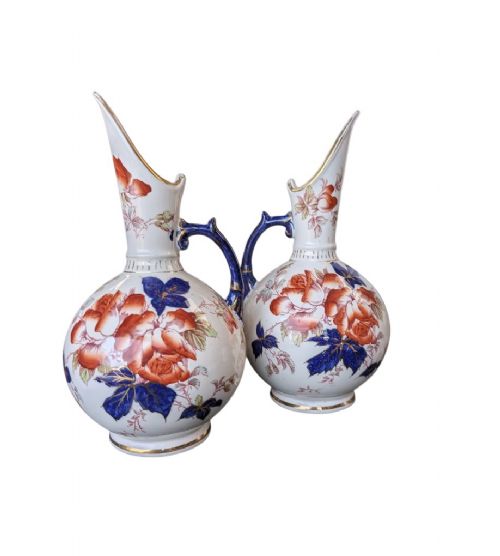
Japanese style imari brings together vibrant iron-red, cobalt blue and gilt patterns on ceramic bodies, prized for their rich decorative presence.
Japanese Style Imari
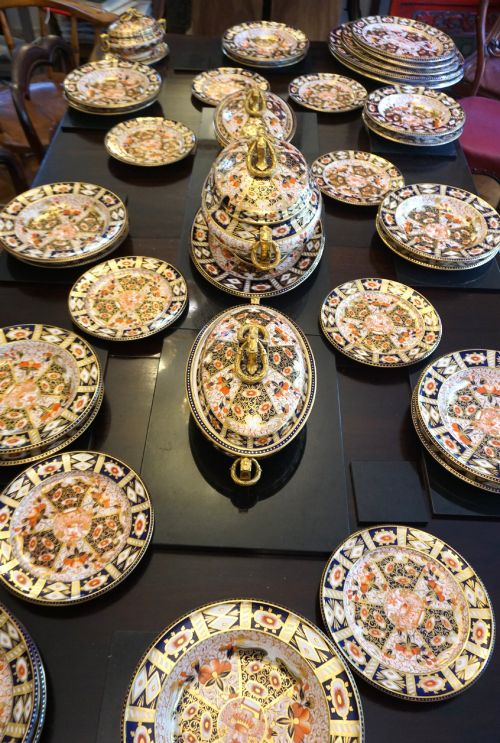
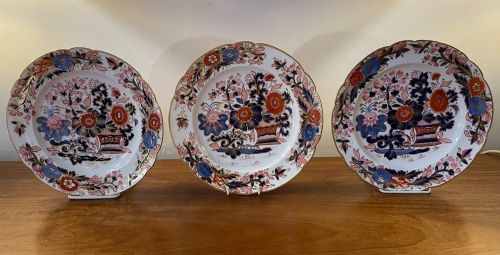
When you search for japanese style imari, you encounter a mix of authentic wares produced in Japan, notably from Arita, alongside European interpretations created by English and continental potteries. The pieces range from large chargers and deep bowls to dinner services and miniature vases, spanning the nineteenth century up to the Edwardian period.
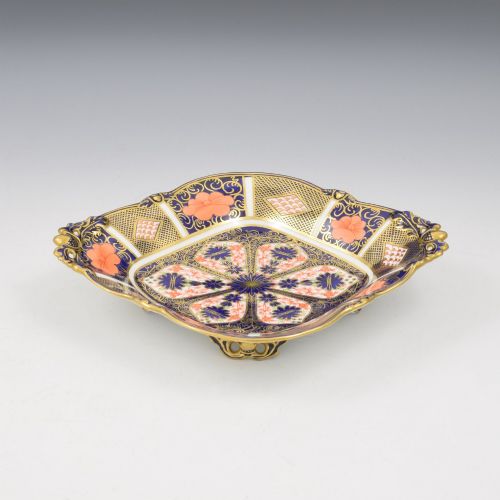
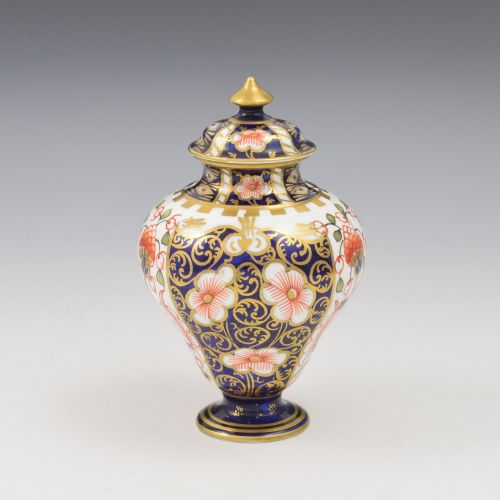
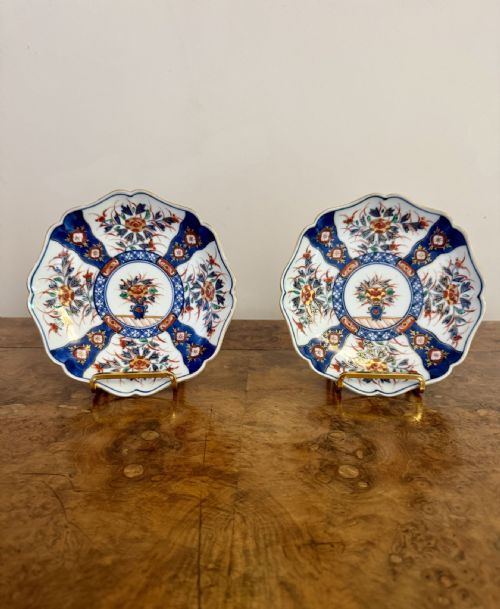
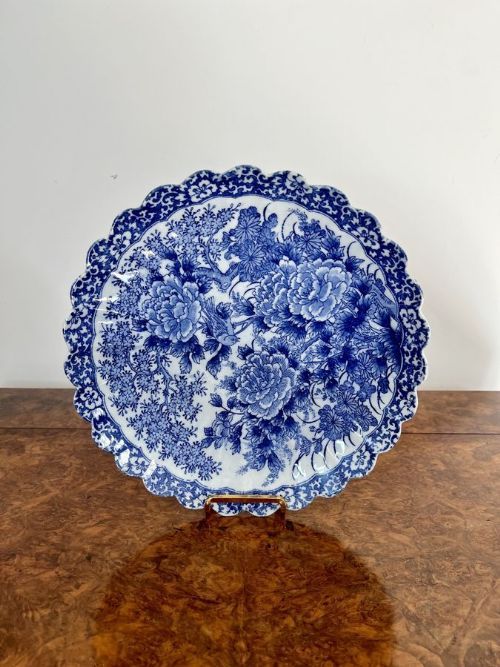
The most common items met on this page are decorative plates and chargers featuring scalloped or hexagonal edges, alongside porcelain vases and serving dishes. These objects reflect both traditional Japanese motifs and the widespread Victorian and Edwardian fascination with Japonisme.
How They Were Made
The makers utilised porcelain, bone china and ceramic bodies, applying underglaze cobalt blue and overglaze enamel colours such as iron-red, often accented with gold leaf, gilt or gilding. Hand-painted decoration defined the production, requiring multiple firings to set the complex palette.
Vessels were shaped on the wheel or pressed into moulds, yielding forms from fluted vases to scalloped plates and lidded ewers. The integration of glaze and enamel created the characteristic dense, colourful surface pattern.
Japanese Style Imari Retail Price Guide 2026
Typical asking prices for japanese style imari among the pieces listed under this phrase on Sellingantiques today, from the lower quarter to the upper quarter. They describe what is for sale here now, not the wider market.
Some nineteenth-century plates feature deliberately irregular hexagonal and scalloped edges to mimic organic forms.
What Varies in Quality
The standard of painting determines the tier of the piece, separating rapid commercial output from meticulous hand-painted detail. Crispness of the cobalt blue underglaze and precision in the enamel and gold leaf application dictate the visual depth.
Form and finish also establish distinction, with scalloped edges, hexagonal symmetry and intact gilding marking out superior production across both Japanese origins and European reinterpretations.
Royal Crown Derby·Davenport·Stevenson and Hancock·Mintons·Fukagawa·Samson
The Japanese Style Imari Glossary
- Imari palette
- A decorative scheme employing underglaze blue and overglaze iron-red, supplemented by gold and other enamel colours. This palette originated in Japanese kilns and was later adopted by European potteries.
- Charger
- A large decorative plate intended for display rather than table service. These large ceramic rounds often showcase the most intricate patterns.
- Arita
- The Japanese town and surrounding region where the production of Japanese porcelain and Imari wares historically centred. Arita pieces form a core part of this tradition.
- Kakiemon
- An asymmetric style of Japanese enamel decoration featuring delicate pictorial designs on a milky white porcelain body. It heavily influenced European interpretations.
- Japonisme
- The nineteenth-century European craze for Japanese art and design. This movement inspired many Western potteries to adopt Asian motifs and forms.
Japanese Style Imari: Frequently Asked Questions
How do I identify Japanese imari from English imari?
Japanese examples typically utilise Arita porcelain bodies with characteristic underglaze blue and iron-red enamel tones applied in distinct regional styles. European adaptations often bear factory marks from English potteries like Derby or Davenport.
Examining the foot ring, paste texture and any registration or pattern numbers assists in distinguishing between imported pieces and domestic interpretations.
What periods do these pieces cover?
The listings encompass nineteenth-century items alongside Victorian, Edwardian and early twentieth-century examples. Production dates range from early nineteenth-century plates to 1920s porcelain services.
Earlier pieces often reflect traditional Edo or Meiji execution, while later items demonstrate the ongoing European enthusiasm for the style.
How were chargers used historically?
Large chargers served primarily as decorative display pieces on sideboards or walls rather than for serving food. Their substantial scale provided artisans a broad canvas for complex cobalt and enamel compositions.
In dining settings, smaller dishes and plates handled functional tasks, while chargers commanded visual attention in the room.