








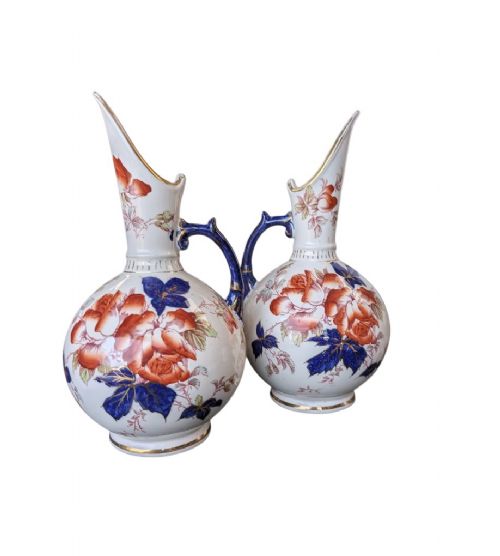
Japanese Style Ceramics
These japanese style ceramics span centuries of imported craftsmanship and domestic imitation, offering striking patterns and robust forms for daily display.
Japanese Style Ceramics
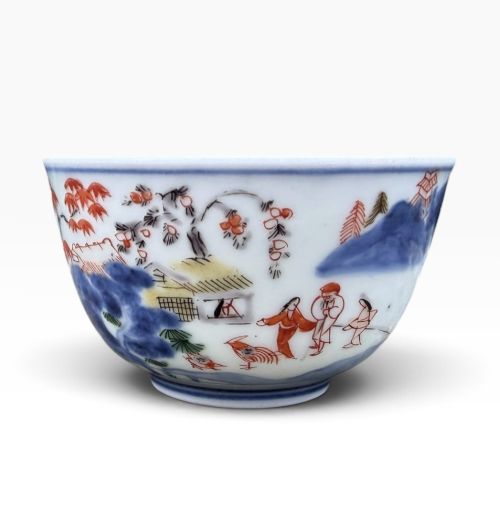
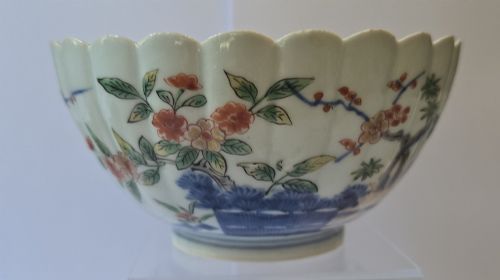
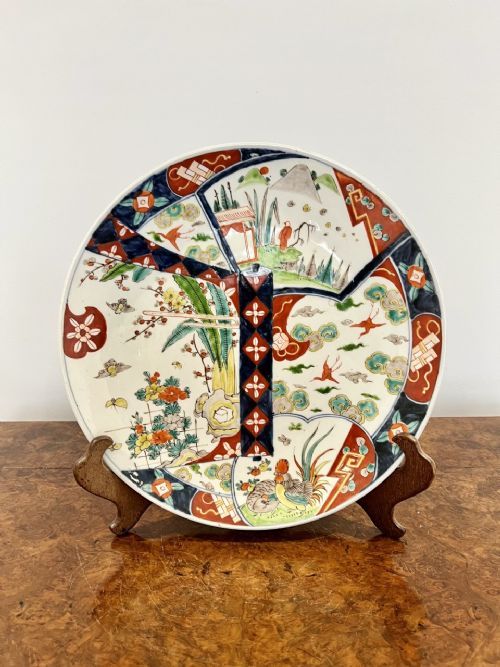
When you examine japanese style ceramics, you encounter a diverse range of objects created across the nineteenth and twentieth centuries, alongside earlier imported works. The selection encompasses large decorative chargers, scalloped bowls, vases, cabinet plates, and table lamps.
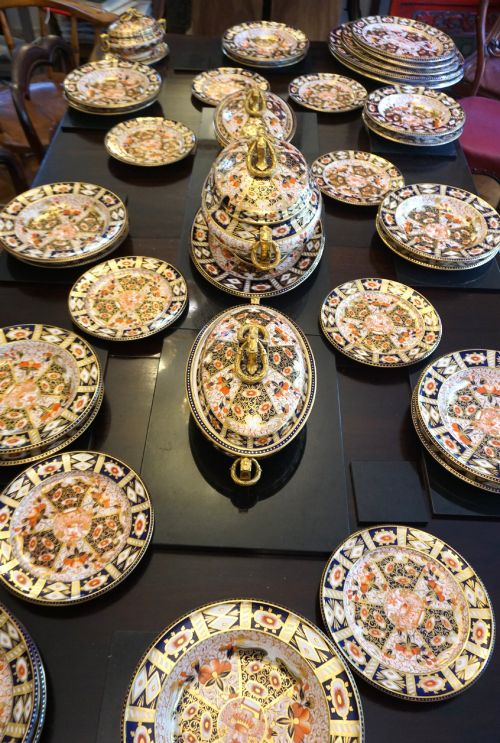
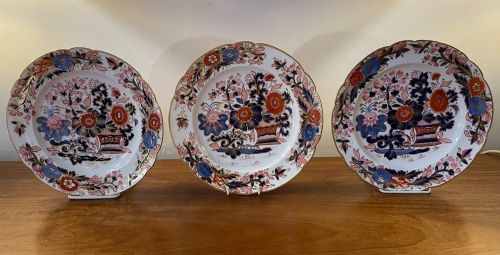
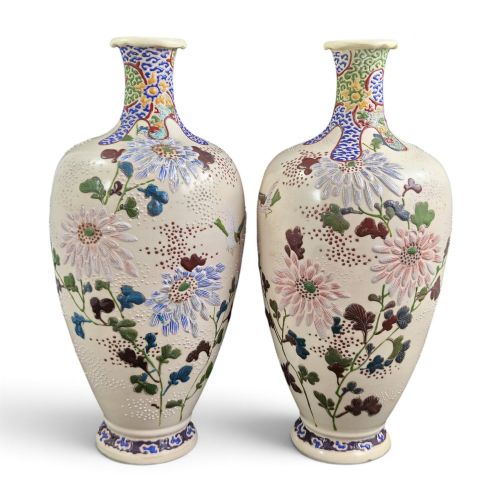
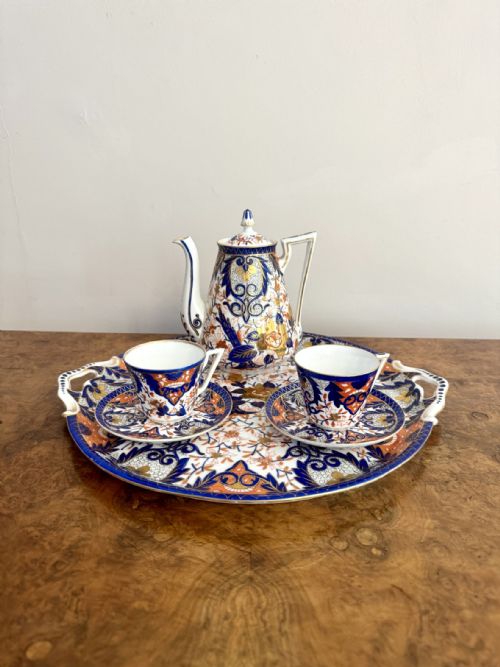
The objects derive from both Japanese production and European potteries influenced by Eastern aesthetics during the Victorian and Edwardian eras. You will find imported Imari, Satsuma, and Kutani wares sitting alongside British interpretations by makers such as Minton and Royal Crown Derby.
How They Were Made
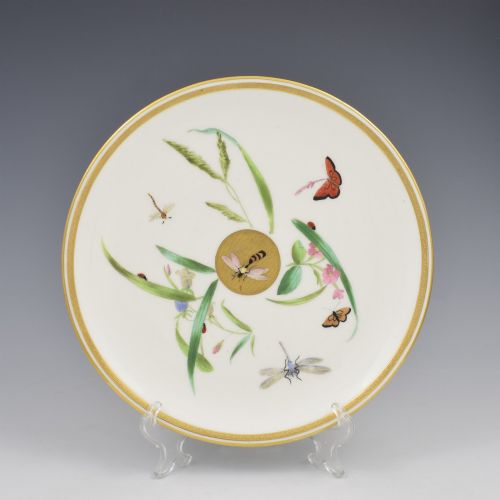
Potters shaped these pieces primarily from porcelain, bone china, and earthenware, applying complex decorative schemes utilising enamel, glaze, and gilding. Many designs incorporate rich gold leaf highlights over cobalt blue and iron red underglazes.
Techniques range from hand-painted surface details to moulded relief work and moriage slip decoration. Makers balanced traditional firing methods with European ceramic formulas to achieve distinct finishes.
Japanese Style Ceramics Retail Price Guide 2026
Typical asking prices for japanese style ceramics among the pieces listed under this phrase on Sellingantiques today, from the lower quarter to the upper quarter. They describe what is for sale here now, not the wider market.
Mandarin ducks appear carved in delicate okimono, bringing a touch of traditional waterfowl charm to the shelf.
What Varies in Quality
The distinction between standard commercial output and superior production lies in the execution of the hand-painted motifs and the precision of the gilding. Master artisans achieved sharper cobalt lines and more balanced colour placement on refined porcelain bodies.
Consider the crispness of moulded edges on scalloped bowls and plates, as well as the depth of the enamel layers. Pieces intended for high-end presentation display greater attention to symmetry and intricate background detailing.
Royal Crown Derby·Doulton Lambeth·Makuzu Kozan II·Chikusai·Shoza
The Japanese Style Ceramics Glossary
- Imari
- A style of Japanese porcelain featuring a distinct palette of underglaze blue, iron red, and gold. This aesthetic heavily influenced British ceramic houses during the nineteenth century.
- Satsuma
- Earthenware pottery originating from the Satsuma province, characterised by a crackle-glaze finish and intricate enamel or gilt decoration. These pieces often depict traditional figures or floral scenes.
- Kutani
- Japanese porcelain known for bold pictorial designs and rich polychrome enamels, frequently dominated by green and gold hues. It represents a prominent decorative tradition of the Meiji period.
- Moriage
- A ceramic technique involving raised slip decoration applied to the surface before firing, creating a textured, three-dimensional effect often seen on Satsuma vases.
- Aesthetic Movement
- A nineteenth-century British cultural movement that rejected Victorian moralism in favour of art for art's sake, drawing profound inspiration from Japanese visual culture.
Japanese Style Ceramics: Frequently Asked Questions
What defines japanese style ceramics?
These pieces encompass both direct imports from Japan and British interpretations inspired by Eastern design movements. They unite traditional motifs like floral sprays and geometric panels with forms ranging from chargers to table lamps.
Materials span porcelain, bone china, and earthenware, decorated with rich enamels and gilding. The category bridges centuries of cross-cultural artistic exchange.
How do I identify Imari ware?
Imari wares are recognised by their characteristic palette of deep cobalt blue and iron red, frequently accented with gold leaf. The patterns often feature floral and architectural elements arranged symmetrically across plates and bowls.
Originating in Japan, this style was successfully replicated by European manufacturers during the nineteenth century.
Where were Satsuma vases made?
Satsuma ceramics originate from the Satsuma province in Japan, identifiable by their warm, ivory-coloured crackle glaze. Artisans applied detailed enamel and raised gold decoration over this distinctive surface.
These decorative vessels became highly sought after in the West during the late nineteenth and early twentieth centuries.
How should I display antique plates?
Large decorative chargers and scalloped plates suit wall mounting or placement on sturdy plate stands to showcase their painted surfaces. Ensure proper support is used to distribute the weight evenly.
Keep them away from direct sunlight to preserve the vibrancy of the enamel and gilt highlights over time.