


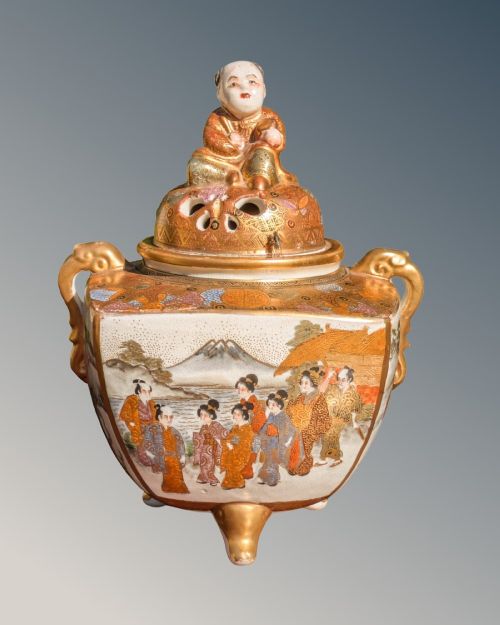


Japanese Porcelain Pot
These Japanese porcelain pot selections range from large Imari planters to delicate Satsuma lidded jars, offering both decorative presence and historical depth.
Japanese Porcelain Pot
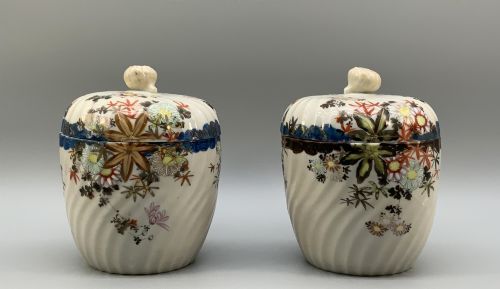
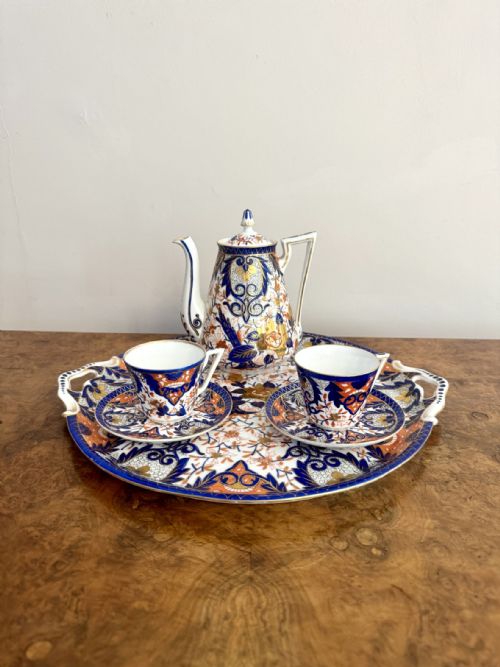
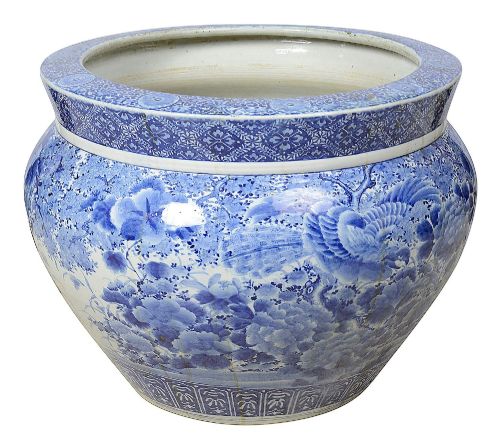
A japanese porcelain pot encompasses a diverse selection of vessels, most commonly seen here as large jardinieres, lidded jars, planters, and decorative vases originating from the Edo and Meiji periods. Buyers searching this phrase frequently encounter robust Imari wares decorated in characteristic blue and iron-red palettes, alongside finely detailed Satsuma earthenware and porcelain forms.
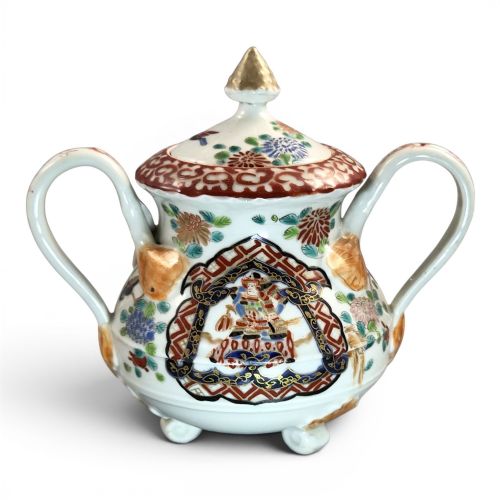
The physical scale of these pieces varies considerably, from substantial garden planters resting on associated hardwood stands down to intimate sugar bowls, sake ewers, and incense burners. Production spans several centuries, with nineteenth-century examples dominating the selection alongside eighteenth-century Arita pieces.
Regional and stylistic variations include blue and white floral decoration, samurai figural scenes, and Victorian adaptations such as Samson Imari. Such variety ensures that whether the interest lies in a monumental planter or a small lidded jar, the forms reflect distinct historical traditions of Japanese ceramic manufacture.
How they were made
Makers utilised refined porcelain and ceramic bodies shaped into vessels, applying underglaze blue and overglaze enamel pigments to achieve vibrant surface patterns. Many examples incorporate intricate gilding and gold leaf highlights, particularly upon Satsuma and Imari decorative schemes.
Firing techniques allowed for durable glazes to seal the ceramic body, while specialised studios such as those in Kyoto applied meticulous hand-painted details. Associated hardwood stands accompany certain large jardinieres, demonstrating complementary craftsmanship utilised to display the heavy vessels.
Japanese Porcelain Pot Retail Price Guide 2026
Typical asking prices for japanese porcelain pot among the pieces listed under this phrase on Sellingantiques today, from the lower quarter to the upper quarter. They describe what is for sale here now, not the wider market.
The selection includes blue and white underglaze painting, polychrome enamels, and applied gold leaf decoration.
What varies in quality
The distinction between tiers rests upon the precision of the hand-painted brushwork and the complexity of the decorative motifs, such as detailed samurai figures versus standard floral patterns. Finer pieces demonstrate superior control over the enamel pigments and gold leaf application, ensuring crisp lines and balanced compositions across the surface.
Maker signatures and studio attributions, such as those associated with Fukagawa or Kyoto workshops like Shozan and Kinkozan, elevate the standing of individual pots. The preservation of the original glaze and the structural integrity of the ceramic body further define the relative standing of each vessel.
Fukagawa Mark·Kinkozan Satsuma·Shozan Kyoto Studio·Samson Imari
The Japanese Porcelain Pot Glossary
- Imari
- A style of Japanese porcelain featuring a distinct palette of underglaze blue, iron red, and gilt, originating from the town of Arita. These wares were heavily exported to Europe and later imitated locally.
- Satsuma
- A type of Japanese earthenware or porcelain characterised by a ivory craquelure glaze decorated with polychrome enamels and gold. It gained prominence during the Meiji period.
- Jardiniere
- A large ornamental pot or planter designed to hold growing plants or flowers. They frequently appear in ceramic or porcelain and occasionally rest upon dedicated hardwood stands.
- Arita
- The Japanese town recognised as the birthplace of porcelain production in the country. Wares produced here supplied the basis for the broader Imari export market.
Japanese Porcelain Pot: Frequently Asked Questions
What is a Japanese porcelain pot used for?
These vessels served various domestic and decorative functions, ranging from large jardinieres designed to hold plants to lidded jars used for storage. Smaller items like sake ewers, sugar bowls, and incense burners fulfilled specific dining and ritual roles.
Over time, many of these pieces transitioned into purely decorative display objects for interiors, prized for their complex hand-painted surfaces and historical associations with Japanese export trade.
How do I identify a Meiji period pot?
Meiji period pieces often display dense, highly detailed decoration such as intricate samurai figures, elaborate floral patterns, and extensive use of gold leaf. The manufacturing techniques from this era reflect an opening to Western markets alongside traditional domestic craftsmanship.
Examining the bottom of the vessel may reveal studio signatures, maker marks, or stylistic indicators that help pinpoint the production era between the late nineteenth century and early twentieth century.
What is the difference between Imari and Satsuma?
Imari wares are typically hard porcelain characterised by a bold palette of underglaze blue, iron red, and gilding with floral or geometric motifs. They offer a more robust finish suited to large planters and lidded jars.
Satsuma pieces frequently utilise an earthenware or porcelain body covered with a characteristic cream-coloured craquelure glaze, overlaid with delicate polychrome enamels and gold depicting figural scenes.
How should I display a large jardiniere?
Large jardinieres and planters require stable placement, often utilising associated hardwood stands that distribute the considerable weight of the ceramic body. They function effectively as floor-standing or pedestal-mounted decorative focal points within a room.
When housing live plants inside these antique pots, placing a modern liner inside protects the historic interior glaze and ceramic fabric from moisture damage over extended periods.