




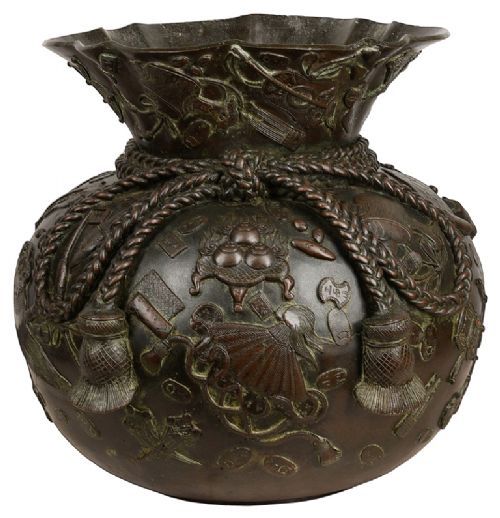


Japanese Planter Pot
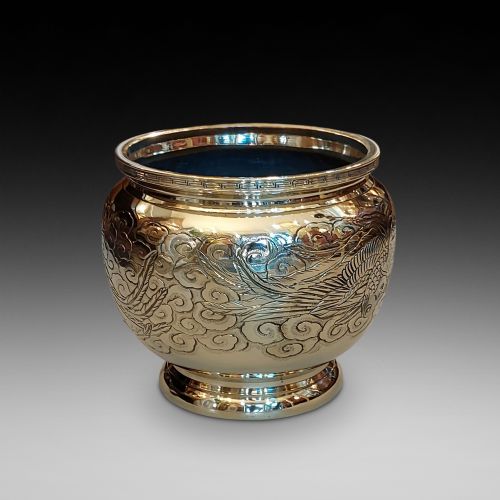
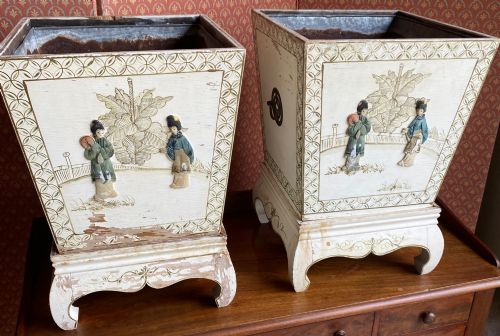
These pieces take the form of a Japanese planter pot, offering tactile bronze and porcelain vessels designed to hold plants.
Japanese Planter Pot
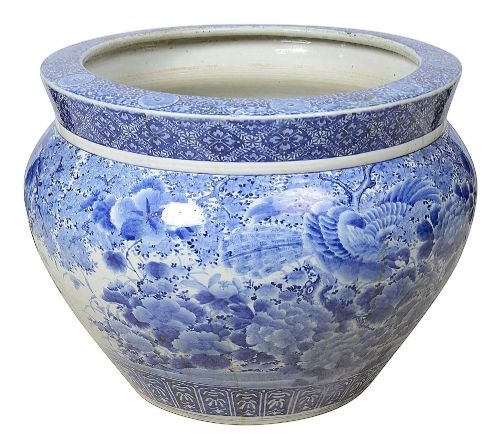
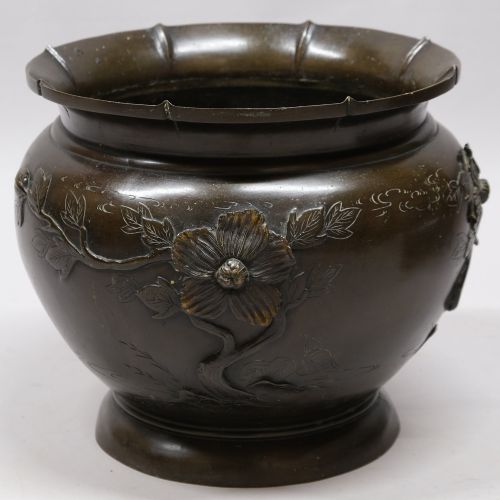
A Japanese planter pot most frequently appears as a jardiniere or bowl originating from the Meiji period, nineteenth century, or Edwardian eras. Makers shaped these vessels in bronze, porcelain, and stoneware, frequently pairing them with hardwood stands for display.
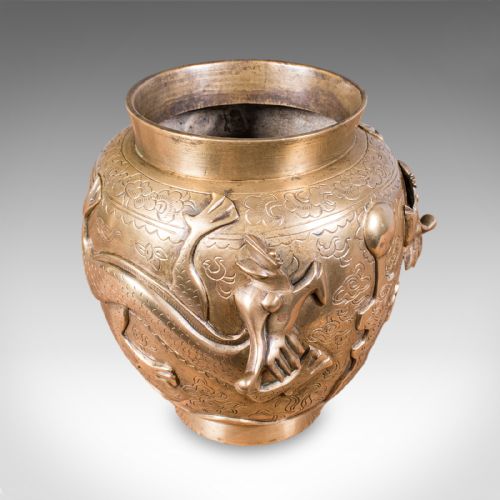
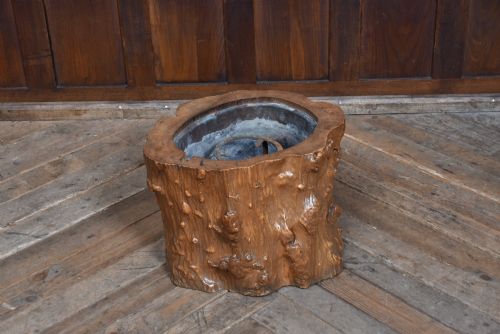
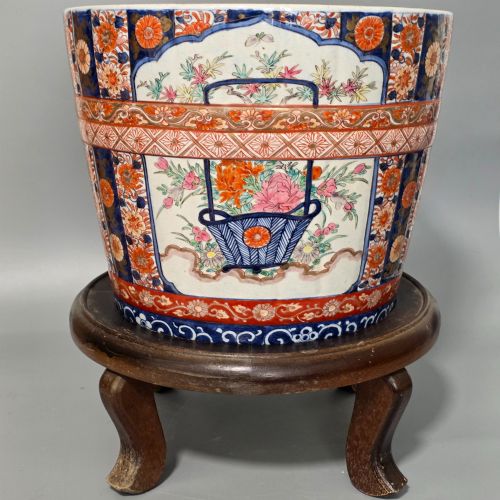
Forms span from heavy bronze bowls bearing dragon motifs to blue and white porcelain vases and Imari jardinieres. Buyers encounter various iterations including champleve enamel planters and wooden hibachi adapted for botanical use.
How they were made
Metal vessels rely on bronze casting, utilising patinated finishes, champleve enamel work, and polished brass surfaces to build texture and depth. Artisans also employed hand-painted glazes upon porcelain, stoneware, and ceramic bodies.
Wooden components involve ebonised finishes and carved hardwood construction, providing sturdy accompanying tables and stands for heavy metal bowls.
Japanese Planter Pot Retail Price Guide 2026
Typical asking prices for japanese planter pot among the pieces listed under this phrase on Sellingantiques today, from the lower quarter to the upper quarter. They describe what is for sale here now, not the wider market.
Some heavy bronze bowls weigh nearly three kilograms, proving that nineteenth-century plants required serious structural support.
What varies in quality
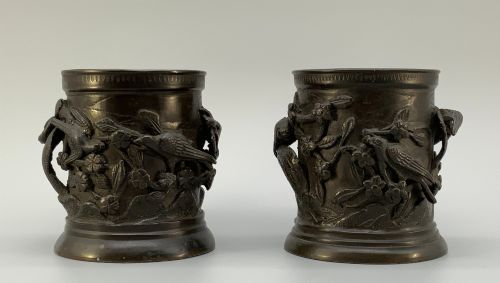
Quality separates objects by the crispness of cast bronze relief work, such as distinct bird and blossom details, versus soft or worn surface decoration. The weight of the metal and the complexity of the enamel or glaze define the upper tier of these vessels.
Porcelain examples diverge in the vibrancy of blue and white pigments and the refinement of the Imari palette applied across the body.
Makuzu Kozan II
The Japanese Planter Pot Glossary
- Jardiniere
- A large ornamental pot or bowl designed to hold a plant or flower arrangement. These vessels sit upon tables, plant stands, or directly on the floor.
- Meiji Period
- The era of Japanese history spanning from 1868 to 1912, characterised by opening trade and exceptional metalwork and ceramics.
- Imari
- A style of Japanese porcelain featuring underglaze blue and overglaze iron red, gold, and green. This palette creates rich, patterned surfaces.
- Champleve
- An enamelling technique where troughs are carved into metal and filled with vitreous enamel before firing.
Japanese Planter Pot: Frequently Asked Questions
What is a jardiniere?
A jardiniere functions as a decorative container for holding potted plants or cut flowers indoors. They offer a stable base and decorative exterior suitable for domestic display.
Historically, these vessels sat in reception rooms and parlours upon dedicated stands or tables. Today, they serve the same practical function while bringing period craft into a room.
How do I care for bronze planters?
Bronze requires gentle dusting with a soft cloth to protect the original patinated surface. Avoid harsh chemical cleaners that strip the metal.
Using a plastic liner inside the bronze bowl prevents moisture from sitting against the antique metal surface. This simple step preserves the interior condition of the vessel.
What is Meiji period metalwork?
Meiji period metalwork encompasses bronze and brass objects cast during the late nineteenth and early twentieth centuries. Artisans applied intricate surface details including relief birds, dragons, and floral motifs.
This era represents a peak in Japanese decorative arts exported to Western markets. The pieces demonstrate advanced casting and finishing techniques.
How do I use a hardwood plant stand?
Hardwood stands provide elevated platforms designed to display heavy bronze bowls and porcelain jardinieres safely. They lift the vessel off the floor to showcase the craftsmanship.
Placing the stand on a level surface ensures stability for heavier ceramic and metal pots. The wood grain complements the dark bronze and rich porcelain glazes.