
Japanese Oriental Urns
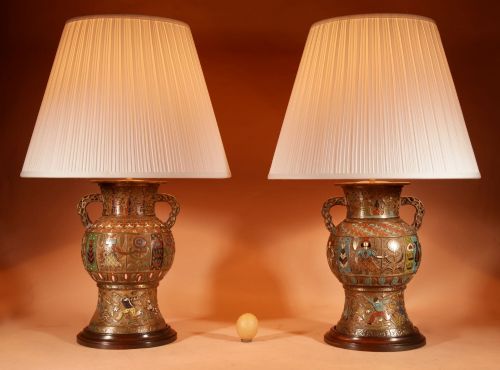
These japanese oriental urns bring together bronze, porcelain, and enamel work from the Meiji period and Victorian eras.
Japanese Oriental Urns
When you search for japanese oriental urns, you encounter bronze vessels, porcelain vases, and lidded jars dating from the nineteenth and early twentieth centuries. These forms include floor-standing items, ginger jars, and pairs created during the Meiji and Taisho periods.
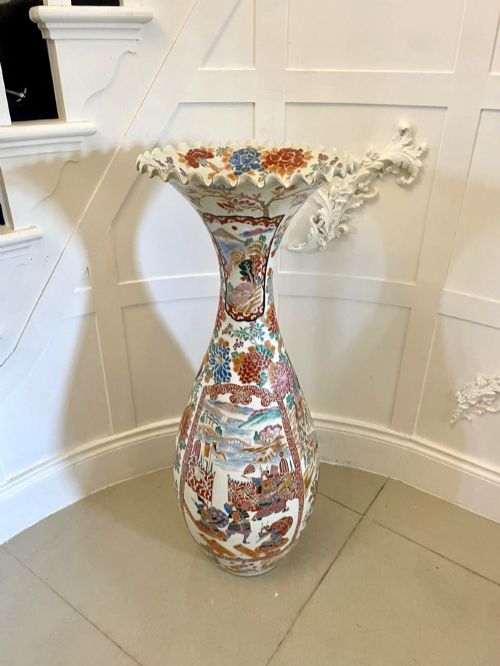
Originating largely from late Victorian, Edwardian, and Meiji production years, these objects reflect Japanese export trades and domestic decorative arts. They range from small fifteen-centimetre cabinet pieces to large floor vases.
How they were made
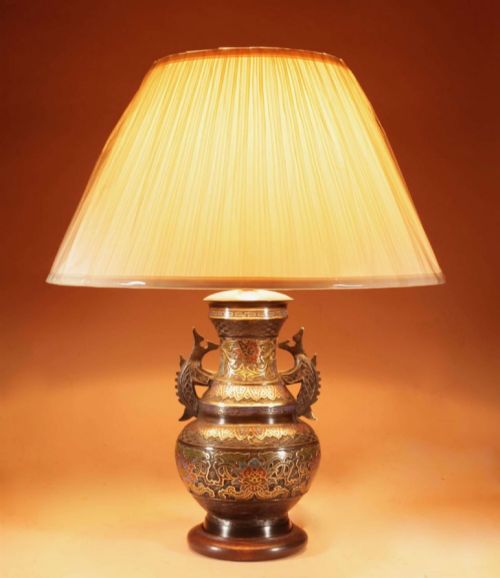
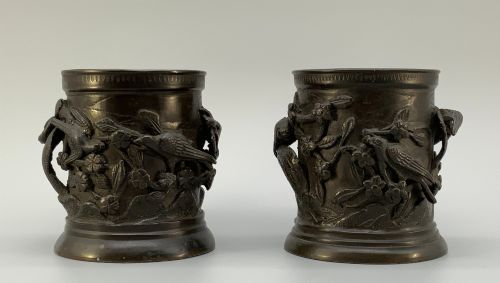
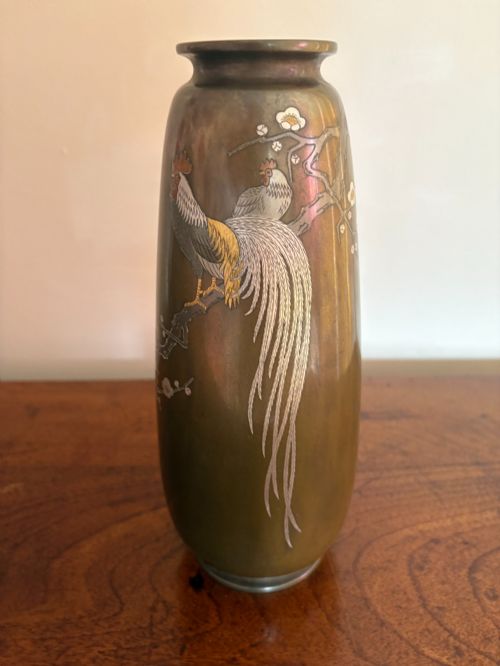
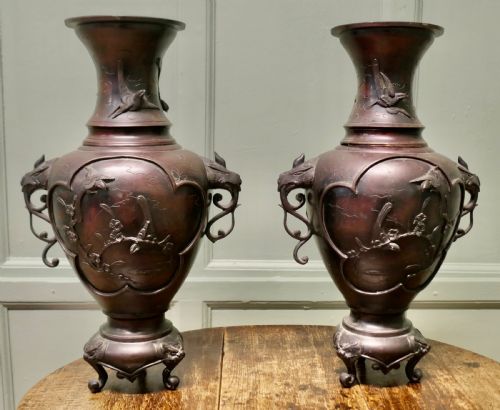
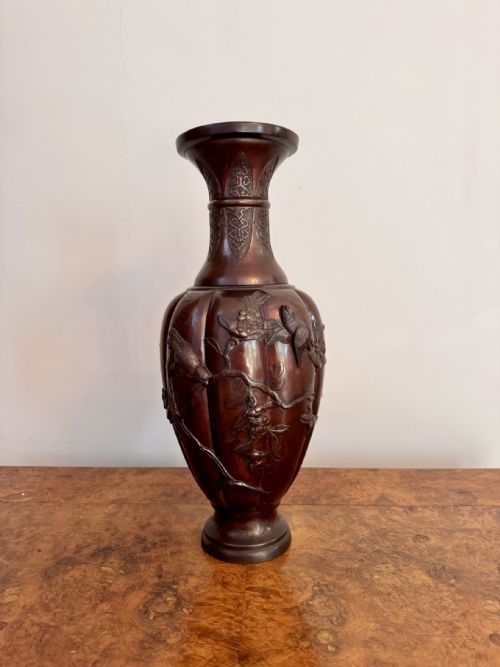
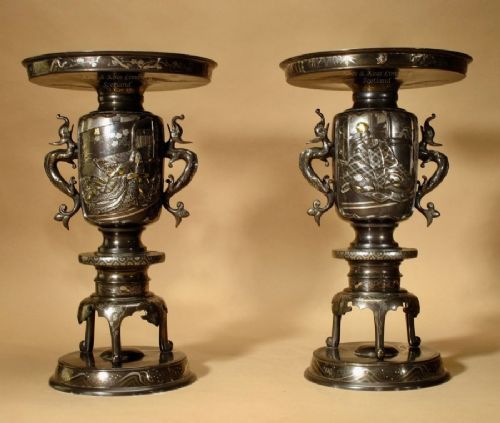
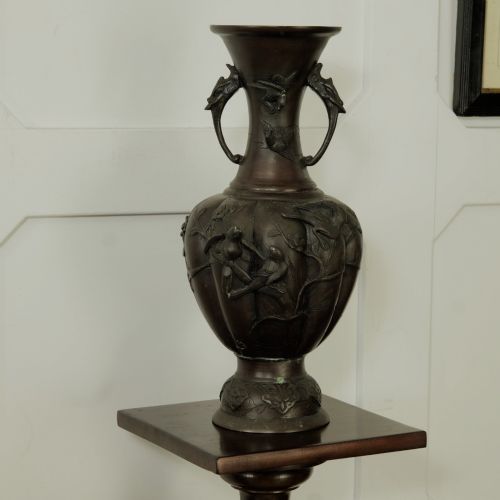
Bronze and brass casting combined with inlay techniques form the foundation of the metalwork vessels. Makers utilised bronze bodies decorated with applied gold leaf, silver, and contrasting metal inlays to render birds, blossoms, and figures.
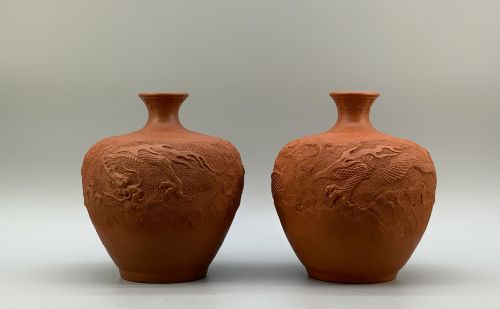
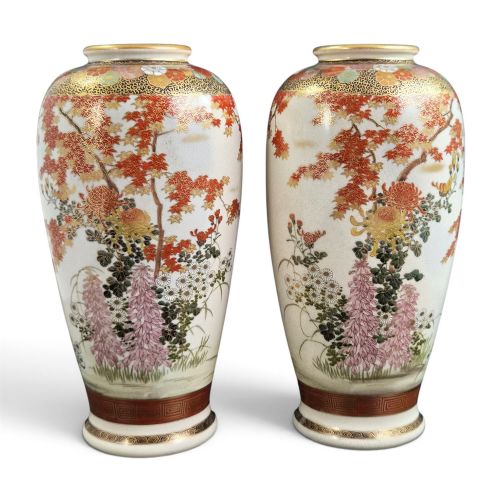
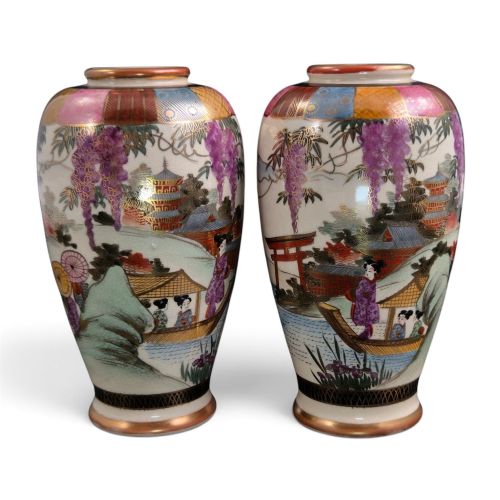
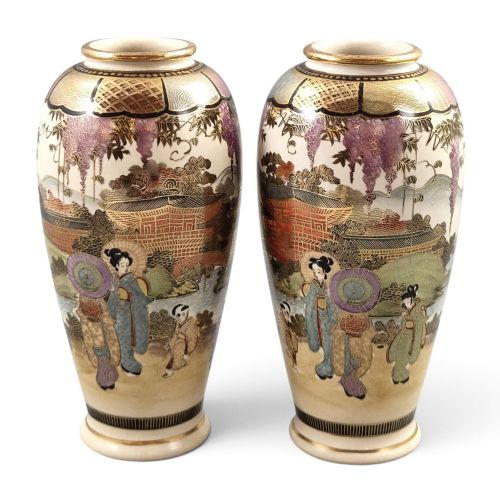
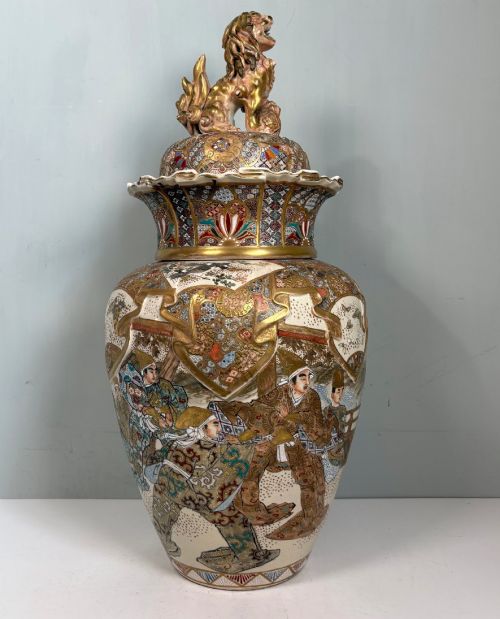
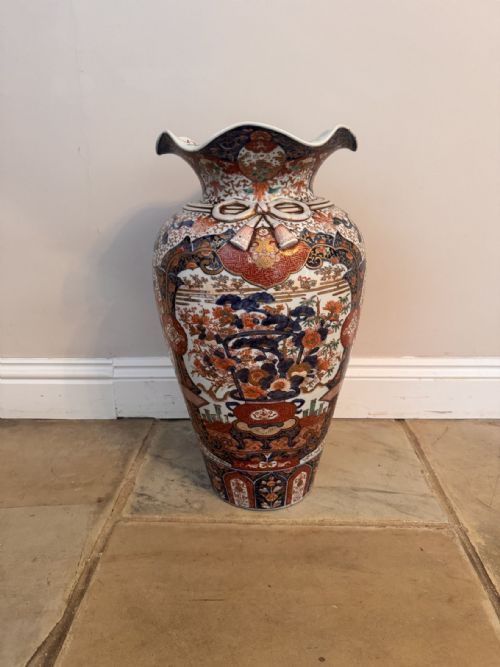
Ceramic bodies span porcelain, red clay, and earthenware, fired and painted with enamel colours. Satsuma wares employ a characteristic crackle-glaze earthenware base painted with detailed figural scenes and floral motifs, while Imari wares utilise iron-red and cobalt-blue underglazes.
Listings span the nineteenth and twentieth centuries, encompassing Victorian, Edwardian, Meiji, and Taisho periods.
What varies in quality
The depth of detail in the hand-painted enamel and the precision of the bronze casting define the standard of a piece. Finer examples display meticulous brushwork on Satsuma figures and crisp, secure inlays on bronze surfaces.
Scale and proportion also separate average production from exceptional works. Large floor-standing vases and balanced garnitures require greater technical control during the firing and casting processes.
Maruni Kobe·Kanasawa·Shozan·Manpei
The Japanese Oriental Urns Glossary
- Meiji Period
- The era in Japanese history spanning from 1868 to 1912, associated with rapid artistic production for export. Many bronze and ceramic pieces on this page originate from these decades.
- Satsuma
- A type of earthenware originating from Satsuma Province, featuring an ivory-coloured, crackled glaze. It serves as a ground for elaborate polychrome and gilt decoration.
- Imari
- A style of Japanese porcelain named after the port of export, characterised by a palette of cobalt blue, iron red, and gold. These pieces often display dense botanical and geometric patterns.
- Champleve
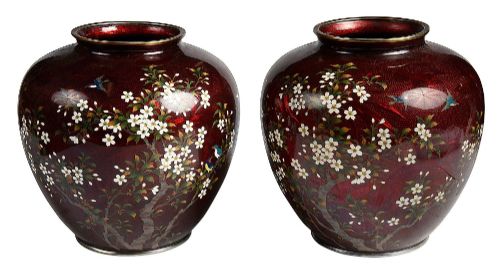
- An enamelling technique where troughs or cells are carved into a bronze or brass surface and filled with enamel paste before firing. This method creates raised metallic outlines around coloured designs.
- Garniture
- A set of matching vases or jars designed to be displayed together on a mantelpiece or sideboard. They typically comprise three or more matching ceramic vessels.
Japanese Oriental Urns: Frequently Asked Questions
What are japanese oriental urns used for?
These vessels functioned primarily as decorative display items within traditional interiors, often placed on mantelpieces, tables, or directly on the floor. Many large examples and lidded jars were designed simply to showcase ceramic or bronze artistry.
Over time, some of these urns and vases underwent conversion into table lamps, integrating electrical fittings while retaining their original ceramic or bronze bodies for domestic lighting.
How do I date a meiji period vase?
Dating relies on stylistic markers, reign marks, and the historical context of Japanese export production between 1868 and 1912. Pieces marked from the Meiji period reflect specific manufacturing methods and decorative themes popular during that reign.
Later items often carry Taisho or early Showa period designations, showing subtle shifts in glaze composition and painting styles compared to nineteenth-century examples.
What is the difference between satsuma and imari?
Satsuma wares consist of an earthenware body covered in a distinctive ivory crackle glaze, painted by hand with detailed figural scenes, landscapes, and heavy gilding. They are tactile, porous-looking ceramics designed for decorative display.
Imari pieces are hard-paste porcelains decorated in underglaze blue and iron-red enamel, frequently accented with gold. They present a smoother, vitrified surface with symmetrical geometric and floral patterns.
How do I care for antique bronze vases?
Bronze and brass surfaces require minimal intervention to preserve their historic patination and inlaid details. Dust them gently with a dry, soft cloth and avoid chemical metal cleaners that strip the finish.
Keep them away from direct sunlight and sources of moisture to protect any applied gold leaf, enamel work, or inlaid metal sections from deterioration.