
Japanese Oriental Antiques
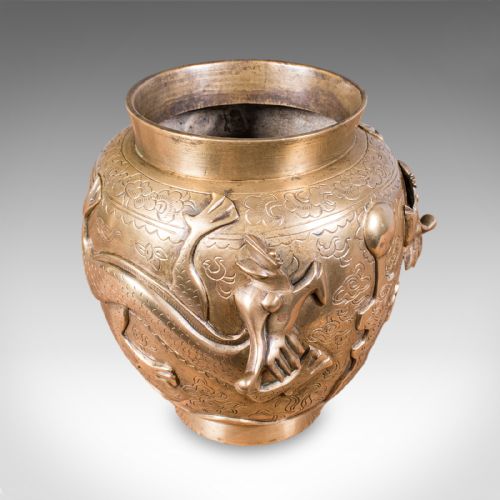
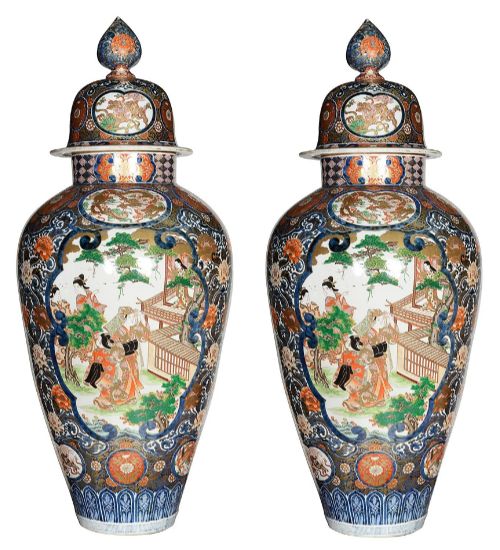
Japanese oriental antiques encompass a rich variety of bronze sculptures, Imari porcelain vases, and intricate lacquer cabinets from the Meiji, Edo, and Taisho periods.
Japanese Oriental Antiques
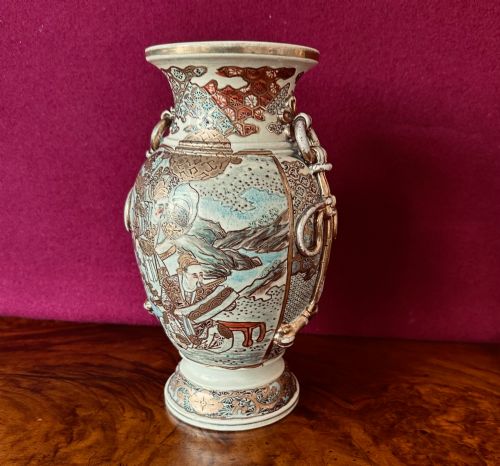
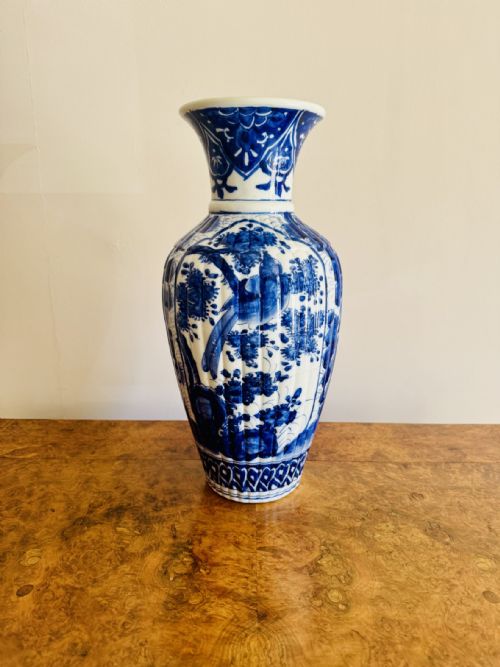
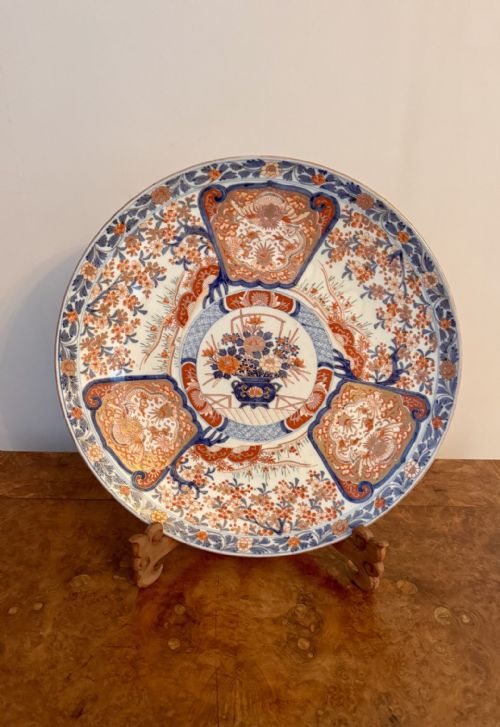
Japanese oriental antiques comprise decorative objects and furnishings originating from East Asia, predominantly spanning the 17th to the early 20th centuries. Buyers searching for japanese oriental antiques will most frequently encounter Meiji period bronze vases, Satsuma pottery, and Imari porcelain chargers on this page.
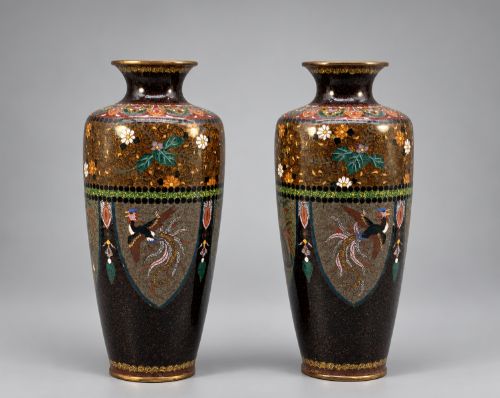
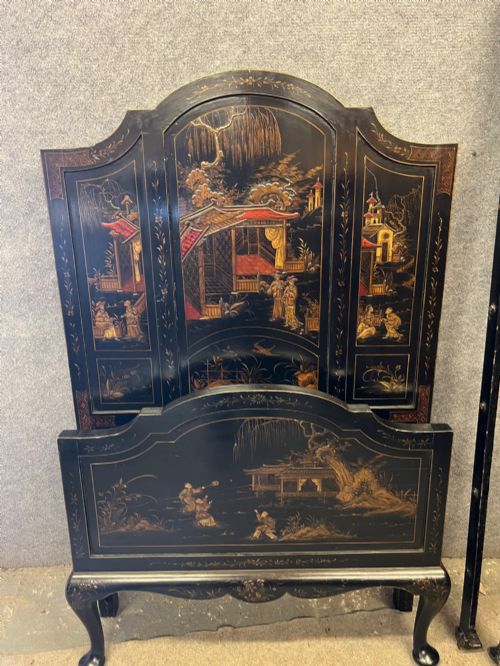
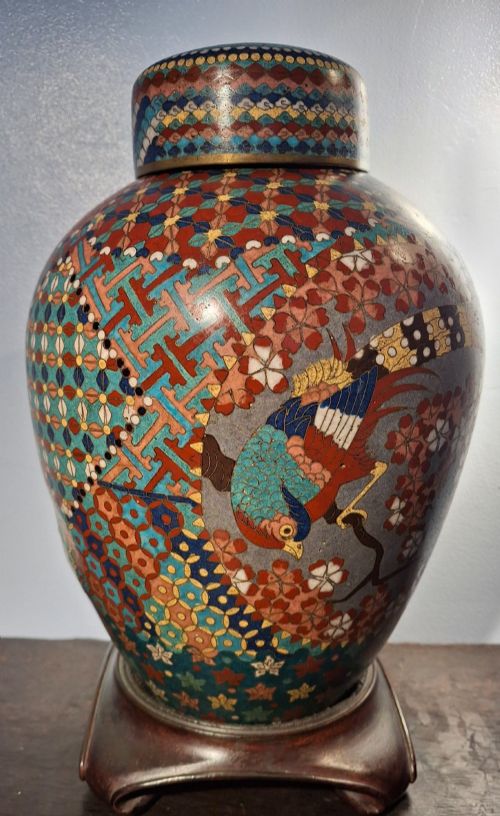
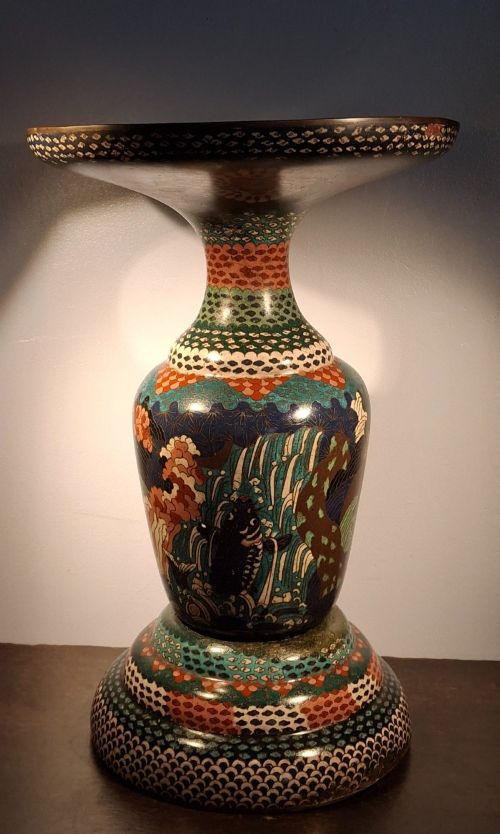
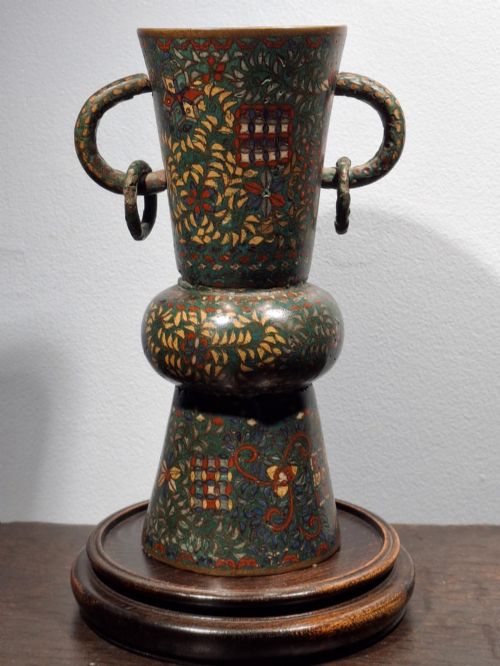
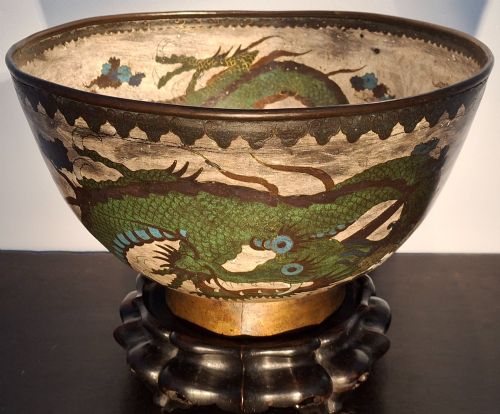
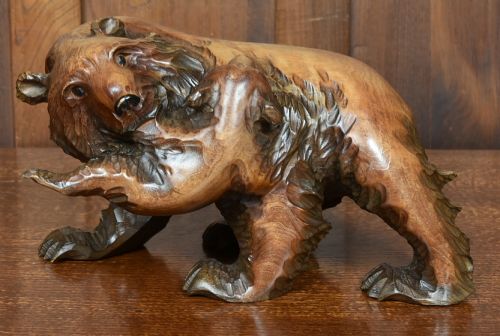
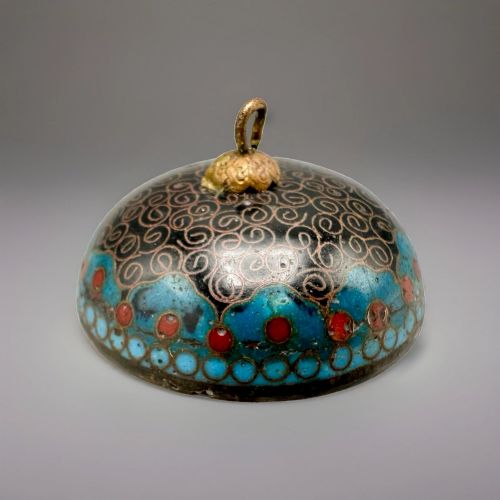
The material selection ranges from patinated bronze and cloisonné enamel to carved red clay, lacquer, and woodblock prints. These pieces vary from large floor-standing vessels and table cabinets to intricate okimono sculptures depicting figures, birds, and landscapes.
Originating across historical eras such as the Edo, Meiji, and Taisho periods, these works demonstrate traditional craftsmanship associated with regional centres like Kutani and Satsuma. Collectors find utilitarian items such as lidded jars alongside purely decorative folding screens and table screens.
How they were made
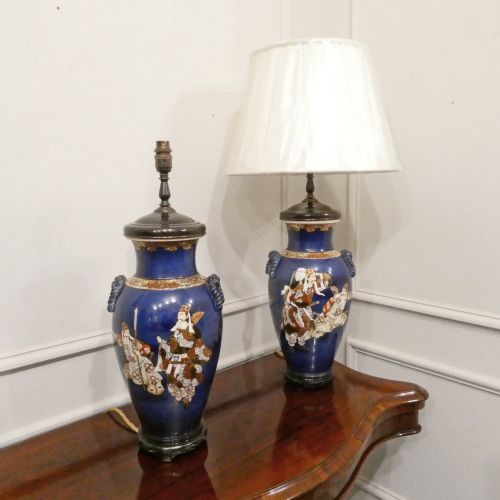
Bronze and metalwork pieces utilise casting and patination techniques, often incorporating inlaid mixed metals, silver, and gold leaf to create detailed surface textures. Artisans manipulate these metals to form figures, vessels, and floor lamps with high durability.
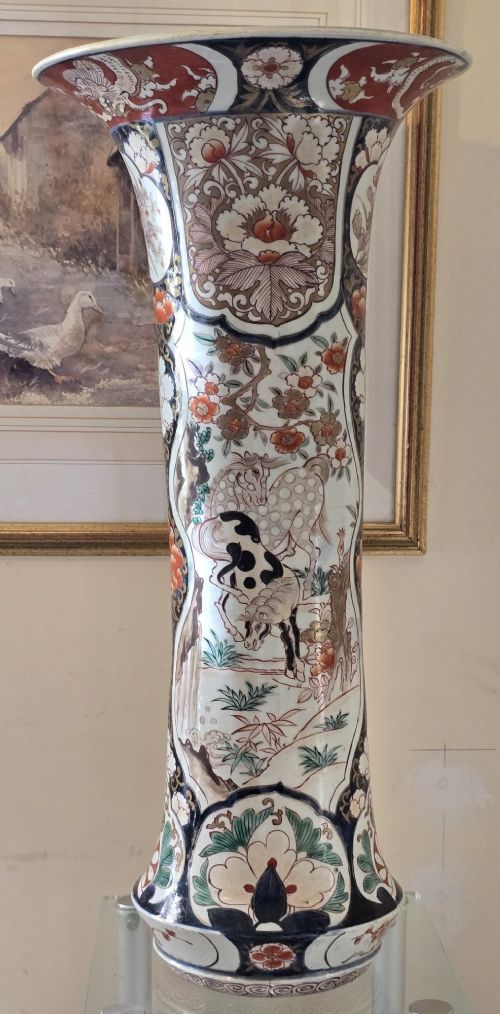
Ceramics such as Imari porcelain, Kutani dishes, and Satsuma earthenware involve throwing or moulding clay, followed by hand-painting with mineral pigments and glazes. Many ceramic items receive subsequent firing to set intricate floral, avian, or figural compositions.
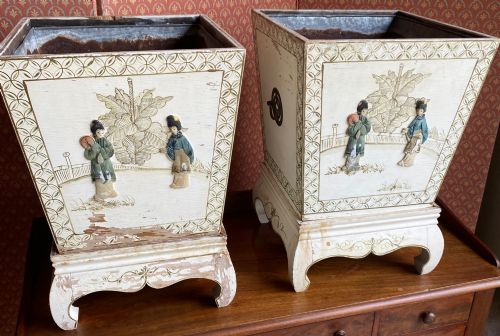
Lacquerware and wood-based items employ layers of natural tree sap applied to timber bases, frequently decorated with carved bone, mother-of-pearl inlay, or gold dust. Woodblock prints rely on hand-carved blocks pressed onto paper to produce sharp, multi-coloured pictorial designs.
Scholarly monkeys and dragons occasionally join feathered geese and hawks across these bronze and ceramic pieces.
What varies in quality
The finesse of hand-carving and painted detail distinguishes superior items from simpler production pieces, particularly visible in the precision of Satsuma facial expressions and Cloisonné enamel wirework. Master artisans achieved tighter symmetry and more complex pictorial depth than standard workshops.
Material selection and structural weight dictate the calibre of metalwork and lacquerware, where substantial bronze casting and deep, unblemished lacquer layers indicate higher grade construction. Surface patination integrity and the preservation of original inlay elements preserve the intended visual impact of the maker.
Maruni Kobe·Maples and Co·Shozan·KANASAWA
The Japanese Oriental Antiques Glossary
- Meiji Period
- A historical Japanese era spanning from 1868 to 1912. This period produced much of the decorative bronze, Satsuma pottery, and cloisonné enamel seen in antique collections.
- Imari
- A style of Japanese porcelain originating from the town of Arita. These pieces typically feature underglaze blue and iron-red designs.
- Okimono
- A small Japanese carved figurine or ornament designed for display on a shelf or table. They frequently depict animals, deities, or daily scenes.
- Satsuma
- A type of Japanese earthenware featuring a crackled ivory-coloured glaze and polychrome enamel decoration. Many Satsuma vases display intricate figures and floral motifs.
- Cloisonné
- An enamelwork technique where metal wire creates raised barriers on a bronze or copper base to hold coloured glass paste. Firing fuses the enamel into distinct decorative cells.
- Shibayama
- A decorative technique involving inlay on lacquer or wood using mother-of-pearl, ivory, bone, and tortoise-shell. It creates a relief effect on small cabinets and screens.
Japanese Oriental Antiques: Frequently Asked Questions
What is the Meiji period?
The Meiji period represents a transformative era in Japanese history lasting from 1868 to 1912. During this time, craftspeople produced exceptional metalwork, ceramics, and lacquer for both domestic and international markets.
Items from this period are distinguished by high technical precision and elaborate decorative motifs. They remain central to many antique collections today.
How do I identify Satsuma ware?
Satsuma ware is recognised by its distinctive crackled earthenware glaze and intricate enamel painting. These pieces often incorporate gilded highlights over floral or figural scenes.
Most surviving examples date from the late 19th and early 20th centuries. They range from cabinet vases to large decorative jars.
Where were Imari porcelains made?
Imari porcelains were produced in the town of Arita and exported through the port of Imari. They are easily identified by their deep blue and iron-red palette, frequently enhanced with gold.
These durable ceramics were created for functional use as well as display. Their robust construction has allowed many chargers and bowls to survive in good condition.
How should I clean antique bronze?
Antique bronze requires minimal intervention to preserve its original surface patination. Dusting with a soft, dry cloth is usually sufficient for regular maintenance.
Avoid using chemical polishes or water, which can damage patinas built up over centuries. Professional conservation advice should be sought for deep cleaning.