

Japanese Metalwork
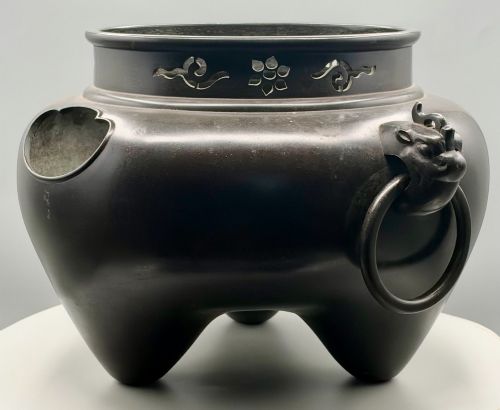
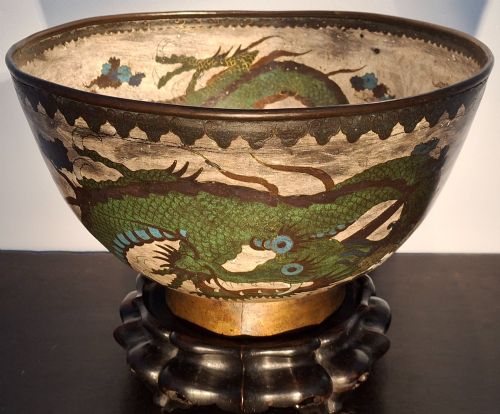
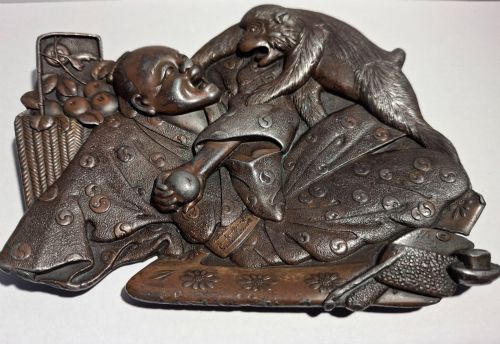
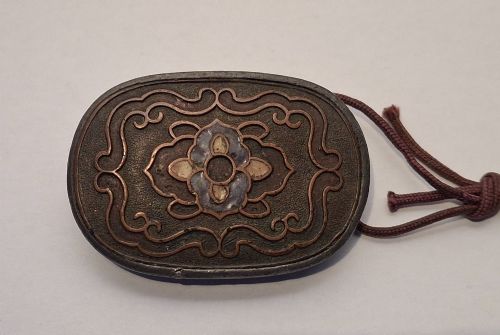
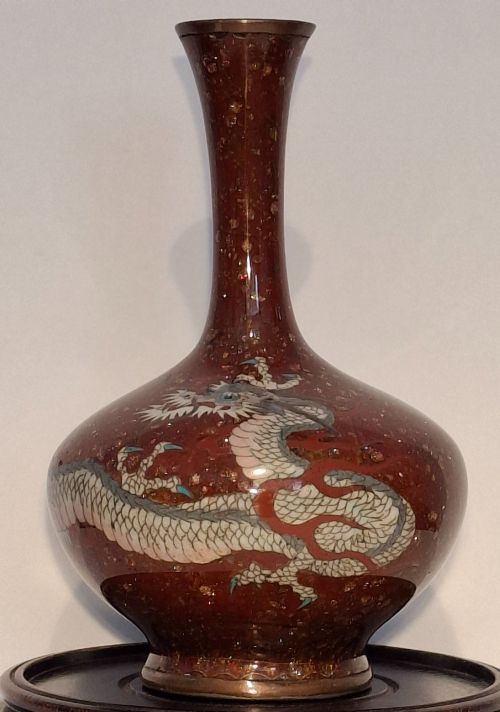
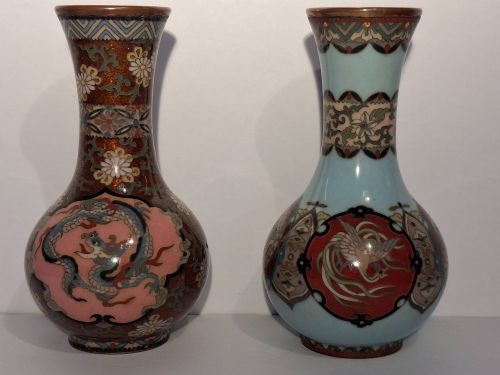
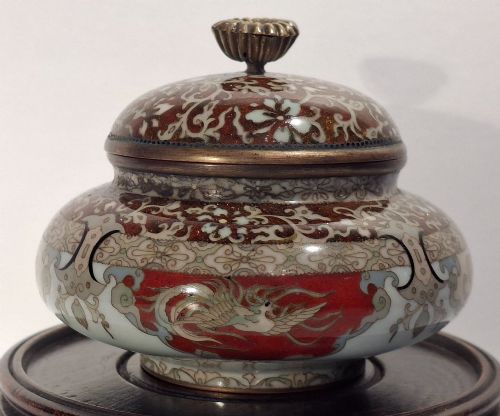
These pieces of japanese metalwork encompass intricate bronze sculptures, vibrant cloisonne enamel vessels and patinated trays from the nineteenth and early twentieth centuries.
Japanese Metalwork
Japanese metalwork covers a diverse selection of objects created during the Meiji, Edo and Taisho periods, ranging from functional vessels to purely decorative works of art. A buyer exploring this category encounters bronze vases, okimono sculptures, cloisonne enamel chargers and table lamps originating primarily from the late nineteenth and early twentieth centuries.
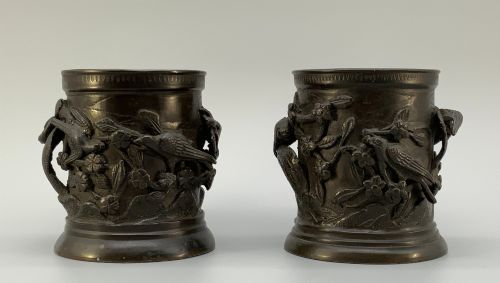
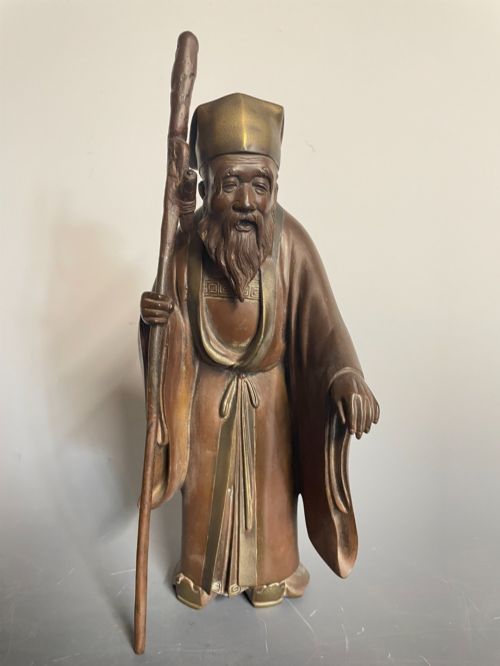
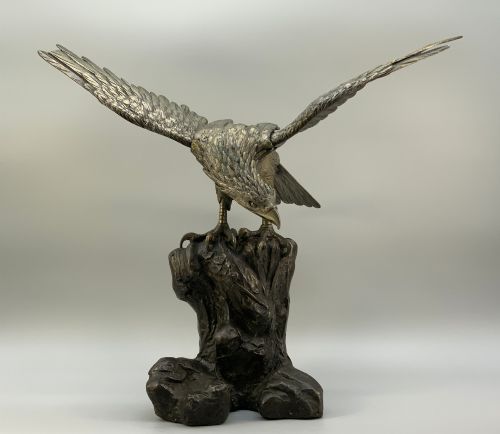
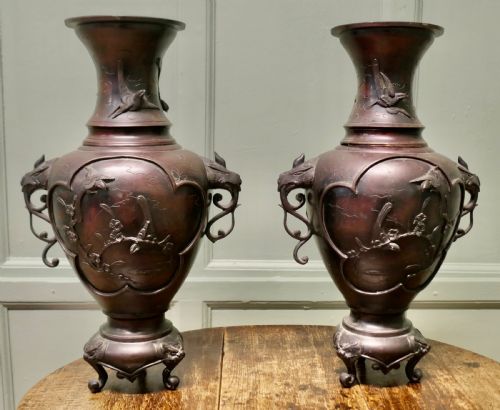
The most common items found on this page are patinated bronze vases and figural sculptures depicting animals, birds and human figures. These pieces reflect the high concentration of metalworking traditions flourishing in Japan during the Meiji era and subsequent decades.
Materials and techniques
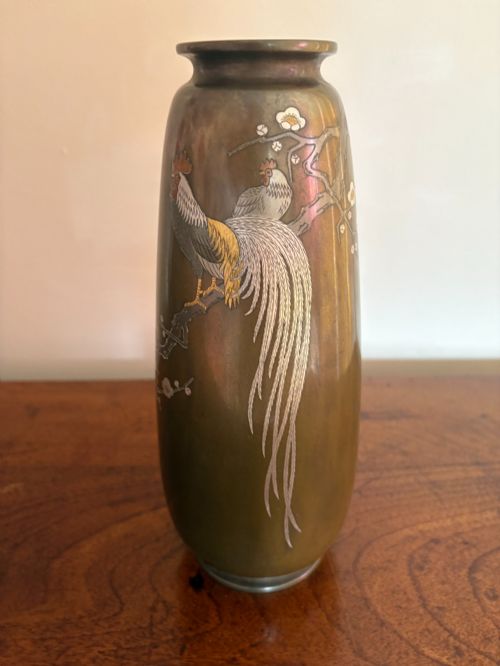
Makers utilised bronze, copper, brass and iron as the primary structural materials, often applying patination to achieve deep, rich surface tones. Precious metals like gold and silver appeared alongside enamel in inlay and overlay techniques to build detailed visual contrast.
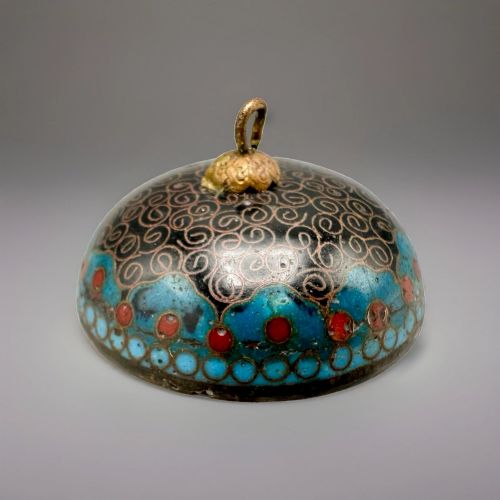
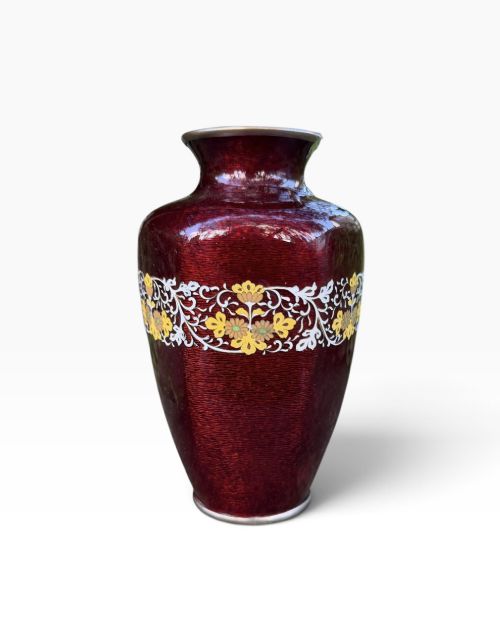
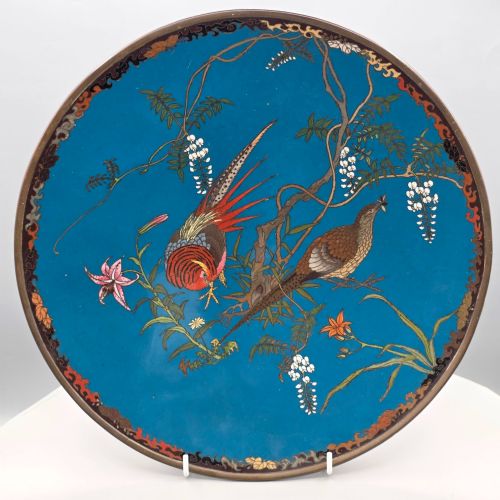
Cloisonne enamel pieces relied on fine wire partitions soldered to a metal base, creating cells filled with coloured glass paste and fired repeatedly. Takazōgan and related inlay methods allowed artisans to hammer contrasting metals directly into prepared surfaces for intricate pictorial designs.
Several bronze sculptures capture unlikely animal encounters, including elephants fighting tigers and a tarantula spider rendered with meticulous detail.
Craftsmanship and detail
The distinction between ordinary production and masterwork execution rests entirely on the precision of the detailing and the complexity of the technique. Finer pieces display exceptionally crisp casting, flawless enamel work without surface pitting, and seamless integration of mixed metals.
Artisans who achieved prominence signed their works or produced items for exhibitions, demonstrating superior control over patination and sculptural proportions. The depth of the relief and the fineness of the inlay separate standard decorative items from high-end artistic achievements.
Tsukamoto Hikokichi·KANASAWA·Jomi Eisuke·Kunio Itô·Tsunemitsu
The Japanese Metalwork Glossary
- Okimono
- A standalone Japanese display sculpture designed for placement in an alcove or on a cabinet. These decorative figures typically depict animals, mythical creatures or daily scenes.
- Cloisonne
- A decorative metalwork technique utilising wire cells attached to a base and filled with enamel paste. Artisans fire the piece multiple times to fuse the glass to the metal surface.
- Patination
- The chemical treatment or natural weathering applied to a metal surface to alter its colour. This process deepens the appearance of bronze and iron pieces over time.
- Takazogan
- A metalworking method involving high-relief inlay where contrasting metals project above the background plate. This technique creates a distinct tactile dimension on plaques and vessels.
- Ginbari
- A specialised cloisonne enamel method featuring a textured or foiled foil ground beneath translucent enamel. The underlying pattern reflects light through the coloured glass layer.
Japanese Metalwork: Frequently Asked Questions
How do I identify a Meiji period piece?
Meiji period items typically date between eighteen sixty-eight and nineteen twelve, reflecting a time of immense technical expansion in Japanese craftsmanship. Look for deep patinated bronzes and intricate mixed-metal inlays that characterise the era's output.
Signatures or marks on the base often point to specific workshops or master metalworkers active during this window. Comparing the complexity of the casting helps distinguish these pieces from later reproductions.
What is the difference between cloisonne and champleve?
Cloisonne involves soldering thin metal wires onto a solid metal base to form compartments that hold enamel paste. This method creates delicate, linear patterns across vases and trays.
Champleve, by contrast, relies on gouging or carving troughs directly into the thick metal plate to receive the enamel. The resulting design lines appear bolder and more integrated into the heavy metal body.
How should I care for antique bronze?
Antique bronze requires minimal intervention to preserve its original patinated surface and historical integrity. Dust the piece gently with a soft, dry cloth and avoid chemical polishes that strip away the aged finish.
Keep the items away from excessive moisture and direct sunlight to protect any inlaid elements or delicate enamel sections. Stable indoor humidity ensures the metal remains secure and untarnished.
What do okimono sculptures represent?
Okimono translate literally as置物, meaning placing objects for display in domestic interior spaces. Artisans carved or cast these sculptures to depict nature, folklore, and figures from everyday life with great realism.
Collectors prize them for capturing dynamic poses of animals, such as elephants, tigers, or monkeys. Their presence adds a narrative element to a collection of metalwork.