

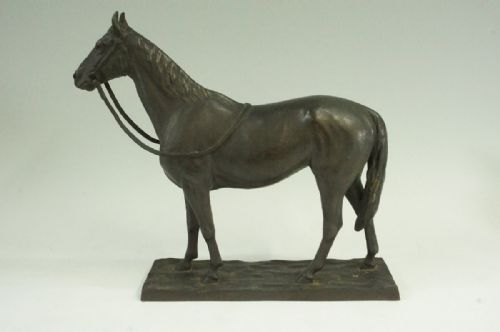


Japanese Metalwork Animal
Japanese metalwork animal figures bring sculptural life to your room through bronze, mixed metals and fine detail.
Japanese Metalwork Animal
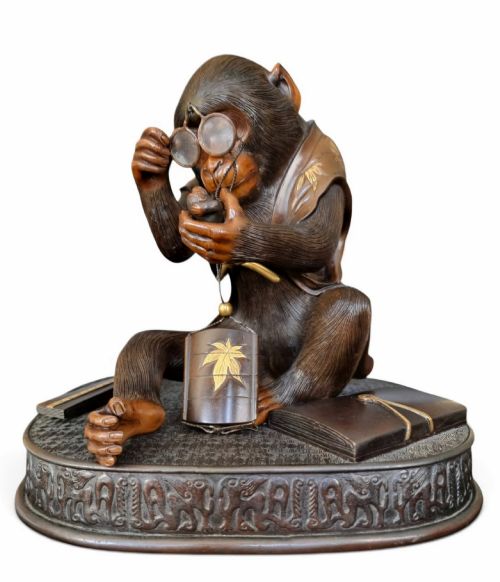
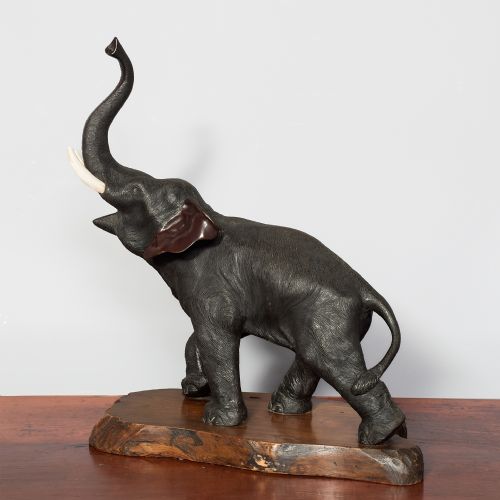
When you search for Japanese metalwork animal, you are looking at sculptural works shaped primarily during the Meiji period and the early twentieth century. These pieces capture subjects ranging from elephants and horses to monkeys, dogs and rats.
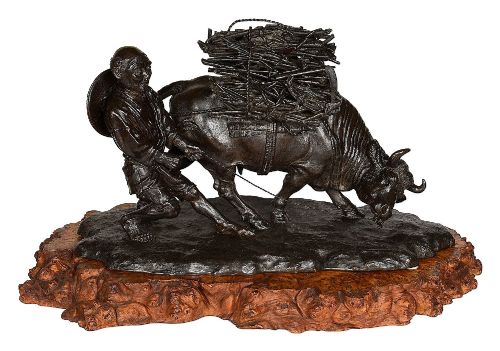
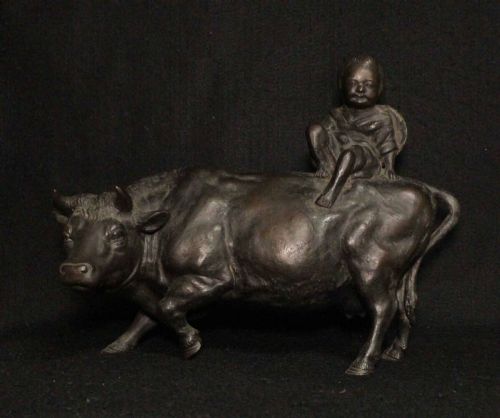
The most common form you will meet on this page is the bronze sculpture or okimono, often depicting a single animal or a domestic scene with a human figure. Materials stretch beyond bronze to include wood, bone and ivory accents.
Periods represented across the selection span the nineteenth century, the Meiji era, and into the Taisho and Showa periods. The grouping also includes occasional tabletop cabinets featuring bronze animal decoration.
Materials and methods
Makers utilised bronze as the primary medium for these animal sculptures, often enriching the surface with gold inlay and mixed metals. Copper provides another distinct tonal variation across the works.
Complementary materials appear alongside the metalwork, including bone and ivory for tusks and eyes, as well as wood and burr wood for bases and cabinet structures.
Japanese Metalwork Animal Retail Price Guide 2026
Typical asking prices for japanese metalwork animal among the pieces listed under this phrase on Sellingantiques today, from the lower quarter to the upper quarter. They describe what is for sale here now, not the wider market.
Materials recorded across the selection include bronze, copper, mixed metals, gold inlay, bone, ivory, wood and burr wood.
Judging the quality
Quality rests upon the precision of the casting and the subtlety of surface detailing, such as the rendering of fur, muscle and expression. Pieces that incorporate complex mixed-metal elements or diamond eyes demonstrate higher ambition.
The presence of a signature from a known foundry or artist, such as Kunio Itô or Sakai Kōzan, distinguishes individual masterworks from unsigned production.
Kunio Itô·Tokyo Foundry·Sakai Kōzan
The Japanese Metalwork Animal Glossary
- Okimono
- A Japanese term for a stand-alone decorative object or sculpture meant for display on a shelf or tabletop. These figures range from single animals to complex figural groups.
- Meiji Period
- The era in Japanese history lasting from 1868 to 1912, characterised by a surge in artistic production and metalworking skill directed toward export markets. Much of the finest decorative bronze dates from this time.
- Mixed Metals
- A technique involving the combination of different metallic alloys, such as copper, bronze and brass, to create contrasting colours and surface patterns. This method adds visual depth to animal sculptures.
- Showa Period
- The period of Japanese history running from 1926 to 1989, which followed the Taisho era. Works from this time continue traditional casting techniques while reflecting twentieth-century aesthetic shifts.
Japanese Metalwork Animal: Frequently Asked Questions
What is a Japanese okimono?
An okimono is a decorative standalone sculpture designed for display on a table or cabinet.
These pieces were produced in large numbers during the Meiji period for both domestic and foreign collectors.
How do I date a bronze animal?
Dating relies on stylistic markers, period attribution and signatures from specific foundries or makers.
Most examples on this page point toward the late nineteenth and early twentieth centuries.
Where should I display these sculptures?
These pieces suit placement on flat surfaces such as tables, desks and display cabinets.
Ensure they sit away from direct moisture to protect the bronze and mixed-metal surfaces.
What materials are used besides bronze?
Makers frequently incorporated gold inlay, copper and mixed metals to create varied surface tones.
Some sculptures also feature bone, ivory, wood and burr wood elements.