



Japanese Metal Vessel
A Japanese metal vessel brings the refined metalwork of the Meiji and Edo periods into your interior through bronze, copper, and cloisonné enamel.
Japanese Metal Vessel
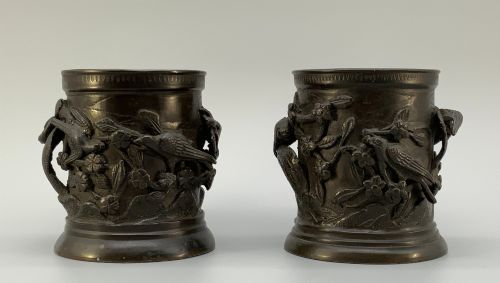
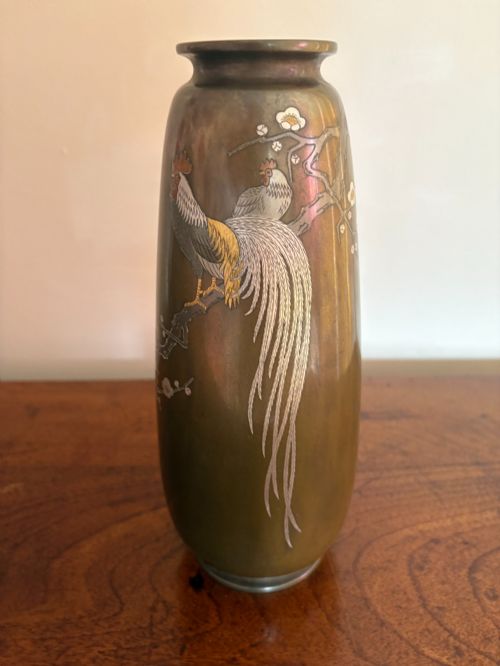
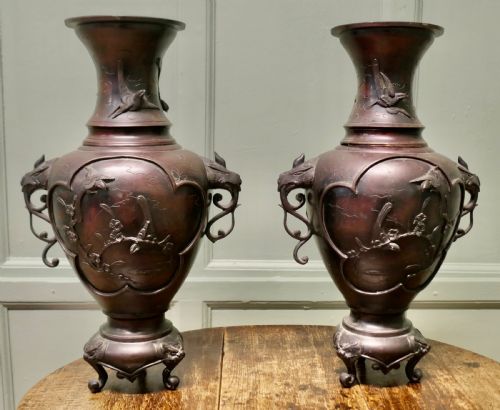
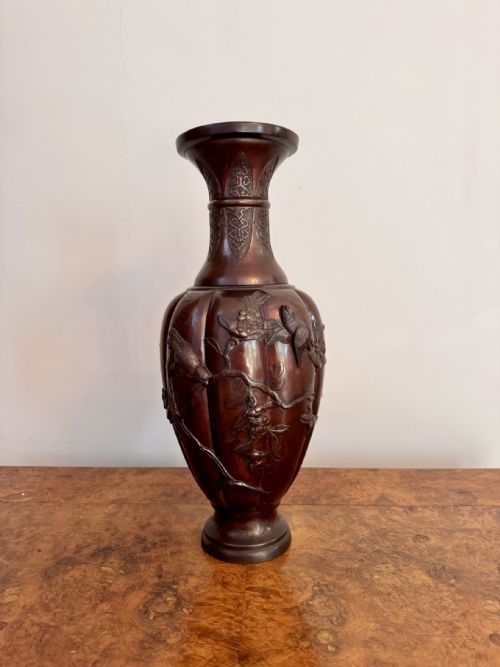
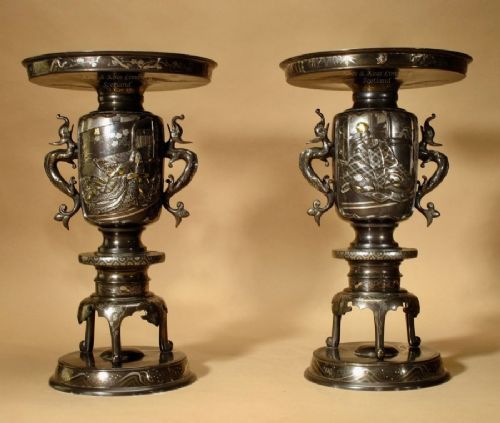
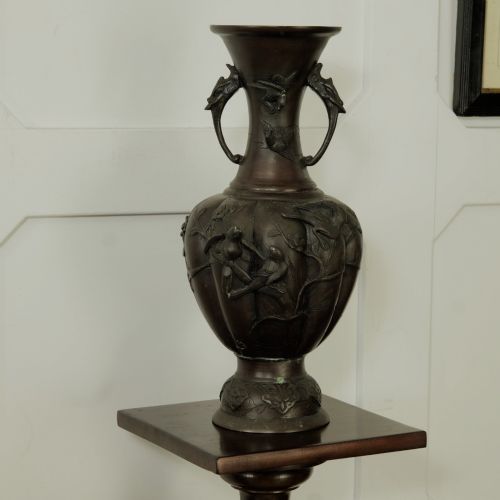
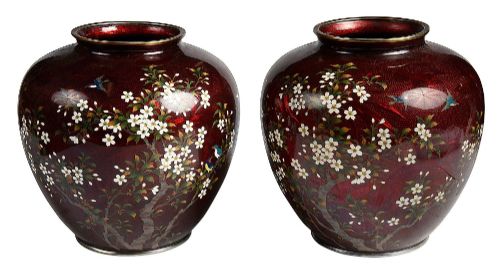
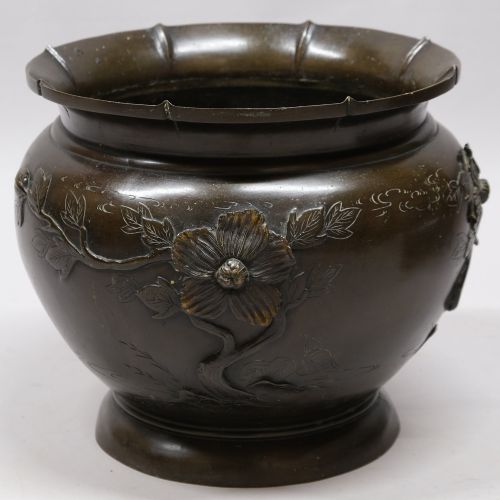
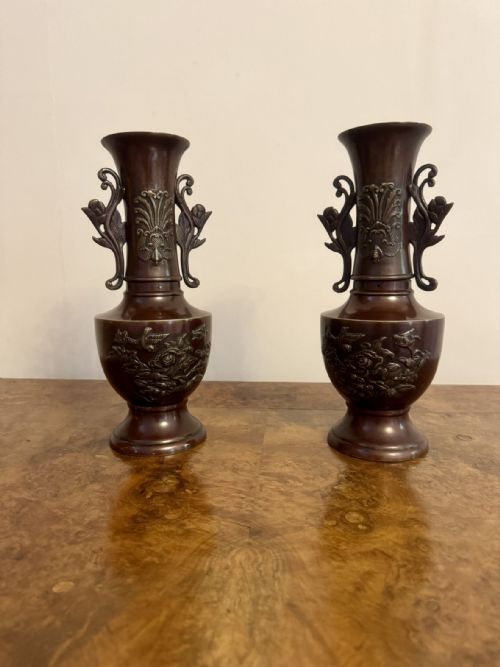
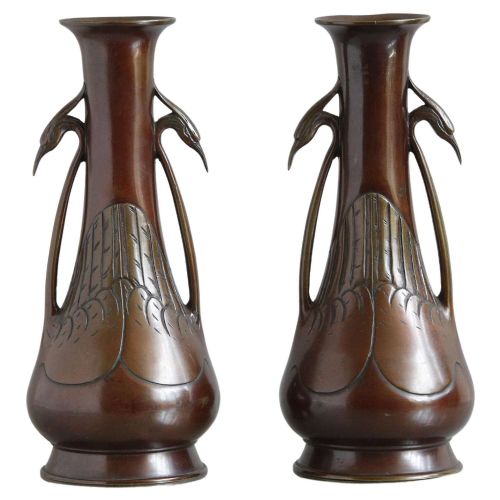
A Japanese metal vessel encompasses functional and decorative forms such as vases, incense burners, jardinieres, and sake kettles created across the nineteenth and twentieth centuries. Buyers frequently encounter bronze vases and cloisonné enamel pieces originating from the Meiji and Edo periods.
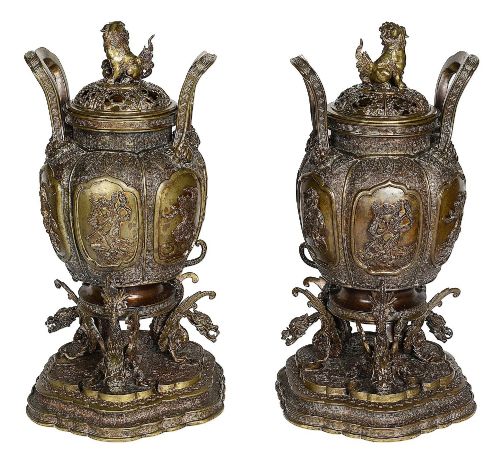
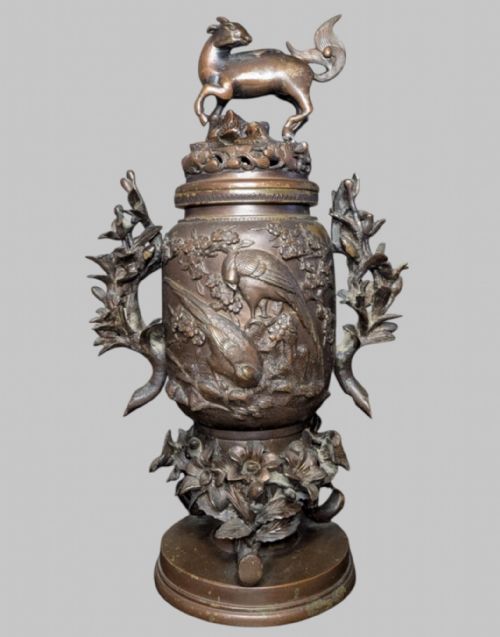
Makers shaped these items into specific vessels including lidded urns, stem vases, and temple water dispensers. The selection ranges from compact koro incense burners to monumental garden urns and usubata.
Examples often display specific cultural motifs like birds, blossoms, dragons, and koi fish. These items reflect the traditional metalworking skills passed down through Japanese workshops.
Materials and Techniques
Makers utilised bronze, copper, and brass as the foundational metals for casting and shaping vessels. Patinated surfaces and mixed metal applications provide depth and textural contrast to the body of the work.
Cloisonné and champlevé enamel techniques introduce vibrant colour through glass pastes fused within wire compartments or carved troughs. Artisans also incorporated wood and silver elements into handles, lids, and decorative mounts.
Some lidded incense burners feature tiny sculpted goats acting as delicate finials on top.
Judging Quality
Superior examples display precise casting, clean chasing, and tightly controlled enamel work without surface pitting. The crispness of inlaid details and the depth of patination distinguish masterworks from standard production pieces.
Proportion and structural balance govern the success of larger forms like temple vases and jardinieres. Artisans who achieved harmonious composition and secure fit in lidded vessels created lasting quality.
KANASAWA·Tamura Yukio·Kibundo
The Japanese Metal Vessel Glossary
- Cloisonne Enamel
- A technique where thin metal wires are soldered to a metal base to form cells that are filled with enamel paste and fired. This method creates intricate patterned designs across the surface of a vase or bowl.
- Koro
- A traditional Japanese incense burner typically supported on three legs and fitted with a pierced lid. These vessels allow scented smoke to escape during burning.
- Tetsubin
- A traditional Japanese cast iron kettle used for boiling water. Kyoto workshops produced notable examples featuring textured exteriors and specialised handles.
- Usubata
- A distinct bronze vessel designed for formal Japanese flower arrangements featuring a wide flat rim and a columnar body. These containers hold water and anchor plant stems.
- Champleve
- An enamelling technique where troughs or cavities are carved directly into the thick metal body and filled with enamel. The remaining metal walls form the outlines of the design.
Japanese Metal Vessel: Frequently Asked Questions
How do I care for a bronze vessel?
Keep metal vessels away from direct sunlight and damp environments to preserve the original patina. Dust the surface gently with a dry, soft cloth without applying cleaning chemicals.
Avoid polishing antique bronze unless specifically required, as removal of the patina reduces historical integrity. Natural oils from hands can also mark the metal, so handling with clean gloves is advisable.
What is a koro used for?
A koro functions as a traditional incense burner designed for burning aromatic woods or resins. The pierced lid allows the scented smoke to disperse evenly through the room.
Beyond functional use, these vessels served as decorative objects on altars or display alcoves. Their sculptural forms often incorporate animal finials like goats or lions.
How do I distinguish Meiji and Edo periods?
Edo period metalwork from the seventeenth to nineteenth centuries often emphasises restrained archaistic forms and subtle patination. These pieces connect closely to earlier continental styles and scholarly tastes.
Meiji period items from 1868 onwards frequently showcase highly detailed mixed metal inlay, complex cloisonné, and ambitious scale. The opening of trade during this era encouraged greater technical experimentation and decorative elaboration.
Where should I display a large jardinier?
Large jardinieres and temple urns require stable surfaces that can support considerable weight, especially when filled with plants or water. Floor placement or sturdy pedestals suit monumental garden pieces.
Ensure the location protects the vessel from accidental knocks that might damage patinated bronze or delicate enamel inlays. Good natural light helps highlight the raised relief and mixed metal details.