



Japanese Meiji Bronze Okimono
These japanese meiji bronze okimono sculptures represent a peak of metalworking skill, designed for display in domestic interiors during a period of rapid artistic opening.
Japanese Meiji Bronze Okimono
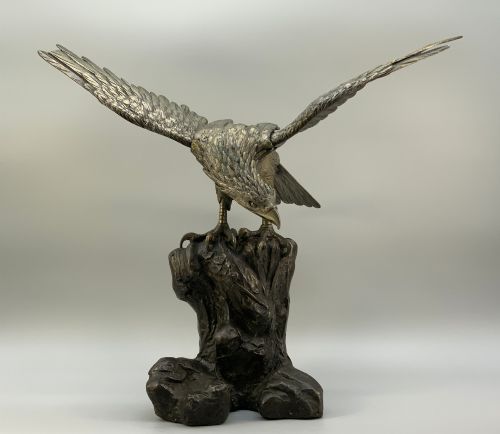
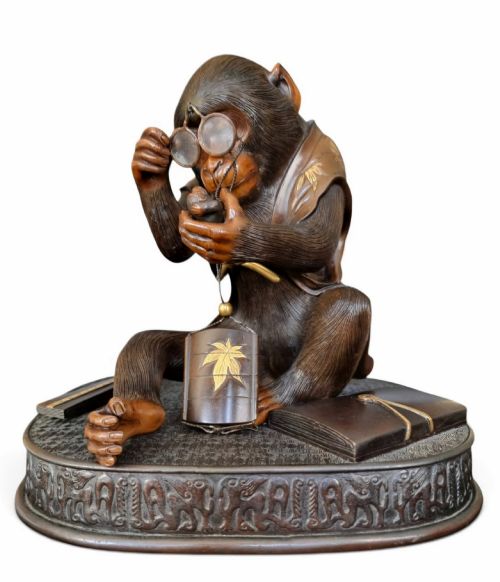
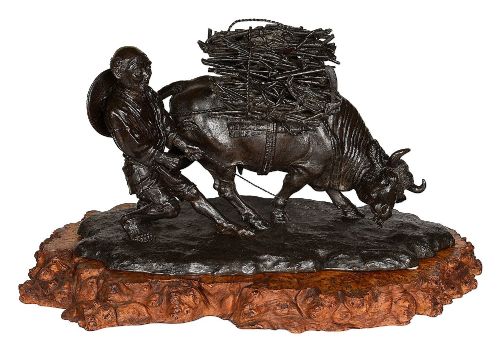
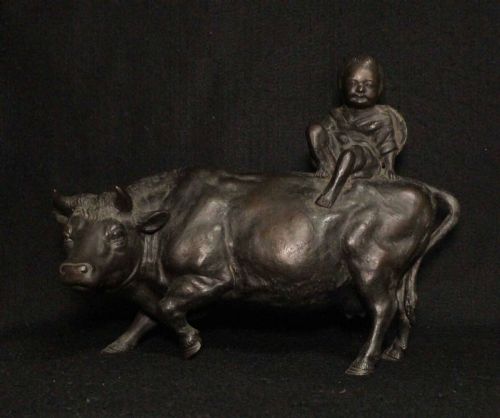
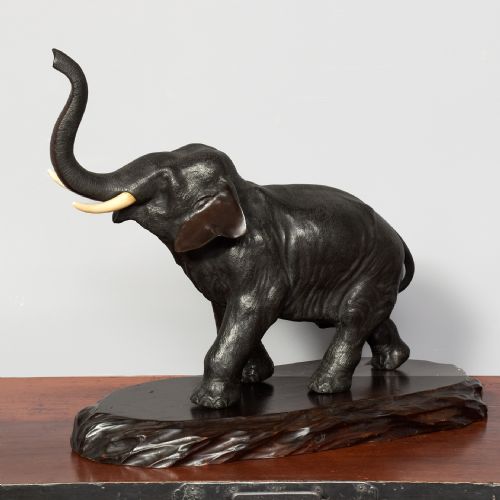
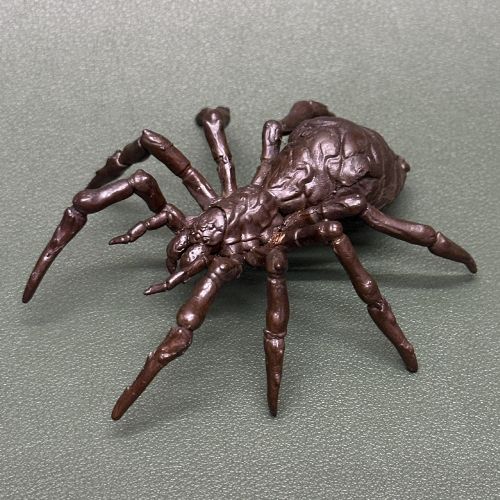
A japanese meiji bronze okimono typically takes the form of an animal, human figure, or mythical creature created for ornamental display rather than religious ritual. Common animal subjects range from fierce predators like tigers and eagles to meticulous insects, amphibians, and domestic scenes involving oxen or monkeys.
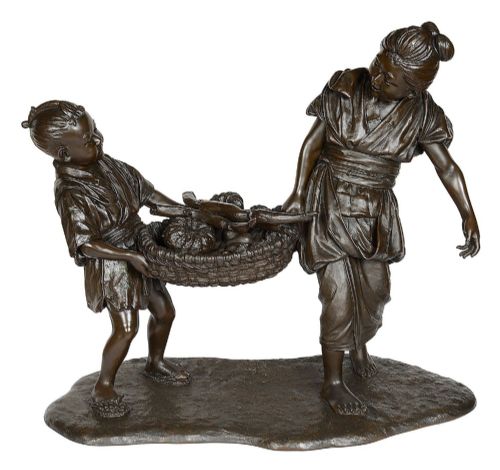
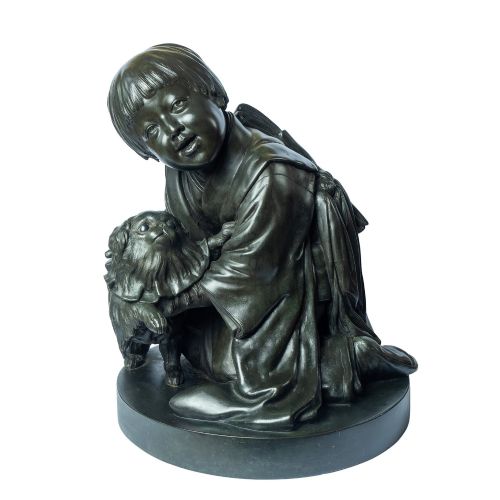
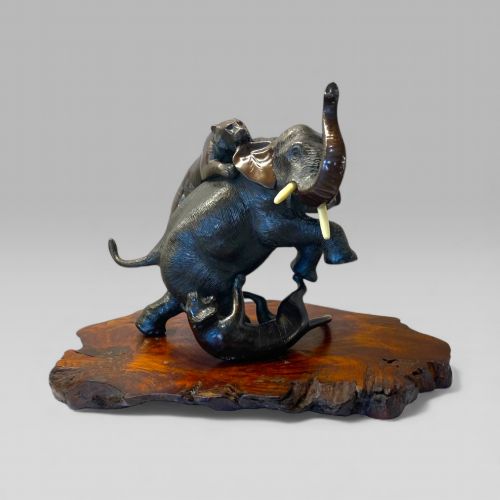
Human figures include scholars, laborers, musicians, and deities from Japanese folklore, often captured in narrative moments like an elephant struggling with tigers. Pieces appear as standalone sculptures, garden statuary, vases, and occasional articulated models designed to move realistically.
Materials and construction
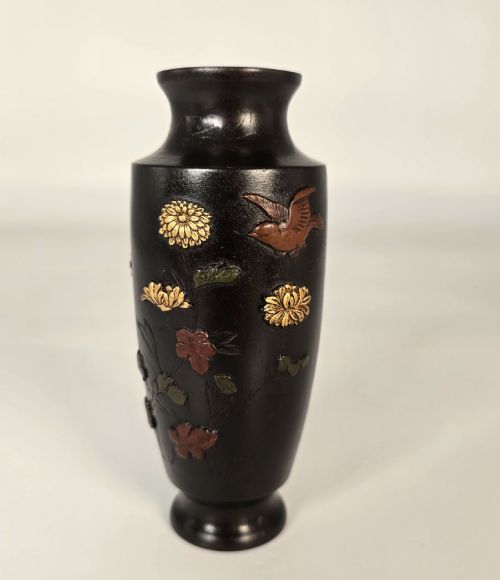
Makers utilised cast bronze, patinated bronze, and silvered bronze, frequently incorporating contrasting metals through gold inlay, shakudo, and mixed-metal details. Natural elements such as wood bases, ivory, bone, and stone appear as supportive components for standing figures and animals.
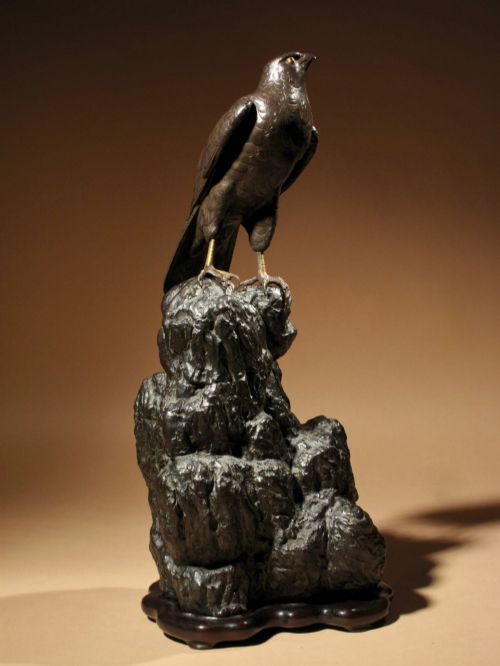
Casting methods allowed for high fidelity in surface texture, from the craggy rocks beneath a hawk to the carapace of a beetle or the folds of elephant skin. Articulated specimens required segmented metal plates joined internally to permit movement in limbs and tails.
Object forms range from small tabletop beetle figures to lifesize garden geese and multi-animal combat groups.
Assessing craftsmanship
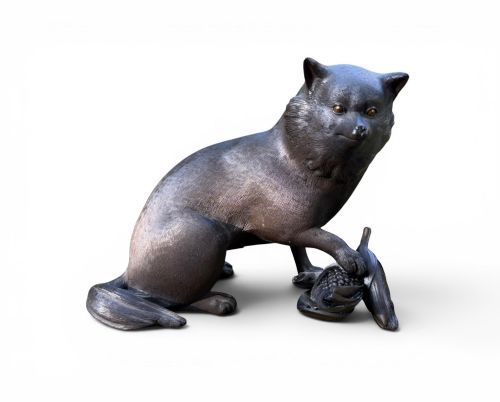
Quality separates in the precision of anatomical observation and the subtlety of surface patination, where master workshops achieved varied coloration across feathers, fur, and skin. Signatures from recognised bronze artists or firms distinguish workshop output from unsigned commercial production.
Complexity of composition, such as multi-figure combat scenes or fully articulated centipedes and crabs, demands higher technical proficiency than static single-form figures.
Jomi Eisuke·Masaaki·Tsunemitsu·Kaniya Kuniharu·Unno Shomin·Genryusai Seiya·Maruki Company·Takamura Koun
The Japanese Meiji Bronze Okimono Glossary
- Okimono
- An ornamental object for display in a tokonoma alcove or on a shelf, translating literally as placed thing.
- Patination
- The chemical treatment or natural ageing applied to metal surfaces to produce distinct colours, tones, and shades on bronze.
- Shakudo
- A Japanese billon alloy of copper and gold treated to achieve a dark blue-black or purple patina.
- Jizai
- Articulated metalwork engineered with moving segments that mimic the natural joints of animals and insects.
- Tokonoma
- A raised alcove in a traditional Japanese room used for the display of art objects like okimono.
Japanese Meiji Bronze Okimono: Frequently Asked Questions
What is an okimono?
An okimono is a freestanding Japanese sculpture made for decorative display in a home rather than for religious worship.
These pieces were produced in large numbers during the late nineteenth and early twentieth centuries for both domestic and export markets.
How do I care for bronze?
Bronze requires minimal maintenance beyond occasional dusting with a soft, dry cloth to prevent accumulation of debris.
Avoid using polishes, oils, or liquid cleaners that can strip or alter the historical patination applied by the maker.
Are all pieces signed?
Signatures appear on many works, often stamped or incised into the base or underside by the artist or foundry.
Unsigned pieces remain common and were produced to high standards by skilled workshops without individual master attribution.
What subjects are most common?
Animals form the largest category of subjects, including birds of prey, elephants, turtles, and insects rendered with anatomical accuracy.
Human figures representing folklore, labour, and daily life also appear frequently across the surviving output.