


Japanese Meiji Art
When you handle japanese meiji art, you encounter a remarkable synthesis of traditional craftsmanship and intense decorative vitality spanning the late nineteenth and early twentieth centuries.
Japanese Meiji Art
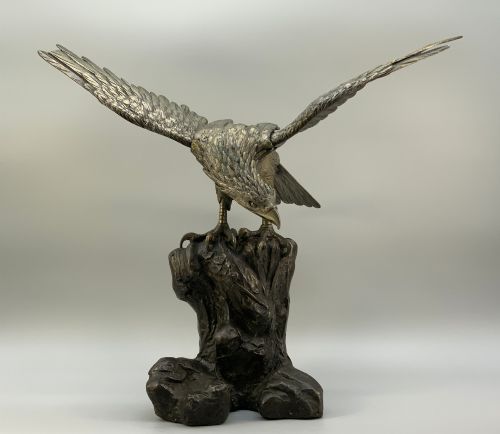
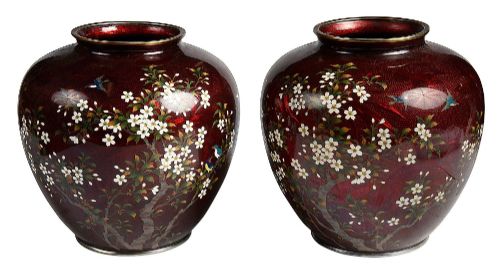
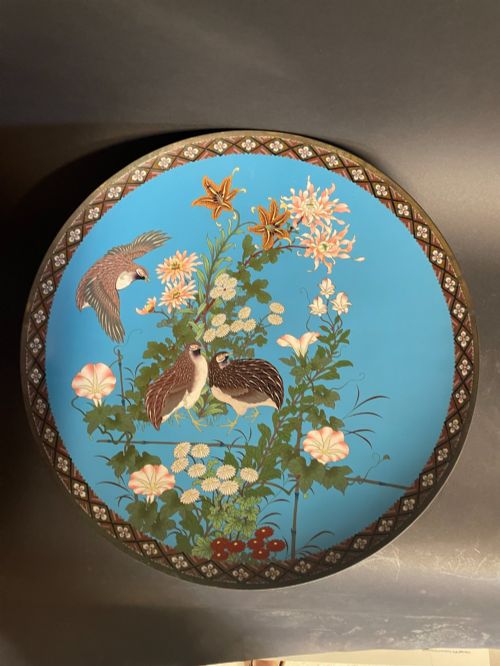
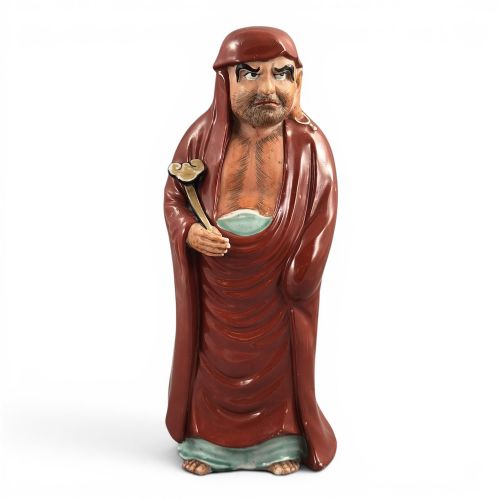
The objects gathered under the heading of japanese meiji art encompass a diverse range of forms, from patinated bronze sculptures and cloisonné enamel chargers to earthenware pottery, lacquered boxes, and porcelain figures. These pieces reflect the artistic output of Japan during the Meiji period and the transition into the Taisho era, capturing both domestic folk traditions and items destined for Western export.
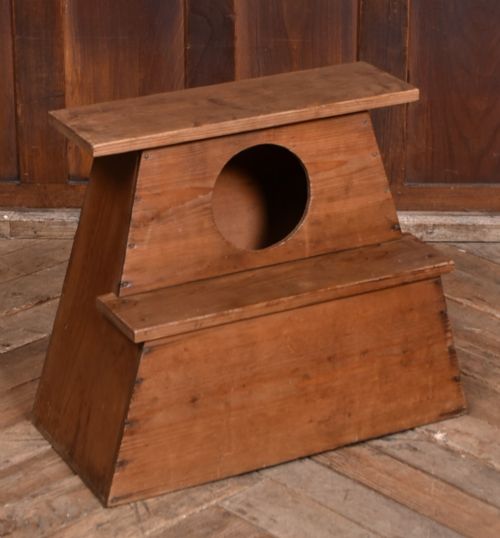
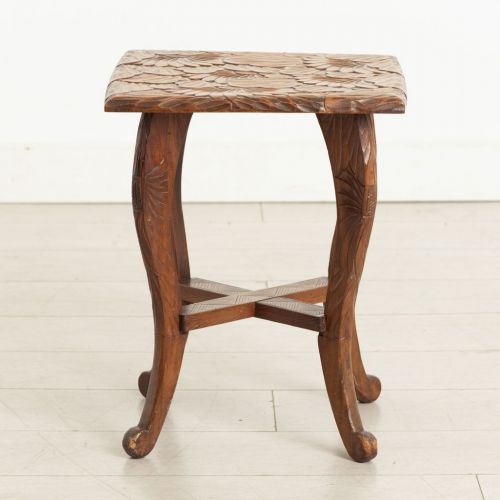
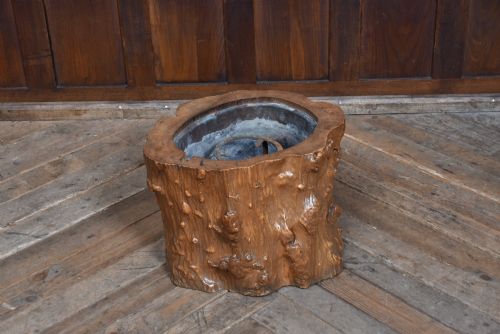
Vessels such as vases, bowls, and baskets sit alongside decorative plates and sculptural okimono depicting animals and deities. Buyers exploring this category will encounter works ranging from utilitarian wooden hibachi and vendor stools to highly intricate porcelain and mixed metal creations.
The aesthetic bridges traditional Japanese motifs, such as sages, flora, and auspicious symbols, with the technical innovations that defined the opening of Japan to international trade during the late nineteenth century.
Materials and Techniques
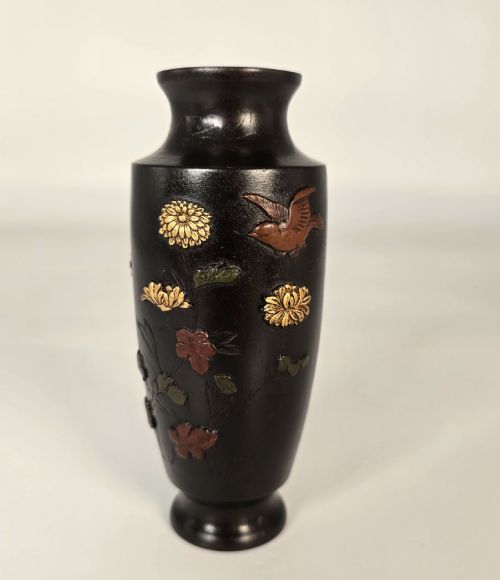
Metals form a cornerstone of the period's output, utilising bronze, copper, and brass cast into vessels or articulated as lifelike creatures through meticulous engineering. Artisans also applied mixed metal accents and patination to achieve complex surface textures on sculptures and vases.
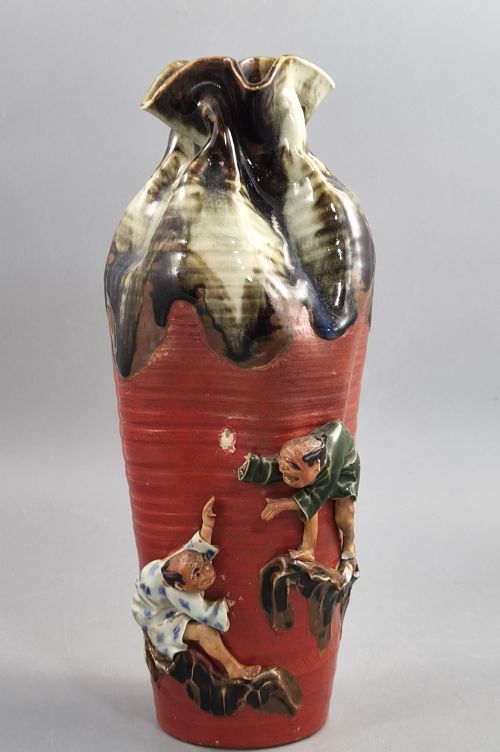
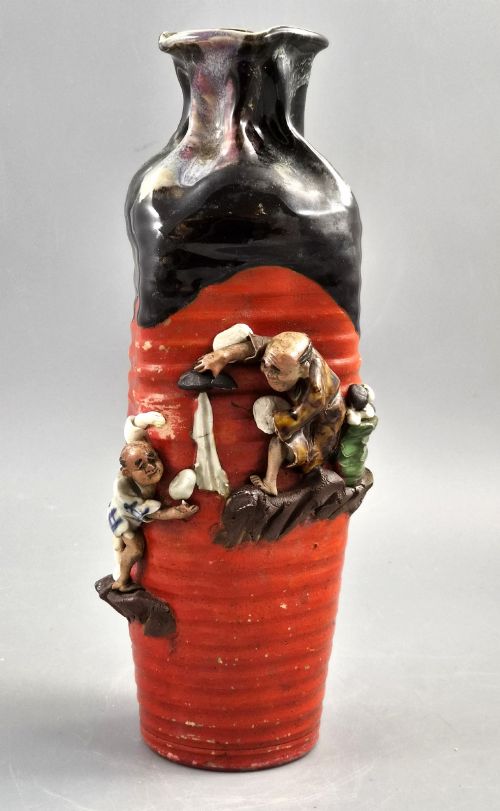
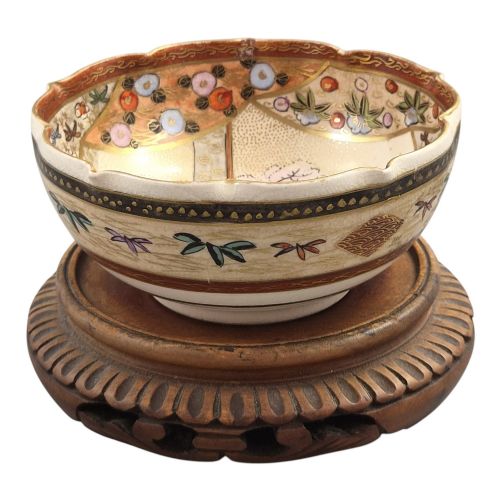
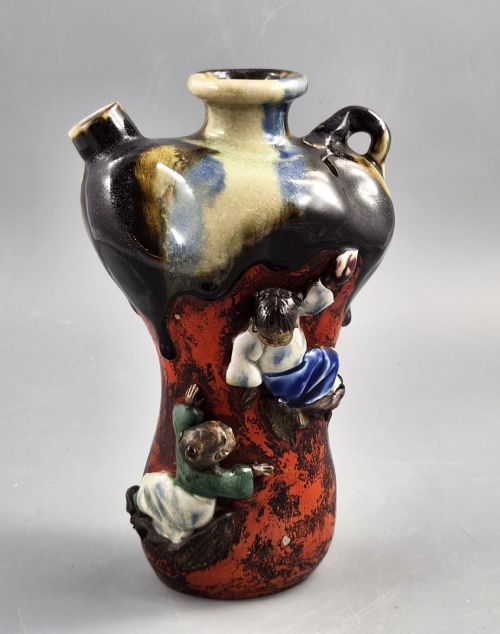
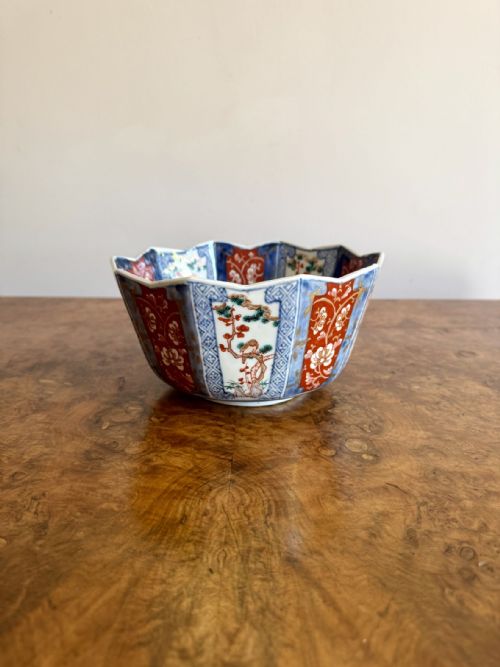
Ceramics and earthenware required specialised firing methods, seen in the rich flambe glazes of Sumida Gawa pottery, the detailed hand-painted designs of Satsuma and Kutani wares, and the robust porcelain bodies of Imari plates.
Enamelwork relied on cloisonné and totai shippo techniques, applying coloured glass pastes within wire grids or directly onto porcelain bases, while woodworkers and lacquer artists carved intricate details or finished pieces with layered tree sap and gold leaf.
The archive and active listings demonstrate a strong presence of cloisonne chargers, Imari plates, and articulated bronze animal sculptures.
Evaluating Quality
The distinction between standard commercial output and exceptional artistry rests on the precision of execution and the ambition of the design. Masterpieces display a command of difficult techniques, such as the flawless application of wire-free ginbari enamel or the seamless articulation of metal limbs on a bronze crustacean.
Signatures by recognised artists or distinguished potteries elevate pieces significantly, indicating the work of a master rather than a anonymous workshop. The depth of hand-carving, the complexity of mixed metal inlay, and the preservation of original patination or gilding dictate the standing of individual items within the broader range.
Inoue Ryosai·Ban ni·Hotoda·Makuzu Kozan·Ando Jubei·Haruyama Shunzan·Makuzu Kozan II·Souyuki Myochin
The Japanese Meiji Art Glossary
- Okimono
- A freestanding Japanese decorative figurine or sculpture intended for display on a shelf or in a tokonoma alcove. These carvings depict animals, deities, and daily life scenes in bronze, ivory, ceramic, or wood.
- Cloisonne
- A decorative metalwork technique where enamel pastes are applied within compartments delineated by thin metal wires soldered to a base. The piece is then fired and polished to a smooth finish.
- Satsuma
- A type of Japanese earthenware originating from Satsuma Province, typically characterised by a ivory crackle-glaze and elaborate polychrome and gilt enamel decoration. These wares were heavily produced for export during the nineteenth century.
- Imari
- A style of Japanese porcelain featuring a distinct palette of underglaze blue, iron red, gold, and supplementary colours. Originating from Arita, these decorative plates and bowls gained immense popularity in the West.
Japanese Meiji Art: Frequently Asked Questions
How do I identify Satsuma ware?
Satsuma ware is generally recognised by its warm, ivory-coloured earthenware body covered in a fine, web-like network of crackled glaze. The surfaces are typically embellished with detailed hand-painted figures and heavy gilding.
These pieces were produced primarily for the export market and often feature maker or studio stamps on the base.
What makes Sumida Gawa pottery distinctive?
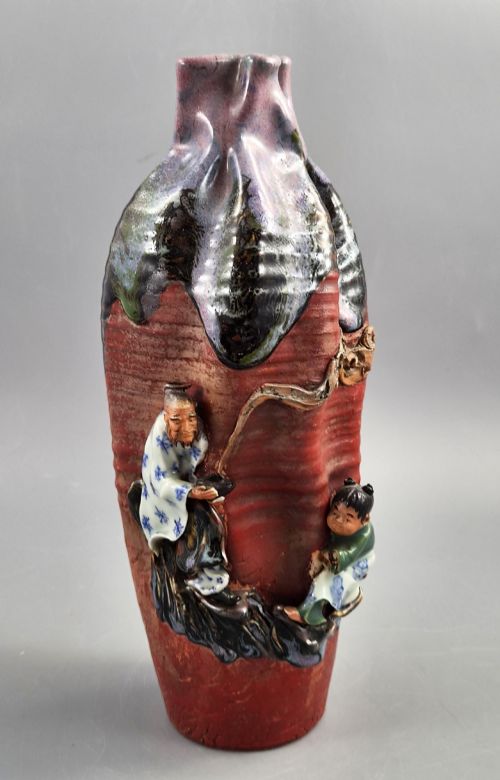
Sumida Gawa pottery is easily identified by its thick, flowing flambe glazes and the characteristic inclusion of sculpted figures climbing across the exterior of the vessel. The rims are frequently pinched or irregular.
Originating from the banks of the Sumida River in Tokyo, these pieces often bear the signatures of notable makers like Inoue Ryosai.
How should I care for antique cloisonne?
Antique cloisonne requires gentle handling and should be kept away from direct sunlight and excessive moisture to protect the metal and enamel surfaces. Dusting with a soft, dry cloth is sufficient for routine maintenance.
Avoid using liquid cleaners or chemical polishes, as these can damage the delicate wirework and coloured glass pastes.