


Japanese Elephant Sculpture
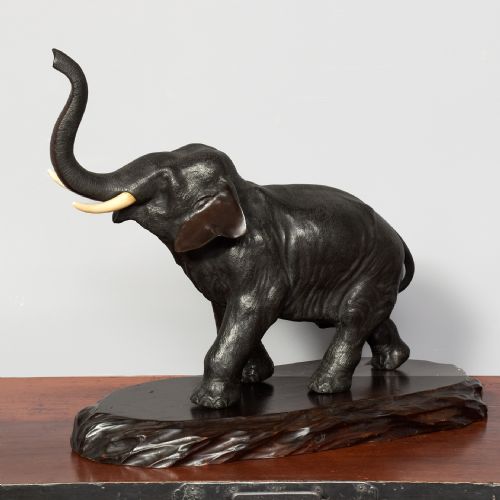
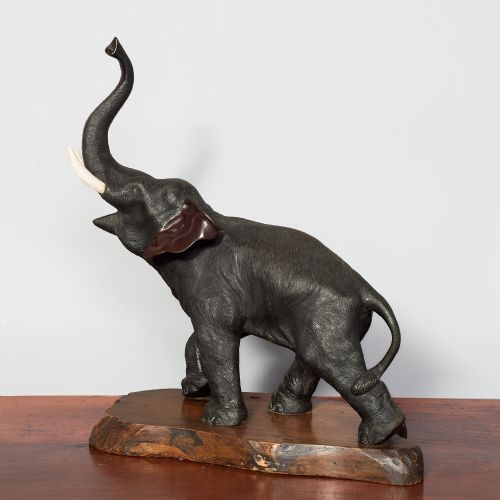
These Japanese elephant sculpture pieces combine bronze, ivory, and Satsuma earthenware to bring authentic Meiji period craftsmanship straight into your home.
Japanese Elephant Sculpture
When you search for a Japanese elephant sculpture, you encounter dynamic Meiji period works dating from the late nineteenth and early twentieth centuries. These pieces typically take the form of freestanding okimono, decorative vases, and large figural studies.
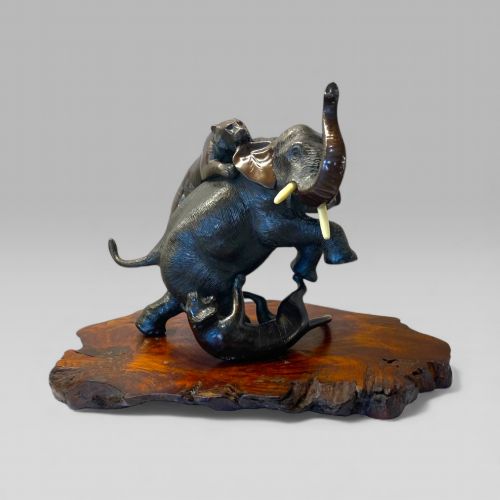
The versions you are most likely to meet on this page are bronze sculptures, often depicting solitary pachyderms or dramatic scenes of animals fighting with tigers. They emerge from periods specifically recorded between 1880 and 1900, capturing the naturalistic artistry of Japanese workshops.
Makers and signatories such as Tsunemitsu, Kizan, and Genryusai Seiya shape the upper tier of these offerings. Alongside these signed works, numerous unsigned bronze and Satsuma earthenware examples populate the selection.
Materials and methods
Artisans utilised cast bronze as the primary structural medium, achieving detailed skin textures and naturalistic stances. Many of these bronze figures incorporate contrasting elements such as ivory tusks and diamond eyes to add distinct focal points.
Satsuma earthenware and enamel appear in specific decorative vessels and okimono, applying rich surface detail and gold leaf accents. Wood and hardwood occasionally provide bases or complementary components for these sculptural studies.
Several bronze elephants face a perilous fate, perpetually locked in dramatic combat with two persistent tigers.
Judging quality and distinction
The distinction between standard figures and exceptional works rests on the complexity of the subject matter and the presence of signatures. Multi-figure compositions, such as an elephant fighting with two tigers, demonstrate superior sculptural ambition compared to solitary studies.
Artistic execution in the casting and chiselling of the bronze defines the top of the range. Master workshops achieve greater anatomical precision, intricate surface texturing, and the integration of precious details like inlaid eyes and ivory tusks.
Tsunemitsu·Kizan·Genryusai Seiya
The Japanese Elephant Sculpture Glossary
- Meiji Period
- The era in Japanese history spanning from 1868 to 1912, noted for a surge in fine metalwork and decorative arts exported to the West.
- Okimono
- A Japanese ornamental object or sculpture intended for display on a shelf or in a tokonoma alcove.
- Satsuma
- A style of Japanese earthenware featuring a crackled glaze decorated with polychrome enamels and gilding.
Japanese Elephant Sculpture: Frequently Asked Questions
What is a Japanese elephant sculpture?
These pieces are decorative works and okimono originating from the Meiji period, primarily cast in bronze or formed from Satsuma earthenware.
They capture naturalistic forms and dramatic narrative scenes, often depicting pachyderms alone or engaged in combat with tigers.
How were these sculptures used?
Artisans designed these objects for display within domestic interiors as decorative focal points rather than functional items.
Collectors placed them on tables, cabinets, or within traditional display spaces to showcase Japanese craftsmanship.
How do I identify a Meiji period piece?
Look for characteristics associated with late nineteenth and early twentieth-century Japanese metalwork and ceramics.
Authentic pieces frequently display naturalistic patination, cast signatures, and traditional materials like bronze, ivory, and enamel.
How do I live with bronze sculptures?
Place these heavy metal pieces on stable, level surfaces away from excessive moisture to protect the patina and any inlaid elements.
Dust them gently with a soft, dry cloth to maintain the surface without disturbing the metal or delicate ivory components.