



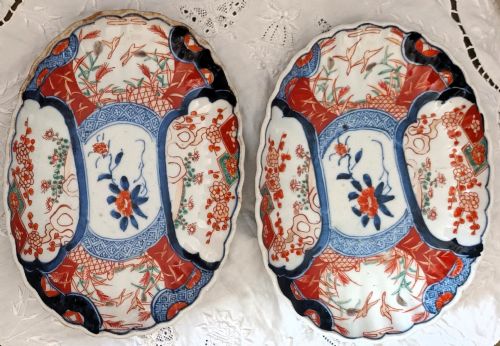
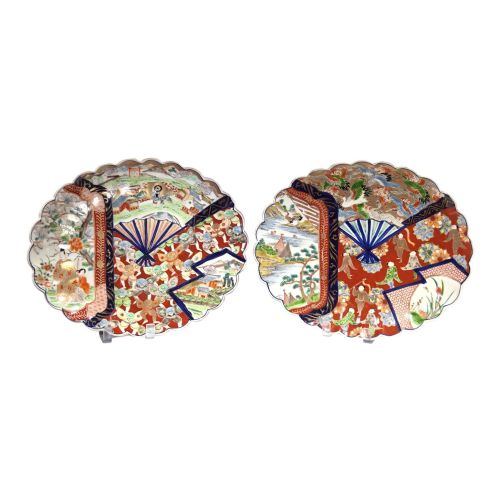


Japanese Arita Porcelain Plates
These japanese arita porcelain plates are decorative ceramics shaped into dishes, chargers, and platters originating from historic Japanese periods.
Japanese Arita Porcelain Plates
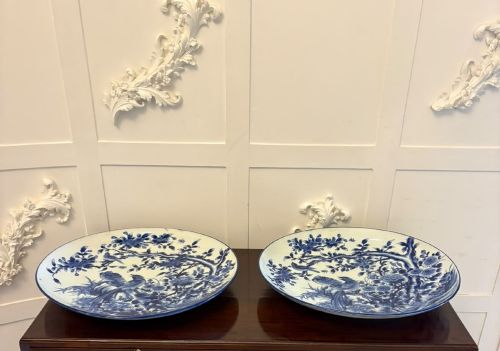
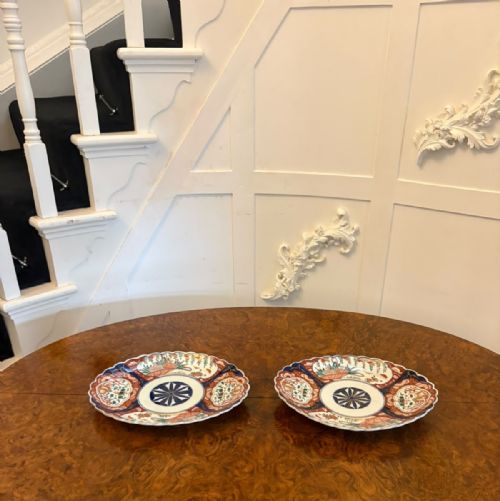
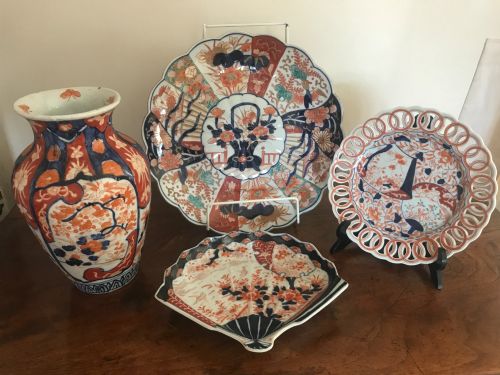
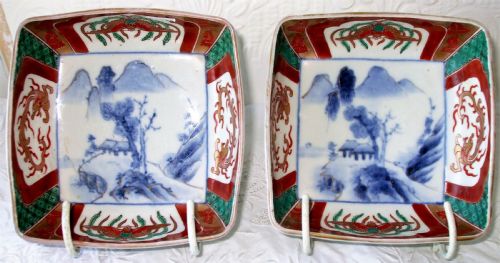
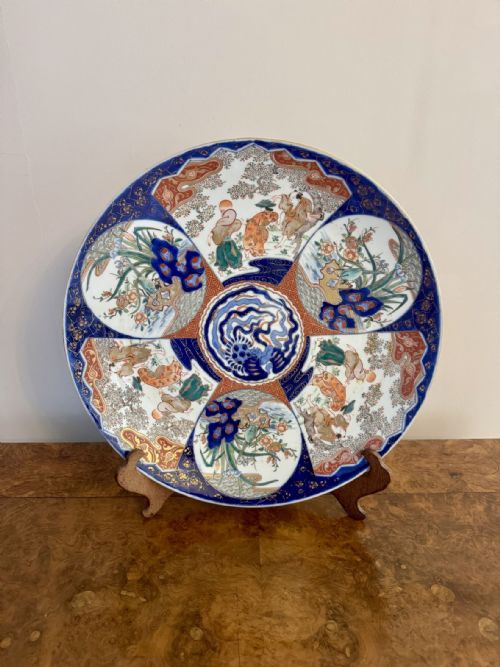
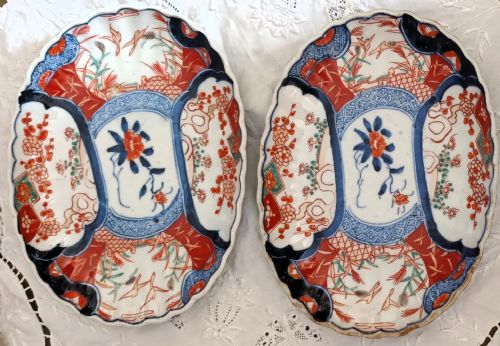
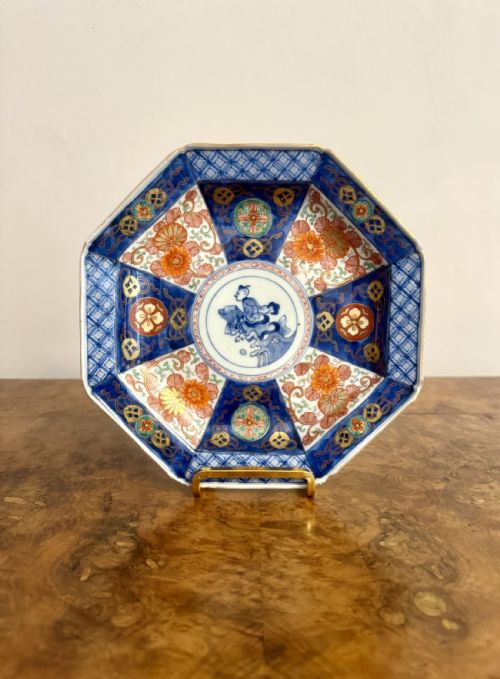
When you search for japanese arita porcelain plates, you encounter decorative ceramics that span several centuries of production, originating mainly from the 18th century Edo period through the 19th century Meiji period and into the early 20th century. These items take many forms, including large chargers, oval dishes, hexagonal plates, square plates, fan-shaped pieces, and clam shell dishes intended for display.
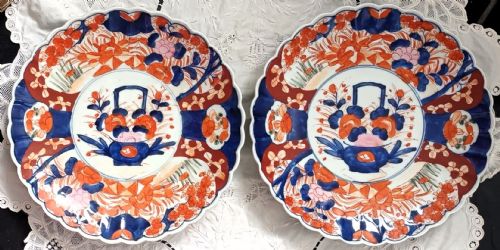
The versions you meet most frequently on this page date from the late 19th century and the Meiji period, often decorated in the distinctive Japanese Imari style or traditional blue and white patterns. Such pieces range from single plates to pairs and matched sets depicting motifs such as exotic birds, floral designs, and koi carp.
How they were made
Makers shaped these items from ceramic paste and porcelain, applying cobalt underglaze, enamel, and glaze before firing. Artisans then added intricate detail through hand painting.
Many examples incorporate gold leaf, gilding, and gold gilt accents over the fired glaze to highlight specific elements of the birds, floral arrangements, or geometric borders.
Among the creatures immortalised in the glaze, koi carp swim across surfaces alongside exotic birds and traditional cranes.
What varies in quality
The distinction between standard items and superior examples lies in the precision of the hand painting and the complexity of the form, such as unusual shapes like fans, ribbons, or hexagonal edges.
Depth of colour, the deliberate application of gold leaf, and the crispness of the cobalt underglaze separate ordinary production from pieces with more refined artistic execution.
The Japanese Arita Porcelain Plates Glossary
- Charger
- A large decorative plate or platter intended for display rather than service at the table. These large vessels often feature the most complex hand painted scenes.
- Imari
- A traditional Japanese style of porcelain decoration characterised by a palette of cobalt blue, iron red, and gold. This style developed in Arita and gained immense popularity for export.
- Meiji Period
- The era in Japanese history spanning from 1868 to 1912, associated with increased international trade and a surge in decorative arts exported to Western markets.
- Edo Period
- The period in Japanese history lasting from 1603 to 1868, during which Arita porcelain production became established and refined.
- Cobalt Underglaze
- A blue pigment applied to the raw ceramic body before glazing and firing, producing a durable design beneath the glassy surface.
Japanese Arita Porcelain Plates: Frequently Asked Questions
How do I display these chargers?
These decorative pieces work well mounted on walls using specialised plate hangers or supported on sturdy display stands upon cabinets and sideboards.
Because many of these items measure significantly larger than standard dining plates, ensure any wall mount or display stand is rated for the weight of the ceramic.
Were these plates used for dining?
Most of these surviving examples, particularly the large chargers and unusually shaped dishes, were produced for decorative display or export rather than everyday domestic service.
Their intricate enamel and gold gilt decoration suggests they served primarily as ornamental items in both Japanese interiors and European drawing rooms.
How do I tell Edo from Meiji pieces?
Dating often relies on stylistic nuances, potting characteristics, and historical documentation associated with the form, as earlier Edo period pieces can exhibit different clay bodies and glazing textures.
Meiji period production frequently reflects the industrial output and export demands of the late nineteenth century while maintaining traditional hand-painted techniques.
What is Arita porcelain?
Arita porcelain refers to ceramic wares manufactured in and around the town of Arita in the Hizen province of Japan, where the discovery of suitable clay in the early seventeenth century sparked an industry.
This region became the primary centre for Japanese porcelain production, supplying both domestic markets and international trade routes with fine ceramics.