




Japanese Wooden Table
A japanese antique wooden table brings domestic warmth through intricate carved hardwood and rich lacquer work.
Japanese Wooden Table
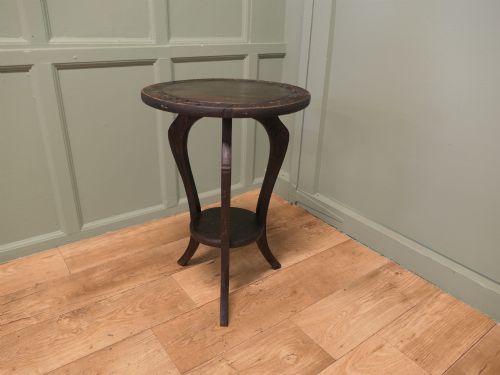
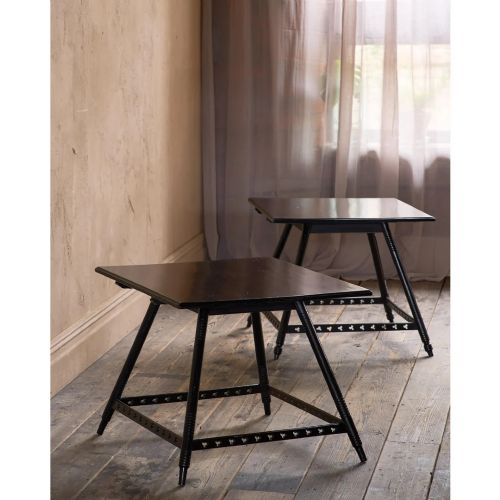
A japanese antique wooden table encompasses side tables, plant stands, writing desks, and low tea tables suited for compact domestic spaces. These pieces emerge across the nineteenth century and the early twentieth century through Meiji and Taisho periods.
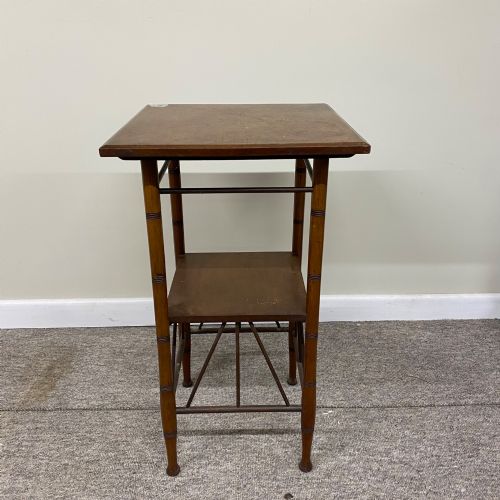
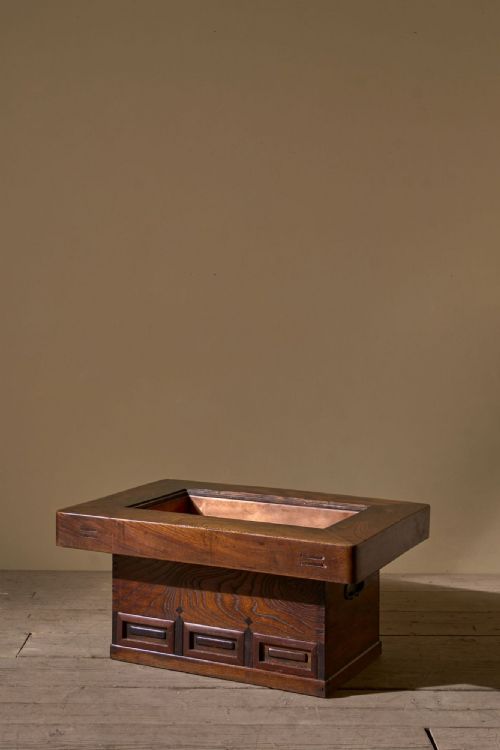
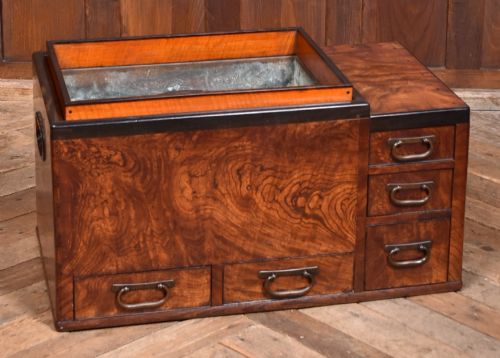
The selection frequently includes examples bearing the hallmarks of the Anglo-Japanese taste, alongside pieces retailed by Liberty of London. Buyers also encounter low chabudai dining surfaces and hibachi brazier tables designed for traditional interiors.
Materials and Techniques
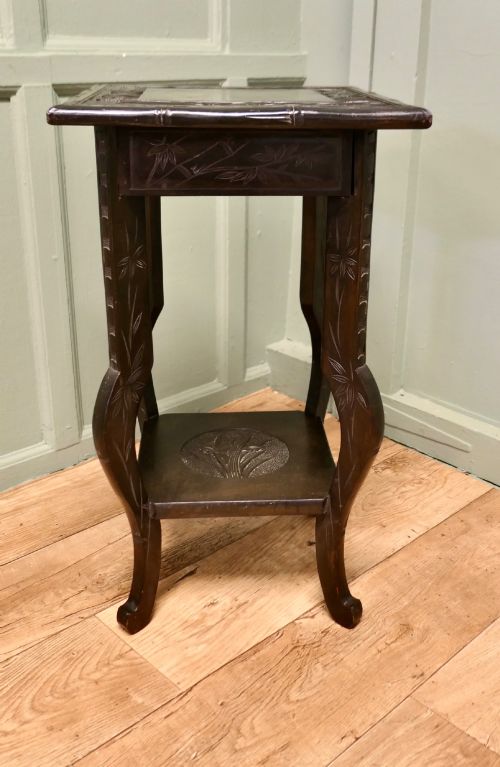
Construction relies upon solid hardwood, elm, and ebonised wood shaped through hand carving and traditional joinery methods. Artisans applied black lacquer, gold leaf, and mother of pearl inlay to enrich the timber surfaces.
Makers integrated brass hardware and iron fittings to secure structural elements on heavier centre tables and cabinets. Selected pieces combine root wood formations with polished tops to showcase natural grain patterns.
Japanese Wooden Table Retail Price Guide 2026
Typical asking prices for japanese wooden table among the pieces listed under this phrase on Sellingantiques today, from the lower quarter to the upper quarter. They describe what is for sale here now, not the wider market.
The furniture styles represented include Japanese Meiji, Arts and Crafts, Aesthetic Movement, and Anglo-Japanese design.
Assessing Craftsmanship
Quality rests upon the depth and precision of the hand carving, particularly around floral motifs and structural joints. Superior items display crisp lines in the carved hardwood and secure placement of mother of pearl or inlay work.
The integrity of the lacquer finish and the stability of the underlying timber define the upper tier of production. Pieces bearing documented retail attribution or distinct regional styles command greater interest among collectors.
Liberty of London·Gabriel Viardot·EW Godwin
The Japanese Wooden Table Glossary
- Meiji Period
- The era in Japanese history spanning from 1868 to 1912, noted for opening trade with Western nations and refined decorative arts. Furniture from this time often combines traditional motifs with forms suited to European homes.
- Chabudai
- A traditional short-legged dining and tea table used while kneeling on tatami mats. These low wooden tables reflect domestic customs of the Meiji and Taisho eras.
- Hibachi
- A traditional Japanese heating device or brazier, occasionally adapted as a low table for domestic interiors. They frequently feature inset metal liners within wooden frames.
- Japonisme
- The nineteenth-century European interest in Japanese art and design that heavily influenced the Aesthetic Movement. British makers adopted these decorative principles in furniture production.
- Ebonised Wood
- Timber treated with a dark finish to imitate expensive ebony. This technique was popular in Victorian and Anglo-Japanese furniture manufacture.
Japanese Wooden Table: Frequently Asked Questions
How do I use a chabudai table today?
A chabudai functions well as a low coffee table in contemporary living spaces where floor seating is preferred. Their compact proportions also suit children's rooms or intimate tea service.
They bring an understated architectural line to modern minimalist interiors without dominating the room.
Were these tables made in Japan or Britain?
The inventory includes both authentic imports from Japan and British interpretations produced during the Aesthetic Movement. Makers in London drew direct inspiration from imported goods to create the Anglo-Japanese style.
Examining the construction methods and timber types helps distinguish between imported pieces and British workshop adaptations.
How do I care for lacquered wooden surfaces?
Lacquered and ebonised surfaces require gentle dusting with a soft, dry cloth to protect the delicate finish. Avoid placing them in direct sunlight or near heat sources to prevent timber movement.
Keeping humidity levels stable prevents the lacquer from cracking over time.
What distinguishes Meiji period furniture?
Meiji period pieces often showcase ambitious hand carving, rich black lacquer, and intricate mother of pearl inlay. They reflect an era of exceptional technical skill aimed at both domestic use and export.
These items frequently blend traditional Japanese joinery with forms tailored for Western homes.