


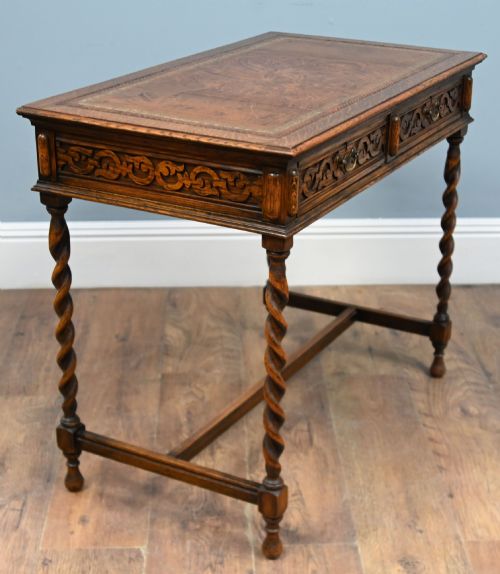

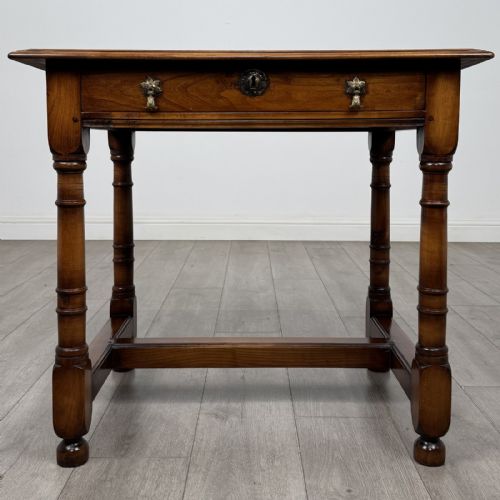
Jacobean Table
A jacobean table brings sturdy seventeenth-century timber and bold carved detailing directly into a room, offering historic character alongside everyday utility.
Jacobean Table
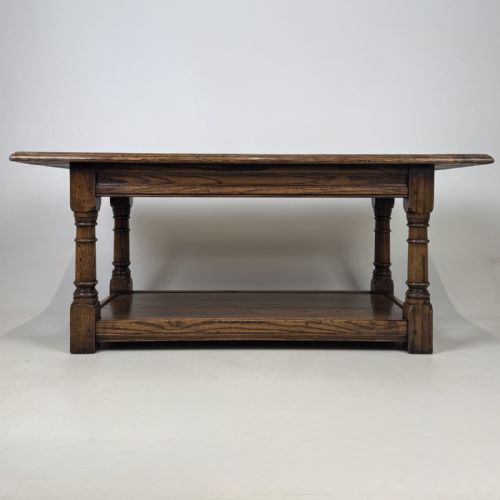
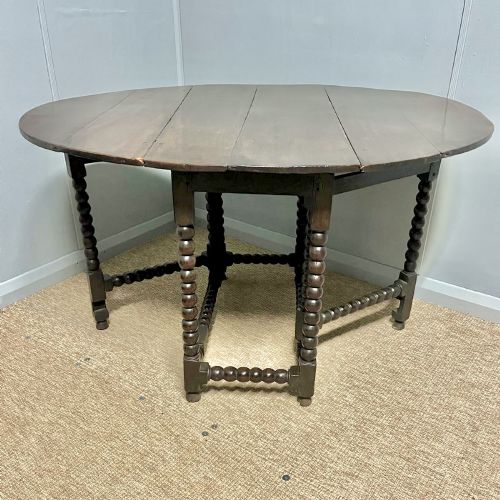
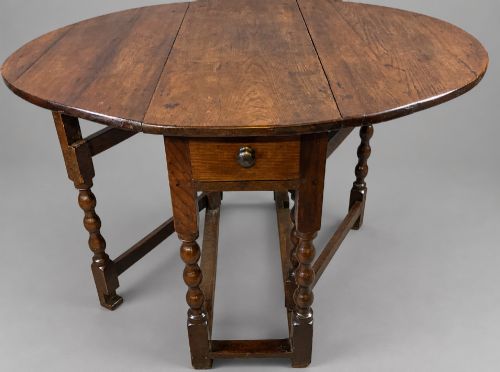
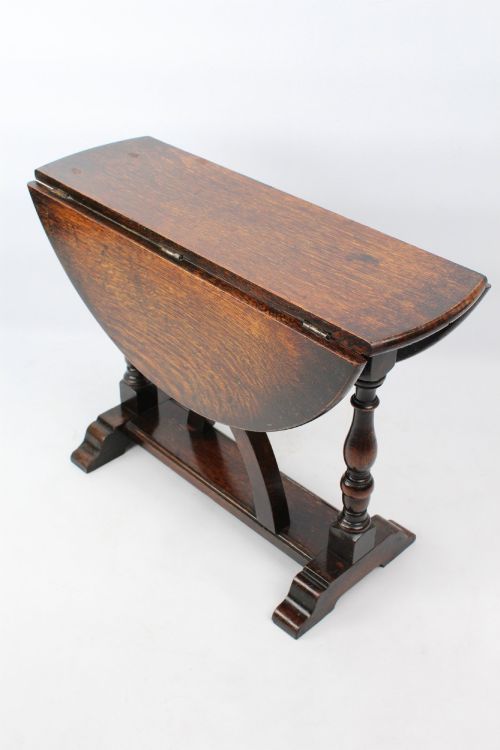
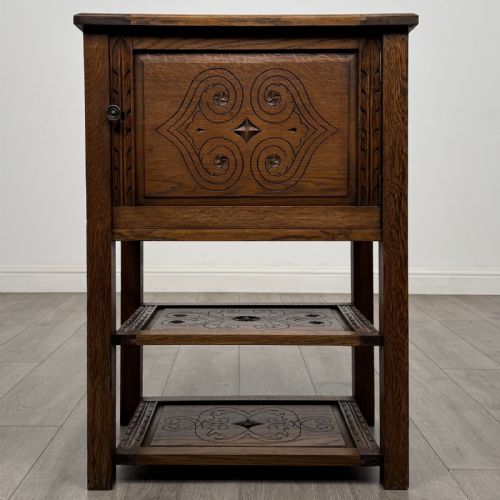
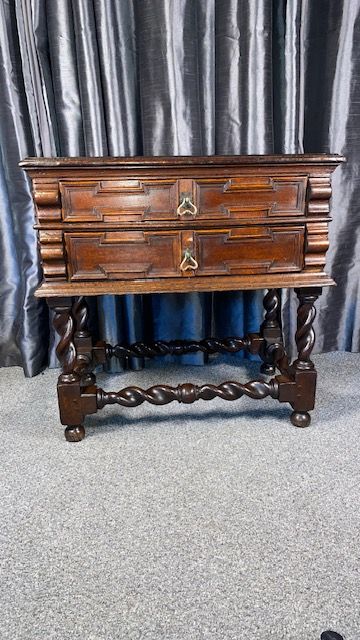
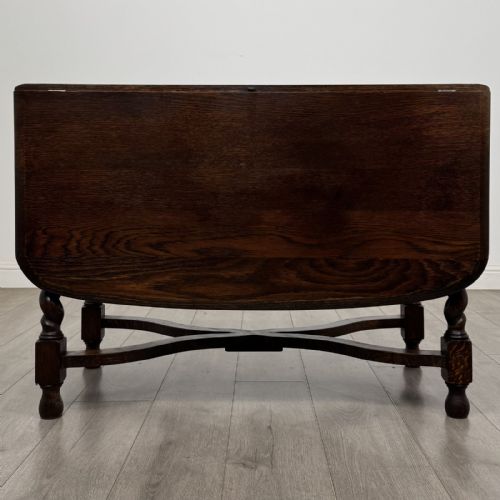
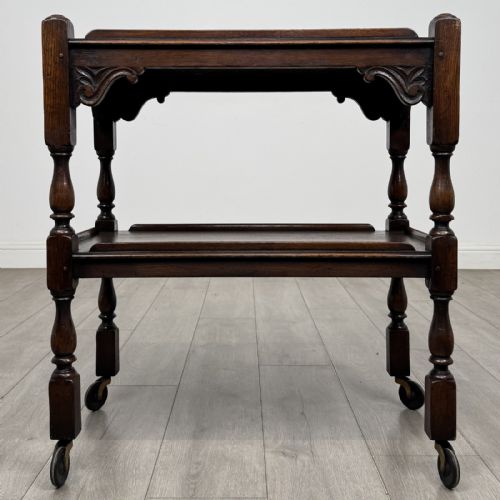
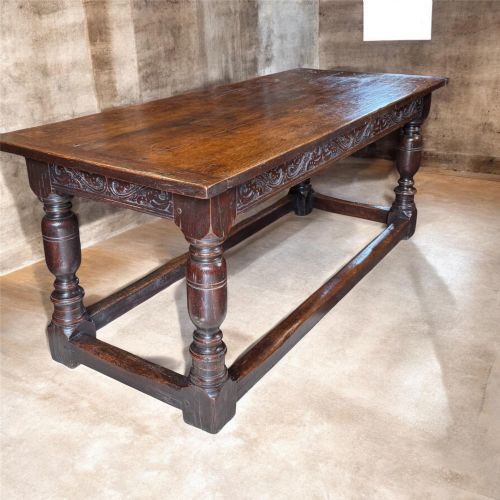
When you search for a jacobean table, you encounter robust oak furniture rooted in the seventeenth century alongside revival interpretations produced during the Victorian, Edwardian, and twentieth-century periods. These items range from grand refectory dining tables and gateleg designs to smaller side tables, occasional pieces, and tea trolleys intended for domestic use.
The specimens most commonly met on this page span both authentic seventeenth-century origins and later revival eras such as the 1920s, 1910s, and Victorian decades. Revival pieces adopt the heavy proportions, dark timber, and turnings of the earlier epoch while adapting the forms to suit modern living requirements.
Evaluating the range
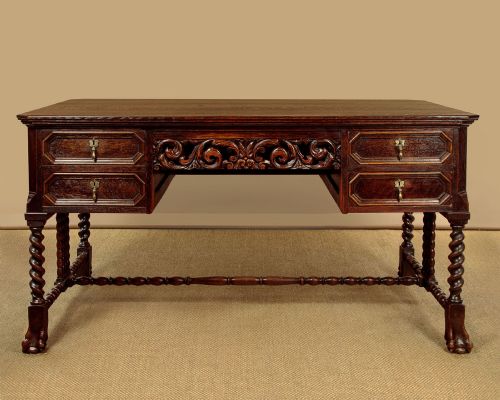
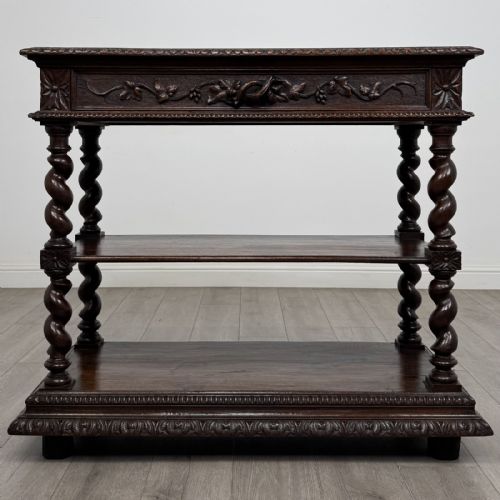
Quality rests upon the integrity of the timber and the depth of the hand-carved detail, distinguishing authentic period pieces and high-end revival work from simpler twentieth-century interpretations. Crispness in the carving of motifs like foliage and masks indicates skilled handwork rather than mechanical production.
Proportion and structural soundness dictate how well a piece holds its presence in a room, with balanced stretchers and substantial tops maintaining the architectural weight characteristic of the style.
Jacobean Table Retail Price Guide 2026
Typical asking prices for jacobean table among the pieces listed under this phrase on Sellingantiques today, from the lower quarter to the upper quarter. They describe what is for sale here now, not the wider market.
Several tables share room with unusual Green Man masks, staring quietly from the woodwork across the centuries.
The Jacobean Table Glossary
- Refectory table
- A long, narrow dining table originally used in monasteries and great houses, typically supported by heavy legs connected with low floor stretchers.
- Gateleg table
- A drop-leaf table featuring hinged flaps supported by swing-out legs that resemble a gate opening.
- Barley twist
- A carved wooden leg or stretcher shaped in a spiral resembling a twisted barley stalk, popular in seventeenth-century and revival furniture.
- Joint stool
- A sturdy wooden stool constructed with mortise and tenon joints, frequently utilised as an occasional table or seat.
- Draw leaf table
- A dining table with extension leaves hidden beneath the main top that pull out to lengthen the surface.
Jacobean Table: Frequently Asked Questions
How do I spot a revival piece?
Revival tables often date from the Victorian, Edwardian, or 1920s periods, showing machine-cut elements, lighter golden oak tones, or modern hardware underneath.
Examining the underside of the top and the wear patterns on the feet helps clarify whether the timberwork belongs to the seventeenth century or a later period.
Were gateleg tables used for dining?
Gateleg designs provided flexible surface space in seventeenth-century homes, folding down when not in use to save room.
By the nineteenth and twentieth centuries, these tables continued to serve dining and occasional functions in smaller domestic spaces.
How do I care for solid oak?
Solid oak requires stable indoor humidity levels away from direct heat sources to prevent the heavy timber from splitting.
Regular dusting and occasional applications of appropriate wax help maintain the finish of dark and golden oak surfaces.
What are stretchers on a table?
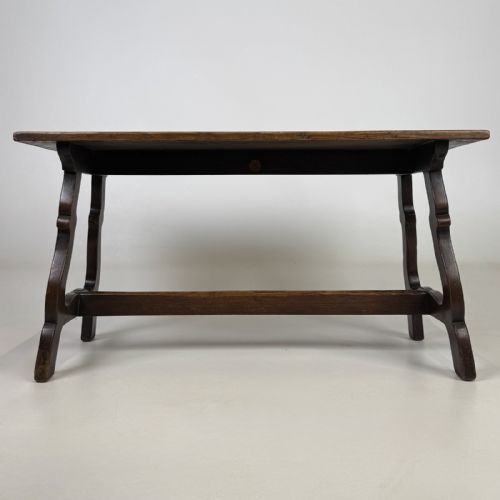
Stretchers are horizontal wooden bars connecting the legs near the floor to provide structural rigidity to heavy tables and stools.
In seventeenth-century designs, these foot rails also kept feet elevated off damp and cold floors.