


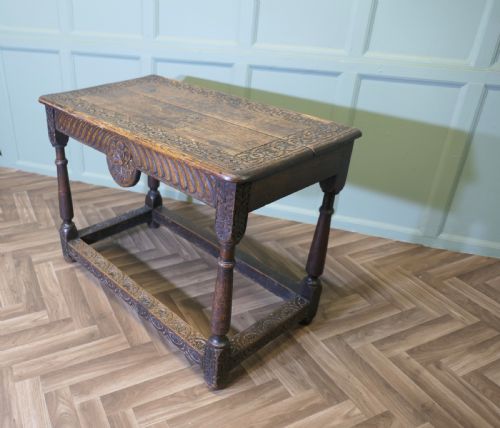


Jacobean Style Oak Stool
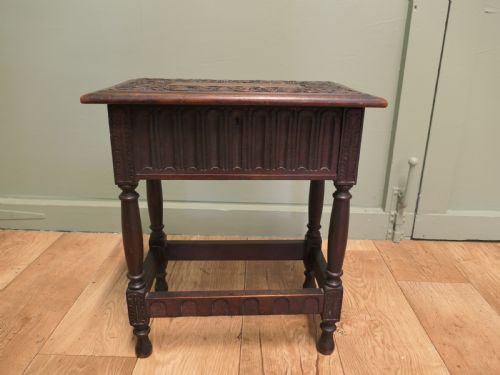
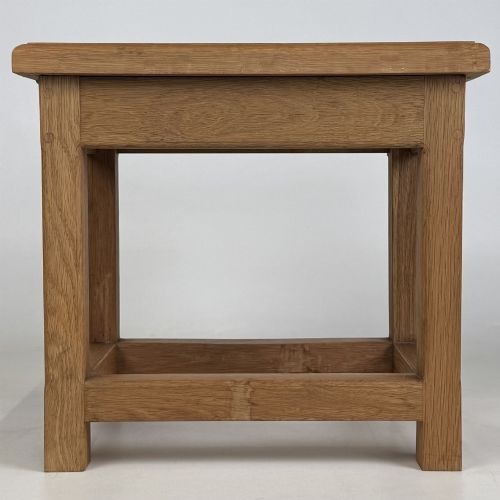
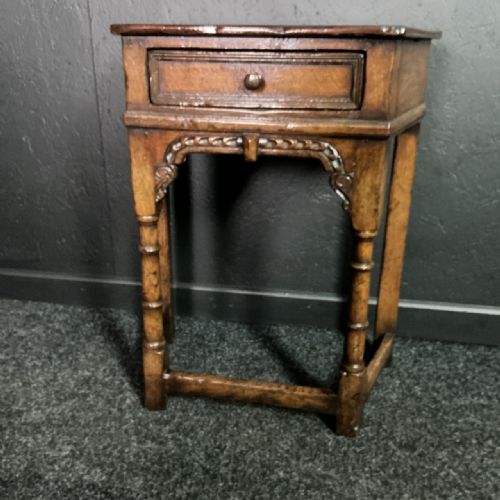
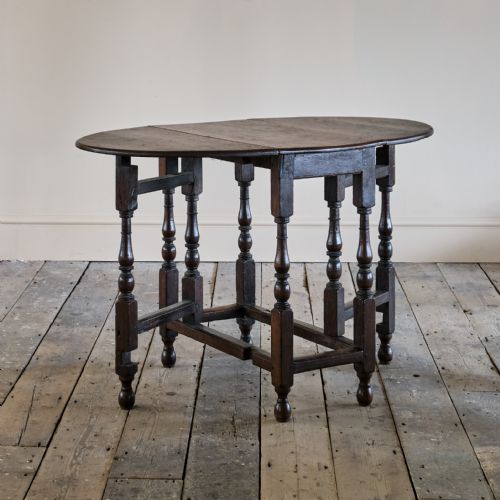
These jacobean style oak stool pieces bring sturdy timber framework and historic revival character into a room.
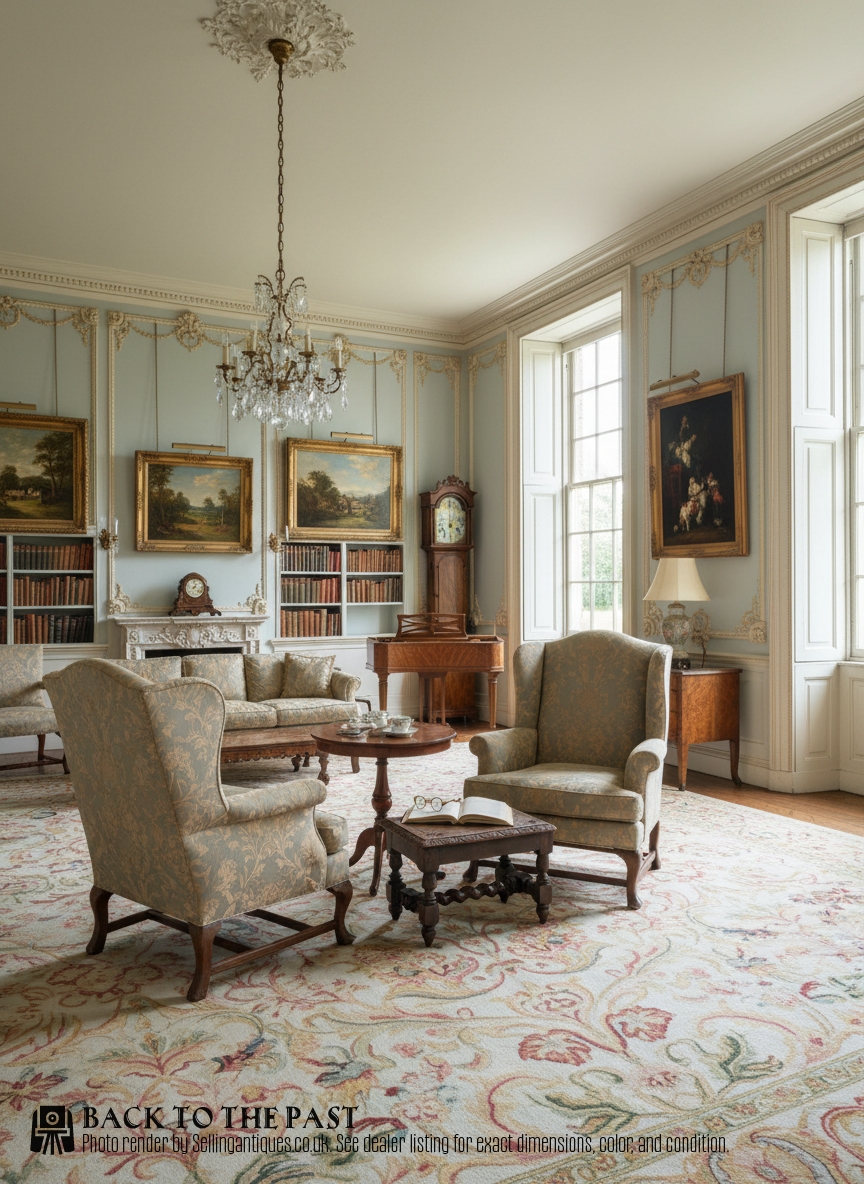
Jacobean Style Oak Stool
A jacobean style oak stool is a solid timber seating piece rooted in 17th-century revival forms, frequently encountered as joint stools or box stools from the Victorian era through the early twentieth century. These low forms serve as extra seats or occasional surfaces, mirroring the heavy proportions and architectural turning seen in earlier centuries.
The selections available range from plain square joint stools to upholstered centre stools and cane work examples. Makers across the nineteenth and twentieth centuries produced these pieces to echo Elizabethan and Jacobean aesthetics, using sturdy construction methods designed for everyday utility.

How they were made
Makers built these pieces primarily using solid oak, shaping the timber with mortise and tenon joints to ensure a rigid frame. Turned legs and stretcher bases provide structural support while adding decorative relief.
Some examples incorporate fabric upholstery, cane work, or brass details, while others rely purely on carved woodwork for surface interest.
The listings span periods from the 18th century through the 1930s, featuring oak timber alongside fabric, cane, and brass materials.
What varies in quality
Quality depends upon the weight of the timber and the crispness of the carpentry, separating simple utilitarian pieces from deeply carved examples with balanced proportions. The density of the oak and the tightness of the joinery dictate how well the frame endures over time.
Finer items display thoughtful execution in their turned legs and decorative carving, whereas simpler versions rely on plain boards and straightforward assembly.
The Jacobean Style Oak Stool Glossary
- Joint stool
- A sturdy wooden stool constructed with mortise and tenon joints rather than traditional pegged or glued round joints. These low frames were originally used for sitting or for serving food.
- Box stool
- A seating form featuring an enclosed storage compartment beneath the top surface. The hinged lid allows the piece to function as both a seat and a small receptacle.
- Jacobean revival
- A nineteenth and twentieth-century design movement that reinterprets the heavy timber forms, geometric carving, and dark finishes of the early seventeenth century. Pieces from this period echo the architecture of the Jacobean era.
- Cane work
- A woven lattice pattern made from peeled rattan plant material, used to form breathable seat panels. This technique lightened heavy wooden chair and stool designs.
- Mortise and tenon
- A traditional woodworking joint where a protruding tongue fits tightly into a matching cavity. This method secures the uprights and rails of a timber frame without relying on metal fasteners.
Jacobean Style Oak Stool: Frequently Asked Questions
What is a joint stool?
A joint stool is a solid wooden seat held together by pegged mortise and tenon joinery. These pieces were built to withstand heavy daily use in historic households.
Today, they function well as side tables or occasional seats in both traditional and contemporary interiors.
How old are these stools?
Most pieces found here date from the nineteenth and early twentieth centuries, produced during periods of revival enthusiasm. They borrow design motifs from the seventeenth century and earlier.
Makers utilised traditional timber techniques to recreate the substantial feel of antique furniture.
Can I use them as tables?
Their flat tops and sturdy wooden construction make these stools suitable for holding books, lamps, or small objects. Many examples serve double duty as side tables or miniature display surfaces.
The flat frame provides a stable base for placement beside a chair or sofa.
What materials are used?
Oak forms the primary structural material across nearly all examples, supplemented occasionally by fabric upholstery or cane panels. Brass hardware or iron fittings appear on selected pieces for hinges or stretchers.
Dark wood finishes are common, reflecting the aesthetic preferences of the revival periods.
How do I spot a revival piece?
Revival pieces often display standardised machine-turned legs or timber patination that differs from seventeenth-century originals. Examining the interior construction and tool marks helps reveal the actual production era.
These later interpretations offer sturdy utility while capturing historic aesthetic styles.