



Miniature Wooden Table
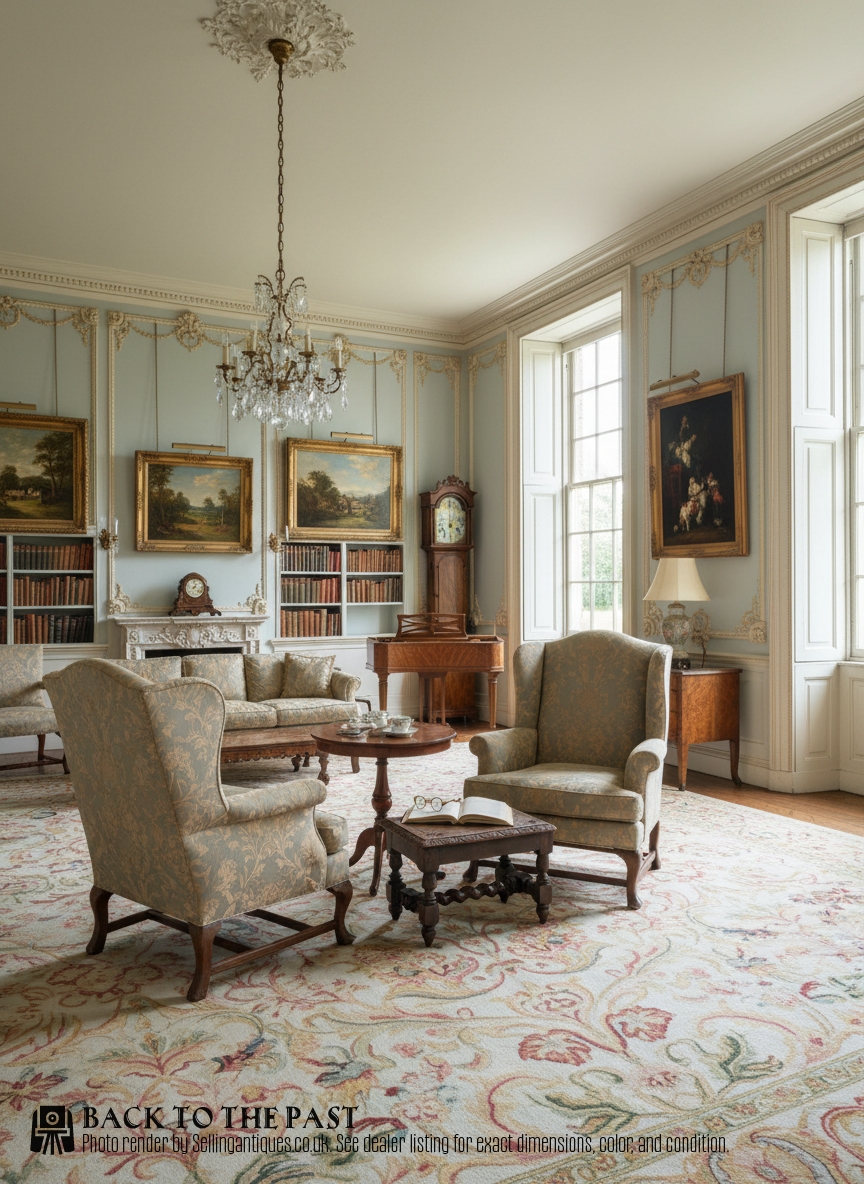
A miniature wooden table offers the charm and joinery of larger furniture scaled down for the desk, mantel or tabletop.
Miniature Wooden Table
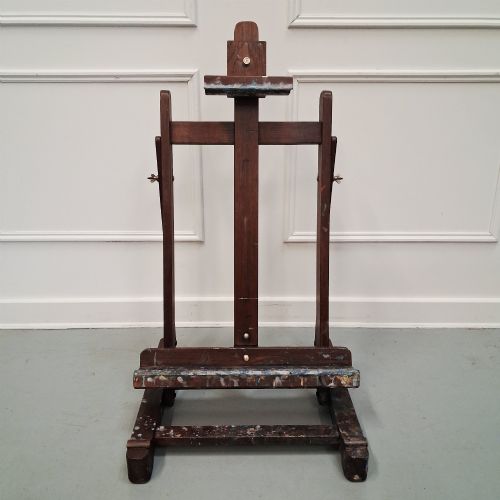
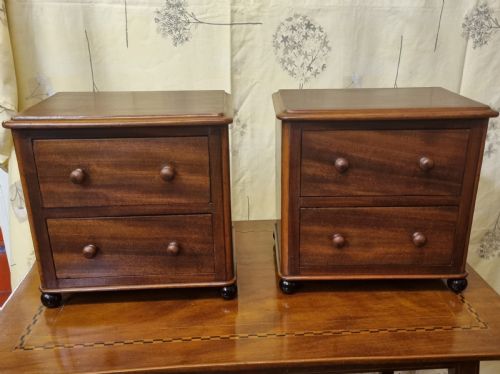
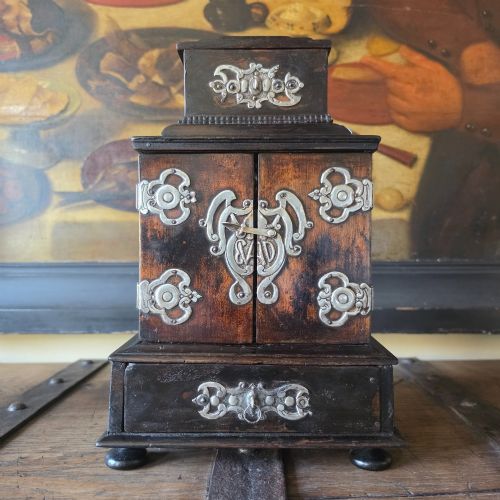
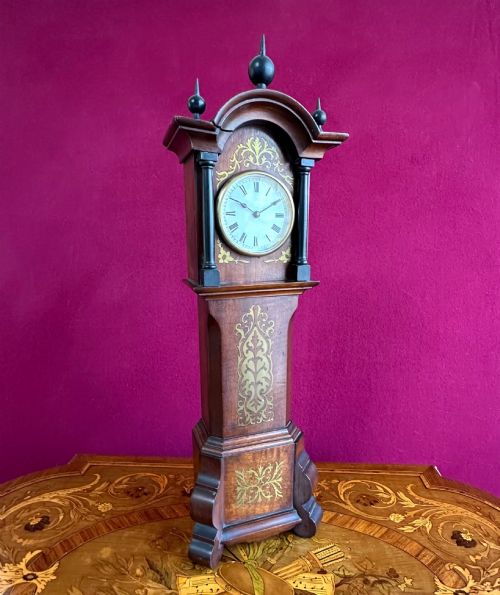
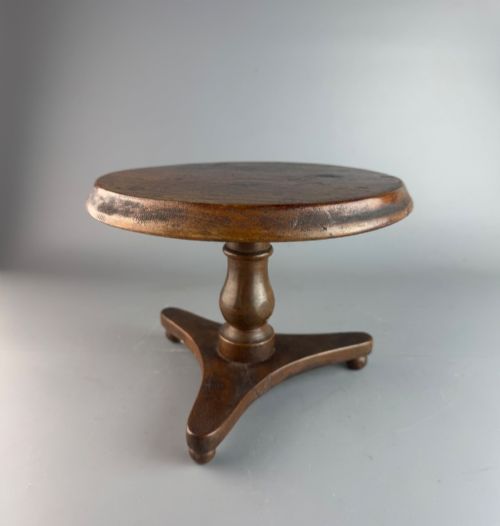
The pieces appearing on this page span several distinct periods, most notably the nineteenth century and the Victorian era, alongside eighteenth-century works and earlier examples. Forms vary widely from diminutive pembroke tables and tripod candlestands to tabletop chests of drawers, escritoires and collector cabinets.
Makers utilised these smaller formats to showcase cabinetmaking skill, to provide portable storage for jewellery and small valuables, or to serve as apprentice pieces demonstrating mastery of a trade. The variety reflects both domestic utility and decorative display across English, French, German and Flemish traditions.
How they were made
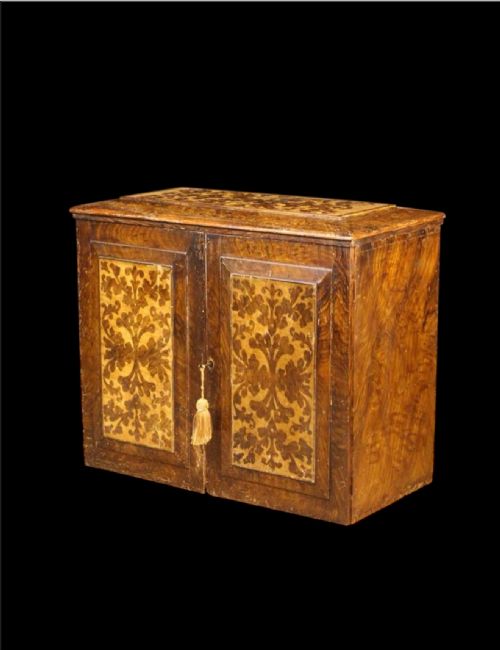
Makers constructed these miniature pieces using traditional timbers such as mahogany, oak, walnut, burr walnut, ash, elm, yew and kingwood, frequently applying wood inlay, marquetry or brass mountings to enhance the surface. Construction methods mirrored those of full-size furniture, employing dovetail joints for drawers, turned supports for tables and panelled doors for cabinets.
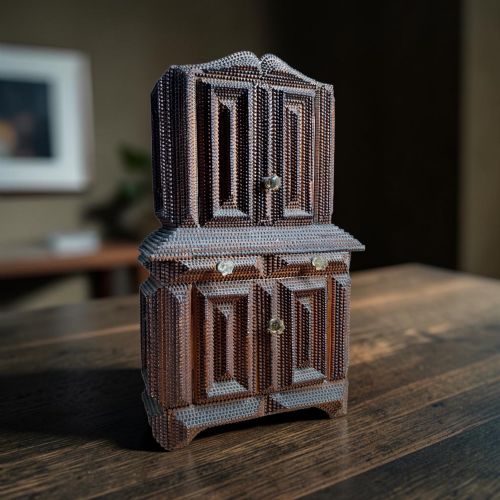
Decorative detailing involved fine carving, tramp art techniques, floral marquetry and mother-of-pearl inlay, alongside black lacquer finishes and treen turning. Surfaces were polished to highlight the grain of the chosen wood, whether the rich dark tones of mahogany or the complex figures of burr walnut.
Listings feature woods including mahogany, oak, walnut, burr walnut, ash, elm, yew and kingwood across multiple centuries.
What varies in quality
Quality in these miniature items depends heavily on the fidelity of the scale work and the precision of the joinery. Pieces displaying tight dovetails, well-fitted drawers and harmonious proportions stand apart from rougher utilitarian or folk art examples.
The choice of timber and the sophistication of surface decoration also define the tier of a piece. Finer works incorporate burr veneers, intricate marquetry and quality brass hardware, whereas simpler items rely on plain soft wood or basic turned construction.
Mappin and Webb·Adams of Lombard Street·F.H. Ayres Ltd.
The Miniature Wooden Table Glossary
- Apprentice piece
- A small item of furniture created by a craftsman in training to demonstrate skill and secure admission to a guild. These pieces mirror full-scale furniture in construction and detail.
- Treen
- Small handmade wooden household objects and utilitarian wares turned or carved from timber. The category includes candlestands, small tables and decorative containers.
- Escritoire
- A small writing cabinet fitted with a desk surface and interior compartments for papers and correspondence. These often feature revolving tabernacles or drop fronts.
- Marquetry
- Decorative veneer work forming pictures or geometric patterns by applying thin pieces of wood, shell or ivory onto a structural carcass. It appears frequently on seventeenth-century and later cabinets.
- Pembroke table
- A small drop-leaf table with hinged flaps on either side supported by folding brackets. Miniature versions replicate this functional domestic furniture form.
Miniature Wooden Table: Frequently Asked Questions
What were miniature wooden tables used for?
These small items served various practical and decorative roles in historic interiors, functioning as desk accessories, display pieces or portable storage for valuables. Wealthy households utilised them on larger tables or desks for organising letters, jewellery and curiosities.
Craftsmen also produced them as trade samples or apprentice pieces to demonstrate proficiency in furniture making to prospective clients and guild masters.
How do I date a miniature wooden table?
Dating relies on identifying the prevailing timber choices, construction techniques and stylistic markers characteristic of specific periods like the Regency or Victorian eras. Examining secondary woods inside drawers and the type of fixings used offers further clues to the manufacturing date.
Stylistic details such as brass hardware, marquetry patterns and edge mouldings correspond directly to the fashion of the century in which the piece was made.
Are miniature furniture pieces apprentice pieces?
Some miniature items represent apprentice pieces created by woodworkers learning their trade, while others were specifically manufactured as luxury items for domestic display. Fine collector cabinets and detailed pembroke tables were often made by master craftsmen for wealthy patrons.
Distinguishing between the two requires assessing the refinement of the joinery, the quality of the materials and the presence of any signature or workshop mark.
How should I care for antique miniature wood?
Preserving these pieces involves keeping them out of direct sunlight and away from rapid temperature fluctuations that can dry out old timber and crack veneers. Regular gentle dusting with a dry lint-free cloth maintains the surface without the need for heavy polishes.
Maintaining a stable indoor humidity prevents the wood from warping and protects delicate brass or mother-of-pearl inlay from loosening over time.