

Jacobean Oak Storage Box
A jacobean oak storage box offers heavy timber construction and centuries of patina, providing both practical storage and historic character.
Jacobean Oak Storage Box
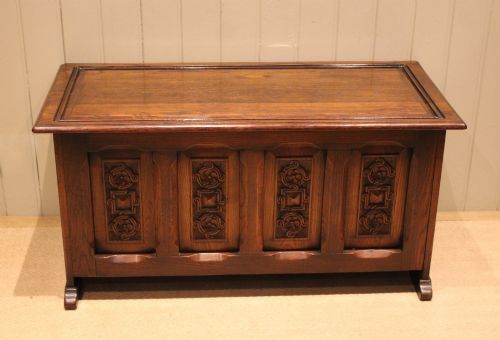
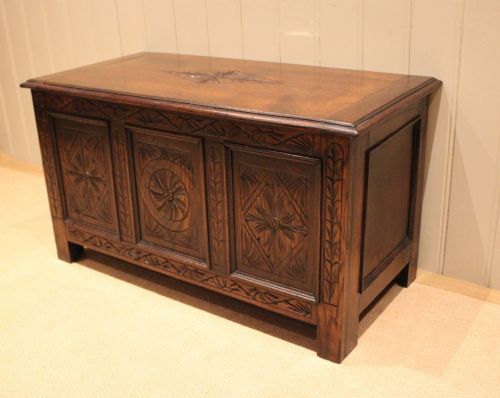
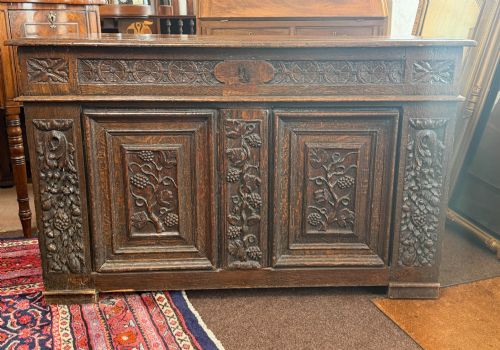
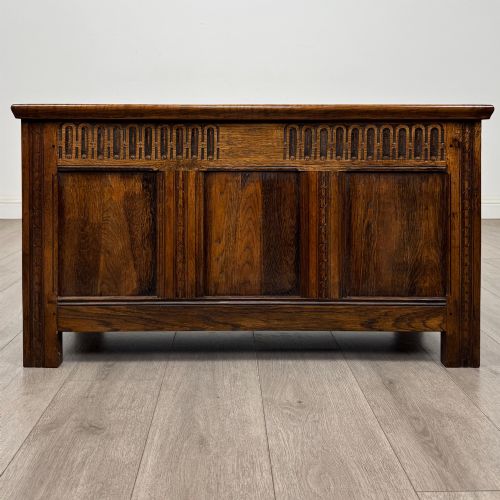
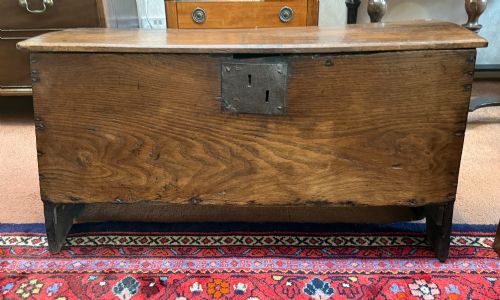
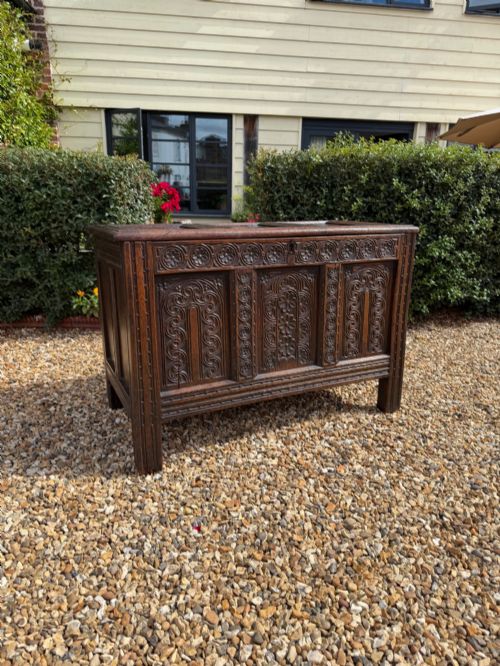
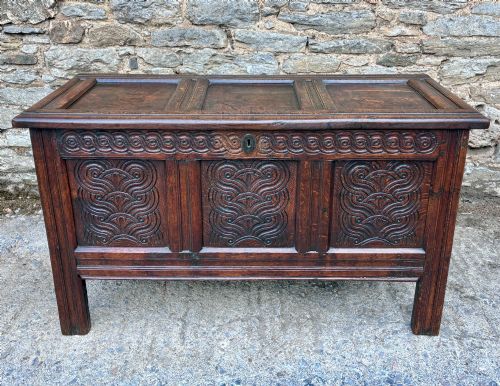
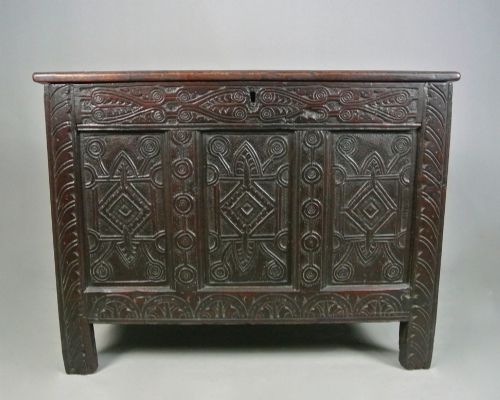
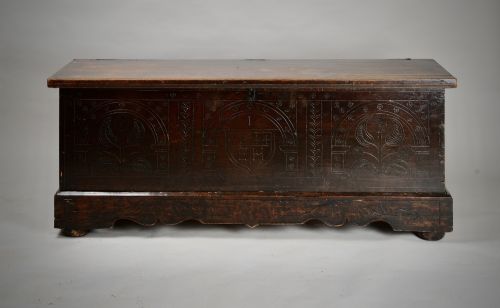
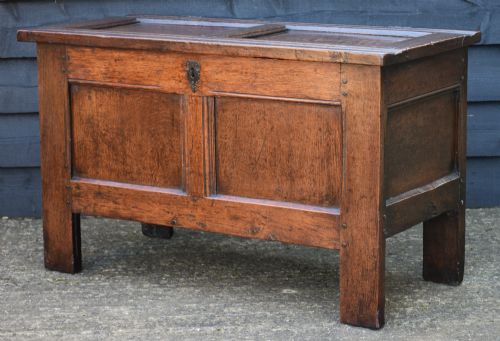
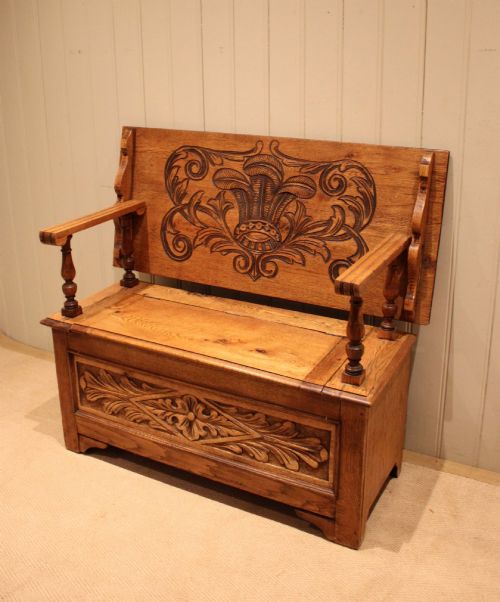
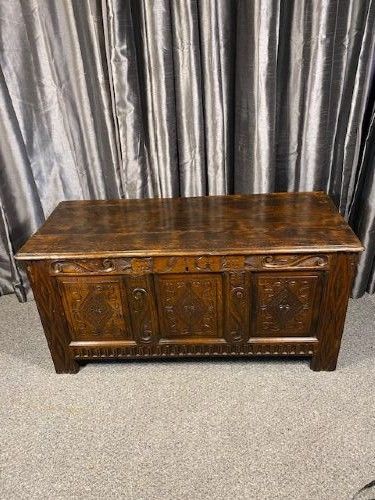
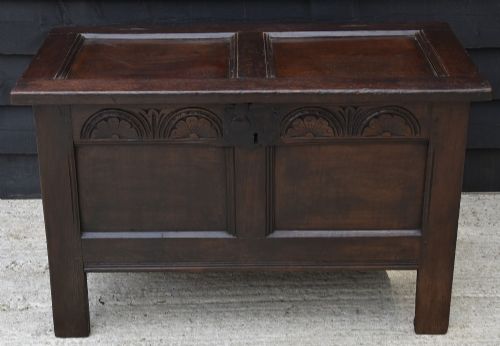
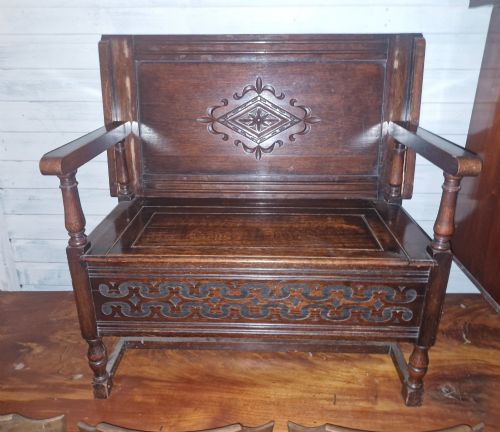
A jacobean oak storage box encompasses solid timber coffers, blanket chests, and small bible boxes originating from the seventeenth century alongside later revival pieces. These items served traditional domestic roles for holding valuables, linens, and documents in early English homes.
How they were made
Carpenters utilised heavy solid oak planks joined together using traditional mortise and tenon framing secured with wooden pegs. Surfaces often received hand-carved geometric or floral motifs utilising simple chisels and gouges.
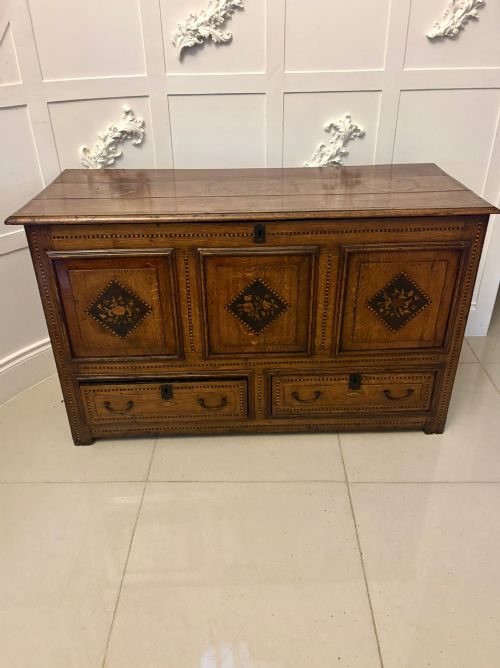
Metal hardware such as iron hinges, latches, and brass details provided functional reinforcement to the heavy timber structure. Certain examples incorporate marquetry inlay or ebonised wood highlights to decorate the primary oak panels.
Materials recorded across the inventory include iron, brass, marquetry inlay, and ebonised wood.
What varies in quality
The standard of carving and panel definition distinguishes higher grade examples from simpler utility boxes. Crisp, deep relief work executed by skilled hands sets apart the superior pieces in this category.
Originality of the timber surfaces and the survival of early iron or brass fittings heavily influence the character of each box. Untouched patination accumulated over centuries creates a depth of tone absent in heavily restored or later revival equivalents.
The Jacobean Oak Storage Box Glossary
- Coffer
- A heavy wooden chest traditionally used for storing valuables, textiles, or documents. These sturdy boxes typically feature hinged lids and joined panel construction.
- Joined oak
- Furniture constructed using mortise and tenon joints locked with wooden pegs rather than metal nails. This technique defines seventeenth century cabinet making.
- Marquetry inlay
- Decorative patterns formed by fitting contrasting pieces of wood veneer into prepared recesses within the primary surface. This technique adds pictorial detail to box lids and fronts.
- Bible box
- A small desk-like box with a sloping or flat lid built to hold religious texts and writing materials. These compact containers often sat on tables or stood on dedicated bases.
Jacobean Oak Storage Box: Frequently Asked Questions
What were jacobean oak storage boxes used for originally?
These robust chests served as secure containers for household valuables, fine linens, and important documents in early homes. Their heavy timber construction kept contents safe from dampness and theft.
In addition to storage, smaller variants functioned as desktop writing surfaces for holding bibles and correspondence. Their substantial lids also allowed them to double as occasional seating or impromptu tables.
How do I tell seventeenth century boxes from later revival pieces?
Original seventeenth century examples display authentic tool marks, hand-split oak panels, and period-appropriate joinery methods. The timber exhibits deep natural patination and wear consistent with centuries of handling.
Twentieth century revival pieces often show uniform machine processing and cleaner interior surfaces. Comparing the construction methods and the colour of the wood helps clarify the age of the piece.
How should I care for an antique oak box?
Keep wooden storage boxes away from direct heat sources and dramatic humidity shifts to prevent the oak planks from splitting. Maintaining a stable environment preserves the structural integrity of the old joinery.
Apply a traditional beeswax polish sparingly to nourish the dry timber and protect the historic surface. Avoid modern liquid cleaners that can strip away the accumulated patina.
Where did these storage boxes sit in a historic home?
Large coffers typically stood against walls in principal rooms or bedchambers where they provided secure storage and extra seating. Their heavy build meant they remained stationary in domestic halls.
Smaller bible boxes and slant front containers rested upon tables, joined benches, or specific stands. These portable versions moved between rooms depending on where writing or reading took place.