
Jacobean Carved Wood Panel
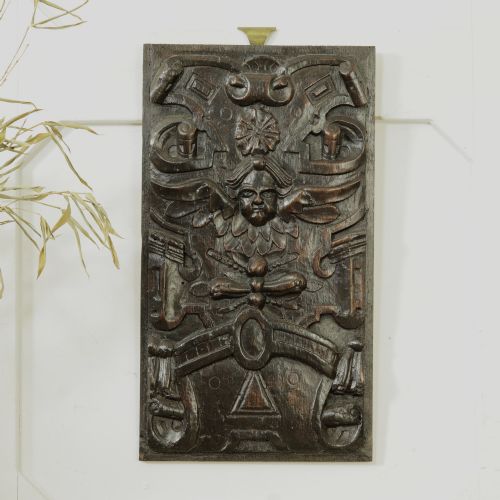
A jacobean carved wood panel brings the heavy geometry and deep relief of seventeenth-century joinery into modern rooms.
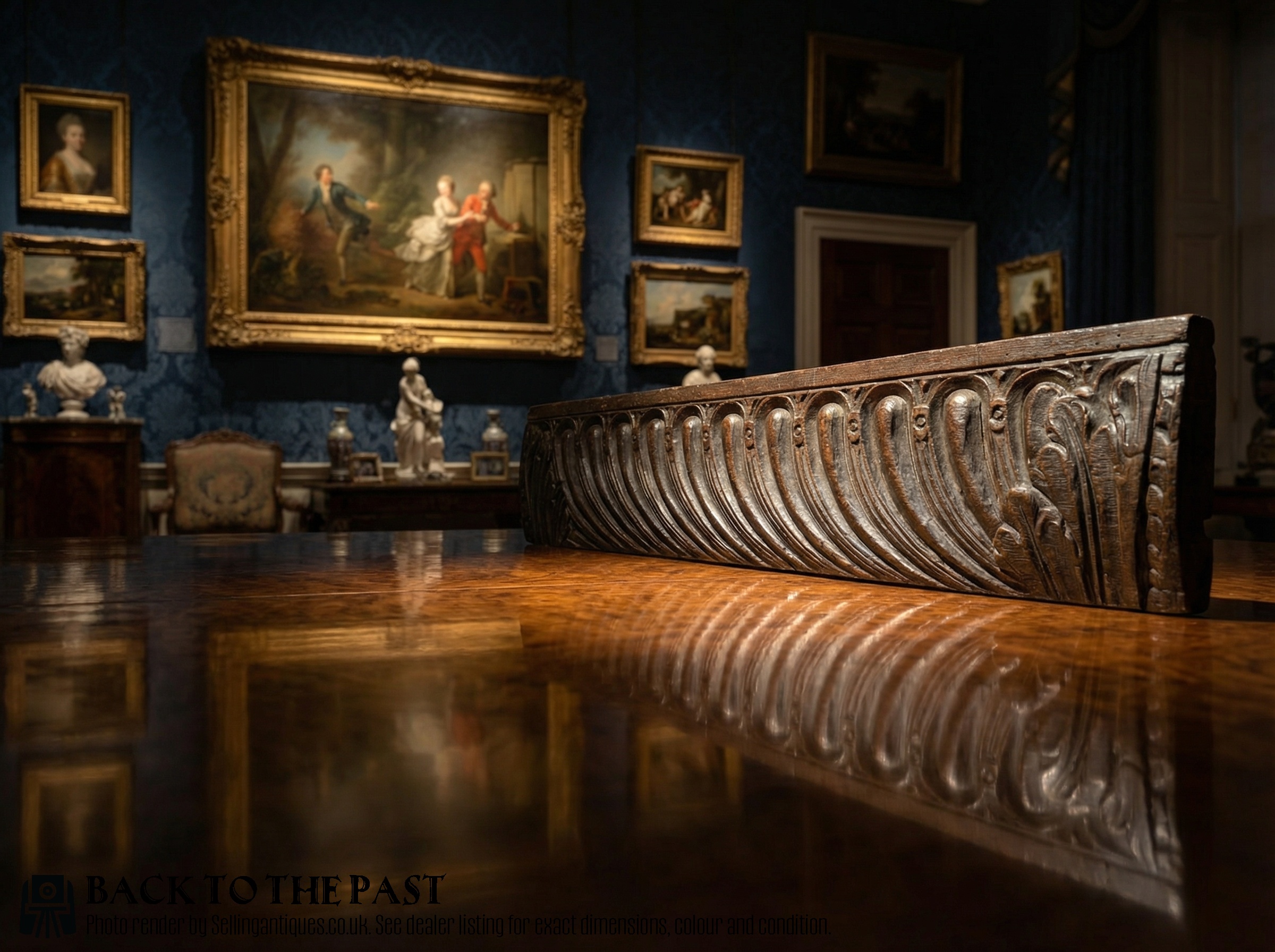
Jacobean Carved Wood Panel
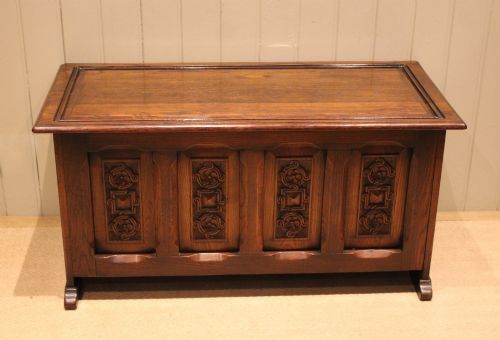
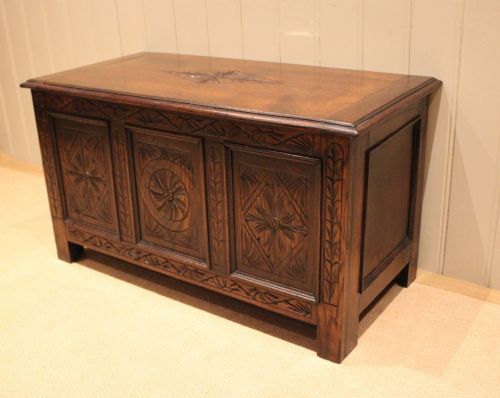
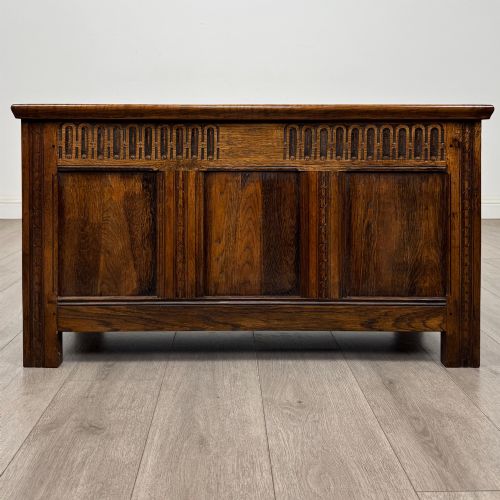
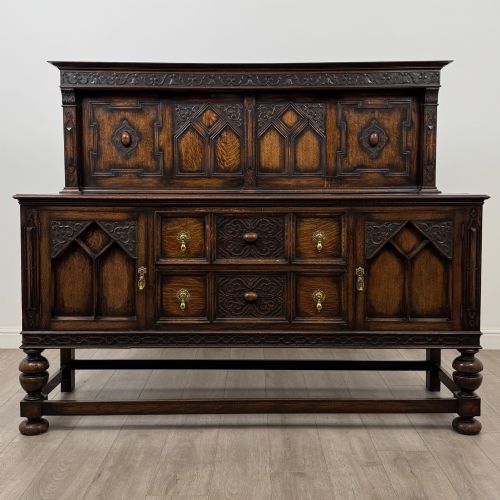
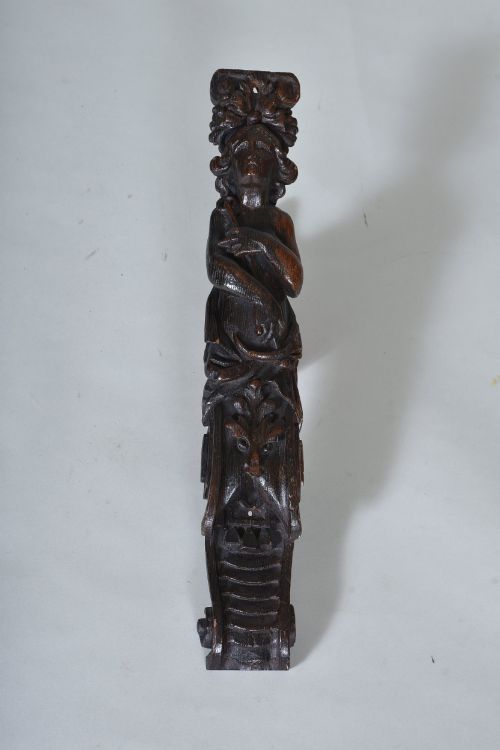
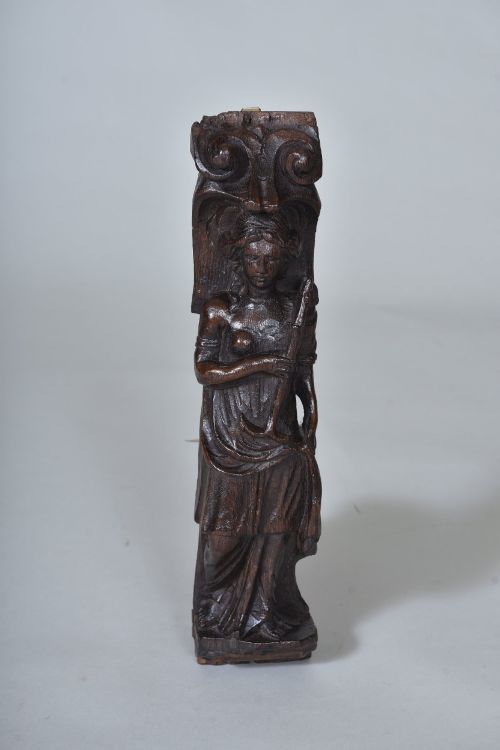
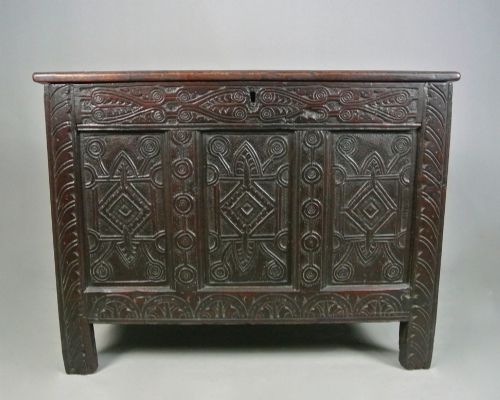
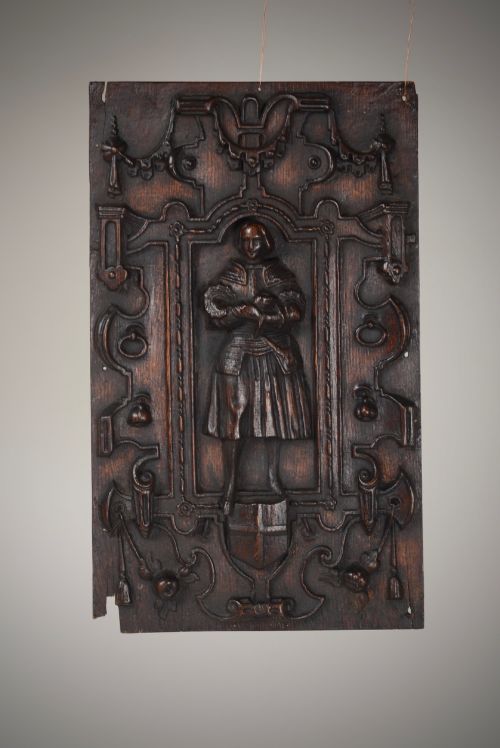
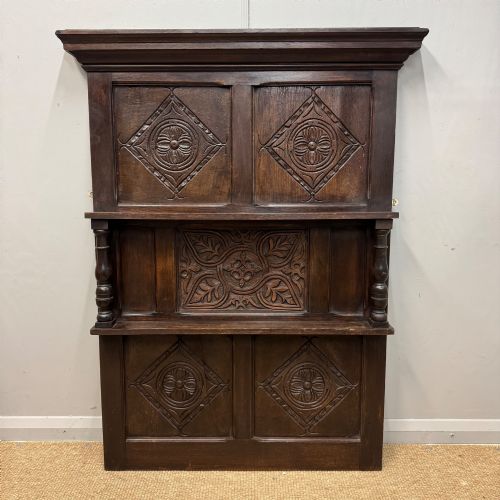
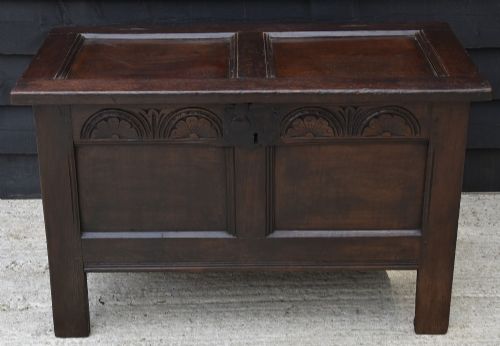
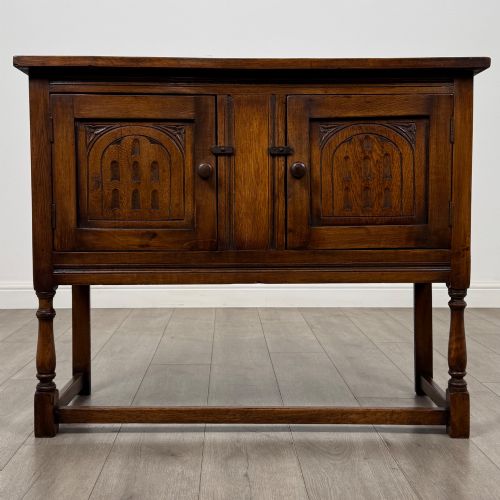
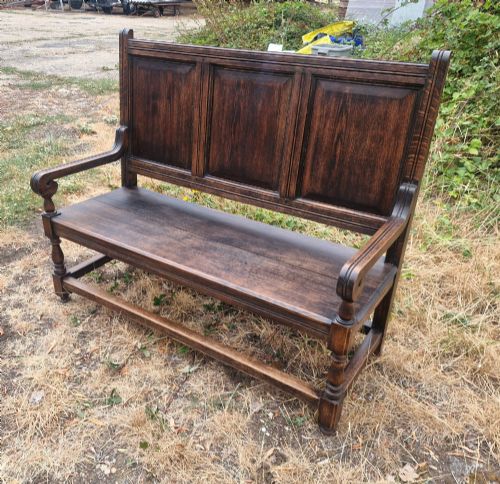
A jacobean carved wood panel represents the architectural joinery of the seventeenth century alongside later revivals from the nineteenth and twentieth centuries. These pieces appear in listings as individual wall reliefs, overmantles, architectural salvage, or incorporated into larger forms such as coffers, sideboards, and wainscot armchairs.
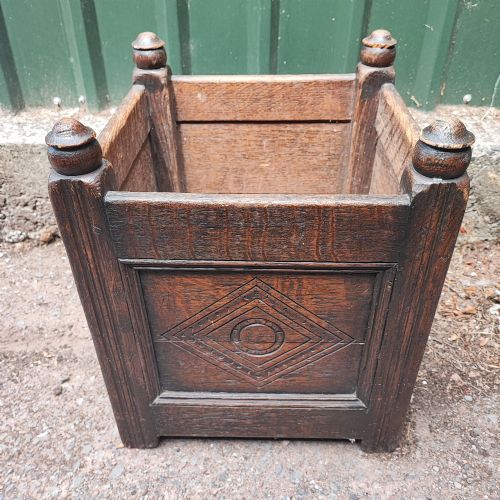
The buyer meets authentic seventeenth-century examples featuring geometric strapwork and floral motifs, alongside Edwardian and Victorian revivals produced in dark oak and limed oak. Many of these elements originated as structural wainscoting before being adapted into wall plaques or furniture components over subsequent centuries.
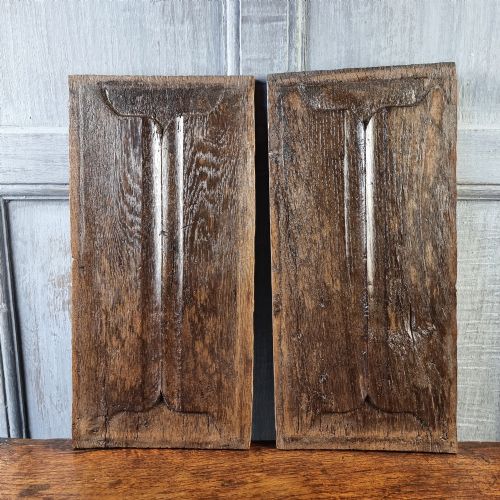
Forms span from simple rectangular wall panels to high-relief figural carvings and linenfold designs. The selection balances genuine period fragments with later revival pieces built in the same manner.
Materials and construction
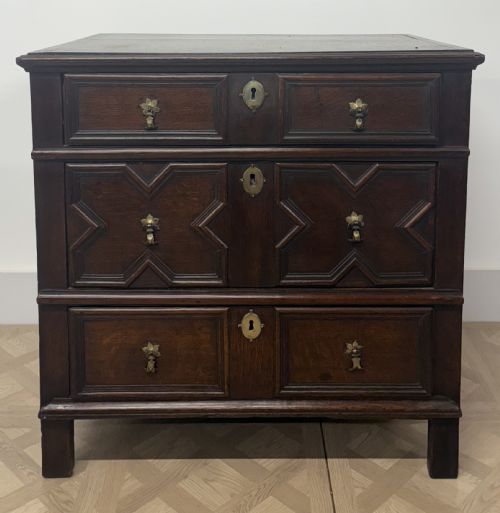
Makers relied primarily on solid English oak, supplemented occasionally by walnut and fruitwood for contrast or specific decorative elements. Iron and brass hardware appears on associated pieces like coffers and chests.
Carvers utilised hand chisels and gouges to create low and high-relief surface decoration directly onto timber boards. Joinery techniques involved mortise and tenon frames surrounding the central carved panels.
The inventory spans the seventeenth, nineteenth, and twentieth centuries, including Edwardian revivals.
Quality factors
Depth and crispness of the chisel work distinguish superior carving from mechanical or later imitation. Crisp undercut details indicate skilled hand tool management by the joiner.
The choice of timber grain and the stability of the original oak board affect the longevity of the panel. Superior examples retain their original surface patination without excessive later sanding or aggressive cleaning.
The Jacobean Carved Wood Panel Glossary
- Coffer
- A large wooden chest used for storage, often featuring front panels carved in the manner of domestic architecture. These boxes form a major category alongside loose panels.
- Linenfold
- A style of relief carving depicting folded fabric, commonly found on sixteenth and seventeenth-century panels. This linen-like pattern mimics vertical folds of cloth.
- Overmantle
- A decorative panel or framework positioned above a fireplace opening. Many surviving examples integrate earlier carved wooden sections.
- Wainscot
- Wooden panelling applied to interior walls, which also gave its name to sturdy armchairs constructed with panelled backs. The term denotes the specific grade of imported oak traditionally used for such work.
Jacobean Carved Wood Panel: Frequently Asked Questions
How do I hang a heavy wooden panel safely?
Heavy carved timber panels require direct fixing into wall studs or masonry using appropriate metal brackets secured to the structural frame of the piece. Avoid relying solely on surface-mounted picture wire for dense oak items.
Distribute the weight evenly across multiple support points to prevent strain on historical joints and fixings.
Are these panels from the seventeenth century?
The listings include both authentic seventeenth-century artefacts and later revival pieces from the nineteenth and twentieth centuries. Distinguishing the age requires examining tool marks, timber shrinkage, and nail types.
Period pieces display irregular hand-cut surfaces and natural oxidation, whereas revival items often show uniform machine processing.
How should I clean antique carved oak?
Maintain carved surfaces by dusting gently with a dry, soft-bristled brush to remove particulate matter from deep recesses. Avoid liquid cleaners or modern polishes that build up within the carved crevices.
Apply a microcrystalline wax sparingly if the timber appears dry, buffing thoroughly to protect the original patination.
What is the difference between original and revival pieces?
Original seventeenth-century panels bear the distinct tool signatures and structural wear of early joinery workshops. Revival pieces produced during the Victorian or Edwardian eras replicate these historical styles using contemporary machinery.
Both categories utilise solid oak, but period items carry centuries of handling wear and environmental exposure.