

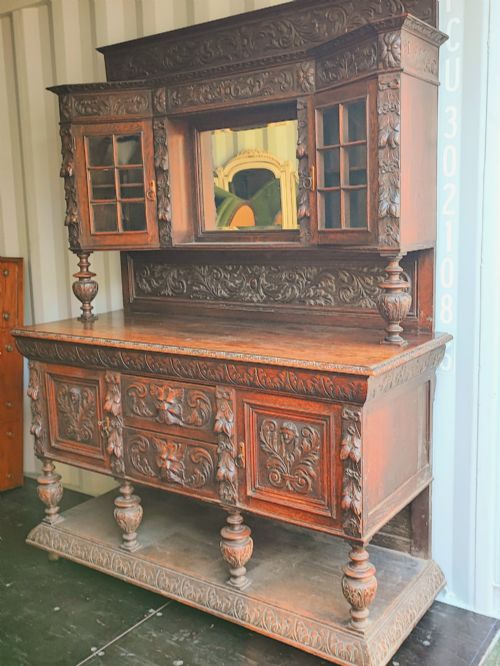
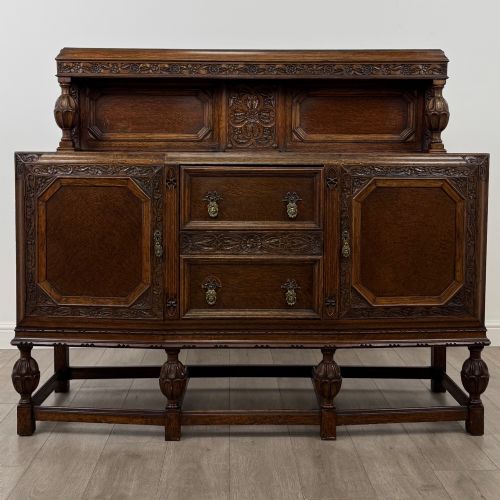
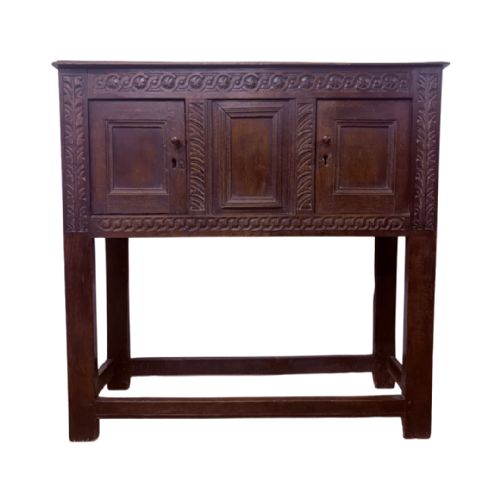
Jacobean Carved Oak Cupboard
A jacobean carved oak cupboard brings heavy timber and deep relief carving into a room, offering robust storage with centuries of historic character.
Jacobean Carved Oak Cupboard
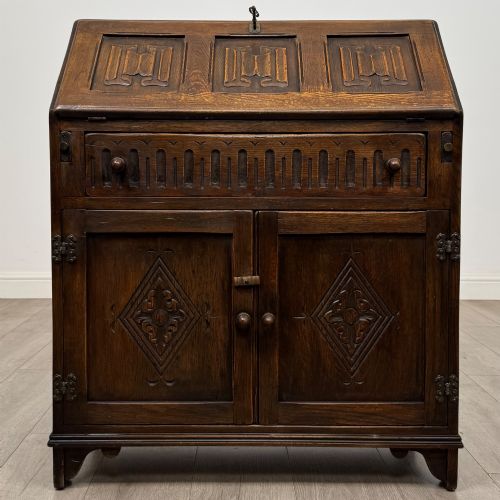
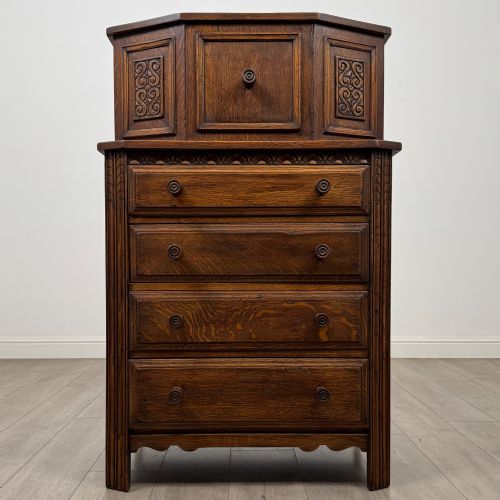
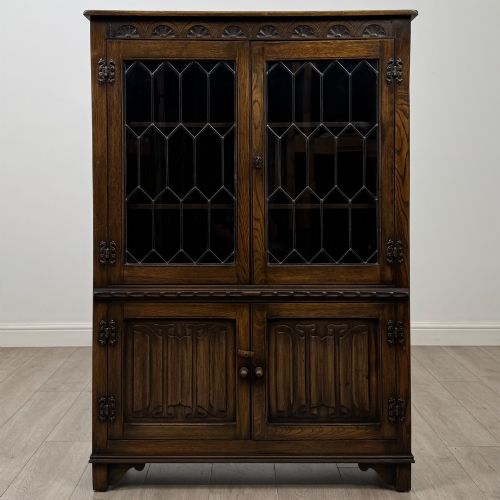
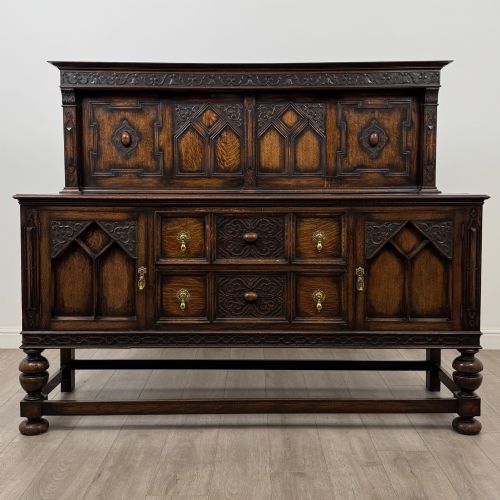
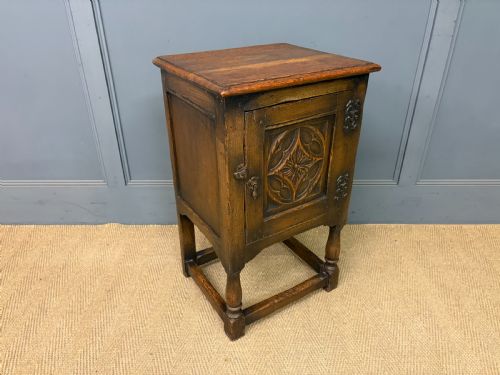
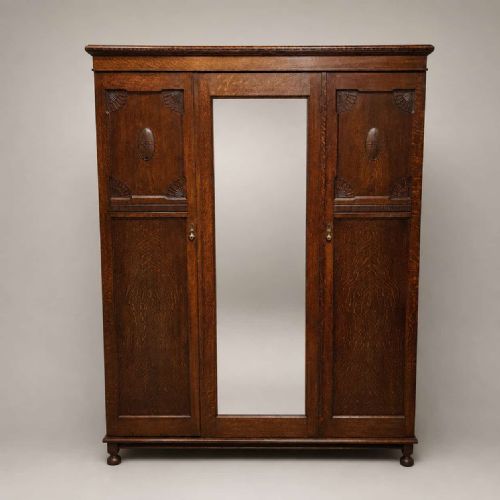
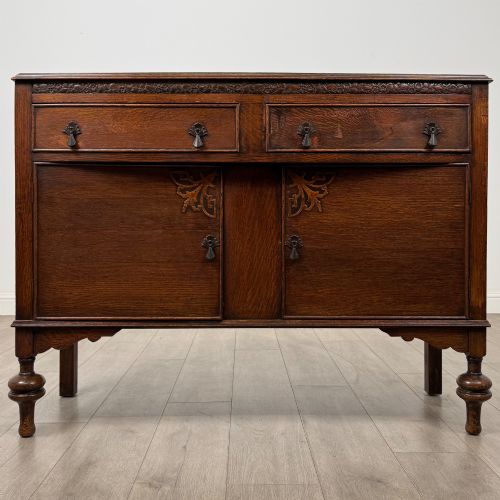
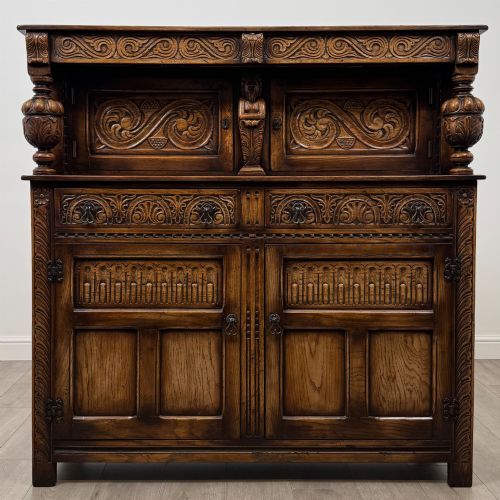
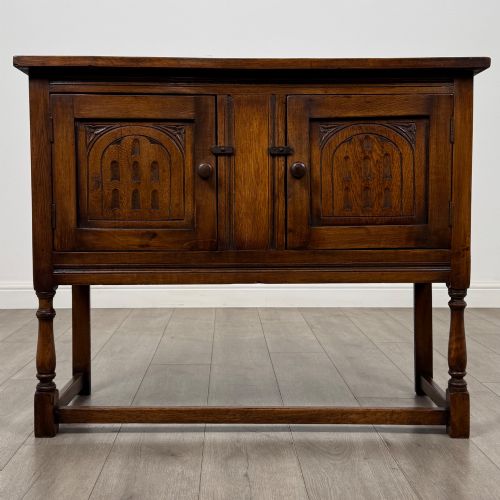
When you search for a jacobean carved oak cupboard, you encounter a range of forms spanning genuine seventeenth-century pieces to later revival furniture. The listings here include court cupboards, press cupboards, wall-hanging cabinets, and sideboards built from heavy timber. Edwardian and Victorian revivals appear frequently alongside pieces from the seventeenth, eighteenth, and nineteenth centuries.
Original seventeenth-century examples sit alongside twentieth-century revival pieces that adopt traditional motifs like linenfold panels and geometric moulding. Sideboards, wardrobes, and dresser bases also populate the selection, providing substantial storage capacity. The variety reflects changing domestic needs across periods while maintaining the core aesthetic of dark wood and carved decoration.
Distinctions in quality and finish
Quality separates period originals from later revival pieces through the crispness of the hand-carving and the depth of the timber's natural patina. Early joined construction demonstrates meticulous craftsmanship in frame assembly compared to mass-produced revival joints.
The choice of hardware, including original brass or wrought iron mounts, alters the integrity of the piece. Untouched surface condition and well-preserved timber grain elevate an example above heavily restored or altered equivalents.
Early cupboard builders doubled as carpenters and joiners, occasionally hiding signature tool marks inside unseen joints to mock rival craftsmen.
The Jacobean Carved Oak Cupboard Glossary
- Court cupboard
- A heavy seventeenth-century storage piece with an upper and lower section, often featuring recessed upper doors supported by carved columns.
- Linenfold
- A style of wood carving that mimics vertical folds of fabric, commonly found on panelled doors.
- Press cupboard
- A large enclosed storage furniture item designed for linen and garments, typically featuring panelled doors and internal shelving.
- Patina
- The deep surface sheen and colour developed by aged wood through handling, waxing, and time.
- Barley twist
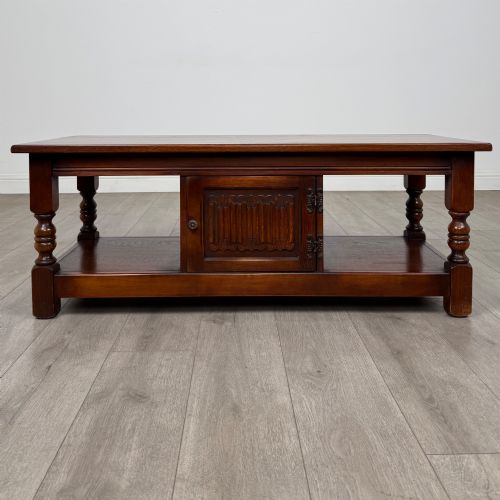
- A type of turning shaped like a spiral rope, popular in seventeenth-century and revival furniture legs and supports.
Jacobean Carved Oak Cupboard: Frequently Asked Questions
How do I identify a 17th-century piece?
Seventeenth-century pieces display pegged frame construction, hand-split oak panels, and deep natural patination that develops over centuries of use. Tool marks and irregular jointing indicate hand-tool work prior to industrial manufacturing.
Revival pieces from the Victorian and Edwardian eras often use standardised machine-cut components, modern fixings, and more uniform timber finishes even when carved in an antique style.
Where were these cupboards used?
These cupboards served as principal storage furniture in great halls, dining rooms, and parlours to store food, plate, and household textiles. Court cupboards held ceremonial silver and provisions, while smaller wall cabinets held valuables.
In modern interiors, they function as striking storage sideboards, hallway cabinets, or statement display pieces for living spaces.
How should I care for solid oak?
Maintain solid oak furniture by keeping it away from direct heat sources and dramatic humidity fluctuations that cause timber to split. Apply natural beeswax periodically to nourish the grain and preserve the surface sheen.
Avoid commercial liquid polishes containing silicones, which build up on the surface and dull the historic finish over time.
What is the difference between revival and period pieces?
Period pieces date from the seventeenth or eighteenth centuries and carry the authentic wear, construction methods, and material ageing of their era. Revival pieces were manufactured during the Victorian, Edwardian, or twentieth-century periods using historical styles.
Revival furniture borrows seventeenth-century motifs like geometric mouldings and heavy carving while employing the woodworking standards of its own decade.