


Ivory Wool Carpet
An ivory wool carpet brings warmth and a muted, neutral foundation to a room, drawing on centuries of traditional weaving traditions from the Near East and Asia.
Ivory Wool Carpet
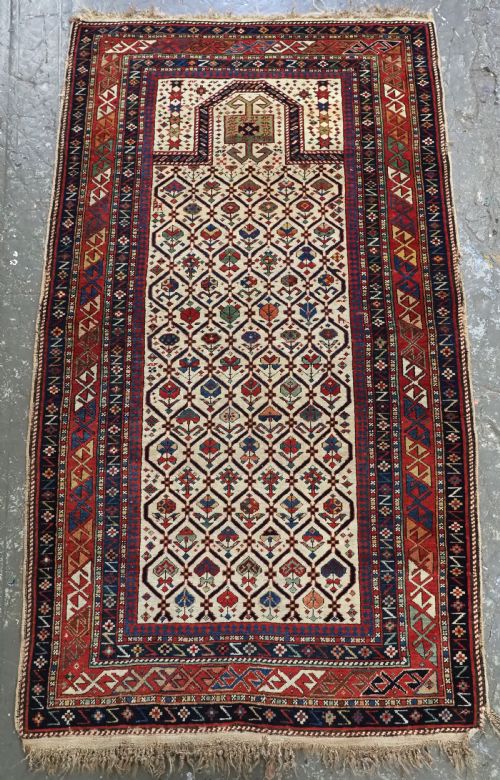
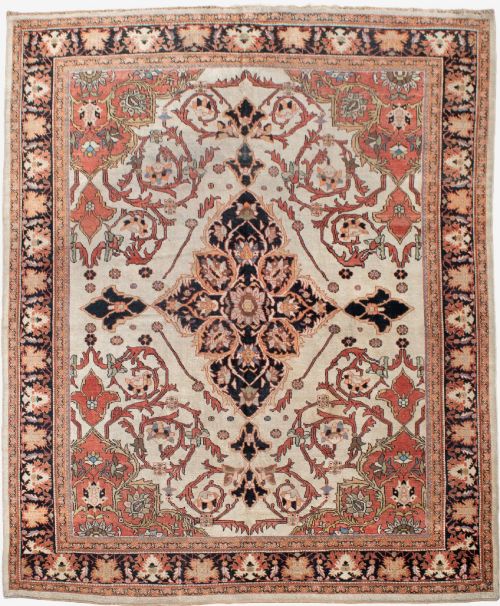
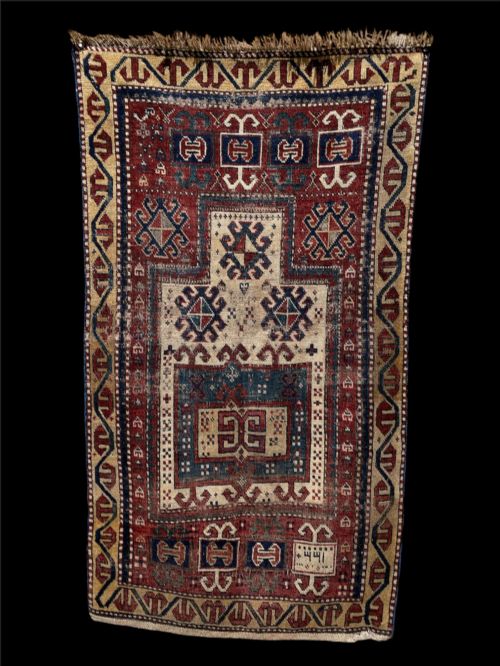
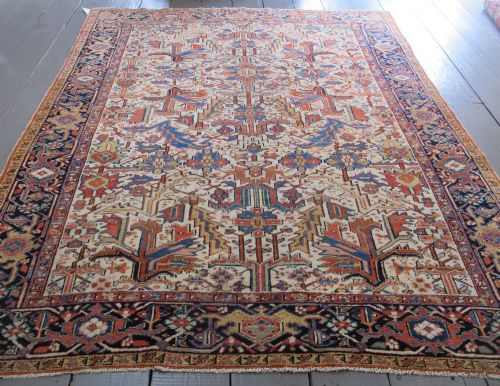
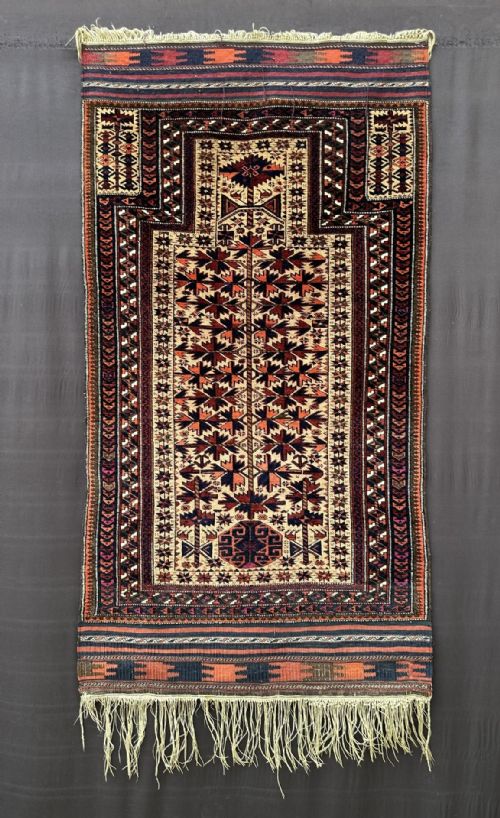
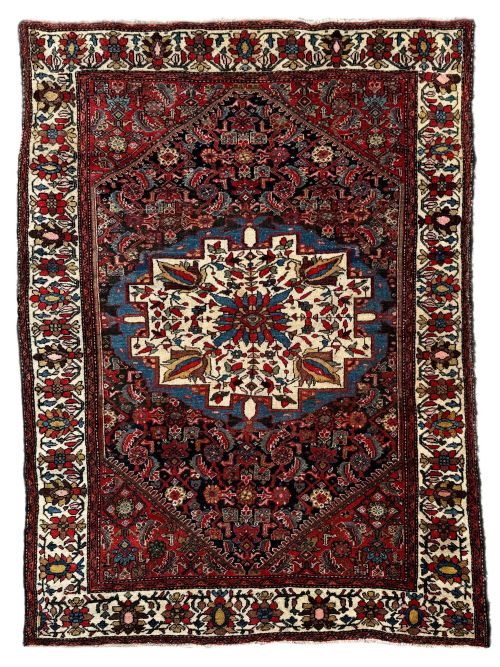
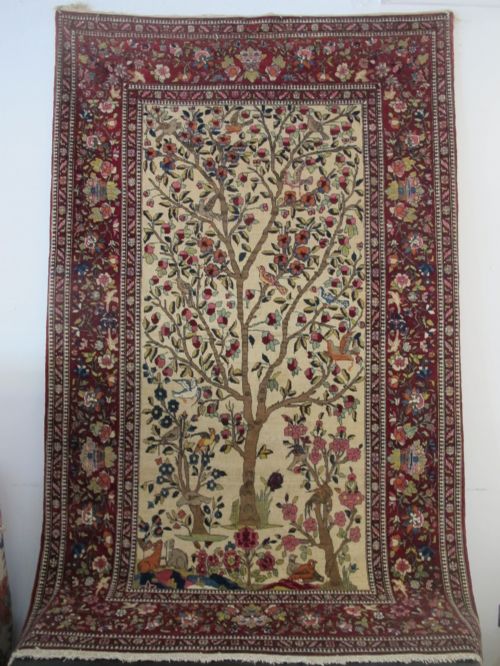
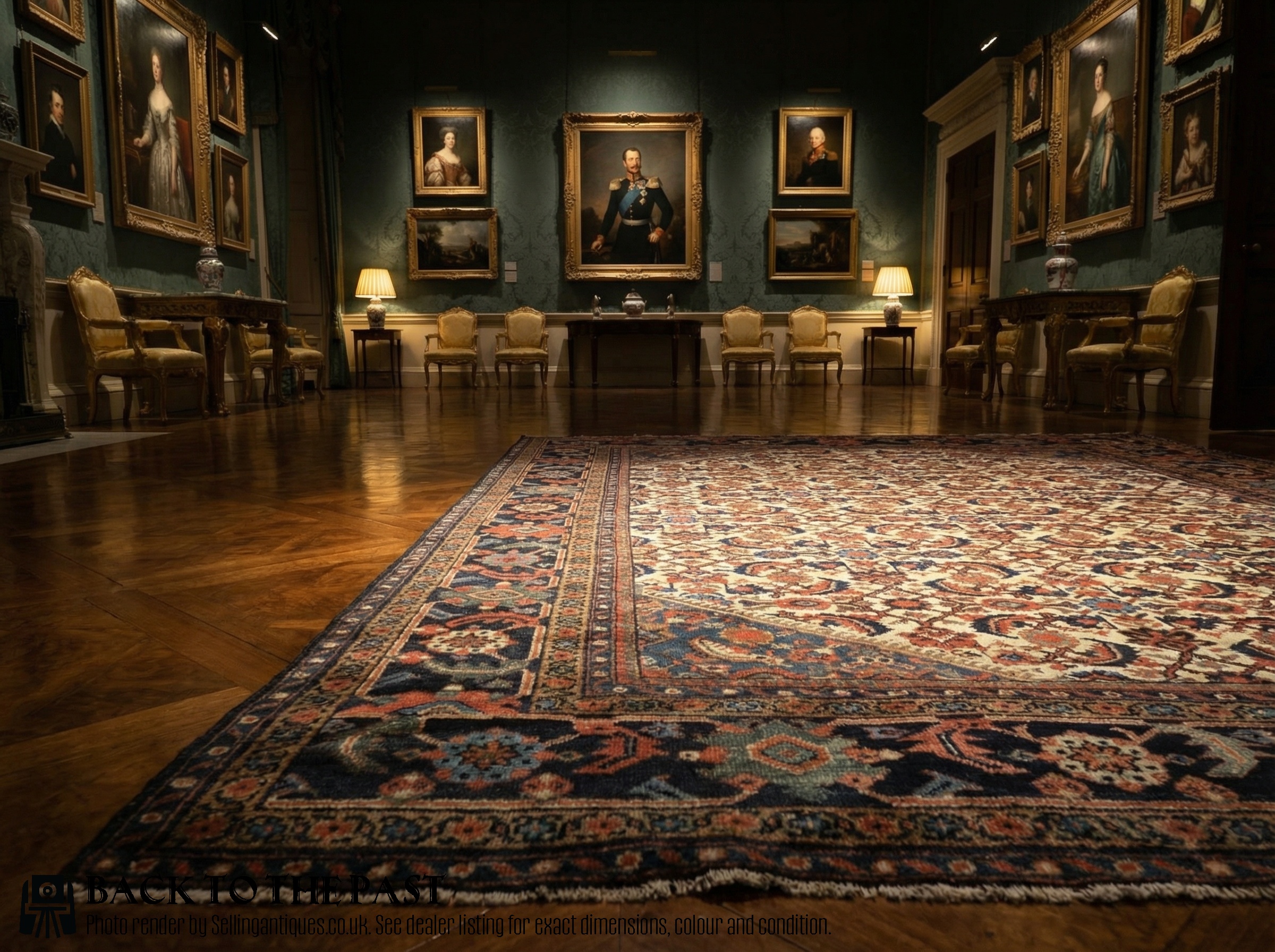
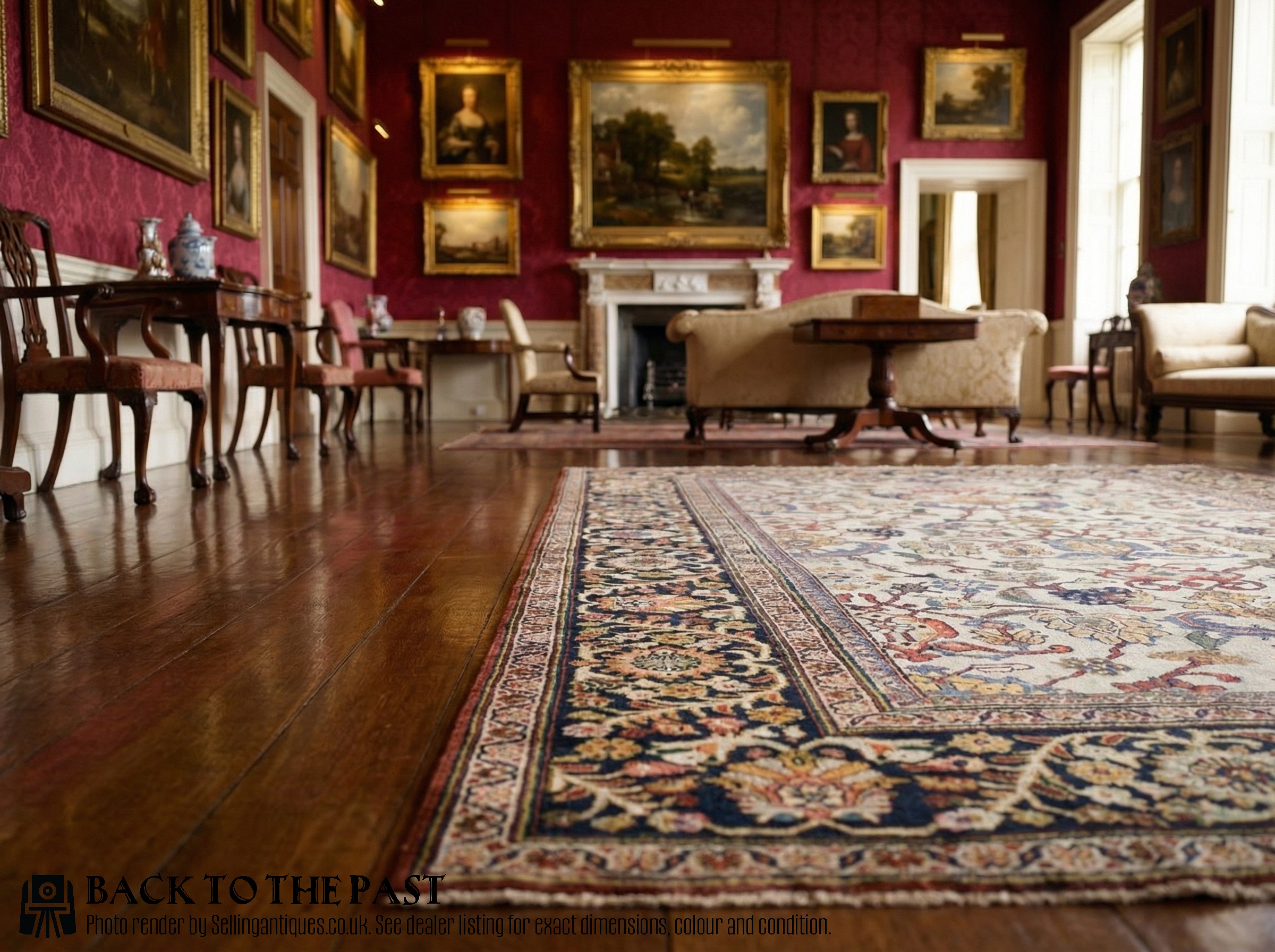
An ivory wool carpet forms a substantial floor covering featuring a pale, creamy ground that illuminates traditional room schemes. These pieces originate from notable weaving centres including Persia, Turkey, and China, spanning the late nineteenth century through to the early decades of the twentieth century. The selection on this page brings together room-sized floor coverings and substantial area rugs.
The regional styles vary widely across the inventory, ranging from classic Persian Heriz and Mahal designs to grand Ushak, Kirman Laver, Isfahan, and Peking carpets. Buyers encounter large-scale medallion layouts alongside intricate overall floral patterns woven during the Qing Dynasty or the late Ottoman period. Each rug reflects the specific aesthetic of its workshop, united by the use of an ivory or pale neutral wool ground.
How they were made
The structural foundation of an ivory wool carpet relies on hand-spun wool pile knotted tightly onto cotton warps and wefts. Weavers utilised natural dye stuffs derived from plants and insects to achieve the soft, complex tones visible across the intricate borders and central fields.
Manual hand-knotting creates a dense, resilient pile capable of withstanding generations of daily foot traffic. Artisans bound the horizontal edges and secured the fringes by hand, completing each floor covering over many months of dedicated labour.
Ivory Wool Carpet Retail Price Guide 2026
Typical asking prices for ivory wool carpet among the pieces listed under this phrase on Sellingantiques today, from the lower quarter to the upper quarter. They describe what is for sale here now, not the wider market.
The sheep that grew this wool centuries ago had no idea their winter coats would end up keeping modern coffee tables company.
What varies in quality
The distinction between standard examples and finer works rests on knot density and the crispness of the drawn design. Higher knot counts permit greater curvilinear detail in the medallions and floral motifs, whereas coarser weaves produce a more rustic, geometric interpretation.
Purity of the wool and subtlety of the abrash - the natural tonal variations within the ivory ground - distinguish exceptional rugs. A well-balanced palette where the secondary colours complement the pale field demonstrates superior artistic judgement by the original workshop.
Mahal workshop·Kirman Laver tradition·Ushak Oushak weavers·Isfahan looms
The Ivory Wool Carpet Glossary
- Abrash
- Natural variations of shade within a single colour field caused by distinct batches of dyed yarn. This subtle striping indicates traditional hand-dyeing methods.
- Warp
- The vertical threads stretched tightly on the loom that form the structural skeleton of the carpet. Cotton is the standard material for these supporting foundation threads.
- Weft
- The horizontal threads passed alternately over and under the warp threads to lock the rows of knots in place. Together with the warp, they create the stable grid of the rug.
- Pile
- The vertical tufts of wool that stand up from the woven foundation to form the tactile surface of the carpet. Tightly packed pile protects the foundational knots underneath.
- Medallion
- A large, symmetrical ornamental design centred in the middle of the carpet field. Many traditional weaving styles place this central motif as the focal point of the composition.
Ivory Wool Carpet: Frequently Asked Questions
How do I care for an antique wool carpet?
Vacuum the rug gently using a suction-only attachment without a rotating brush bar to protect the delicate wool pile. Professional specialist cleaning removes embedded grit safely without damaging the natural dyes.
Rotate the floor covering every year to ensure even exposure to sunlight and foot traffic. Placing a breathable underlay beneath the carpet prevents slipping and reduces wear against hard flooring.
Can I place these carpets in high traffic areas?
Hand-knotted wool possesses natural resilience and lanolin oils that resist dirt, making these rugs suitable for living spaces and dining rooms. The sturdy cotton foundations provide structural stability under moderate daily movement.
Avoid placing antique textiles in damp environments or areas exposed to direct, harsh sunlight for extended hours. Proper placement preserves the structural integrity of the wool and prevents the pale ivory ground from fading unevenly.
How do regional styles differ?
Persian pieces like Heriz and Mahal feature bold geometric structures or robust floral elements suited to stately rooms. Ushak and Turkish rugs often display larger, more open medallion compositions with softer, blended colour palettes.
Chinese Peking carpets present restrained, elegant motifs influenced by imperial aesthetics. Each region employs distinct knotting techniques and local wool characteristics that define the handle and weight of the piece.
What does an ivory ground indicate?
An ivory field provides a neutral backdrop that allows surrounding furniture and architectural details to stand out without visual competition. It requires careful dyeing of the white wool to achieve a creamy tone that ages gracefully.
Pale grounds highlight the intricacy of the surrounding borders and central motifs by creating high visual contrast. This versatile neutral base explains the enduring popularity of these specific carpets among interior designers.