


Ivory Persian Carpet
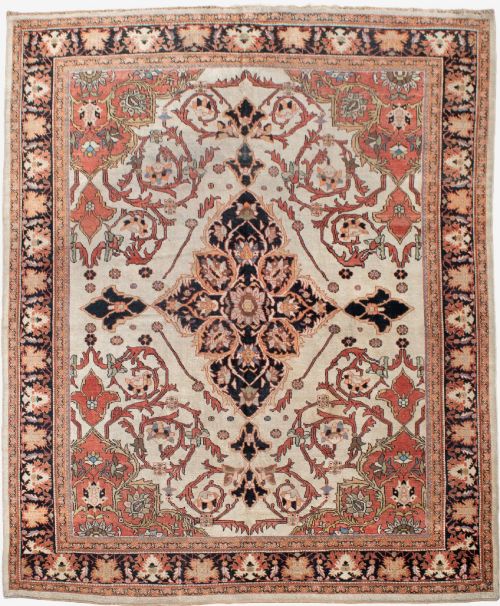
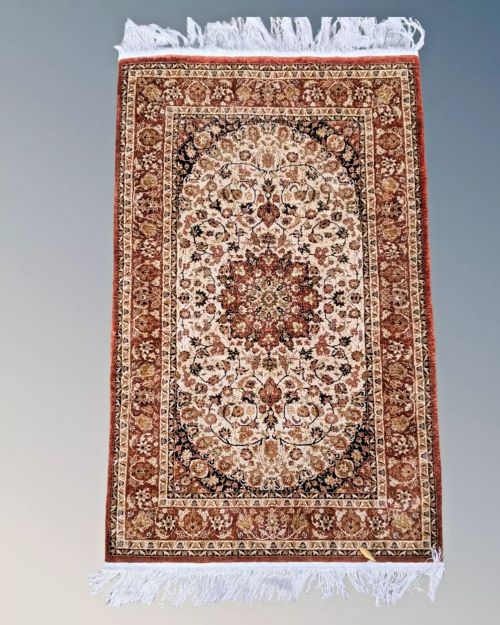
An ivory persian carpet brings light and traditional pattern into a room through pale wool and intricate floral motifs.
Ivory Persian Carpet
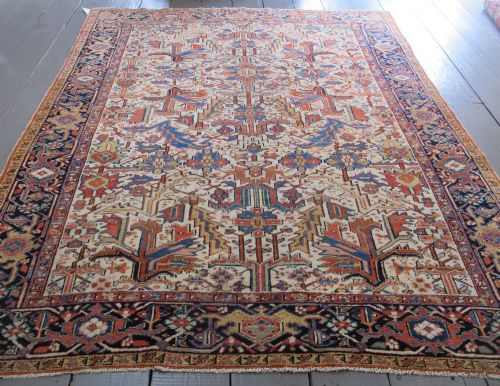
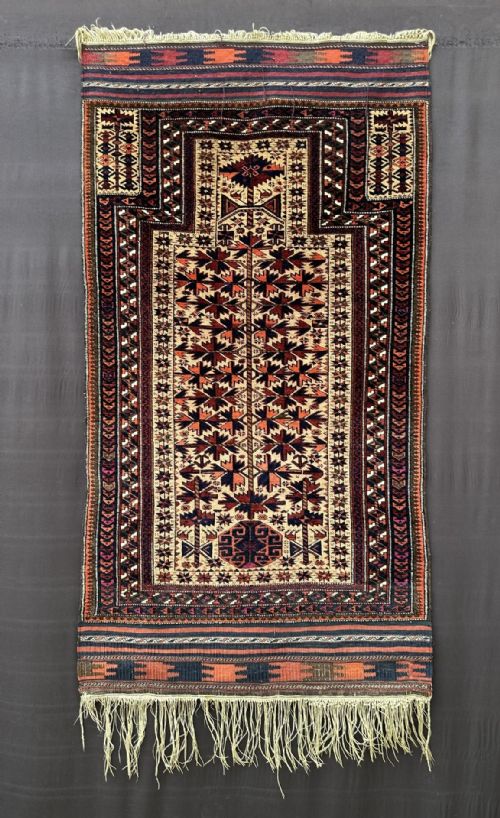
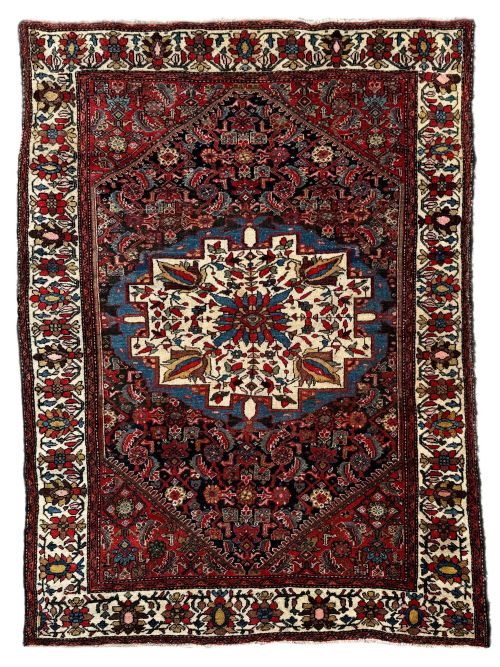
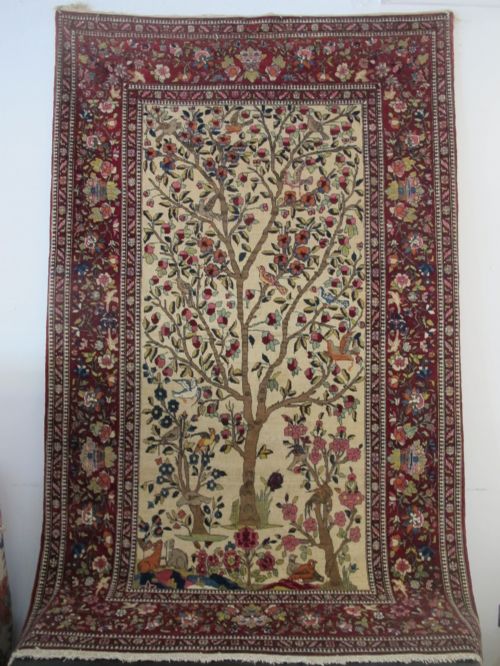
An ivory persian carpet spans city workshops and tribal regions across the nineteenth and early twentieth centuries, offering pale backgrounds that make complex medallions and floral fields stand out clearly. You will frequently encounter room-sized carpets and smaller rugs bearing traditional Persian styles from centres such as Tabriz, Mahal, and Heriz.
Makers from various weaving traditions utilised light neutral fields to frame intricate botanical designs, geometric lattices, and central star medallions. These pieces range from finely knotted city rugs in silk and wool to sturdier village and tribal carpets produced with hand-spun materials.
How they were made
Weavers constructed these carpets primarily using wool and cotton foundations, occasionally incorporating silk highlights for finer detail in city workshops. Natural dyes provided the deep blues, reds, and soft pastels that contrast against the predominant ivory ground.
Hand-spun wool gives the pile its durable texture and subtle variations in tone, while careful knotting secures the dense patterns seen in traditional Heriz, Tabriz, and Isfahan examples.
Several early village rugs cleverly hide whimsical butterflies among their traditional ivory fields and borders.
What varies in quality
Knot density and precision of line dictate the fineness of the weaving, separating workshop carpets with delicate floral details from coarser tribal work. The quality of the wool and the depth of the natural dyes influence how well the pale ivory background retains its clarity and luminous character over time.
Ahmadi Isfahan·Yaqoub Khani Tribe
The Ivory Persian Carpet Glossary
- Medallion
- A central ornamental design motif placed in the middle of the carpet field. It usually takes a circular, star, or lobed geometric form.
- Ground
- The background colour of the main field surrounding the central motifs and borders. In these pieces, it is predominantly ivory.
- Warp
- The stationary vertical threads stretched upon the loom that form the structural foundation of the carpet. Weft threads pass across them to secure the knots.
- Pile
- The surface of the carpet formed by the cut ends of knotted yarn. It provides the tactile texture and depth of the design.
Ivory Persian Carpet: Frequently Asked Questions
How do I clean an ivory persian carpet?
Vacuum gently without using a rotating brush roll to protect the wool pile and fringe. Professional textile cleaning is recommended for deeper maintenance to preserve natural dyes.
Avoid harsh chemical treatments or excessive moisture, which can damage the foundation threads and cause colour bleeding across the pale ivory background.
Where were these carpets originally woven?
These carpets originate from various regions across Persia, encompassing both urban workshops in cities like Tabriz and Isfahan, as well as rural village and tribal areas.
Different districts developed distinct aesthetic traits, ranging from the bold geometric designs of Heriz to the delicate floral compositions of Kashan and Qum.
Can I place a carpet in a high traffic area?
Many traditional village and tribal carpets utilise sturdy hand-spun wool and robust cotton foundations suited for everyday living spaces. Placing a quality underlay helps absorb foot pressure and prevents slipping.
Finer silk highlights or delicate antique pieces benefit from placement in lower traffic zones to protect the integrity of the pile over decades.
How do I date an older carpet?
Dating relies on examining structural characteristics, wool consistency, dye palettes, and stylistic markers associated with specific weaving periods. Nineteenth and early twentieth century pieces often display distinct botanical motifs and organic dye variations.
Comparing knot structure and design layouts against documented regional examples helps narrow down the approximate decade of production.