



Vintage Woven Wool Rug
These vintage woven wool rug pieces combine traditional village motifs with durable natural fibres to anchor a floor with genuine age.
Vintage Woven Wool Rug
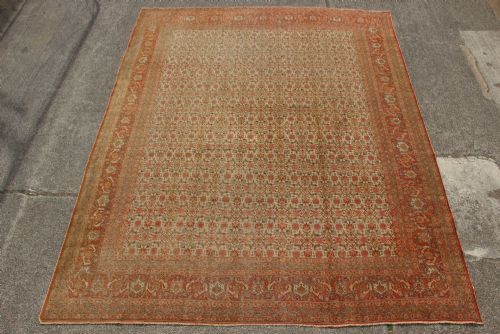
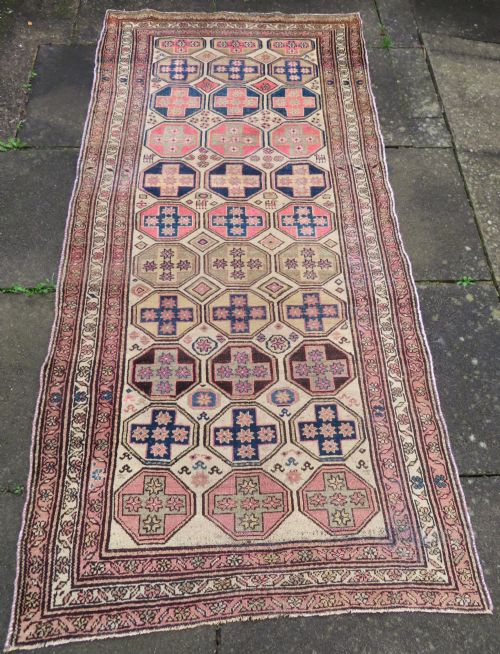
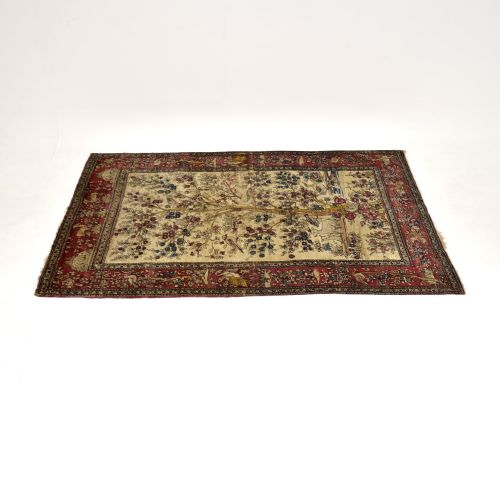
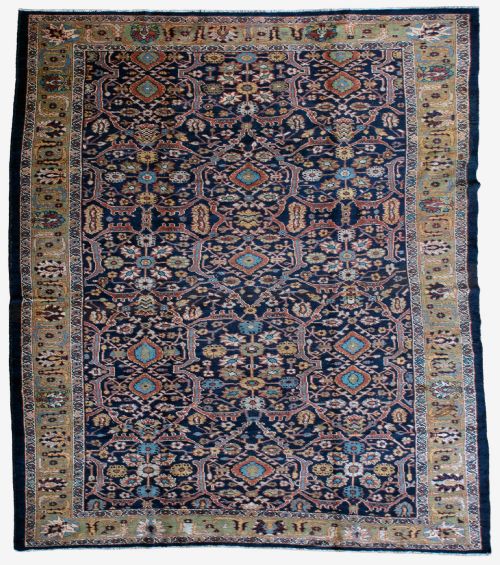
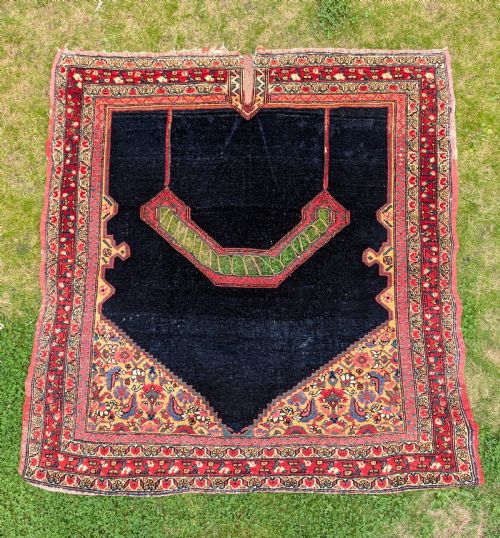
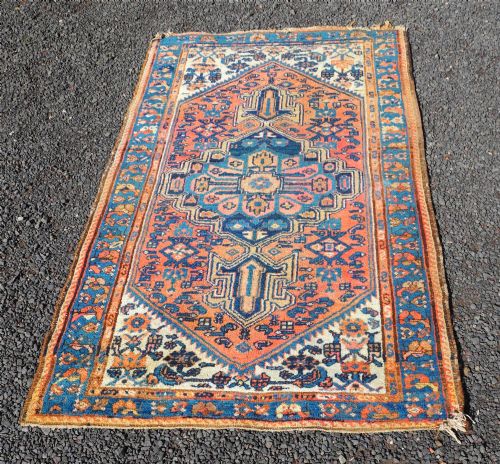
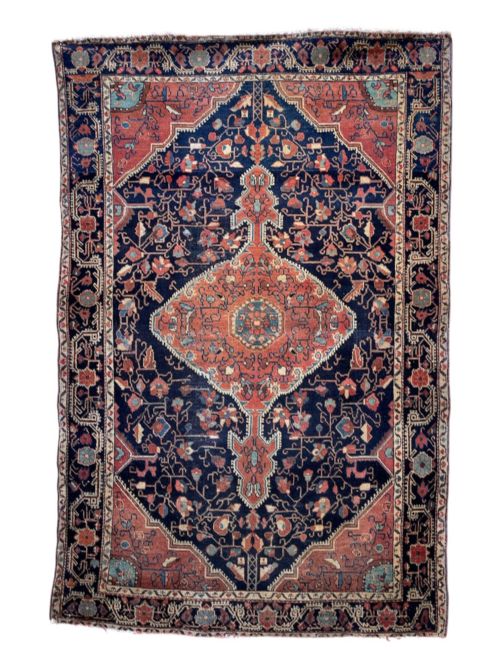
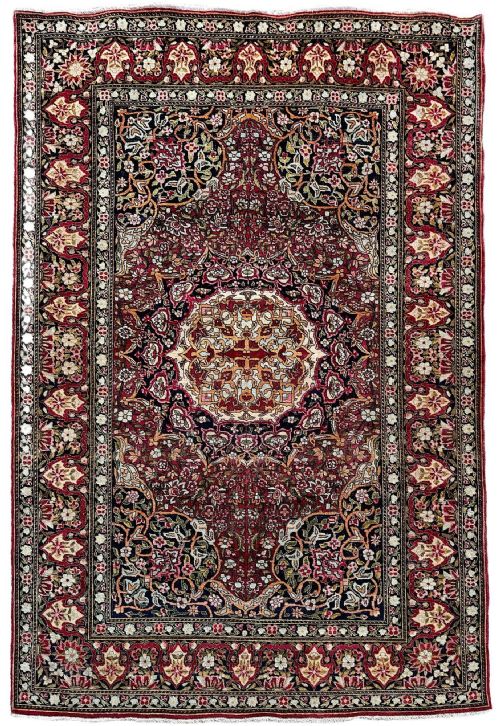
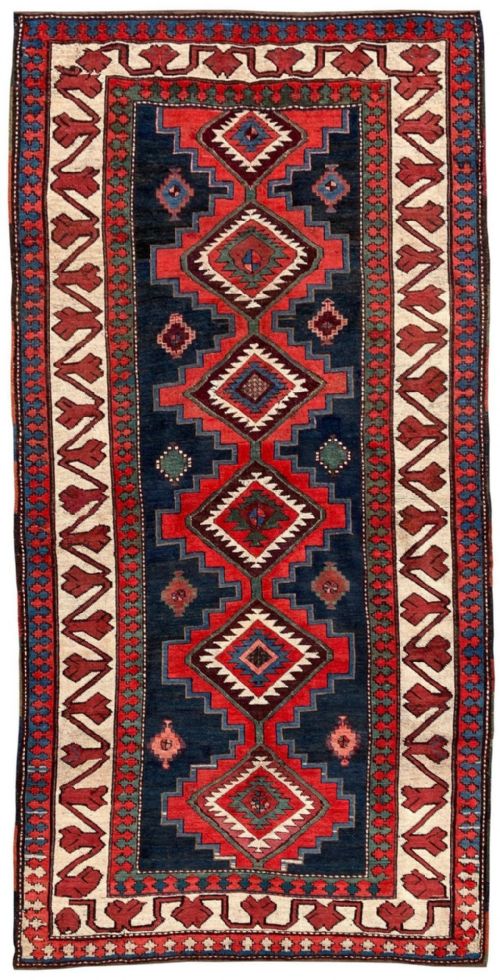
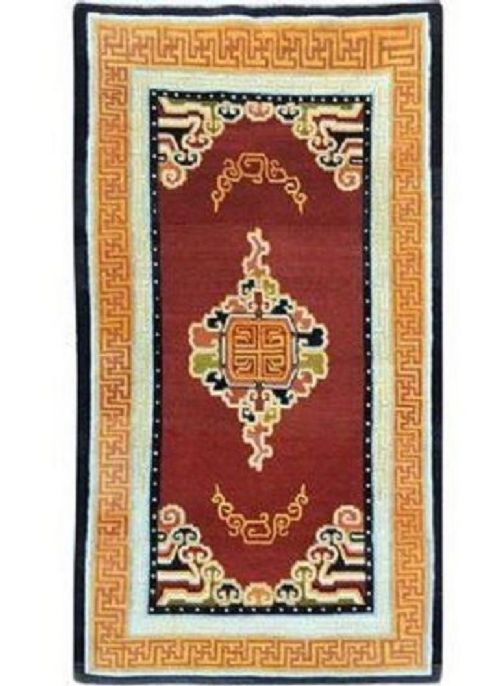
A vintage woven wool rug brings centuries of regional weaving traditions directly into domestic spaces, drawing from Persian, Caucasian, Tibetan, and Anatolian tribal origins. The pieces found here span from the mid nineteenth century through the early decades of the twentieth century, including room-size carpets, runners, and smaller hearth rugs.
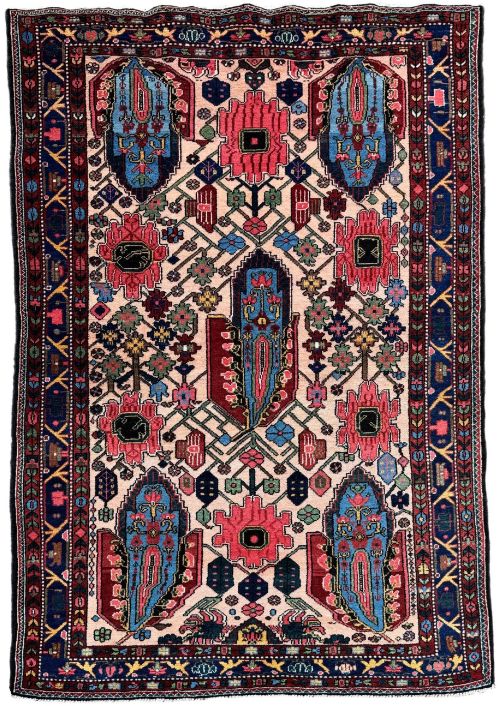
Buyers encounter numerous distinct regional styles, ranging from geometric Caucasian Kazak and Karabagh designs to intricate floral Persian Saroukh, Heriz, and Mahal carpets. Village and nomad workshops produced much of this inventory, resulting in spontaneous design variations rather than rigid factory output.
How They Were Made
Weavers relied principally on hand-spun wool, cotton foundations, and occasional silk highlights to construct these textiles on upright looms. Natural dye sources yielded the characteristic warm reds, rusts, and mellow background tones recorded across the various tribal traditions.
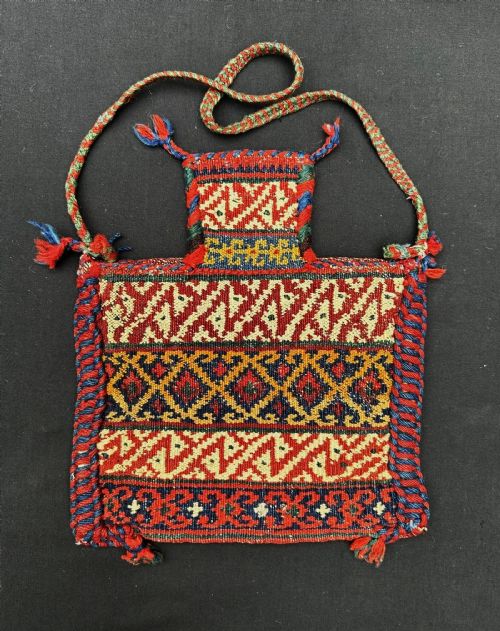
Nomadic and village producers knotted or flat-wove their materials with dense pile or flatweave structures, such as kilims and tapestries, designed for daily wear. Artisans incorporated supplementary materials like glass beads or alternative animal fibres in specific regional bags and textiles.
The inventory spans the nineteenth century alongside production dates from 1850 up to 1930.
What Varies in Quality
Quality rests upon the tightness of the knotting, the handling of the wool, and the crispness of the regional design execution. Finer examples display superior dye saturation and intricate precision within tribal motifs like the pencil box or tree of life patterns.
The integrity of the foundation warps and the balance of secondary borders distinguish standard village output from master workshops. Longevity depends on how evenly the pile has worn down over generations of domestic use.
The Vintage Woven Wool Rug Glossary
- Kilim
- A flat-woven carpet or rug produced without a pile by tightly interweaving warp and weft strands. These pieces often serve as lighter floor coverings or wall hangings.
- Pile
- The upright loops or cut ends of yarn that form the usable soft surface of a rug. Higher knot density in the pile generally correlates with greater durability.
- Warp
- The vertical foundation threads stretched lengthwise on a loom before weaving begins. Wool or cotton warps support the entire structural weight of the textile.
- Weft
- The horizontal threads passed alternately over and under the warp threads to bind the knots in place. Weft rows compact the design tightly after each line of knots.
- Knot density
- The measurement of individual knots per square unit, indicating the intricacy of the weave. Higher densities permit more detailed curves and motifs.
Vintage Woven Wool Rug: Frequently Asked Questions
How do I clean an old wool rug?
Gentle surface vacuuming without a beater bar removes loose dirt from the wool fibres safely. Professional specialist cleaning remains necessary for deeper washing to protect natural dyes.
Harsh chemical detergents and excessive water damage the traditional wool and cotton foundations. Consult a textile conservator for valuable or fragile pile pieces.
Where were these rugs made?
Production centres span traditional weaving regions including Persia, the Caucasus, Anatolia, and Tibet. Village workshops and nomadic groups manufactured the majority of these pieces.
Specific provinces such as Kerman, Hamadan, and Kurdistan yielded distinct regional styles and colour palettes. Local sheep breeds provided the foundational wool for each area.
Are these rugs suitable for high traffic?
Dense hand-spun wool construction provides natural resilience against everyday domestic foot traffic. Hallways and living areas benefit from sturdy runner and carpet formats.
Placing an appropriate underlay beneath the rug prevents slipping and reduces fibre friction. Regular rotation distributes wear evenly across the surface over time.
How do I identify regional rug designs?
Geometric medallions and bold primary colours typically indicate Caucasian or Anatolian tribal origins. Floral sprays and central medallion layouts frequently point towards Persian city or village workshops.
Border motifs and specific structural weaving traits help attribute pieces to particular tribes or provinces. Comparing knot structures clarifies distinctions between neighbouring weaving cultures.