


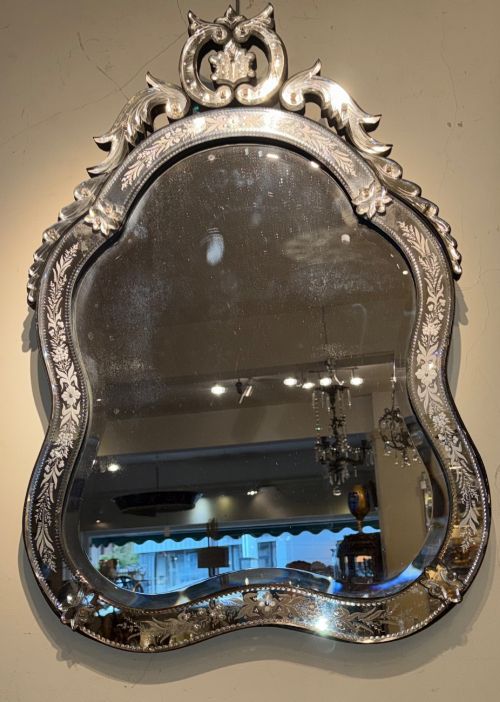
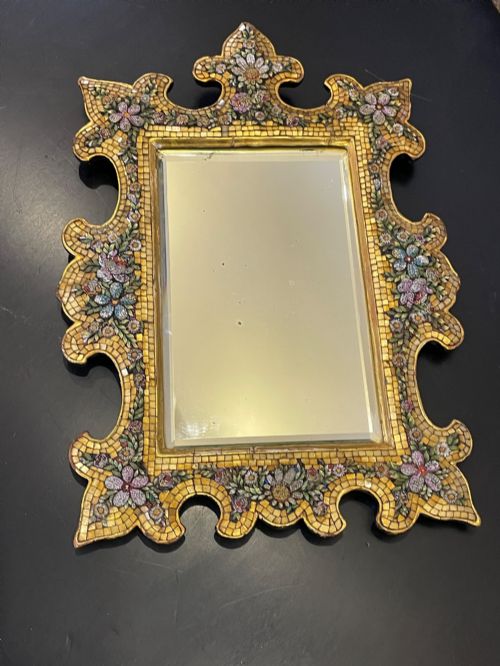
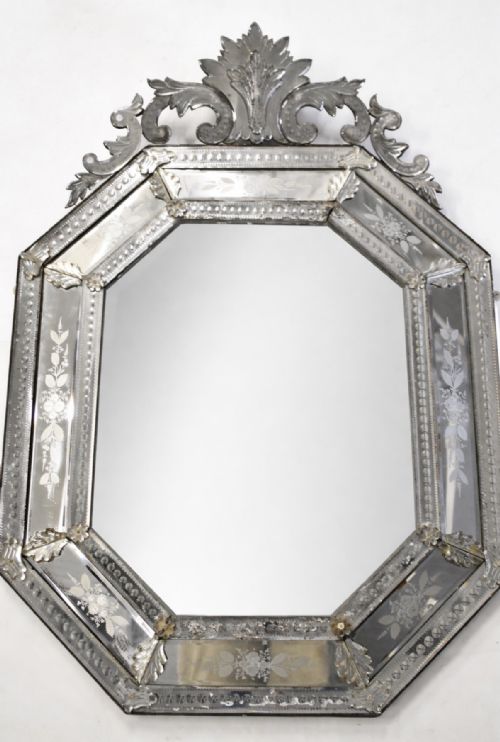


Italian Venetian Wall Mirror
An italian venetian wall mirror brings remarkable depth and brilliant reflection to a room, combining elaborate glasswork with traditional craftsmanship.
Italian Venetian Wall Mirror
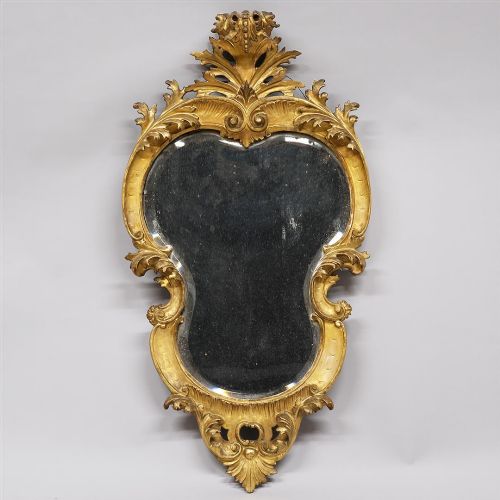
When you search for an italian venetian wall mirror, you encounter decorative looking-glasses that range from eighteenth-century giltwood frames to twentieth-century art deco examples.
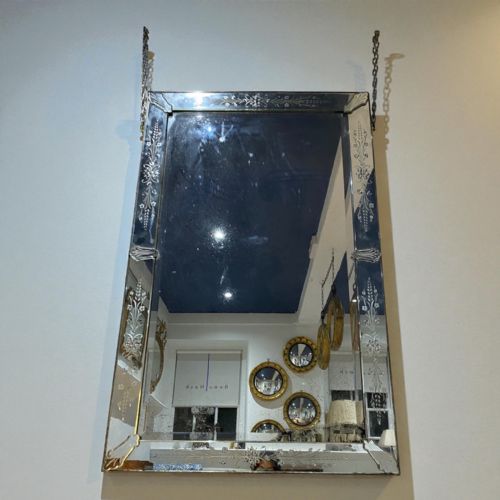
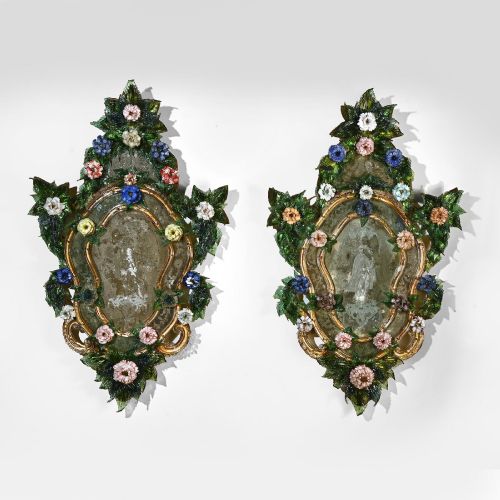
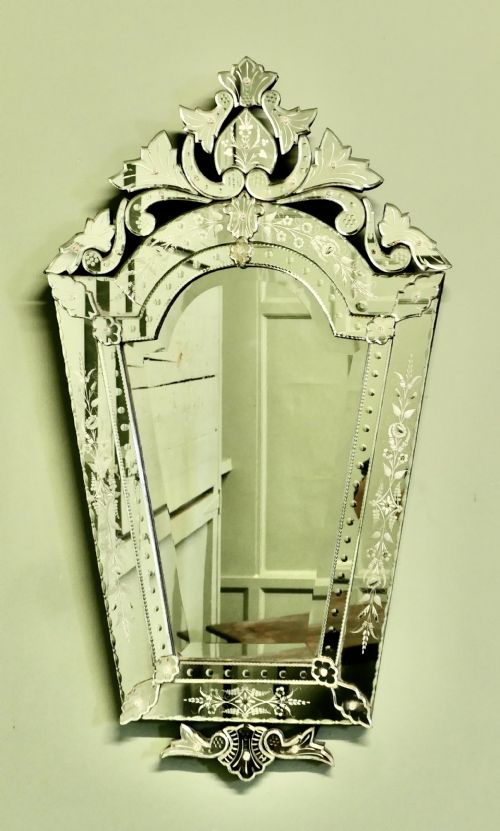
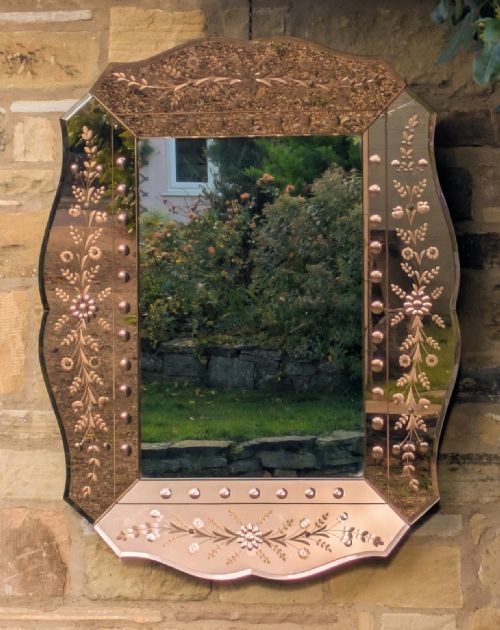
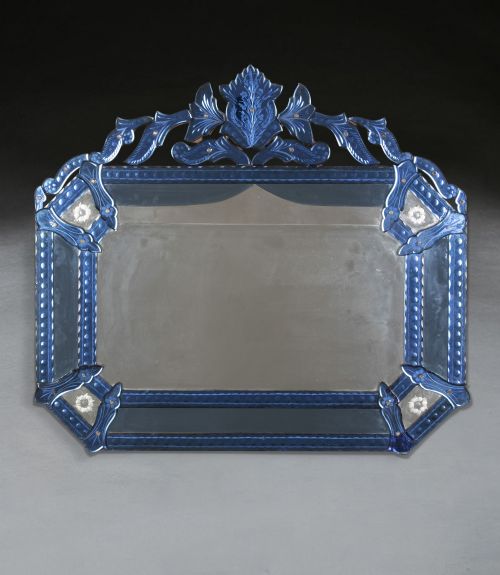
The pieces on this page appear in various forms, including cushion mirrors, overmantles, pier glasses, and wall sconces featuring engraved plates.
The most common examples you meet span the nineteenth and early twentieth centuries, alongside earlier eighteenth-century designs and later twentieth-century interpretations.
How they were made
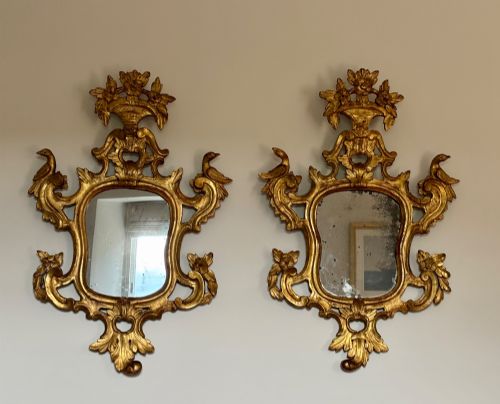
Maker workshops built these looking-glasses using carved wood, gesso, and gold leaf or silver-leaf to construct ornate frames.
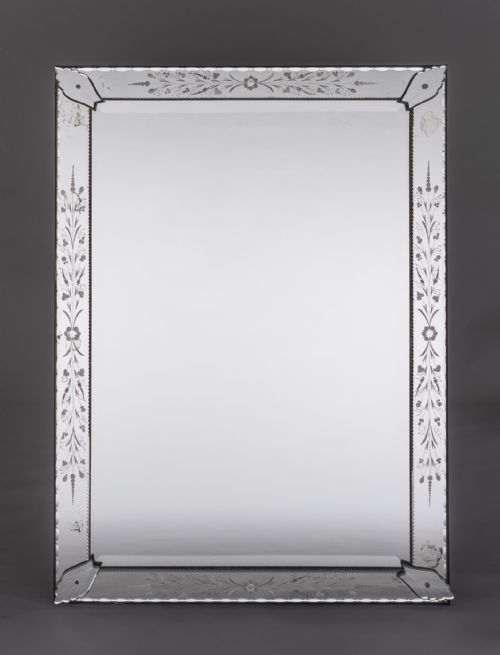
The reflective surfaces utilise mirror glass, often featuring hand-cut, engraved, or etched details alongside coloured borders in blue, peach, or ruby red.
Materials recorded across the inventory include mirrored glass, gesso, carved wood, and Murano glass alongside silver-leaf and gold leaf finishes.
What varies in quality
The depth and complexity of the hand-carved giltwood or polychrome frames separate simpler productions from the finest examples.
The clarity, age, and intricacy of the engraved or etched glass plates significantly influence the overall character and standing of the piece.
The Italian Venetian Wall Mirror Glossary
- Cushion mirror
- A looking-glass featuring a raised, sloping frame section that directs light inward towards the central plate. This style creates a pronounced three-dimensional effect on the wall.
- Girandole
- A decorative wall mirror fitted with one or more candle branches attached to the frame. These arms reflect candlelight to brighten darker interiors.
- Giltwood
- Timber coated with a thin layer of gold leaf applied over a prepared gesso ground. This technique provides a brilliant metallic sheen.
- Pier glass
- A tall mirror designed specifically to hang on the wall space between windows. They often match console tables positioned directly beneath them.
- Overmantle
- A wide mirror intended to be positioned directly above a fireplace mantelpiece. These pieces frequently echo the horizontal proportions of the hearth.
Italian Venetian Wall Mirror: Frequently Asked Questions
Where should I hang these mirrors?
An italian venetian wall mirror suits hallways, drawing rooms, and above fireplaces where it can capture and reflect natural light from windows.
Ensure the wall construction supports the weight of the heavier carved wood and glass frames safely.
How do I identify eighteenth-century examples?
Eighteenth-century pieces typically feature hand-carved giltwood frames in the rococo taste with authentic silver-leaf application.
Examine the glass plate for period characteristics such as hand-bevelling, slight imperfections, and historical foxing.
What is a cushion mirror?
A cushion mirror has a convex or sloping outer frame built with angled glass panels surrounding the main central plate.
This construction projects the reflection outward and multiplies the angles from which light bounces into the room.
How do I care for antique glass?
Clean the mirrored glass gently using a soft, dry cloth and avoid spraying liquids directly onto the edges or engraved sections.
Protect the fragile silvering behind the plate by keeping the mirror away from damp environments and direct moisture.