



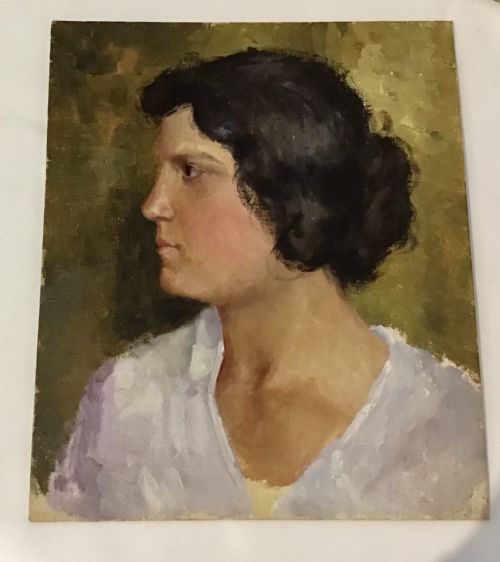


Italian School Painting
An italian school painting captures centuries of southern European heritage, offering collectors a rich window into historical portraiture, landscape and religious devotion.

What an Italian school painting is
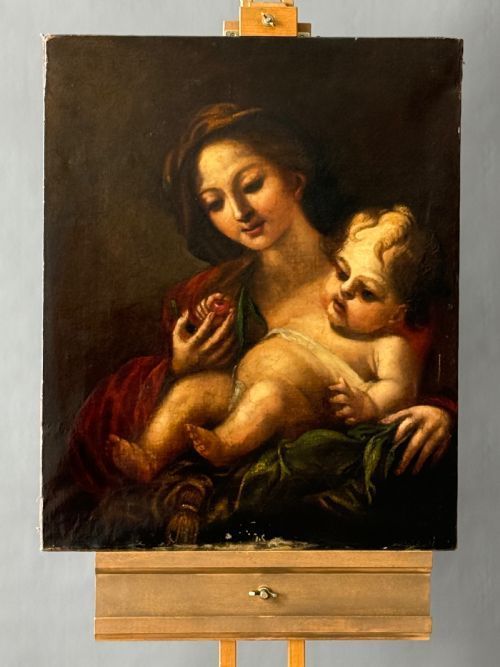
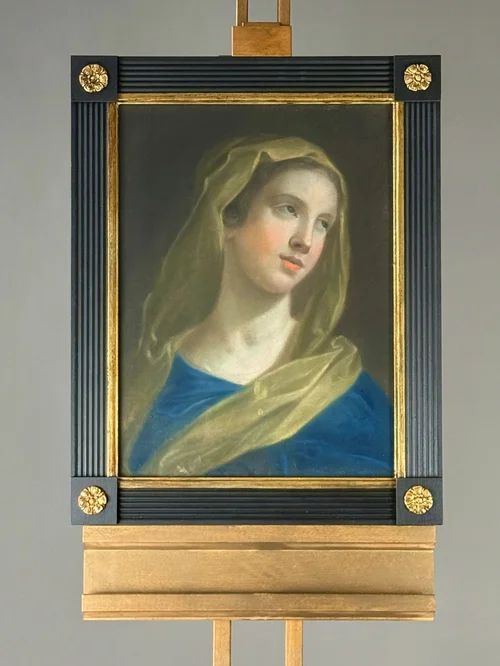
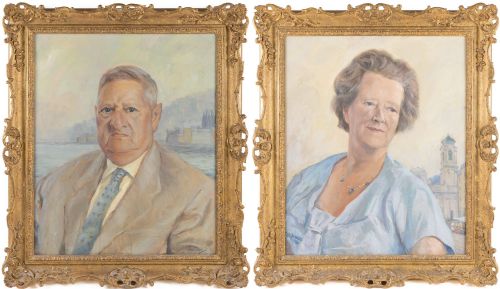
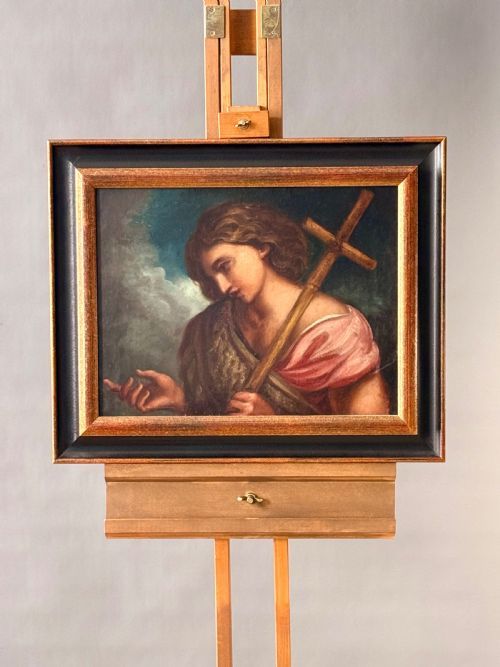
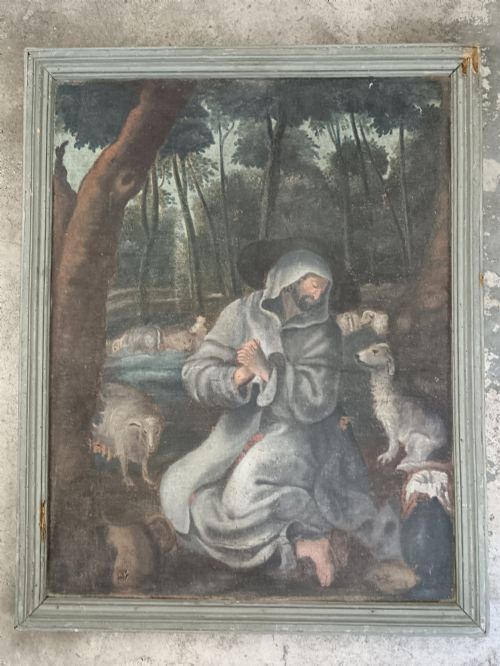
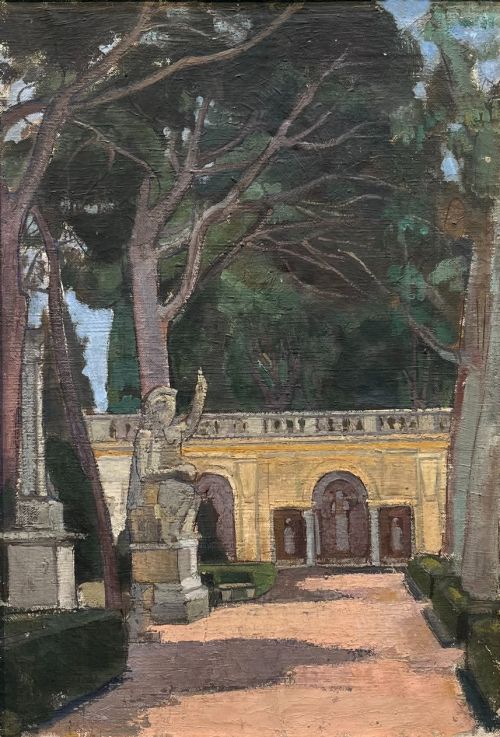
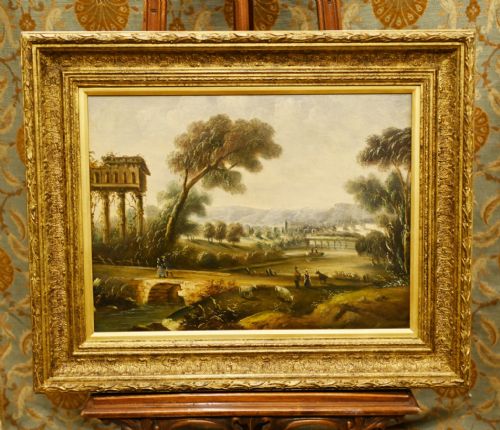
An italian school painting encompasses works created by artists working in Italy or following Italian artistic traditions across multiple centuries. Buyers searching for an italian school painting will encounter diverse subjects including religious figures, architectural capriccios, landscapes and portraits.
The pieces available span from the eighteenth and nineteenth centuries, alongside earlier historic influences reflected in later revivals. Common formats include oil paintings on canvas or wood panels, framed artwork, and watercolours.
Religious subjects such as saints and the Madonna appear frequently alongside secular scenes like Neapolitan fishermen and architectural views. These works demonstrate the enduring influence of regional workshops and academic traditions.
How they were made
These works rely on traditional materials such as oil paint applied to canvas, wood panels, or paper supports. Watercolour on paper also appears among the documented techniques.
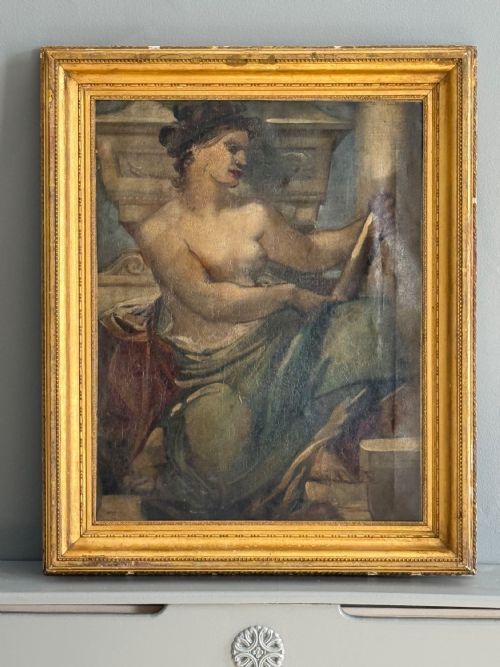
Many surviving pieces are housed in their original surrounds, constructed from wood, gilded timber, or glass. Frames frequently feature gilt finishes and decorative mouldings that complement the artwork.
Retail Price Guide 2026
Typical UK retail prices for italian school painting, calculated from the Sellingantiques database of over a million retail prices indexed since 2003. This retail price guide relies exclusively on Sellingantiques data; no external sources or auction records are used, so the figures do not describe the wider market.
Listings feature works spanning the eighteenth and nineteenth centuries, utilising oil on canvas, wood, paper, and gilded timber frames.
What varies in quality
The preservation of the primary support and the integrity of the original gilt frame significantly influence the overall character of a piece. Works retaining their period mountings offer a more complete historical context.
Luigi Bardi·Guido Reni·Bartolomeo Schedoni
The Italian School Painting Glossary
- Capriccio
- An architectural fantasy placing together imagined or real buildings, ruins and other architectural elements in a fictional combination. This style was popular in eighteenth-century Italian art.
- Oil on canvas
- A painting technique using pigments bound with a drying oil, applied to a stretched canvas support. This method allowed for rich colour blending and durability.
- Renaissance revival
- An artistic movement drawing inspiration from the forms, techniques and motifs of the fifteenth and sixteenth-century Renaissance. It appeared in nineteenth-century interpretations.
- Watercolour
- A painting method where water-soluble pigments are applied to paper. This medium produces translucent washes and delicate tonal gradations.
Frequently Asked Questions
What is an italian school painting?
An italian school painting refers to artwork produced by artists trained or working within Italian stylistic traditions. These pieces range from religious iconography to landscape and portrait studies.
They reflect the prevalent aesthetics of periods spanning the eighteenth and nineteenth centuries. Each piece offers insight into regional European artistic practices.
How do I identify the period?
Dating relies on stylistic clues, framing techniques, and the materials used for the primary support. Eighteenth-century works often exhibit Baroque or classical compositional traits.
Nineteenth-century examples frequently show romantic realism or academic revival styles. Examining the canvas, panel, or paper provides further chronological indicators.
Were these painted on canvas or wood?
Both supports appear regularly in historical examples. Canvas was widely utilised for larger compositions and oil paintings.
Wood panels frequently accommodated smaller cabinet pieces or miniature works. Paper served primarily for watercolours and preparatory studies.
How should I display framed artwork?
Displaying these pieces requires stable indoor humidity away from direct sunlight to protect the pigments and wooden supports. Gilded frames should be dusted gently with a soft dry cloth.
Maintaining a consistent environment preserves both the canvas and the original timber housing. Proper placement ensures long-term enjoyment of the artwork.