



Italian School Artwork
Italian school artwork comprises paintings, watercolours and drawings originating from various periods and regional workshops across Italy.
Italian School Artwork
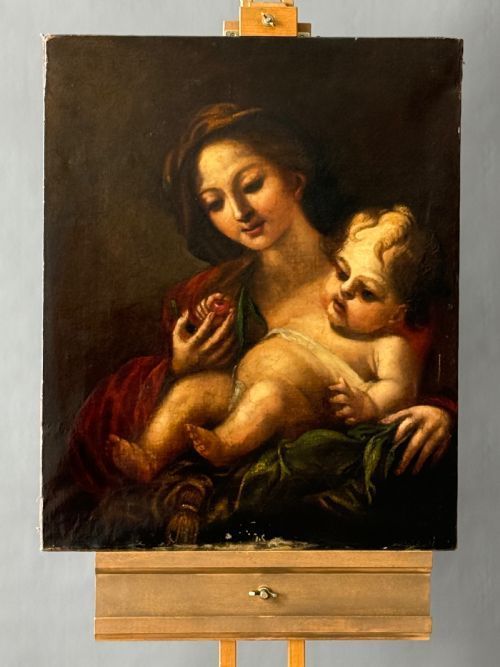
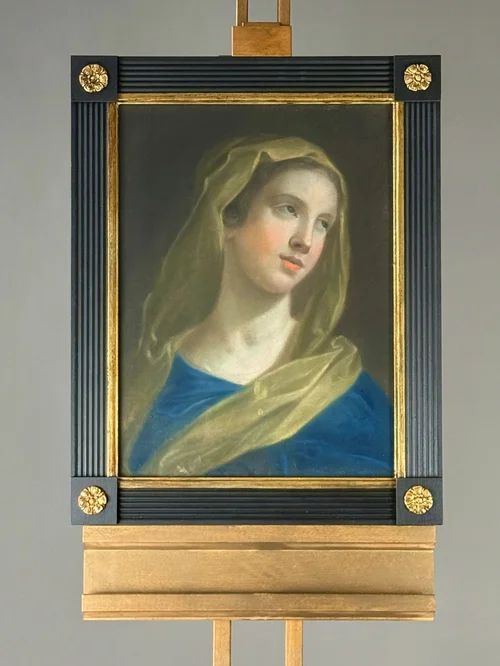
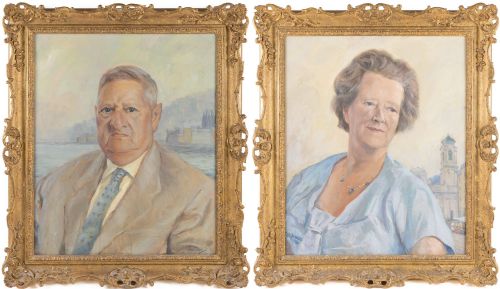
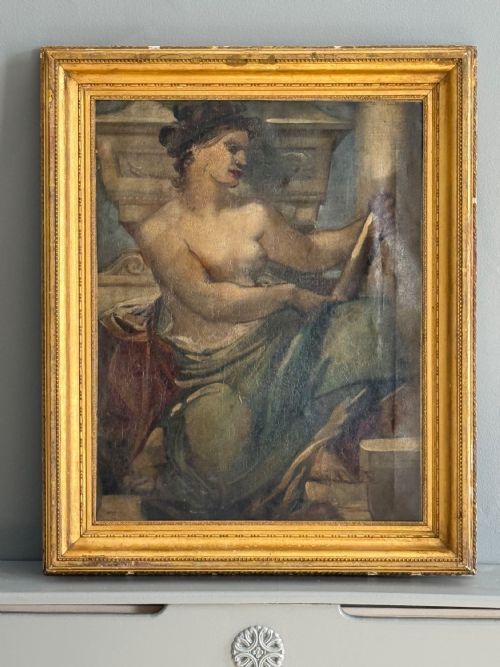
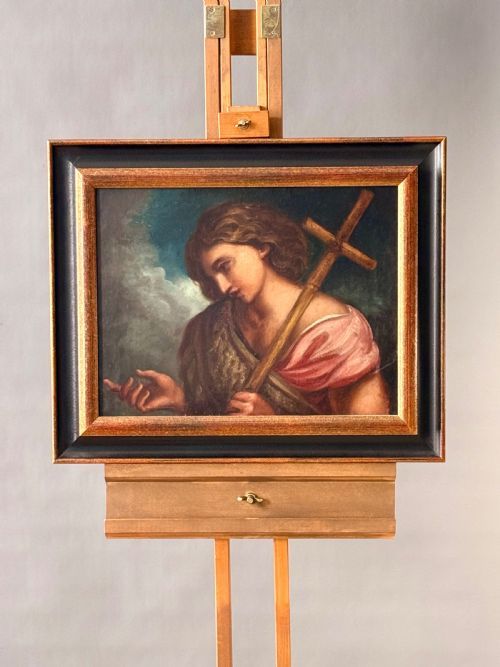
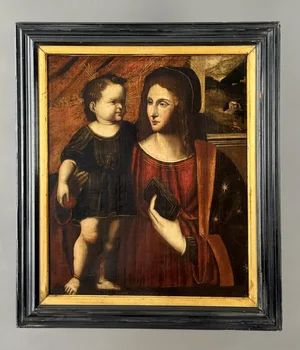
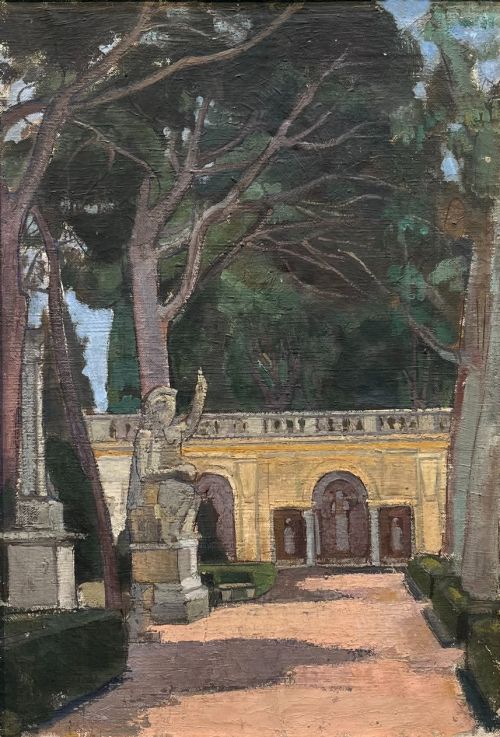
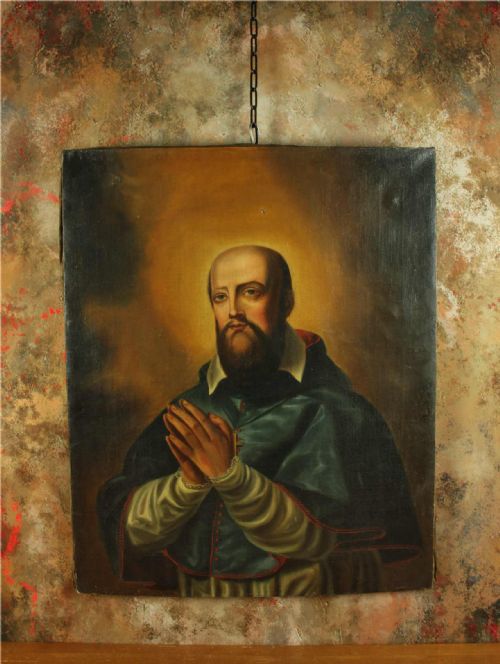
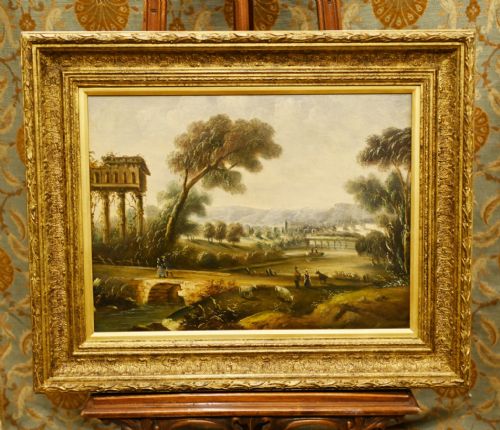
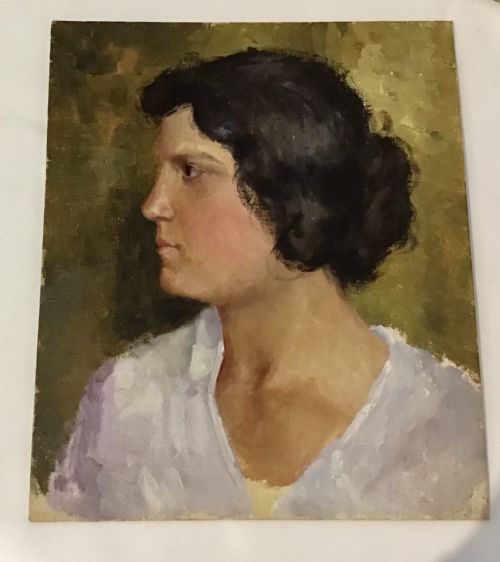
Italian school artwork encompasses oil paintings, watercolours, pastels and drawings spanning several centuries of European fine art tradition. Buyers exploring this category encounter religious scenes, portraits, pastoral landscapes and historical compositions originating from regional centres such as Venice, Genoa, Rome and Naples.
The pieces available range from early works associated with the 16th-century Renaissance and 17th-century Baroque periods through to 18th-century compositions and 19th-century Grand Tour watercolours. Many examples reflect the influence or direct style of prominent historical masters, capturing traditional iconography, classical figures and coastal views.
Materials and Construction
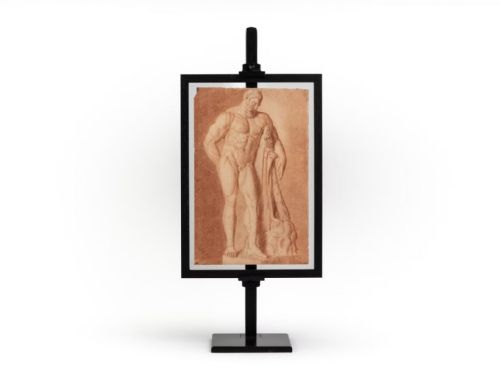
Traditional works within this category are executed in oil paint upon canvas, wood panels or board, utilising grounds that support layered pigments. Paper supports also appear, employing watercolours, pastels and red chalk to achieve detailed figurative and landscape studies.
Framing forms an integral part of many pieces, with historical works frequently housed in swept giltwood frames incorporating carved ornamentation and gold leaf applications.
Materials recorded across the available pieces include oil on canvas, wood panels, paper, gold leaf and giltwood.
Assessing Quality and Execution
Quality within Italian school artwork is determined by the dexterity of the brushwork, the nuance of facial expressions in figurative subjects and the depth achieved through layering pigment and glaze. Superior pieces demonstrate confident draftsmanship and compositional balance, whether rendered as an oil painting or a delicate pastel study.
The condition of the canvas, panel or paper support, alongside the integrity of any original or period gilt frame, influences the overall character of the piece. Works that retain their original pigments without heavy modern overpainting provide a clearer connection to the period of their creation.
Benedetto Luti·Fernando Del Basso·Vincenzo Irolli·Giulio Cecchini·Leonardo Morello
The Italian School Artwork Glossary
- Old Master
- A European painter of skill working before about 1800. These artists established foundational styles that later regional schools and followers sought to emulate.
- Baroque
- An artistic style originating around the 1600s characterised by dramatic lighting, deep shadows and intense emotional expression. This approach frequently appears in religious and narrative paintings.
- Grand Tour
- A cultural journey undertaken by wealthy young Europeans through Italy during the 18th and 19th centuries. Travellers frequently purchased local landscape paintings and watercolours as souvenirs.
- Recto and Verso
- The front and back surfaces of a sheet of paper or panel. Drawings sometimes appear on both sides of a single support.
- Giltwood
- Wood that has been treated with a thin layer of gold leaf or metallic powder. Swept frames utilise this material with undulating carved ornamentation.
Italian School Artwork: Frequently Asked Questions
What is Italian school artwork?
Italian school artwork refers to paintings, drawings and watercolours created by artists trained or working within the Italian artistic tradition across various centuries. These pieces encompass regional styles ranging from Renaissance and Baroque compositions to later pastoral landscapes and coastal scenes.
Many works are attributed to specific regional traditions, such as the Venetian or Neapolitan schools, or created as studies and follower pieces after renowned historical masters.
How do I care for antique oil paintings?
Antique oil paintings and works on paper require stable environmental conditions away from direct sunlight and excessive humidity. Maintaining consistent indoor temperatures helps protect fragile canvases, wood panels and giltwood frames from warping or cracking.
Dusting should be performed gently with a soft, dry brush, avoiding liquid cleaners or chemical solvents on the painted surface.
How can I tell the period of a piece?
Dating Italian school artwork involves examining the materials of the support, such as hand-woven canvases or aged wood panels, alongside the stylistic characteristics of the brushwork. Pigment analysis and framing styles also provide contextual clues regarding the era of creation.
Inscriptions, signatures or historical documentation attached to the reverse of the work often assist in identifying the active period of the artist or regional school.