

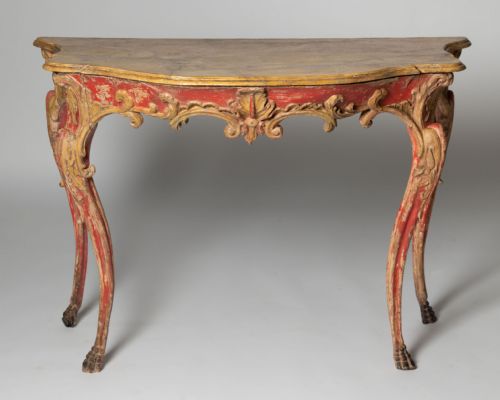

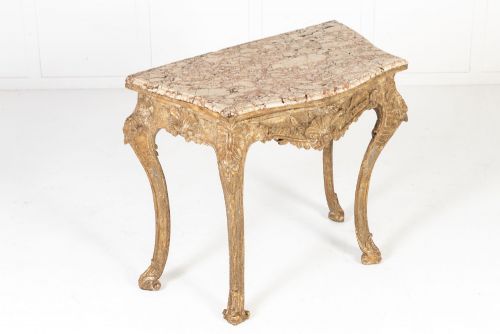


Italian Rococo Side Table
An italian rococo side table brings theatrical carved flourish and marble surfaces into a room, offering both display space and historic presence.
Italian Rococo Side Table
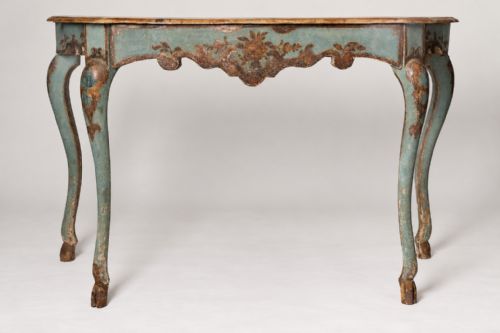
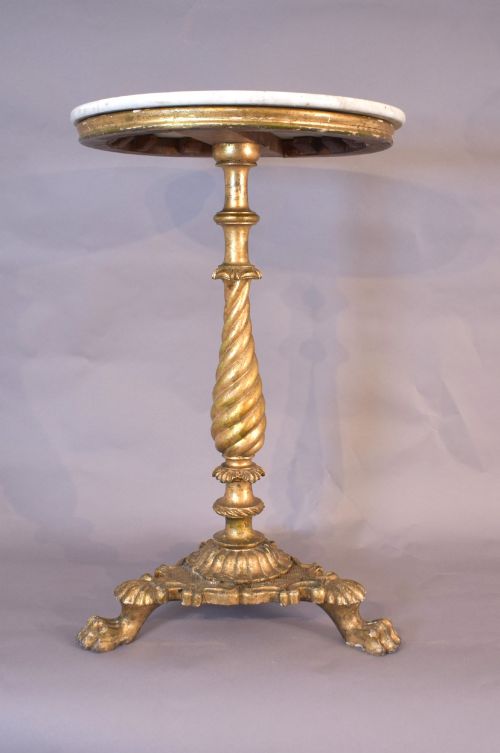
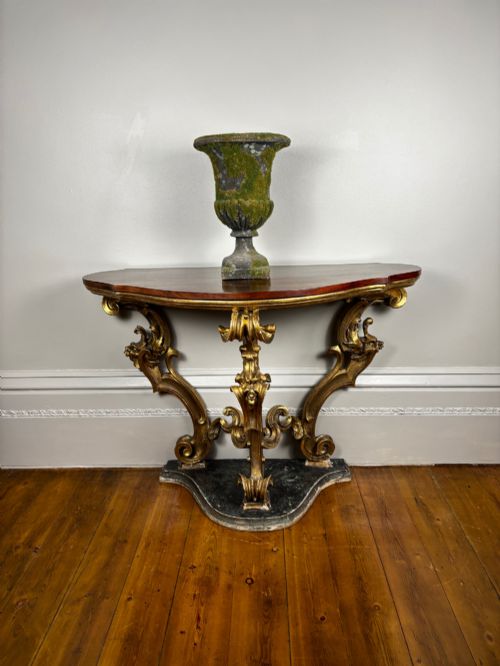
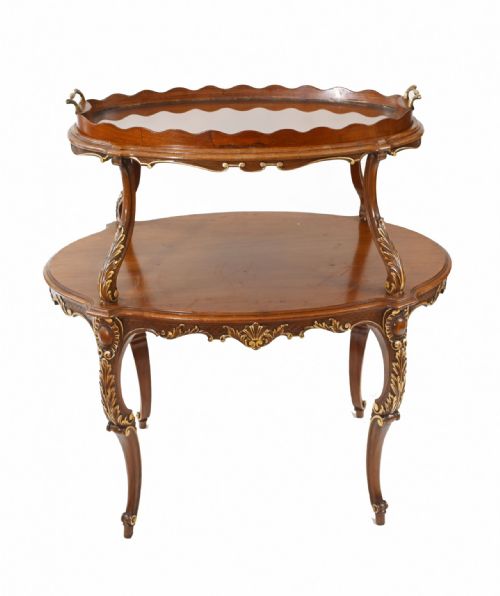
An italian rococo side table is a decorative furnishing designed for display against a wall or beside a seat, incorporating the curving lines and ornate carving characteristic of the style. The selection includes console tables, occasional tables, bedside tables, and centre tables spanning centuries of production.
Buyers frequently encounter console tables and pedestal forms alongside smaller bedside and occasional variants. These pieces originate from periods ranging from the eighteenth century through the nineteenth century and into the early twentieth century.
Stylistic variations encompass Venetian rococo, rococo revival, and baroque influences that share a common vocabulary of theatrical ornament. Walnut, painted wood, and giltwood provide the primary structures for these decorative objects.
Materials and construction methods
Wood serves as the foundational substrate, with walnut utilised alongside softer painted timbers. Giltwood and gesso applications create opulent metallic surfaces often burnished over gold leaf or silver gilt.
Marble provides heavy, veined tops for console tables and nightstands, offering a contrasting cool surface to ornate wooden bases. Carving defines the structural elements, shaping cabriole legs and serpentine aprons with floral and figural motifs.
Italian Rococo Side Table Retail Price Guide 2026
Typical asking prices for italian rococo side table among the pieces listed under this phrase on Sellingantiques today, from the lower quarter to the upper quarter. They describe what is for sale here now, not the wider market.
Watch for startled putti and stoic rams staring out from beneath heavy marble.
Distinctions in craftsmanship and finish
The crispness and depth of the carved woodwork separate standard productions from finer examples, where every scroll and acanthus leaf displays deliberate hand-tooling. Heavy gilding applied over detailed gesso work retains its brilliance better than flat, uniform metallic paints.
The integration of heavy marble tops with carved wooden frames requires precise carpentry to support the stone safely. Original patination on painted and gilded surfaces indicates age and careful preservation over centuries.
Pauly et Cie
The Italian Rococo Side Table Glossary
- Console table
- A table supported by wall brackets or console legs, designed to stand against a wall rather than free in a room. These frequently feature elaborate carved aprons and marble tops.
- Giltwood
- Timber treated with gold leaf applied over a prepared gesso ground. This technique creates a luminous metallic finish characteristic of high-status eighteenth and nineteenth-century furniture.
- Serpentine
- A furniture shape featuring a double curve that bends inward in the centre and outward at the ends, or vice versa. This contour adds dynamic movement to table aprons and cabinet fronts.
- Gesso
- A plaster mixture applied to wood surfaces to create a smooth base for gilding or painting. It allows craftsmen to model intricate relief ornamentation before applying gold leaf.
- Etagere
- A piece of furniture consisting of a set of open shelves for displaying small objects or ornaments. These tiered tables provide multiple levels for decorative arrangement.
Italian Rococo Side Table: Frequently Asked Questions
Where should I place an italian rococo side table?
Console variants suit entrance hallways or living rooms positioned flat against a wall beneath a mirror or artwork. Smaller bedside and occasional tables function effectively next to seating or beds.
Ensure the heavy marble top and carved wooden base remain clear of heavy foot traffic to protect delicate gilding and stone edges.
How do I clean a gilded wooden table?
Dust the carved surfaces gently with a soft, dry brush to remove particles without disturbing the delicate gold leaf or gesso layers. Avoid commercial polishes and liquid cleaners entirely.
Moisture can penetrate worn areas of gilding and cause the underlying gesso to lift from the wooden substrate.
Are marble tops original to these tables?
Many eighteenth and nineteenth-century console tables feature heavy stone surfaces designed to complement the ornate wooden base. The weight of the marble requires sturdy joinery in the frame beneath.
Inspect the seating of the stone within the wooden rebate to check for secure historic placement.
What is the difference between baroque and rococo styles?
Baroque design emphasises symmetry, grand scale, and heavy classical grandeur. Rococo introduces asymmetrical curves, lighter forms, and playful natural motifs like shells and scrolling foliage.
Many nineteenth-century revival pieces combine elements of both styles within a single decorative furnishing.