
Italian Renaissance Revival
These heavy walnut and majolica pieces of italian renaissance revival bring the monumental presence of sixteenth-century palazzos straight into a room.
Italian Renaissance Revival
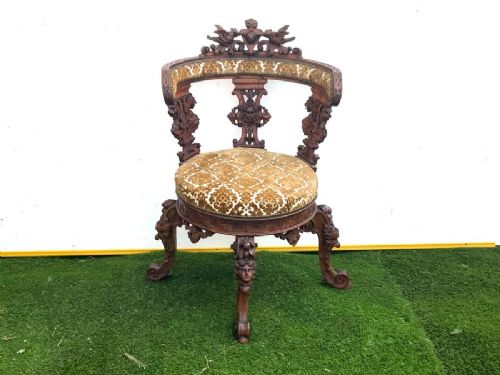
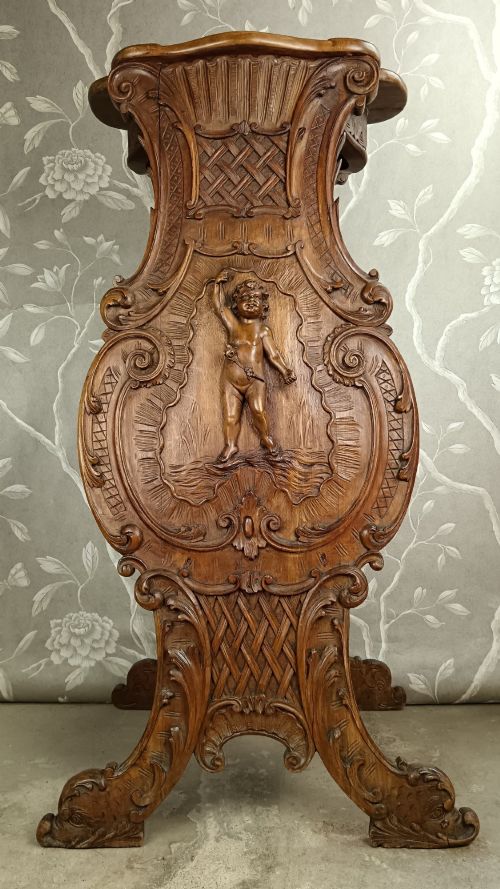
Italian Renaissance Revival furniture and decorative arts draw directly upon the architectural forms and sculptural motifs of the sixteenth century. When buyers search for italian renaissance revival, they encounter sturdy seating like sgabello hall chairs and X-framed Savonarola armchairs alongside richly decorated majolica ceramics and carved walnut tables.
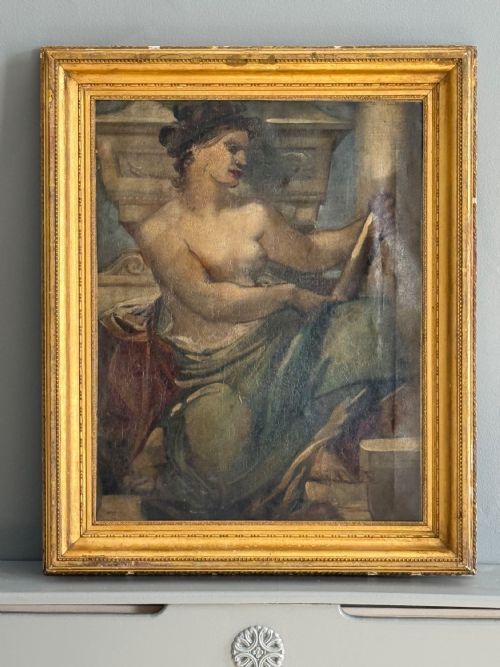
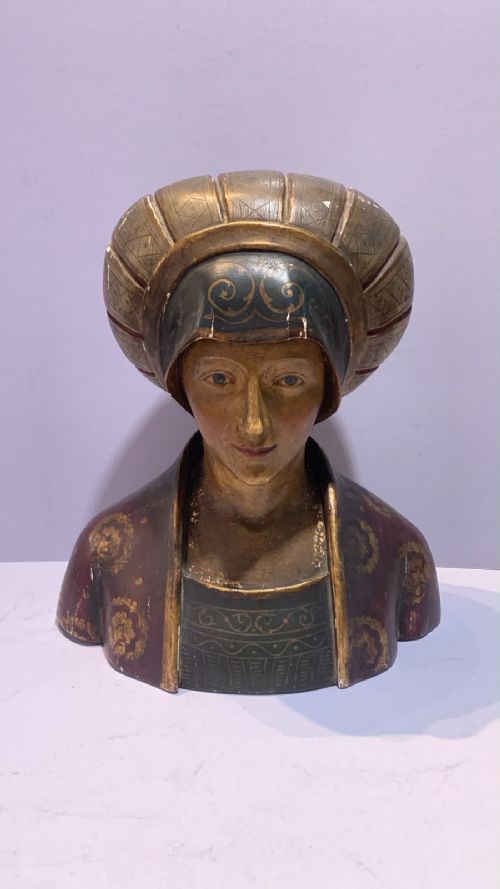
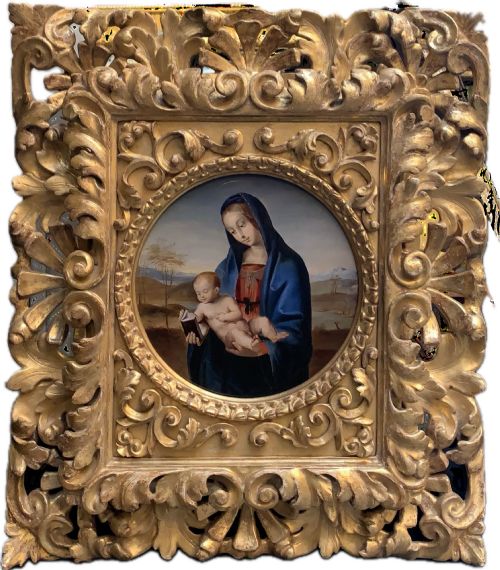
The pieces appearing on this page date predominantly from the nineteenth century, when European workshops revived earlier Florentine and Venetian aesthetics with vigour. Alongside furniture, the selection includes oil paintings after old masters, cast bronze sculptures, and earthenware vases that reflect a Victorian enthusiasm for grand tour souvenirs.
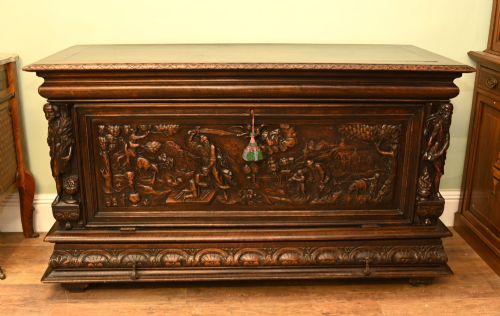
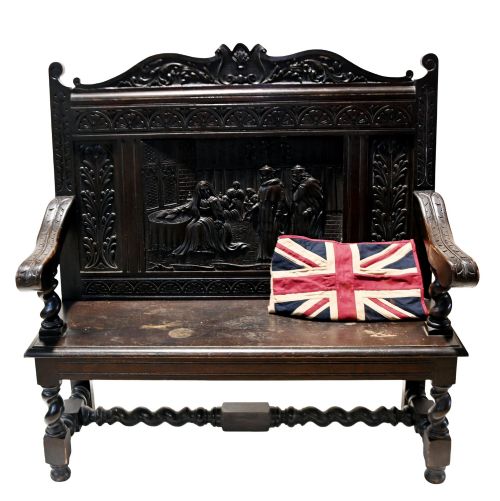
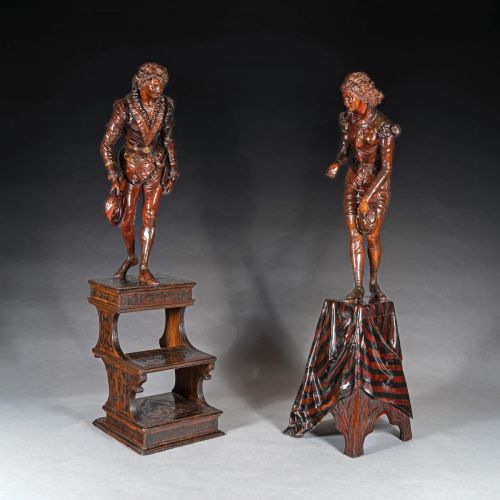
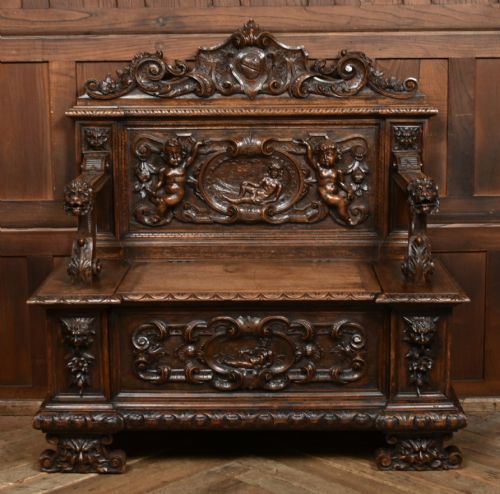
Domestic forms dominate the current evidence, ranging from cassapanca benches and pedestal stands to decorative wall art and majolica planters. These items serve both practical functions in hallways and reception rooms and act as focal points displaying dense woodcarving and polychrome glazing.
How they were made
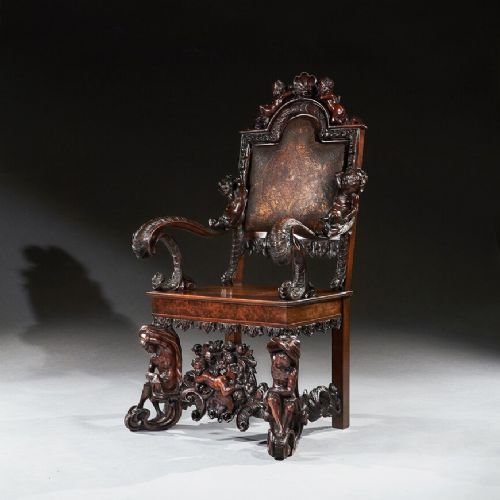
Makers relied heavily on solid walnut, oak, and fruitwood, selecting timber with strong grain to support deep, sculptural relief carving. Craftsmen utilised hand chisels to render grotesque masks, scrolling foliage, and figural supports on armchairs and cabinets.
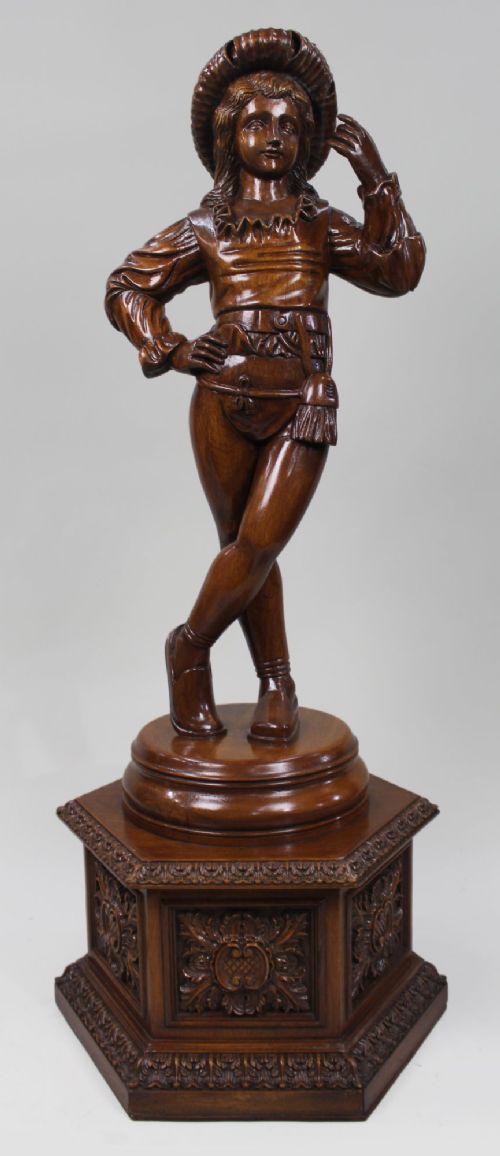
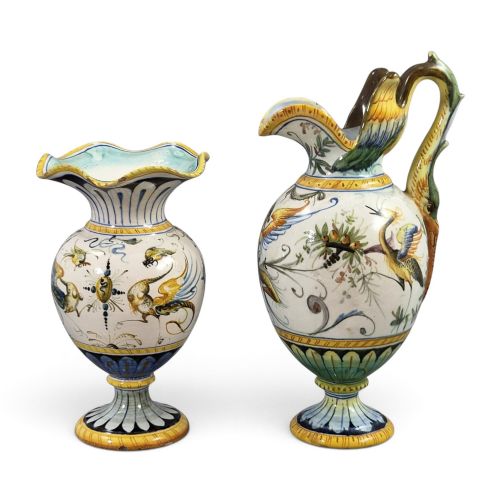
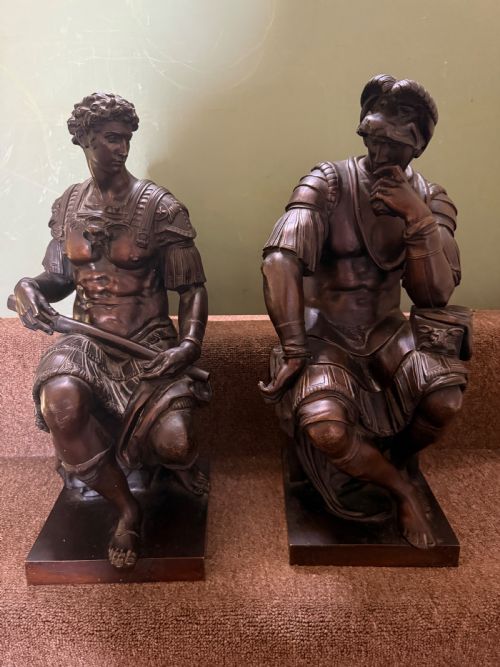
Potters and ceramists shaped earthenware and tin-glazed majolica into ewers, vases, and large planters decorated with polychrome pigments. Workshops also cast bronze and brass into figures and pedestals, often following famous sculptural models from the Italian Renaissance.
Carvers occasionally hid grinning devil faces within the dense scrolling foliage of sixteenth-century style woodwork.
What varies in quality
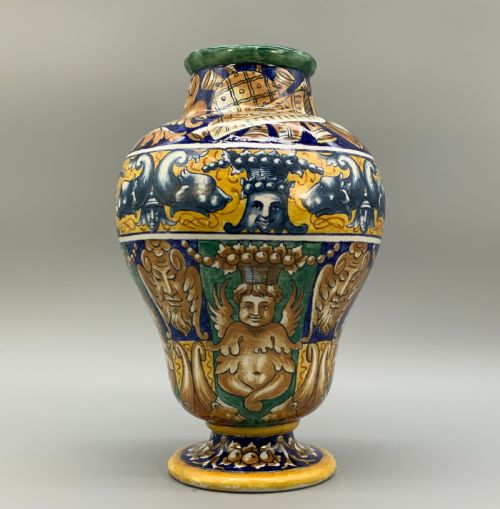
In ceramics, the complexity of polychrome tin glazing and the stability of large earthenware bodies define the upper tier. Painted details on majolica vases and tin-glazed surfaces show greater control and tonal variation on pieces produced by notable factories.
Andrea Brustolon·Cantagalli Florence·Ulisse Cantagalli·Icilio Federico Joni·White Allom and Co·Luigi Frullini·Antonio Rossellino·Michelangelo Buonarroti·Raffaello Sanzio da Urbino
The Italian Renaissance Revival Glossary
- Sgabello
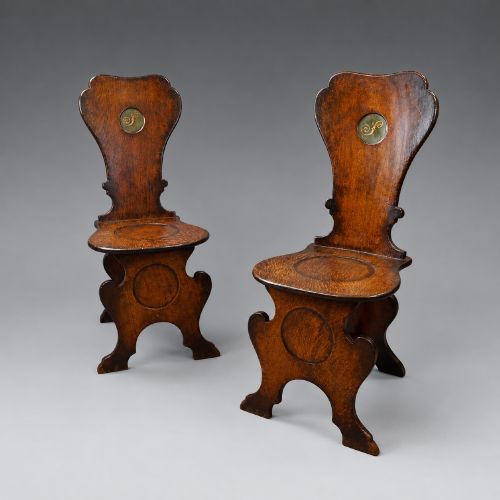
- A type of wooden hall chair featuring a distinct octagonal or panelled base instead of four legs. These seats often display carved backs and were historically placed in grand hallways.
- Savonarola
- An X-framed folding armchair constructed from multiple curved wooden slats intersecting to form a barrel-shaped seat. Named after a famous fifteenth-century Florentine friar, the design echoes ancient curule chairs.
- Majolica
- Tin-glazed Italian earthenware decorated with colourful opaque metal oxide pigments. The technique allows for intricate historical and grotesque scenes fired directly onto the ceramic body.
- Cassapanca
- A large wooden storage bench featuring a high back and arms, often incorporating a hinged seat lid above a chest base. These monumental pieces combined seating with secure domestic storage in noble houses.
- Grotesque
- A decorative style consisting of whimsical human, animal, and floral motifs intertwined in symmetrical patterns. Derived from ancient Roman wall paintings discovered in subterranean chambers, it became central to Renaissance ornament.
Italian Renaissance Revival: Frequently Asked Questions
What is an Italian Renaissance Revival chair?
These chairs are nineteenth-century interpretations of sixteenth-century Florentine and Venetian seating, typically constructed from solid walnut with deep relief carvings. They include rigid sgabello hall chairs and folding X-framed Savonarola designs.
Craftsmen built them to evoke the heavy, sculptural aesthetic of historic palazzos rather than for casual modern lounging.
How do I identify Majolica pottery?
Majolica is a type of tin-glazed earthenware characterised by a smooth, opaque white glaze painted with vibrant polychrome minerals. Pieces from this tradition often feature figural bases, lions' head decorations, or historic scenes.
They function as large decorative vases, water vessels, and planters with distinct sixteenth-century Italian styling.
Where were these pieces used historically?
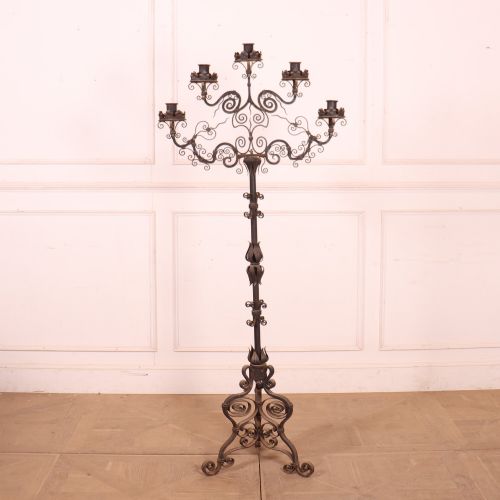
Historically, these furnishings and decorative objects filled the grand reception rooms, galleries, and entrance halls of European country houses and town mansions. Cassapanca benches and torchere pedestals anchored large hallways, while small bronzes and oil paintings decorated studies.
They served both as functional items and as markers of cultural education during the grand tour era.
How do I style these antiques today?
These substantial wooden and ceramic pieces work well as anchor points in rooms with neutral walls and simpler modern furnishings. A carved walnut cabinet or majolica vase brings architectural weight and rich texture to an interior.
Allowing adequate floor space around heavy armchairs and pedestal stands helps highlight their sculptural qualities.