



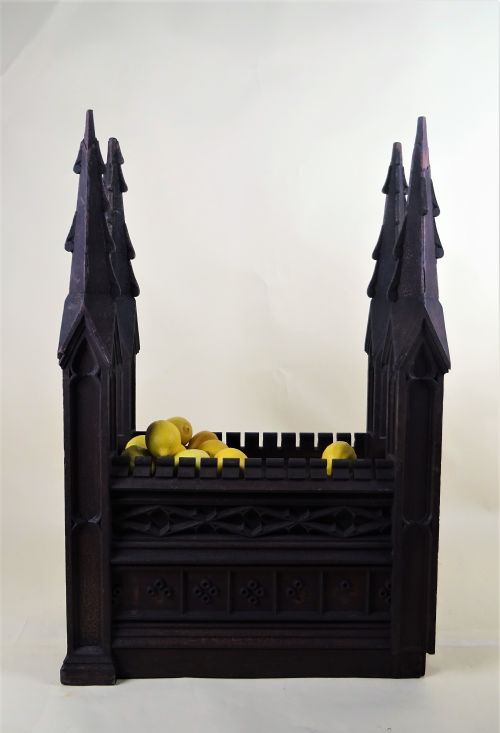


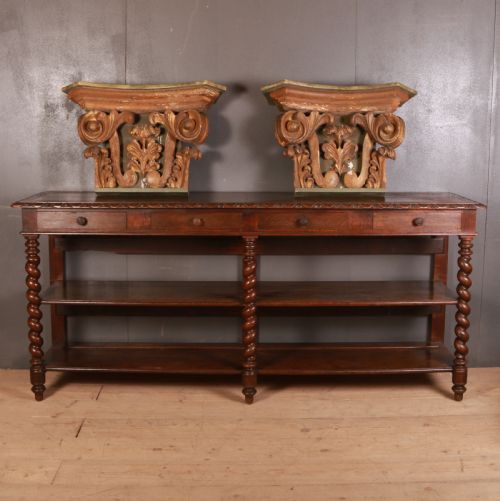
Architectural Wood Element
An architectural wood element carries the structural history of a building into an interior through carved fragments, capitals and panels.
Architectural Wood Element
When you search for an architectural wood element, you encounter salvaged components originating from European, Asian and British buildings across several centuries. These include fragments from medieval Flemish structures, Italian capitals, ceiling bosses and large temple carvings.
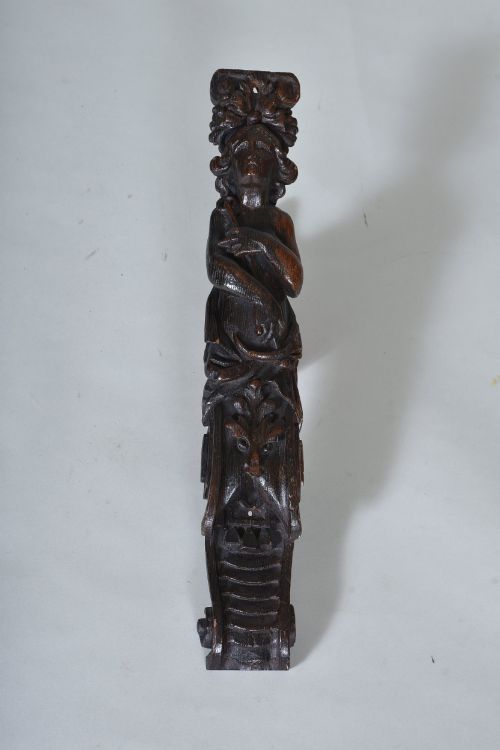
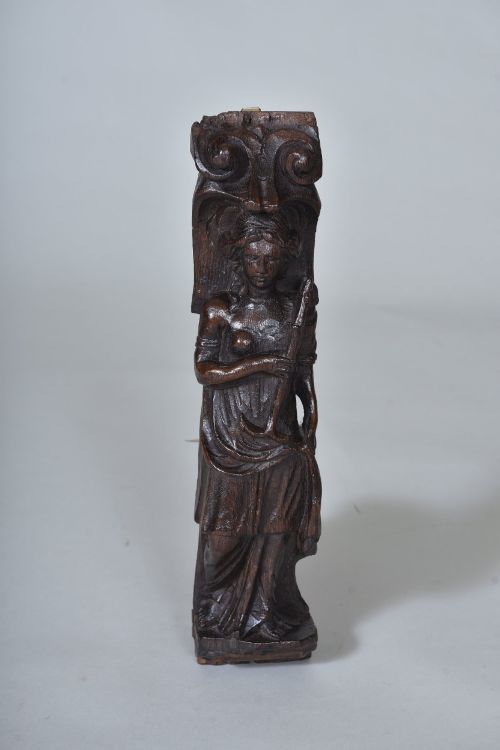
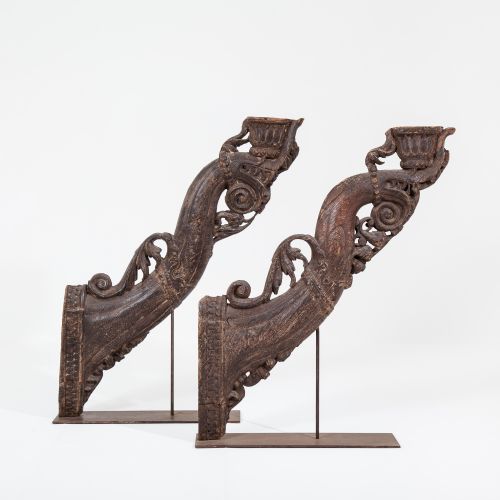
The version you are most likely to meet on this page is an oak carving from the seventeenth or eighteenth century, alongside decorative brackets and wall pieces. Many items function as independent sculptural objects once removed from their original structural context.
Originating from diverse traditions spanning Gothic, Baroque, Indian and Chinese aesthetics, these items present distinct regional woodworking techniques. Each piece reflects the architectural ambitions of its period, whether through domestic Tudor ornament or grand temple decoration.
What varies in quality
The depth and precision of the chisel work dictate the visual strength of the carving, separating confident master-carved representations of figures and foliage from simpler regional execution. Crisp undercut details demonstrate superior handling of the material by the maker.
The integrity of the remaining surface finish - whether original gilding, polychrome pigment or patinated bare timber - determines the aesthetic authority of the piece. Losses to the original material alter the balance of a carving, though stable historic wear confirms genuine age.
Listings feature items spanning from the sixteenth century to the start of the twentieth century, executed in oak, walnut, teak, and carved wood.
LUIGI FRULLINI
The Architectural Wood Element Glossary
- Capital
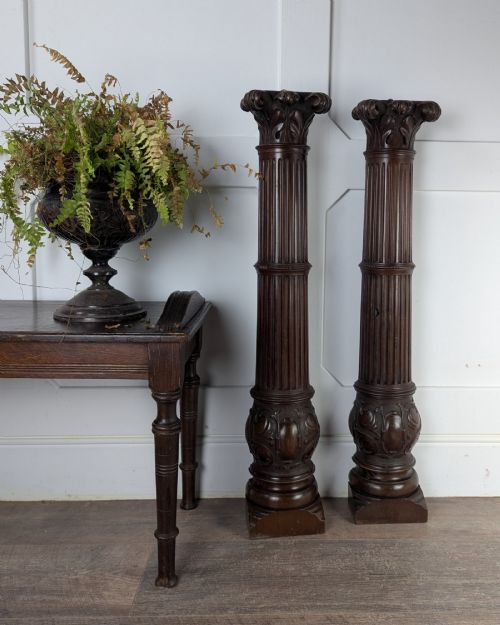
- The decorative uppermost member of a column or pilaster, often carved with acanthus leaves or figural motifs. It visually supports the entablature above.
- Caryatid
- A sculpted female figure serving as an architectural support taking the place of a column or a pillar. Male equivalents are known as atlantes or terms.
- Pediment
- A triangular or curved gable surmounting a portico, door or window, frequently enriched with relief carving in the tympanum. Giltwood examples were often mounted above internal mirrors or doorways.
- Ceiling boss
- A decorative keystone placed at the intersection of ribbed vaulting in a ceiling. They were commonly carved from oak with floral or heraldic designs.
- Gesso
- A plaster mixture applied to wood surfaces as a base for gilding or painting. It allows for crisp secondary detailing before the application of leaf.
Architectural Wood Element: Frequently Asked Questions
What is an architectural wood element?
An architectural wood element is a carved component salvaged from a historic building, such as a column capital, bracket, pediment or ceiling boss. These pieces formed part of the structural or decorative scheme of European, Asian or British interiors and exteriors.
Today, they are collected and displayed as independent sculptures or wall art. They preserve centuries of hand-carving tradition in solid oak, walnut, teak and other timbers.
How were these pieces originally used?
These items served structural and decorative roles in buildings, supporting weight, framing openings or embellishing ceilings and furniture. Columns and brackets bore structural loads, while pediments and capitals added classical grandeur to doorways and halls.
Temple carvings and roof decorations fulfilled symbolic or religious functions within sacred buildings in Asia. In European settings, Gothic and Renaissance elements marked the status and artistic patronage of the property owner.
How do I style an architectural wood element at home?
You can mount heavy fragments directly onto walls as sculptural focal points or display smaller brackets on shelves and mantels. Their varied finishes, from giltwood to dark patinated oak, suit both traditional and contemporary interior schemes.
Ensure that heavy items, such as large walnut heads or stone and wood columns, are secured with appropriate fixings into structural walls. Pairing contrasting pieces, like an Indian hardwood carving alongside plain plaster, highlights their intricate detail.
How can I tell the period of a carved element?
Dating relies on stylistic markers such as Gothic tracery, Baroque asymmetry, or the specific character of seventeenth-century Jacobean strapwork. Tool marks, timber selection and regional carving styles also provide vital clues to the era of manufacture.
Comparing the depth of relief and the wear on the wood surface helps distinguish older seventeenth-century work from later nineteenth-century revival pieces. Historic repairs and patination further confirm the age of the timber.