



Italian Renaissance Revival Furniture
Italian renaissance revival furniture brings bold 19th-century craftsmanship and grand architectural forms directly into domestic interiors.
Italian Renaissance Revival Furniture
Italian renaissance revival furniture encompasses heavy seating, elaborate cabinets, and architectural stands produced across the 19th century. Buyers seeking italian renaissance revival furniture typically encounter walnut and oak hall benches, hall chairs, and carved armchairs dating from the 1850s to the 1890s.
How they were made
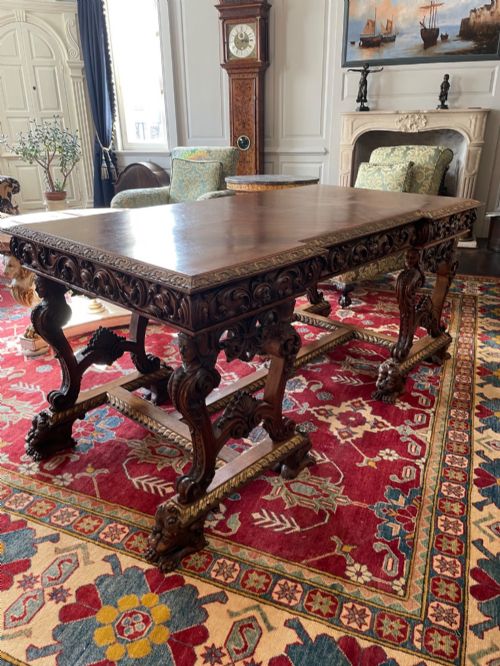
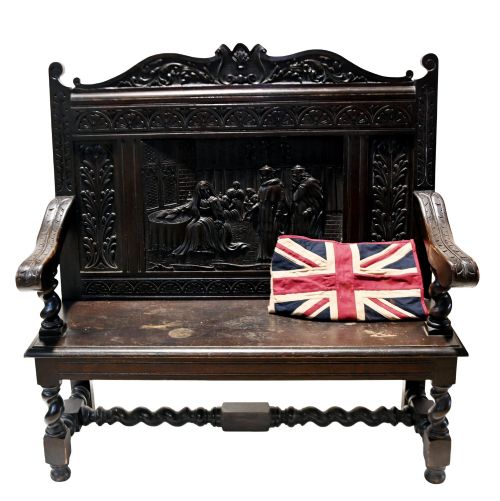
Makers constructed these pieces primarily from solid walnut and oak, frequently embellished with intricate hand carving, marquetry inlay, and oil paint. Structural elements relied on robust joinery suited to heavy domestic seating and large storage cabinets.
Textiles played a crucial functional role in upholstered items, with velvet and damask secured by brass hardware. Master carvers executed deep relief work on structural timbers, defining the ornate surfaces characteristic of the revival period.
Italian Renaissance Revival Furniture Retail Price Guide 2026
Typical asking prices for italian renaissance revival furniture among the pieces listed under this phrase on Sellingantiques today, from the lower quarter to the upper quarter. They describe what is for sale here now, not the wider market.
Listings feature 19th-century pieces constructed from walnut, oak, and pine, incorporating velvet, damask, and brass elements.
What varies in quality
Quality rests upon the depth, sharpness, and ambition of the hand carving across the timber structure. Pieces attributed to named workshops or master carvers demonstrate superior structural articulation and sculptural refinement compared to standard production.
The selection of dense walnut and the integration of fine textiles or marquetry determine the visual weight and textural richness of each piece. Superior examples maintain crisp architectural proportions and intact decorative surfaces without losing structural integrity.
White Allom and Co
The Italian Renaissance Revival Furniture Glossary
- Cassapanca
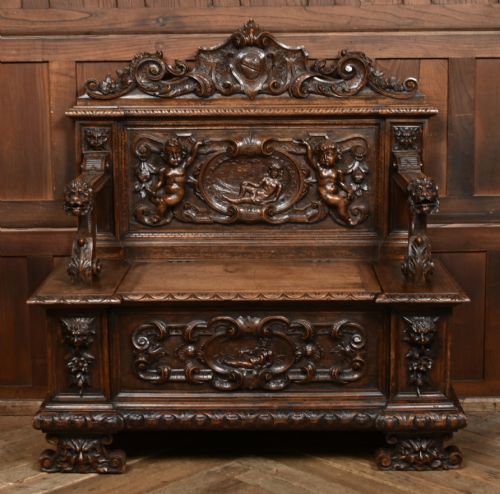
- A traditional Italian wooden bench with a high back, armrests, and a storage box beneath the seat. This form frequently incorporates panelled or carved fronts.
- Marquetry
- The art of applying thin veneers of wood to a structure to form decorative patterns or pictorial scenes. It appears on surfaces such as cabinet doors and chest fronts.
- Pedestal
- An architectural support or plinth used to elevate sculptures, vases, or decorative objects. In this context, they are carved from solid walnut with classical detailing.
Italian Renaissance Revival Furniture: Frequently Asked Questions
Where were these pieces used originally?
Grand hallways, libraries, and formal reception rooms housed these substantial wooden furnishings during the 19th century. Their architectural scale suited large domestic interiors designed to display historical taste.
Today, they serve similar anchoring functions in spacious entrance halls or principal living areas. Their sturdy construction accommodates daily domestic use while maintaining a commanding visual presence.
How do I care for walnut surfaces?
Maintaining walnut timbers involves keeping them away from direct heat sources and sudden humidity shifts to prevent wood movement. Regular dusting with a soft, dry cloth preserves the finish without requiring heavy polishes.
Periodic application of appropriate wax nourishes the timber and protects carved details. Care must also be taken to shield integrated velvet or damask upholstery from prolonged direct sunlight.
How are 19th-century pieces dated?
Dating relies on examining construction methods, tool marks, and the specific stylistic vocabulary employed by 19th-century workshops. Surviving documentation, maker attributions, and characteristic Victorian interpretations of earlier Italian models help establish a timeline.
Material composition, such as the choice of solid walnut or oak, alongside the integration of period textiles like damask, provides further chronological context. Comparative analysis with known exhibition pieces clarifies the exact manufacturing decade.
What defines a cassapanca bench?
A cassapanca combines a supportive high-backed bench with a deep storage chest built directly beneath the seat. This dual-purpose form was historically used for seating and storing valuable household textiles.
Carved wooden panels, armrests, and decorative backrests distinguish these benches as major focal points in reception spaces. The combination of seating and concealment made them practical as well as decorative.