



Italian Marble Portrait
An italian marble portrait captures the classical human form in carved stone, offering collectors a tangible piece of European sculpture history.
Italian Marble Portrait
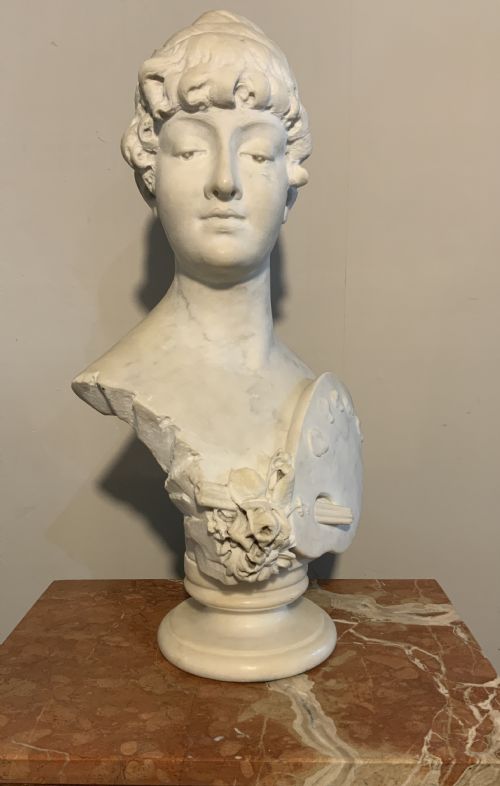
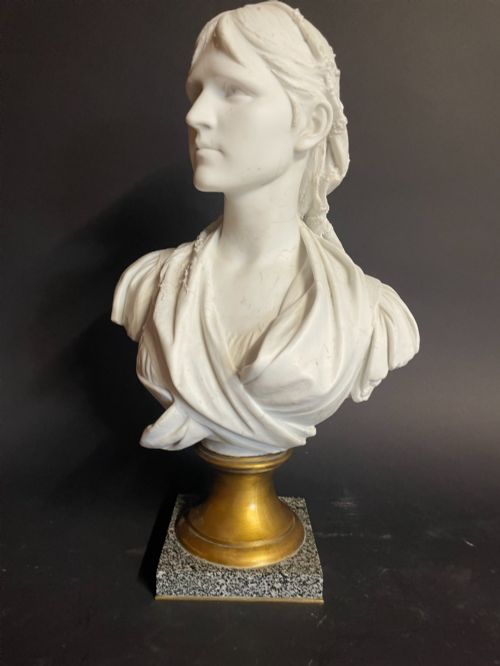
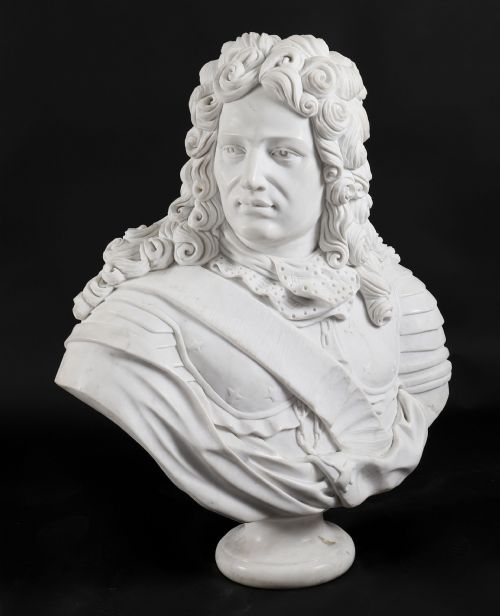
An italian marble portrait takes the form of freestanding busts, relief plaques, and profile cameos depicting historical figures, nobles, literary icons, and classical deities. These carved works originate from various periods including the seventeenth, eighteenth, and nineteenth centuries, alongside mid twentieth century examples.
The version most commonly encountered on this page is the nineteenth century bust or profile plaque carved from white or Carrara marble. Such pieces frequently draw upon Classical Revival and Neoclassical styles, reflecting European interest in antiquity and the Grand Tour tradition.
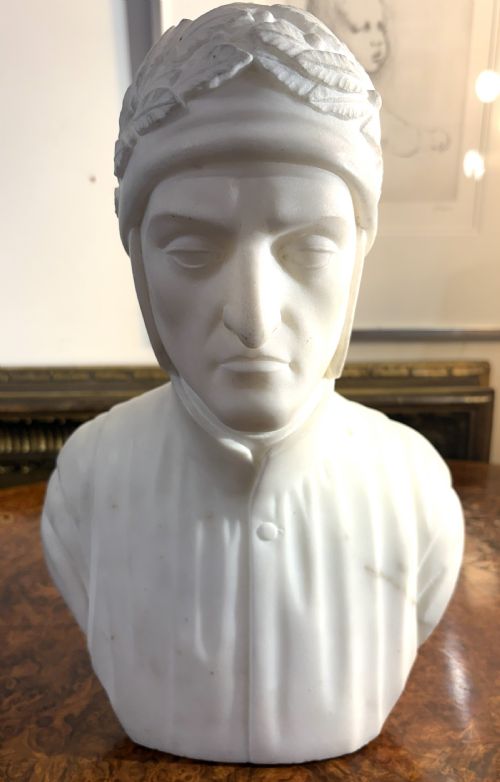
Makers and sculptors utilised local stone to portray specific subjects like Dante Alighieri, Virgil, Roman emperors, and mythological figures such as Juno. Alongside standalone portrait heads, buyers find pieces integrated with contrasting marble bases, bronze elements, or lava cameo intaglios.
How They Were Made
Carvers shaped these portraits primarily from solid blocks of white marble, Carrara marble, and statuary marble using traditional chisels, gouges, and abrasives. Sculptors achieved fine detail in hair, drapery, and facial expressions through careful hand-carving and polishing.
Certain portrait plaques and busts incorporate secondary materials such as bronze mounts, brass details, and contrasting bases made from Vert de Mer or Portoro marble. Grand Tour souvenir inkstands and reliefs also feature inset carved lava cameo intaglios secured within the stone structure.
Several stone noblemen in armour and Roman emperors keep permanent watch over modern writing desks across the collection.
What Varies in Quality
The Italian Marble Portrait Glossary
- Carrara marble
- A type of white or blue-grey marble quarried in the city of Carrara in Tuscany, widely favored by Italian sculptors for portraiture. This fine-grained stone allows for delicate carving and a smooth finish.
- Grand Tour
- A traditional trip of Europe undertaken by upper-class European young men of the eighteenth and nineteenth centuries to absorb classical art and culture. Tourists frequently acquired carved marble portraits and cameos as souvenirs of their travels.
- Intaglio
- A gem or stone carved with a design that is recessed below the surface, contrasting with a cameo. In these pieces, small portrait intaglios appear set into larger marble and bronze inkstands.
- Neoclassical
- A Western cultural movement drawing inspiration from the art and culture of classical antiquity that heavily influenced nineteenth century Italian sculpture. This style emphasises symmetry, noble simplicity, and classical subject matter.
- Relief
- A sculptural technique where the sculpted elements remain attached to a solid background of the same material. Portrait profiles in the evidence appear as bas-relief or higher relief plaques intended for wall display.
Italian Marble Portrait: Frequently Asked Questions
What is an Italian marble portrait?
An Italian marble portrait is a carved sculptural representation of a human face or bust created in Italy from stone materials such as Carrara marble. These artworks range from three-dimensional library busts to shallow profile reliefs and wall plaques.
Subjects typically include historical poets, Roman emperors, noblemen, and mythological deities. They reflect centuries of Italian stone-carving tradition and classical revival aesthetics.
How were Grand Tour portraits used?
Grand Tour portrait souvenirs served as intellectual decorations and status symbols for travellers returning from Italy during the eighteenth and nineteenth centuries. Owners displayed these marble busts and relief plaques in studies, libraries, and drawing rooms.
Some portable examples were integrated into functional objects such as inkstands, combining decorative portraiture with everyday desk accessories.
How do I identify a nineteenth century bust?
Nineteenth century Italian marble busts often exhibit Neoclassical or Classical Revival styling, depicting literary figures like Dante or classical nobility. Examination of the tool marks, surface patina, and the specific composition of the marble base assists in determining the period.
Signatures or foundry marks, when present on the truncation of the bust or on associated bronze mounts, provide further context regarding the maker and origin.
Where should I display marble portrait sculpture?
Marble portrait busts and relief plaques require stable surfaces capable of supporting substantial stone weight, such as dedicated pedestals, heavy wooden sideboards, or secure wall mounts. Placement should avoid direct, prolonged moisture and extreme temperature fluctuations.
Positioning pieces away from high-traffic household areas protects delicate carved projections, such as noses and laurel wreaths, from accidental impacts.