
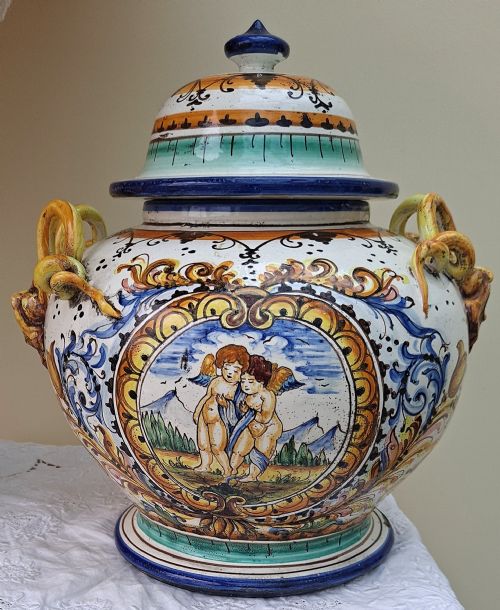
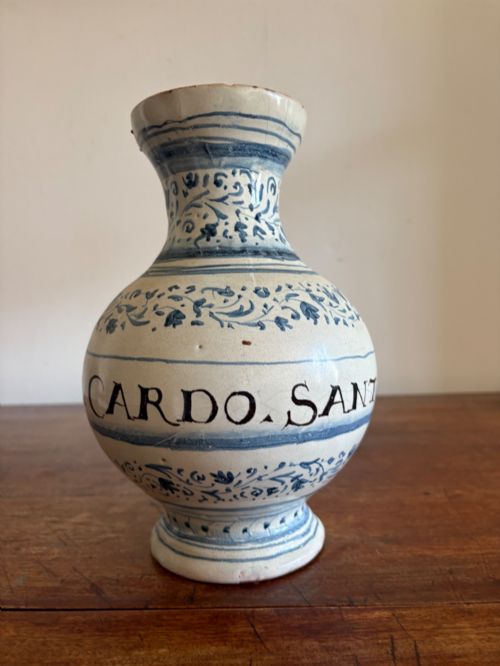


Italian Majolica Vase
An italian majolica vase brings vibrant tin-glazed earthenware and historical revival styles into a room, offering rich painted palettes for traditional interiors.
Italian Majolica Vase
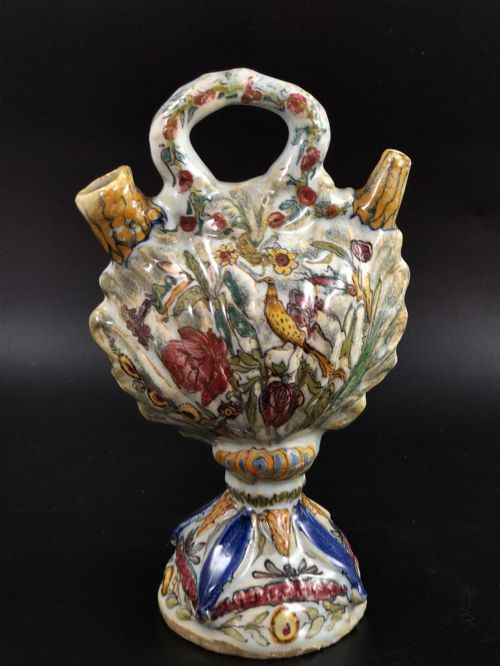
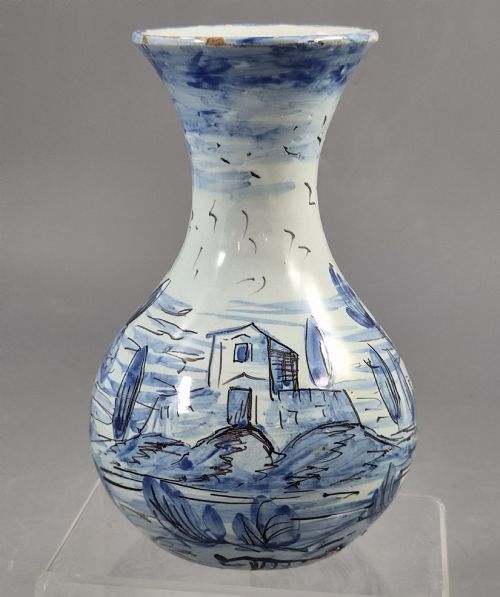
An italian majolica vase embodies a rich tradition of tin-glazed earthenware, spanning periods from the eighteenth century through the nineteenth century and revival eras. Collectors encounter diverse forms, including apothecary jars, drug pharmacy jars, lidded vessels, tulip vases, and pilgrim flasks.
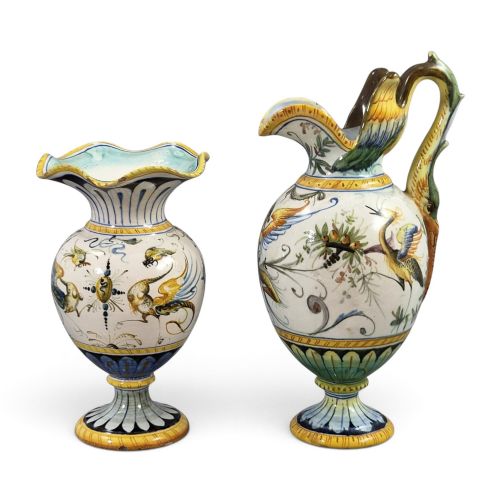
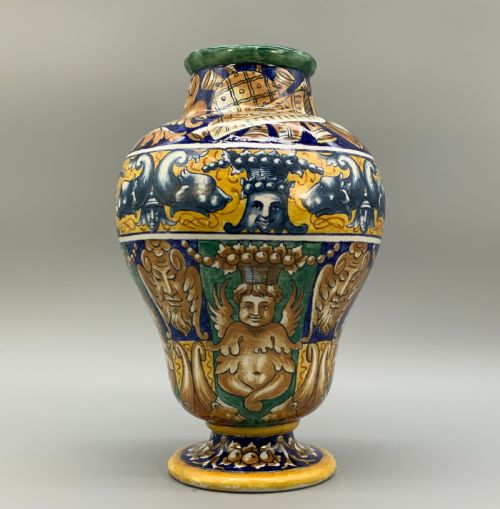
The dominant aesthetic draws heavily on historical movements such as Renaissance Revival, Italian Baroque, and Grand Tour influences. Pieces range from blue and white decorative items to polychrome works originating from workshops in Florence and Nove.
Most examples available to buyers date from the nineteenth century, including Victorian interpretations and revival pieces that emulate earlier seventeenth-century forms. These vessels serve primarily as decorative accents, cabinet display items, or converted table lamps.
What varies in quality
The standard of painting defines the division between ordinary production and superior work, with refined brushwork and balanced polychrome or blue and white compositions marking the upper tier. Mastery in rendering historical motifs, figural scenes, or floral patterns indicates skilled studio execution.
The complexity of the vessel form also distinguishes pieces, as elaborate shapes like snake bottle vases, lidded jars with covers, or sculptural pilgrim flasks require advanced ceramic skill compared to standard cylindrical jars.
The inventory records diverse object types including apothecary jars, jardinières, lidded urns, pilgrim flasks, and table lamps.
Ulisse Cantagalli·Cantagalli Florence
The Italian Majolica Vase Glossary
- Majolica
- A type of pottery decorated with opaque tin glaze over earthenware and painted with metallic oxide colours. This technique underpins the colourful and narrative styles of Italian ceramics.
- Albarello
- A cylindrical earthenware jar used by apothecaries to store drugs and pharmacy ingredients. These vessels often feature waisted centres for secure gripping.
- Pilgrim Flask
- A flattened flask with loops for suspension, originally carried by travellers. Ceramic versions adapted this shape for decorative display.
- Faience
- European tin-glazed earthenware related to majolica traditions. The term frequently applies to continental pottery sharing similar glazing methods.
- Polychrome
- Decoration employing multiple colours rather than a single hue. This palette allows for intricate pictorial and floral ornamentation.
Italian Majolica Vase: Frequently Asked Questions
What is an italian majolica vase used for?
These vessels primarily function as decorative objects, cabinet display pieces, and focal points in traditional rooms. Some historical examples also serve as table lamps.
Originally, specific forms like apothecary jars held dry drugs and medicinal mixtures in pharmacies. Today, collectors display them for their painted surfaces and historical resonance.
How do I date an italian majolica vase?
Dating relies on stylistic markers, such as nineteenth-century revival aesthetics versus genuine eighteenth-century production. Examining the tin glaze, ceramic body, and painting style provides chronological clues.
Factory marks, where present, help pinpoint specific makers like Cantagalli in Florence. Comparing form and palette to documented archives confirms the era of manufacture.
What is the difference between majolica and faience?
Majolica typically refers to Italian tin-glazed earthenware with opaque white glazes and painted decoration. Faience is a broader European term covering similar tin-glazed ceramics produced in various regions.
Both techniques involve firing mineral pigments over a raw tin glaze. The distinction often rests on geographic origin and specific regional painting traditions rather than chemical makeup.
Are these vases waterproof?
Tin-glazed earthenware is slightly porous and prone to moisture absorption through hairline cracks in the glaze. Using them with liquid or fresh flowers risks damaging the historic ceramic body.
Collectors generally display these pieces dry as decorative art. If holding water is necessary, a discreet internal glass liner protects the interior from moisture.