



Polychrome Earthenware Vessel
A polychrome earthenware vessel brings intense colour and historical narrative into a room, spanning tin-glazed jars and Japanese Satsuma wares.
Polychrome Earthenware Vessel
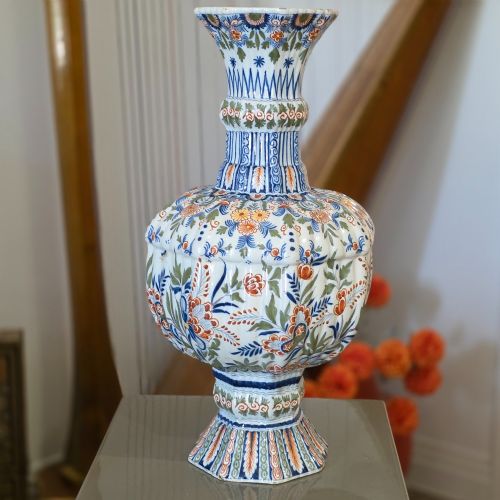
A polychrome earthenware vessel is a ceramic container finished with multiple painted pigments, spanning domestic tableware, apothecary jars and decorative vases. When you search for this phrase, you encounter pieces originating from English, French, Dutch, Italian and Japanese workshops.
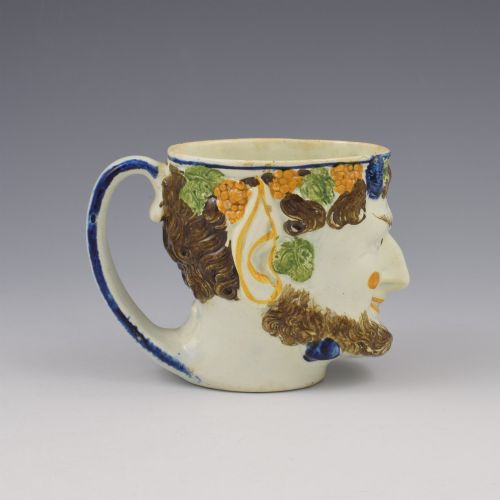
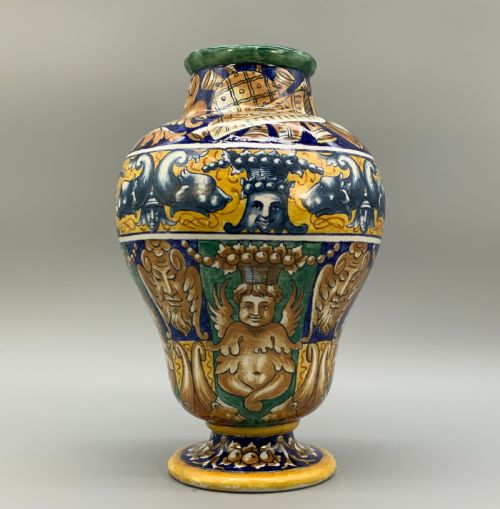
The selection ranges from eighteenth-century Italian pharmacy wet drug jugs and Dutch Delft vases to nineteenth-century Japanese Satsuma pieces and Staffordshire Toby jugs. Italian Majolica and tin-glazed earthenware dominate the European examples, while finely crackled Japanese ceramics represent the Asian tradition.
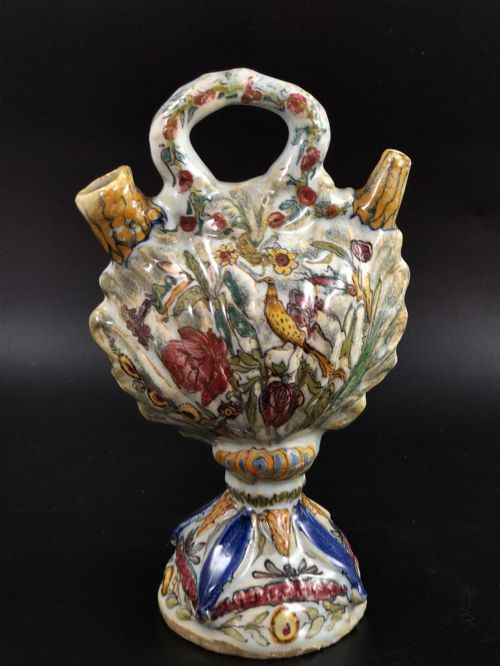
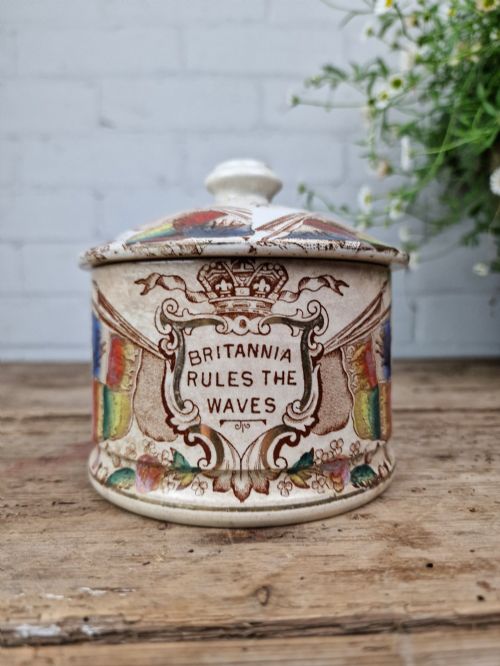
Forms vary from utilitarian apothecary jars and pilgrim flasks to large display vases, tea caddies, butter dishes and loving cups. Most examples date from the eighteenth and nineteenth centuries, though revival pieces and early twentieth-century Japanese works appear regularly.
Materials and construction methods
Makers shaped porous earthenware or ironstone bodies on the potter's wheel or formed them in moulds before applying glazes. Tin glaze and pearlware surfaces provided a smooth white ground suited to detailed hand painting.
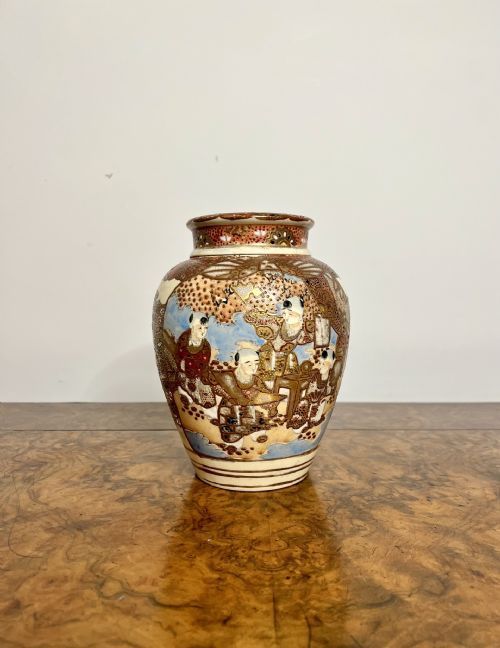
Painters applied mineral pigments, enamel and occasionally gold leaf directly onto the unfired or fired glaze before a second kiln firing fixed the colours. Japanese Satsuma pieces utilised characteristic cream-coloured earthenware finished with fine craquelure glazes and densely applied enamel decoration.
Listings span Georgian, Victorian and Meiji periods, uniting European tin-glazed earthenware with Japanese Satsuma ceramics.
Assessing visual and technical quality
Quality rests in the precision of the hand painting and the depth of the pigment palette. Pieces with crisp, detailed brushwork and stable glazes display greater artistic command than mass-produced domestic wares.
The complexity of the form also dictates standing, with moulded figural subjects, specialised apothecary vessels and large, balanced pilgrim flasks demanding higher skill from the potter than standard cylindrical jars.
Kizan·Miles Mason·Kinkozan
The Polychrome Earthenware Vessel Glossary
- Majolica
- A type of tin-glazed earthenware produced in Italy, celebrated for vibrant polychrome painting and opaque white surfaces. The style draws on Renaissance traditions and revival aesthetics.
- Albarello
- A cylindrical apothecary jar designed to store dried herbs, powders and pharmaceutical preparations. These vessels typically feature waisted sides for secure handling on dispensary shelves.
- Satsuma
- Japanese earthenware originating from the Satsuma Province, characterised by an ivory crackle-glaze and intricate enamel and gilt decoration. These pieces often depict traditional figures, floral motifs and thousand-flowerhead patterns.
- Tin glaze
- An opaque white glaze produced by adding tin oxide to lead glaze, providing an ideal canvas for painted ceramic decoration. This technique underpins traditional Delftware and Italian Majolica.
- Pilgrim flask
- A flat-sided circular vessel with small handles or lugs for suspension straps, historically carried by travellers. Ceramic versions evolved into highly decorative display pieces.
Polychrome Earthenware Vessel: Frequently Asked Questions
What is a polychrome earthenware vessel?
A polychrome earthenware vessel is any ceramic container made from porous clay and decorated with multiple painted colours. This category includes Italian Majolica pharmacy jars, Japanese Satsuma vases and English Staffordshire mugs.
These pieces combine functional utility with decorative painting, utilising tin glazes, enamels and gold leaf to create enduring visual appeal.
How were apothecary jars used?
Apothecary jars stored dry drugs, syrups, ointments and medicinal herbs in dispensaries and pharmacies. Their painted labels identified the specific contents for the apothecary.
Over time, these utilitarian vessels transitioned from working pharmacy shelves into decorative display objects appreciated for their historic inscriptions and tin-glazed surfaces.
How do I care for antique earthenware?
Protect antique earthenware by keeping pieces away from direct sunlight, extreme temperature fluctuations and moisture. Dust them gently with a soft, dry cloth rather than using liquid cleaning products.
Because earthenware bodies are porous and glazes can develop fine craquelure over centuries, avoid submerging these vessels in water.