





Italian Grand Tour Mosaic
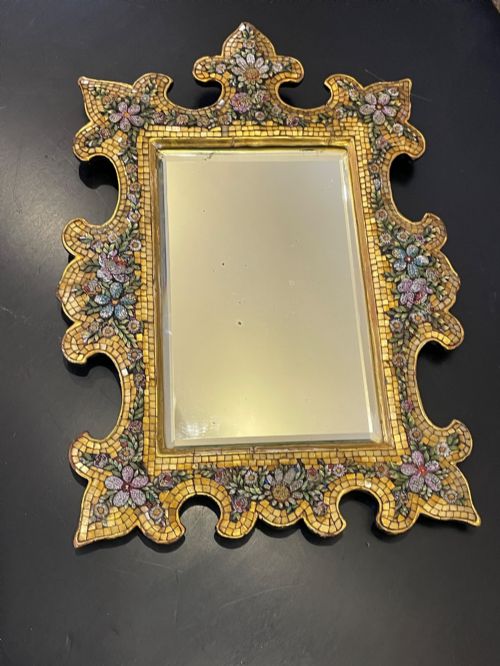
An italian grand tour mosaic brings home the ruins and vistas of Rome and Venice through minute glass tesserae set into marble, slate, and gold.
Italian Grand Tour Mosaic
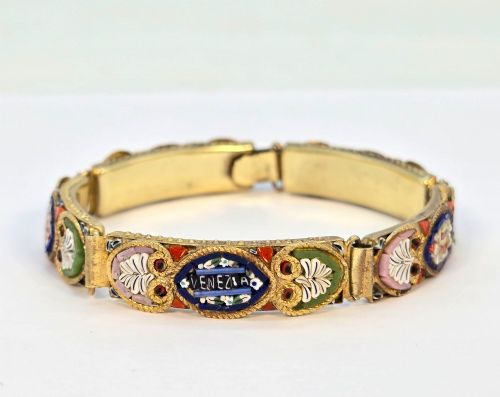
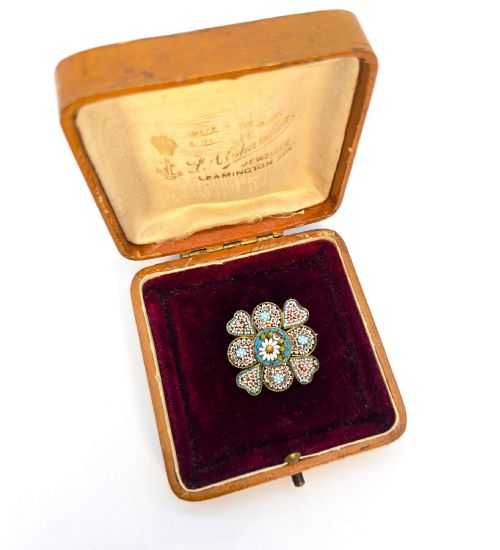
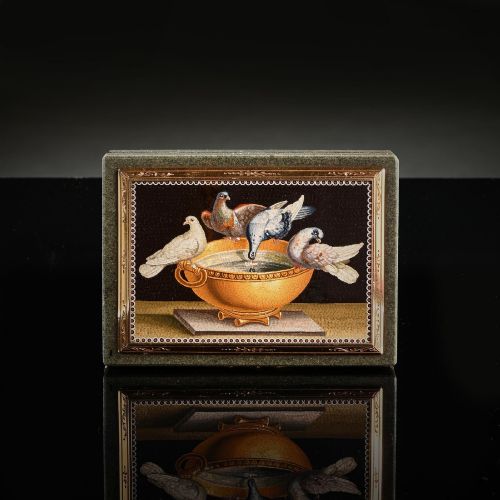
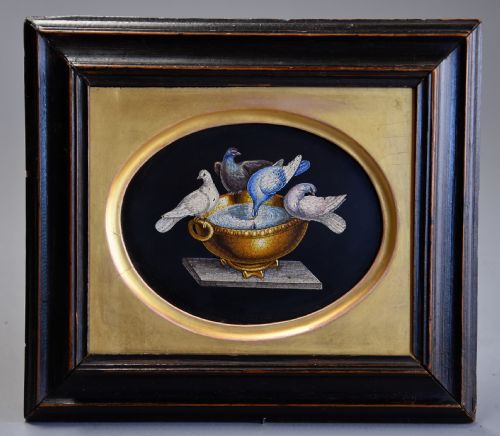
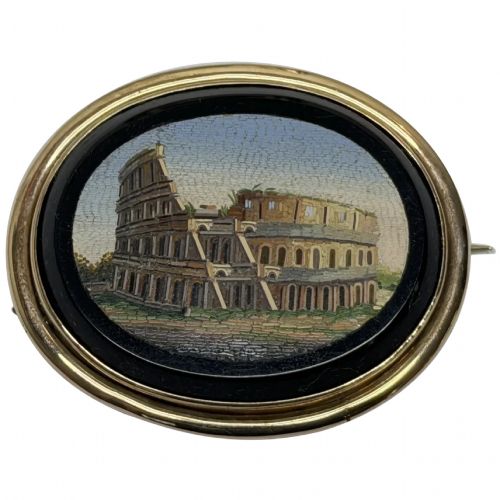
When you search for an italian grand tour mosaic, you encounter portable souvenirs brought back from nineteenth-century travels across Italy, spanning brooches, paperweights, plaques, and occasional tables. These pieces capture iconic landmarks such as the Roman Colosseum, Saint Mark's Square, and the Doves of Pliny in minute detail.
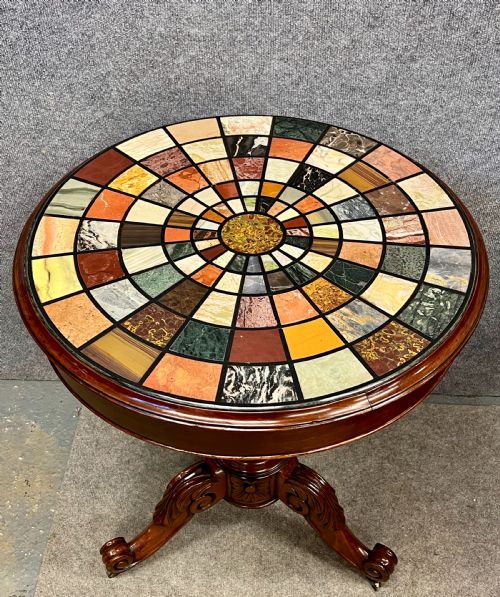
The most frequent forms met on this page are marble paperweights featuring central mosaic panels, alongside gold-mounted brooches and larger framed wall art depicting classical Italian scenes. Items range from small personal ornaments to substantial occasional furniture and specimen tables.
Originating primarily from nineteenth-century workshops, these works reflect the taste of Victorian travellers collecting tangible memories of classical antiquity and Venetian craftsmanship. Pieces draw upon Neoclassical design, incorporating local materials gathered during foreign tours.
How they were made
Craftsmen built these miniature pictures using glass tesserae fused from coloured glass pulled into thin threads, sliced into microscopic sections, and arranged within cavities carved into marble, slate, or onyx. The tiny fragments were then bonded and polished to create a seamless pictorial surface.
Mountings and structural elements utilise yellow gold, ormolu, gilt metal, and ebonised wood to frame the stone and glass work. Heavier objects combine solid slate or specimen marble bases with inlaid pietre dure panels or micro mosaic roundels.
Italian Grand Tour Mosaic Retail Price Guide 2026
Typical asking prices for italian grand tour mosaic among the pieces listed under this phrase on Sellingantiques today, from the lower quarter to the upper quarter. They describe what is for sale here now, not the wider market.
Object forms span personal jewellery, snuff boxes, chamber sticks, mirrors, wall art, and occasional tables.
What varies in quality
The density and fineness of the glass tesserae define the standard of the mosaic work, with superior pieces showing almost invisible grout lines and highly detailed pictorial shading. Simpler souvenirs use larger glass sections and broader colour gradations.
The quality of the supporting mount, whether solid gold, gilt bronze, or polished marble, matches the ambition of the central mosaic panel. Heavier specimen marble bases and substantial gold mounts indicate higher workshop investment.
Gioacchino Barberi·Domenico Moglia
The Italian Grand Tour Mosaic Glossary
- Micro mosaic
- A picture assembled from microscopic glass tesserae fused together to replicate famous paintings or classical ruins. These pieces require immense patience and skill from the mosaicist.
- Tesserae
- The individual small blocks of coloured glass used to construct the mosaic image. Their minute size allows for intricate shading and perspective.
- Pietra dura
- Hardstone inlay using polished slabs of coloured marble, jasper, and other stones to form geometric or pictorial designs. It frequently accompanies micro mosaic panels on tables and paperweights.
- Ormolu
- Gilt bronze mounted onto decorative objects and furniture. The finish provides a rich metallic contrast to dark marbles and coloured glass.
- Specimen marble
- Multi-coloured marble sections assembled into tabletops, paperweights, and plaques. Travellers collected these to showcase the variety of Italian geology.
Italian Grand Tour Mosaic: Frequently Asked Questions
What is an italian grand tour mosaic?
These pieces are nineteenth-century souvenirs bought by travellers visiting Rome, Venice, and Florence. They preserve classical ruins and famous artworks in glass tesserae and stone.
Craftsmen set the tiny tiles into marble paperweights, gold brooches, and occasional tables. Each item served as a portable memory of the grand tour.
How were these mosaics used?
Travellers used smaller items like gold brooches and snuff boxes as personal accessories or carried pocket paperweights back to Britain. Larger plaques and occasional tables decorated Victorian drawing rooms.
They functioned simultaneously as personal ornaments, practical desk weights, and conversation pieces that displayed the owner's cultural education.
How do I care for a mosaic?
Keep these pieces away from direct sunlight and extreme temperature changes to protect the setting resins and fragile glass tesserae. Dust them gently with a dry, soft brush.
Avoid liquid cleaners or abrasive cloths, which can damage the polished marble surfaces and loosen the microscopic glass elements.
How can I tell the period?
Nineteenth-century pieces typically feature specific mineral bases like slate, onyx, or specimen marble paired with hand-cut glass tesserae. Subject matter often mirrors known paintings or popular Roman landmarks of the Victorian era.
Mounts made from fifteen or eighteen-carat gold and hallmarks on jewellery help confirm nineteenth-century production dates.