

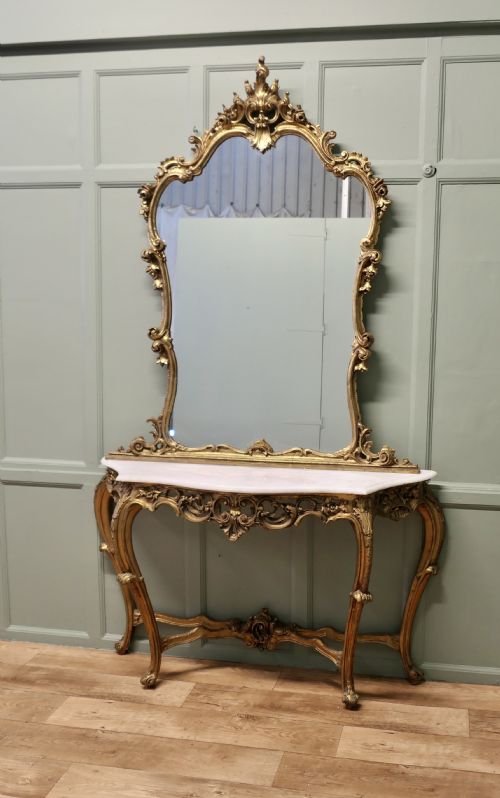
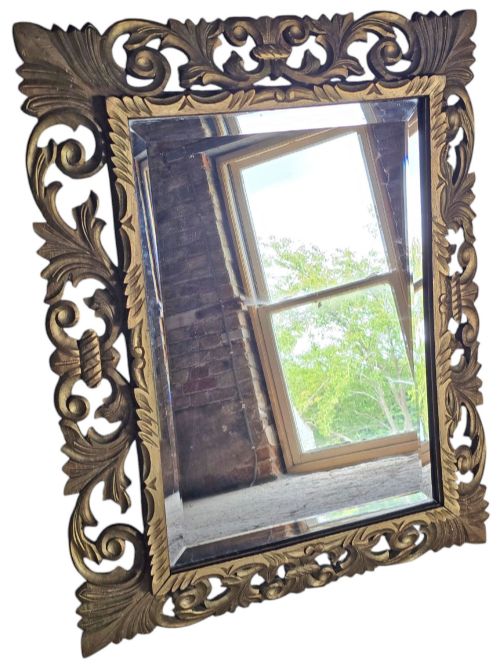
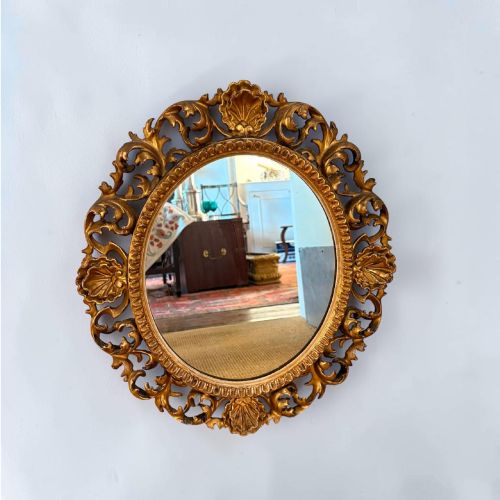
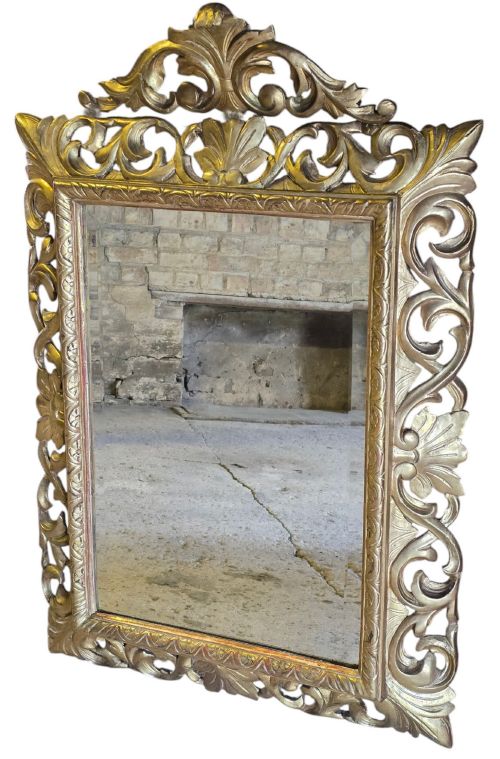
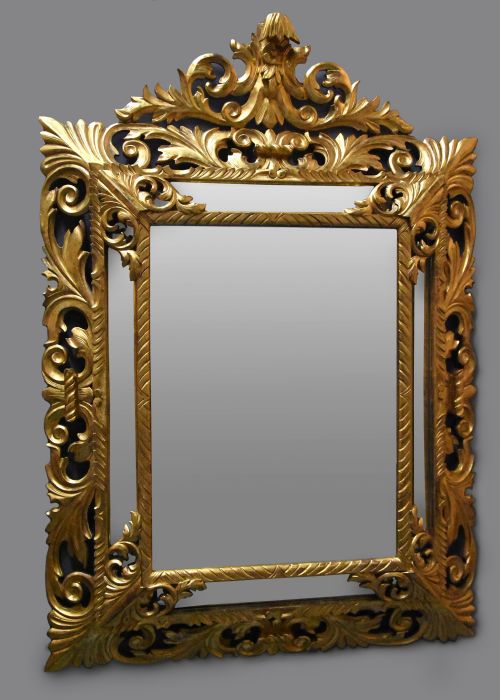
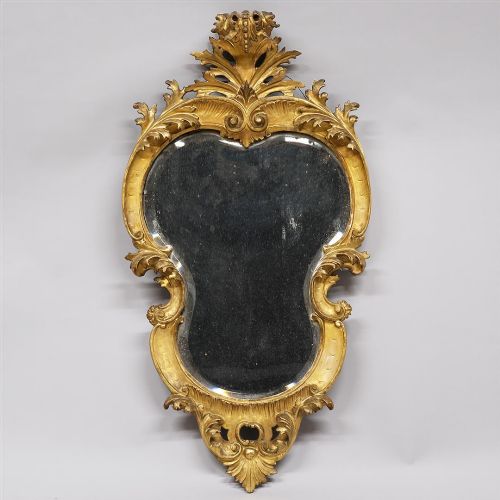

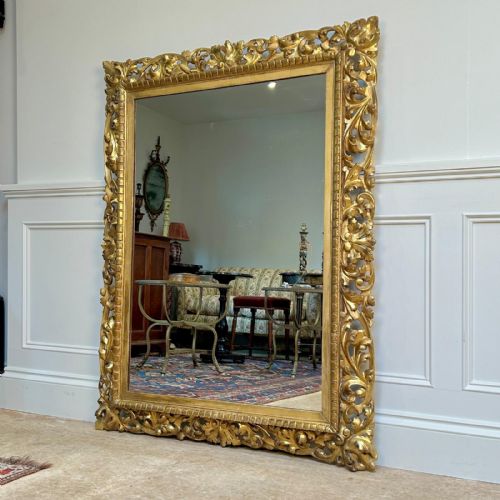
Italian Giltwood Wall Mirror
An italian giltwood wall mirror brings warmth and ornate craftsmanship to a room, catching the light through centuries of carved detail.
Italian Giltwood Wall Mirror
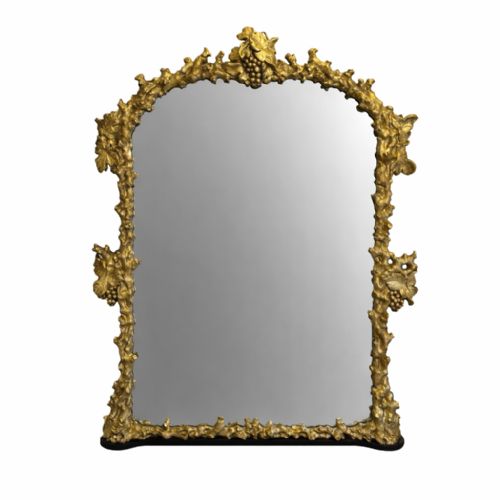
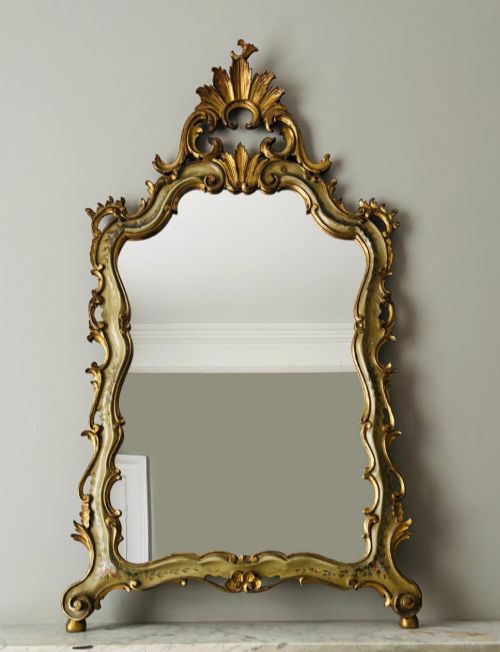
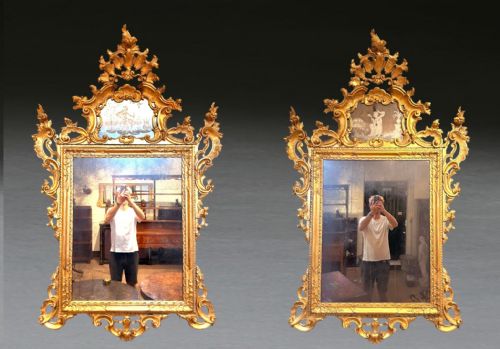
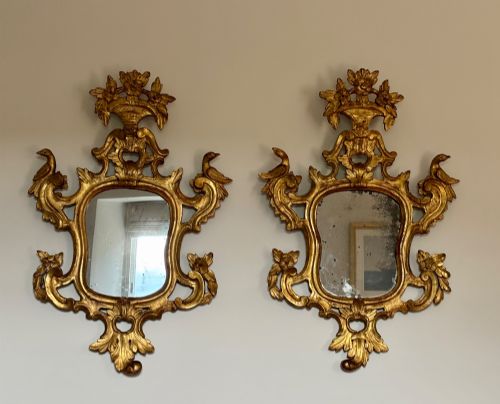
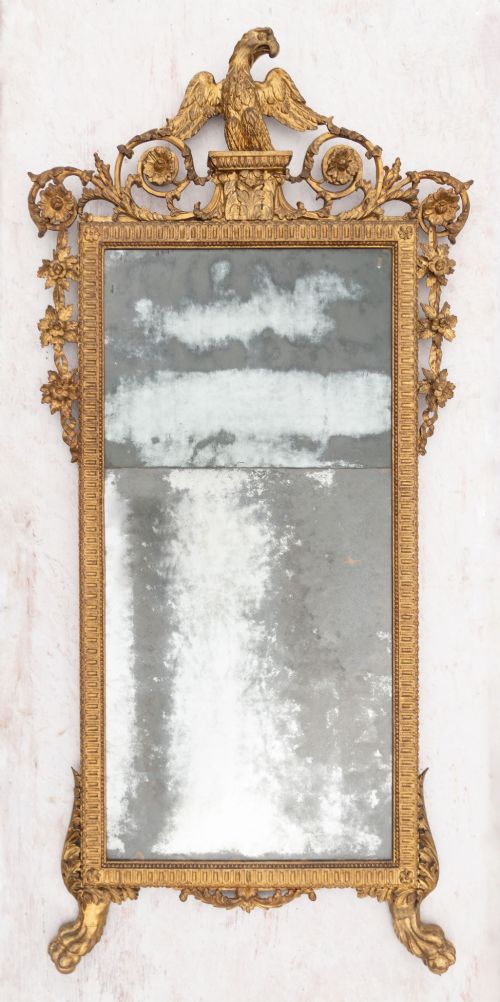
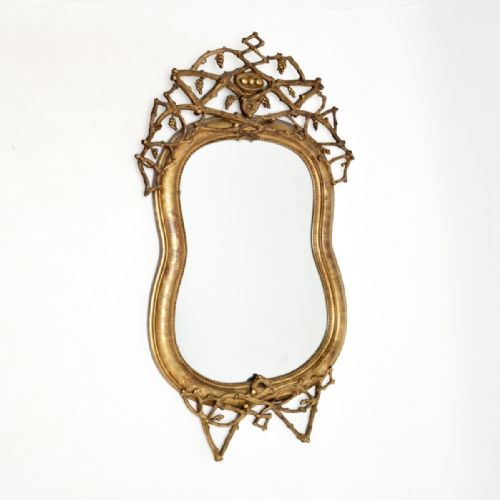
When searching for an italian giltwood wall mirror, buyers encounter grand overmantel pieces, intricate Florentine frames, and delicate Venetian rococo designs spanning from the eighteenth century into the twentieth century.
The selections on this page lean heavily toward nineteenth-century production, alongside eighteenth-century originals and early twentieth-century revivals featuring carved wood, gesso, and gold leaf surfaces.
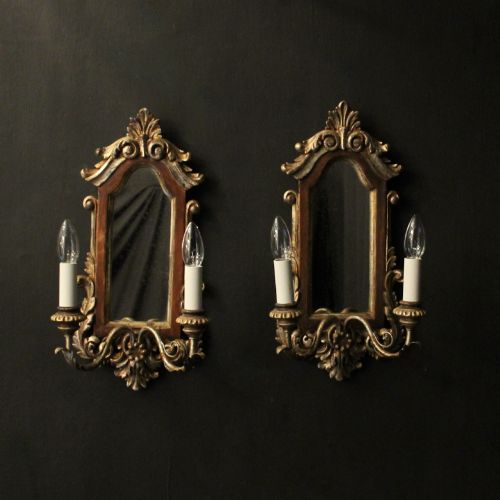
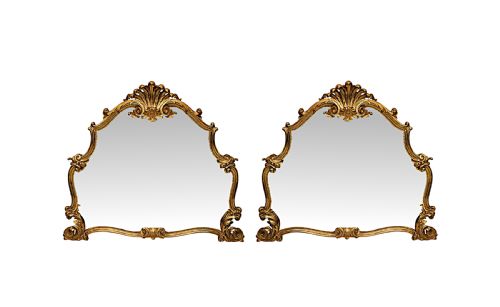
Most examples take rectangular, oval, or cartouche forms, frequently appearing as matched pairs or integrated with twin arm girandoles for lighting.
Materials and Techniques
Artisans carved wooden foundations from soft or hard timbers before applying layers of gesso to create smooth surfaces for detailed relief work.
Finishing involved laying down gold leaf or applying liquid gilding over the prepared gesso, sometimes combined with silver leaf highlights or polychrome paint.
Reflecting plates consisted of silvered mirror glass, often sectional or hand-beveled depending on the period of manufacture.
Italian Giltwood Wall Mirror Retail Price Guide 2026
Typical asking prices for italian giltwood wall mirror among the pieces listed under this phrase on Sellingantiques today, from the lower quarter to the upper quarter. They describe what is for sale here now, not the wider market.
One exceptional eighteenth-century mirror proudly bears the Papal coat of arms complete with the two keys.
Craftsmanship and Depth
Superior examples display deep, undercut carving where floral scrolls and foliage stand away from the frame rather than sitting flat in shallow relief.
The application of gold leaf demonstrates the skill of the gilder, showing subtle burnishing variations that reveal the red bole underneath over time.
Ciceri And Co
The Italian Giltwood Wall Mirror Glossary
- Giltwood
- Wood that has been coated with gold leaf or gold paint. This surface finish defines the reflective warmth characteristic of these antique frames.
- Gesso
- A plaster mix applied to carved wood to create a smooth ground for gilding. It allows for crisp, intricate sculptural detail.
- Girandole
- A branched wall fixture holding candles or lights, often attached to a mirror. Pairs of these illuminate rooms with reflected candlepower.
- Cartouche
- An ornamental frame resembling a rolled-up scroll or shield. Eighteenth-century versions often feature asymmetrical rococo scrolls.
- Overmantel mirror
- A large horizontal mirror designed to hang above a fireplace mantel. These pieces anchor the proportions of a reception room.
Italian Giltwood Wall Mirror: Frequently Asked Questions
How do I hang a heavy antique mirror?
Large carved frames require substantial wall fixings screwed directly into studs or masonry. Professional mirror hangers use weight-rated split battens to secure the heavy wooden structure safely.
Ensure the hanging wire or integrated brackets on the back match the distribution of the weight. Wall anchors provide necessary stability for nineteenth-century overmantel pieces.
Are these mirrors cleaned with water?
Water damages exposed gesso and lifts fragile gold leaf from the wooden substrate. Dust the carved surfaces gently with a soft, dry brush.
Glass cleaner should be applied sparingly to a cloth rather than sprayed directly onto the mirror plate. This prevents moisture from seeping behind the silvering or into the wooden joints.
How do I distinguish eighteenth-century pieces?
Earlier frames exhibit hand-carved tool marks, heavy gesso layers, and subtle shrinkage cracks in the wood. Eighteenth-century mirrors often use older mirror plates with slight imperfections or foxing.
Revival pieces from the nineteenth and twentieth centuries utilise machine-sawn backing boards and cleaner glass while copying earlier baroque and rococo styles.
Where should I place an overmantel mirror?
Positioning an overmantel mirror above a fireplace reflects natural light and opens up the dimensions of the room. These horizontal pieces balance the visual weight of the hearth below.
They also function effectively on main hallway walls or opposite windows to draw daylight deeper into living spaces.