

Italian Classical Painting
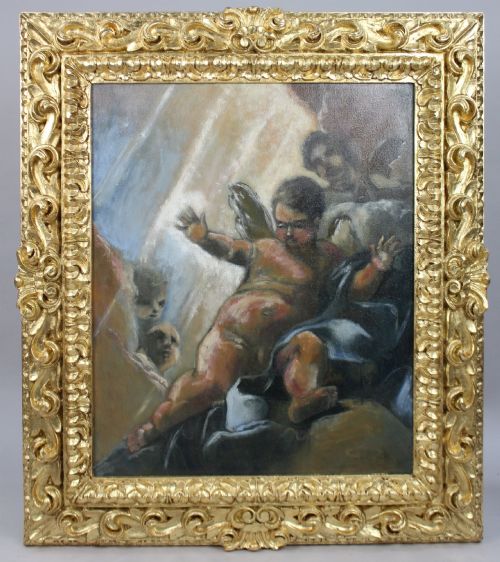
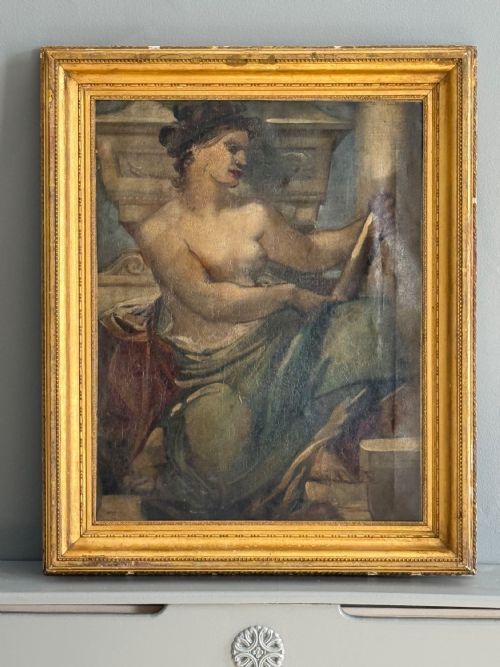
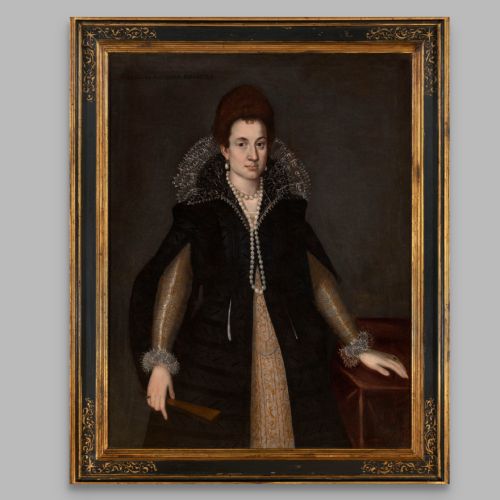
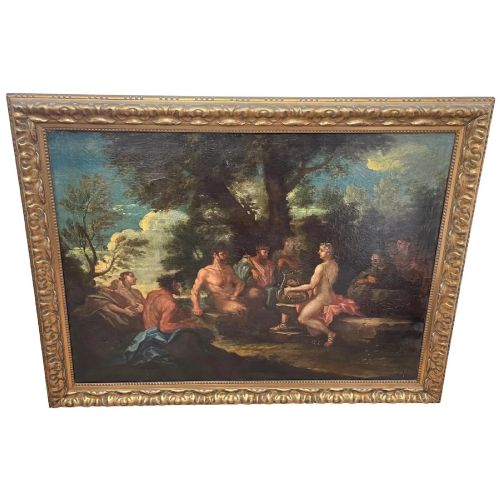
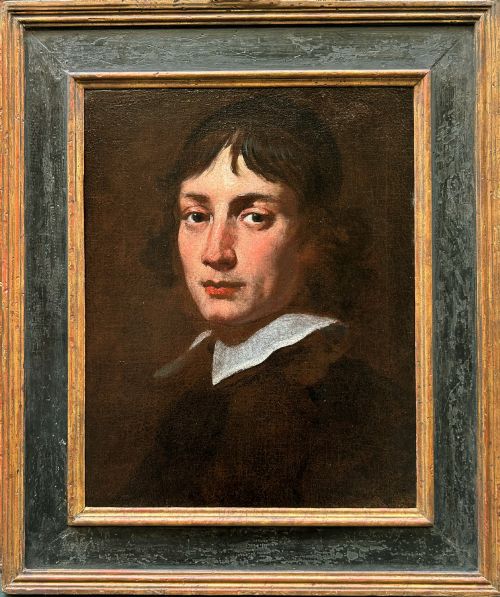
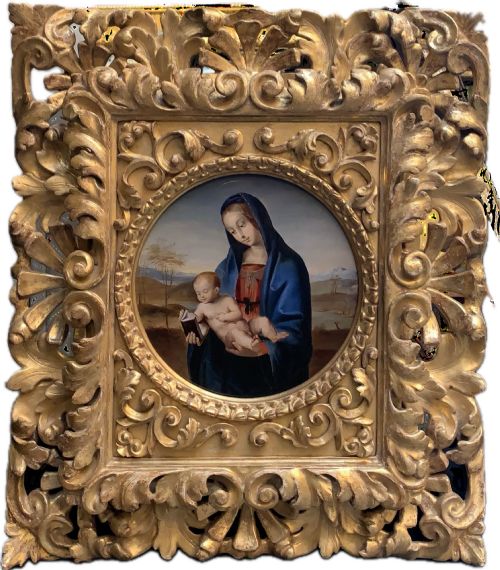
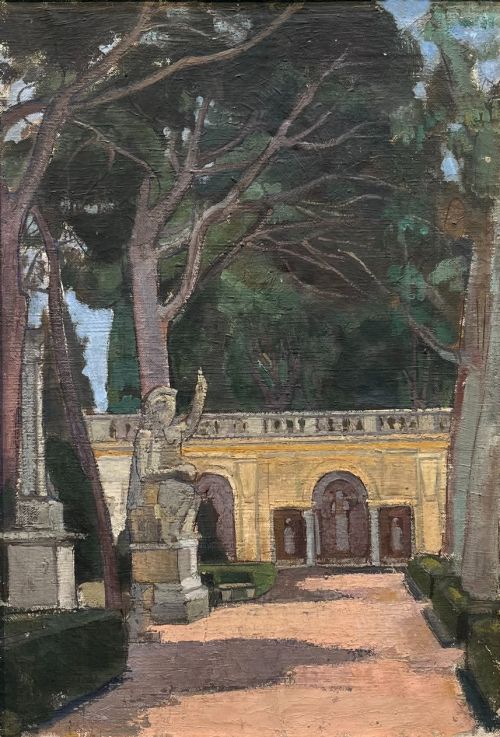
An italian classical painting carries centuries of European heritage into a room, offering grand architecture, mythological scenes, and expressive portraits.
Italian Classical Painting
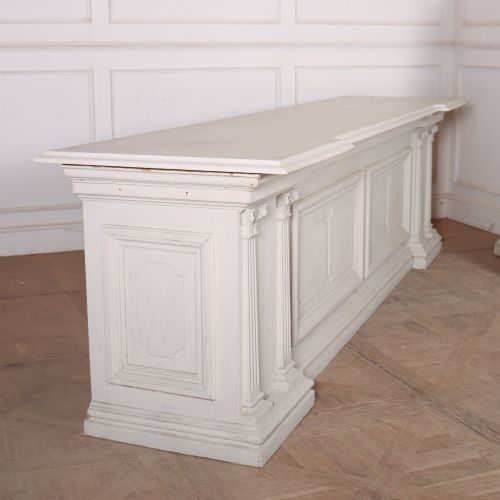
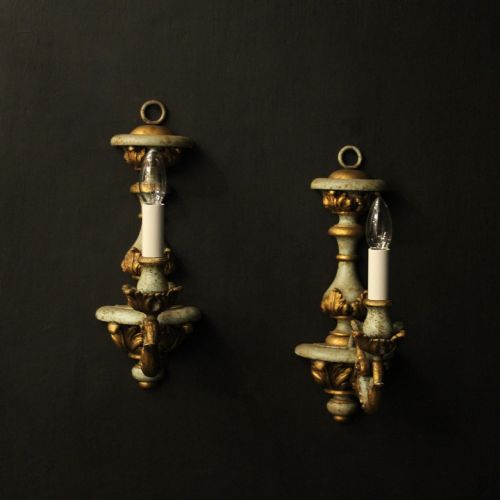
Many works connect to the Grand Tour tradition or follow the compositions of Renaissance and Baroque masters such as Raphael and Veronese. Alongside framed canvases, you will find related pieces including wall lights and painted furniture that share the same aesthetic vocabulary.
Materials and Techniques
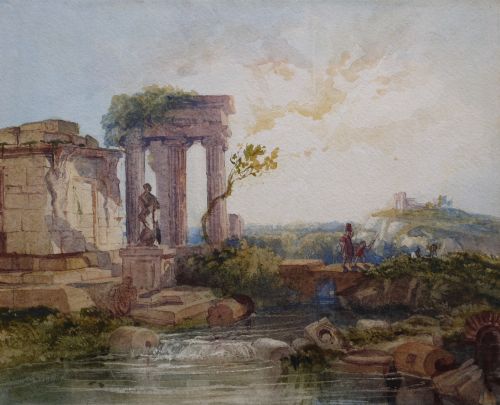
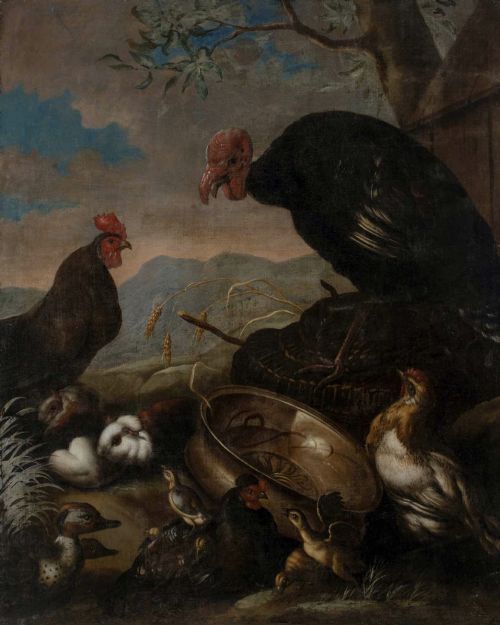
The works rely primarily on oil on canvas, applied with traditional layering techniques to achieve depth in figures and backgrounds. Watercolours on paper also appear frequently, particularly in topographical views created during the Grand Tour era.
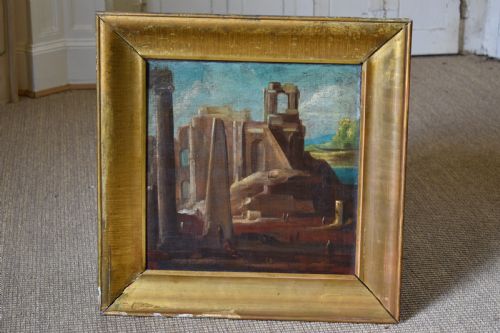
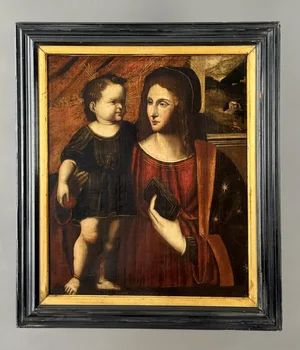
Surviving pieces are typically housed in carved giltwood frames or decorated wooden settings that complement the visual weight of the artwork. Gold leaf and gilt accents enhance the decorative presence of both the paintings and the associated furnishings.
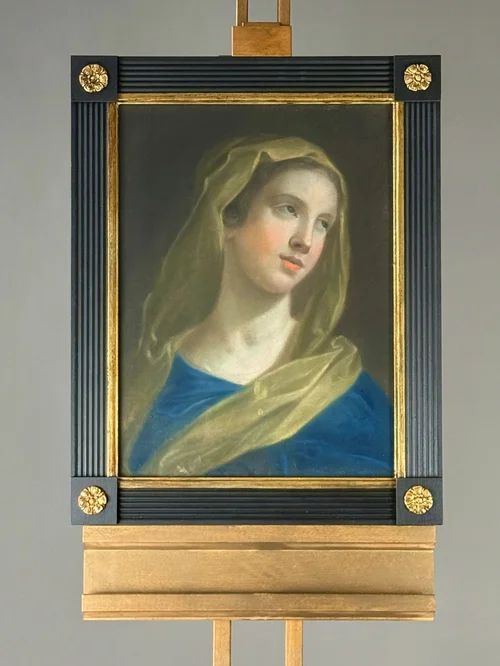
The selection encompasses oil paintings, watercolours, and pastels alongside associated decorative items such as wall lights and porcelain.
Assessing Quality and Execution
Quality rests on the confidence of the brushwork and the anatomical proportion of the figures within the composition. Masterful handling of light and shadow distinguishes accomplished interpretations from formulaic decorative output.
The integrity of the original support, whether canvas or panel, and the preservation of the pigment layers dictate the enduring visual impact of the piece. Period frames that match the age and style of the artwork elevate the overall cohesion of the object.
Angelo Maria Crivelli·Benedetto Luti·Pietro Fachetti·Guillaume Courtois·Ferruccio Vitale
The Italian Classical Painting Glossary
- Grand Tour
- A cultural journey undertaken by wealthy young Europeans through Italy during the 18th and 19th centuries to study classical art and antiquities. This travel tradition generated a vast demand for local paintings, watercolours, and souvenirs.
- Baroque
- An ornate artistic style originating in Italy around 1600, characterised by dramatic movement, deep shadow, and tension. It dominated European art for over a century.
- Neoclassical
- A Western cultural movement drawing on the art and culture of classical antiquity, which influenced painting and decorative arts during the 18th and 19th centuries. Works in this style emphasise linear precision and restrained dignity.
- Giltwood
- Wood that has been treated with a thin layer of gold leaf or powder, frequently utilised for ornate picture frames and decorative furniture. It provides a luminous border that catches interior light.
- Provenance
- The documented history of ownership of an artwork, tracing its path from the creator or original commission to the present day. Clear provenance supports the historical attribution of older pieces.
Italian Classical Painting: Frequently Asked Questions
What defines an italian classical painting?
These works draw inspiration from Renaissance, Baroque, and classical antiquity, focusing on mythological narratives, religious subjects, and idealised landscapes.
They reflect European academic traditions of composition and perspective developed across several centuries.
How do I care for antique oil paintings?
Keep paintings away from direct sunlight, excessive moisture, and rapid temperature fluctuations to prevent canvas degradation and cracking.
Dust surfaces gently with a soft, dry brush and avoid chemical cleaning agents entirely.
What is Grand Tour art?
Grand Tour pieces were created in Italy for international travellers documenting their educational journeys through classical sites and historic cities.
These portable works included watercolour views of ruins and oil landscapes intended to display cultural sophistication back home.
How can I tell the period of a painting?
Examine the stretcher bars, canvas weave, and framing style alongside any visible signatures, inscriptions, or labels on the reverse.
Stylistic cues within the clothing, architecture, and pigment application also help narrow down the date of execution.