


Italian Classical Bust
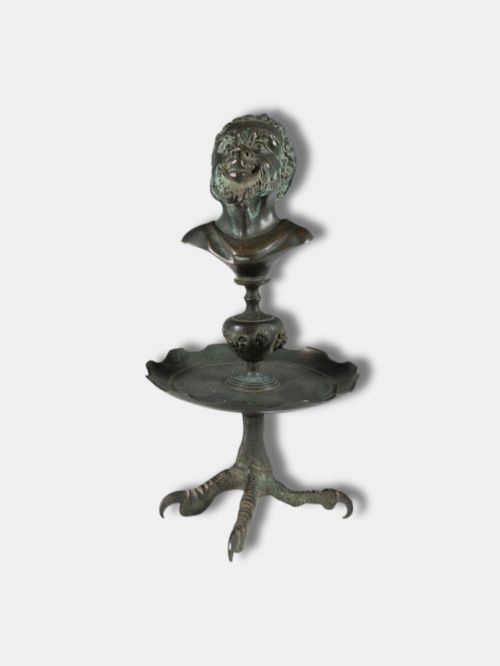
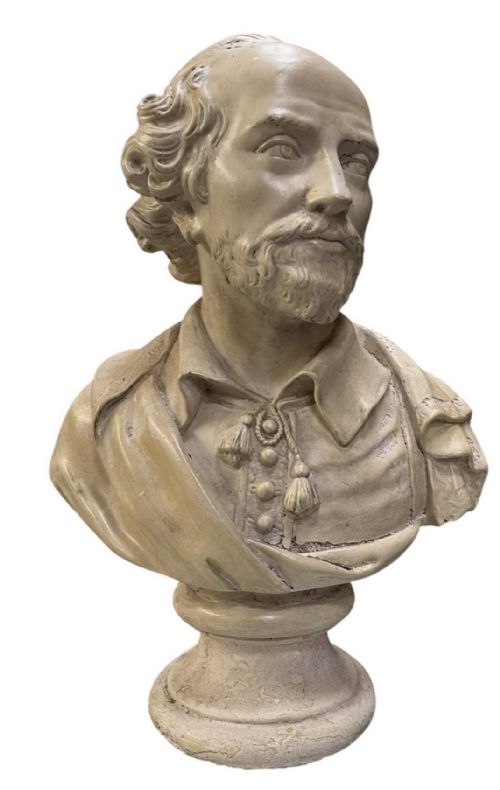
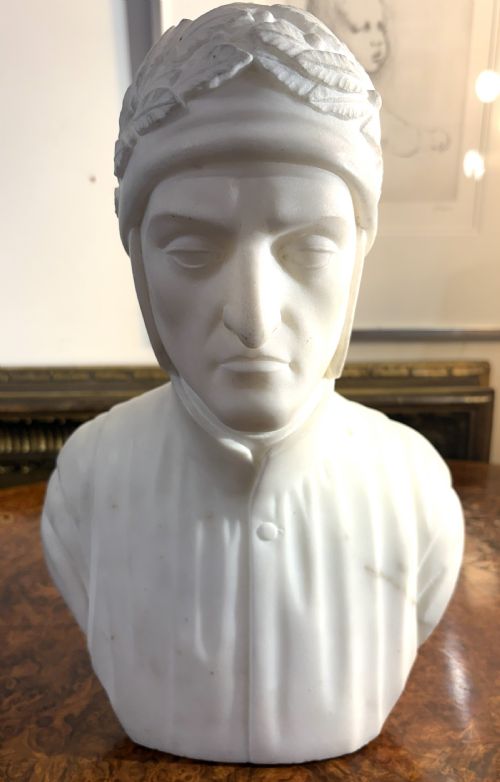
When you search for an italian classical bust, you encounter sculpted likenesses drawn from antiquity and later revivals that bring a commanding sculptural presence to a room.
Italian Classical Bust
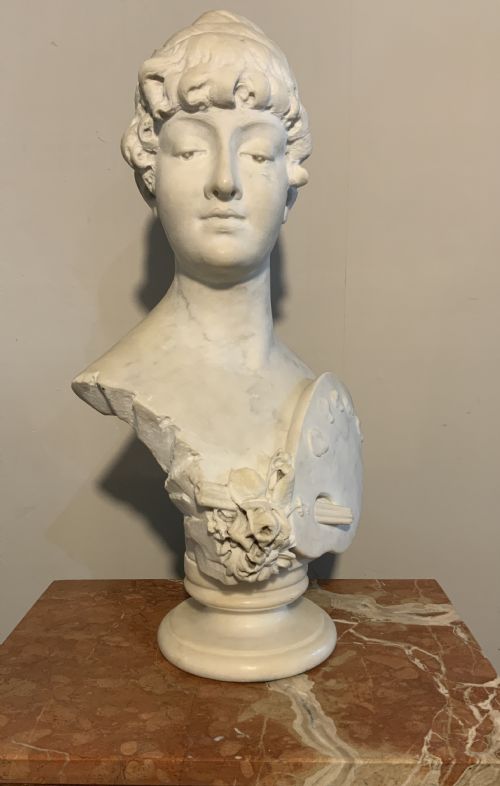
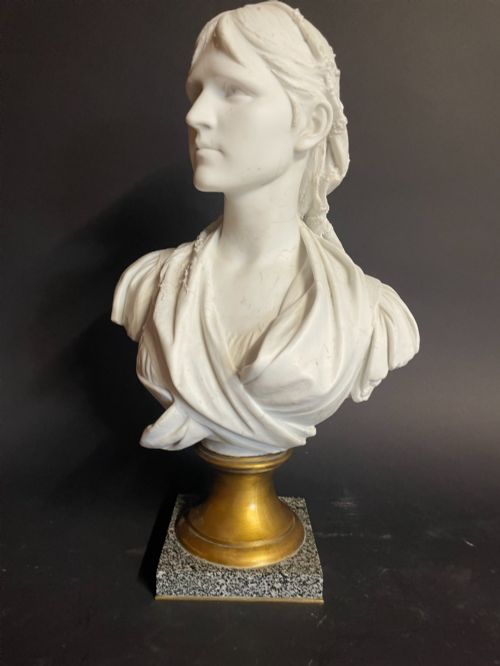
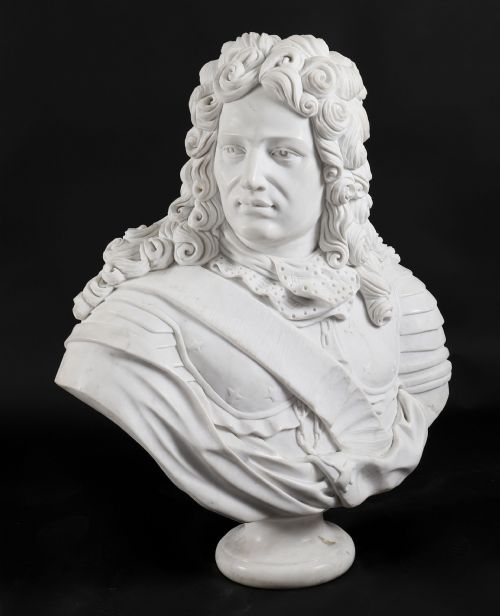
An italian classical bust represents historical, mythological, or literary figures carved in stone or cast in metal, drawing directly from antique models. When exploring an italian classical bust, you find subjects ranging from Roman emperors and noblewomen to literary figures like Dante and Shakespeare.
The selections on this page span several periods, with nineteenth-century Grand Tour souvenirs and Victorian interpretations appearing frequently alongside twentieth-century works. These sculptures take the form of freestanding library busts, wall plaques, and profile reliefs mounted on marble bases or pedestals.
Makers and sculptors often adapted classical forms to suit contemporary tastes, resulting in varied expressions from stern noblemen to veiled female figures. Collectors encounter both grand scale gallery pieces and smaller cabinet studies intended for domestic display.
How they were made
Carving in marble, particularly Carrara stone and alabaster, represents the primary method of production for these sculptures, allowing artisans to achieve smooth flesh tones and intricate drapery. Bronze casting using the lost-wax or sand-casting methods created metallic portraits, often finished with a dark patina or verdigris.
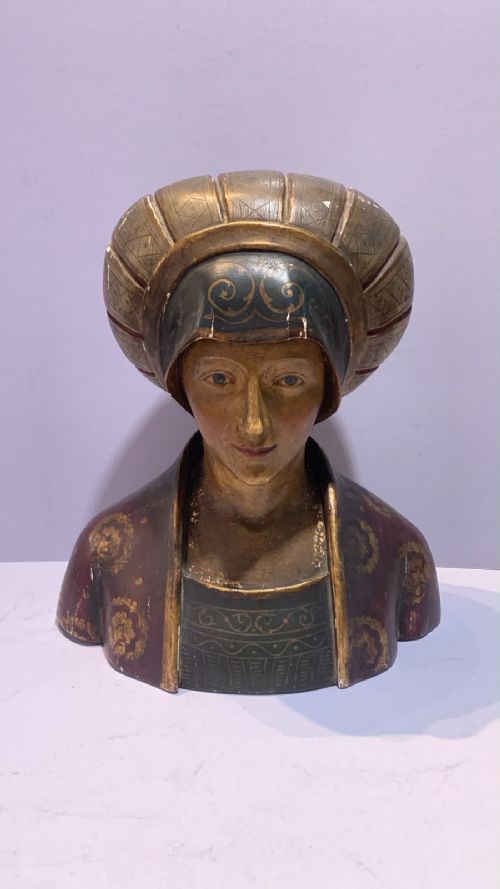
Alternative materials include terracotta, plaster, and carved wood, sometimes enhanced with polychrome paint or gold leaf details. Sculptors combined these media with complementary stones like Vert de Mer for bases or utilised scagliola for architectural pedestals.
Listings feature materials spanning Carrara marble, bronze, terracotta, plaster, brass, and polychrome wood.
What varies in quality
The refinement of the carving or casting defines the distinction between standard decorative items and exceptional sculptural works. Superior examples demonstrate precise anatomical proportion, crisp rendering of hair and fabric, and sensitive treatment of facial expression.
Material selection also dictates quality, with dense homogeneous marbles and carefully chased bronzes achieving greater tactile depth. Signed pieces by recognised sculptors or documented workshops command greater attention from collectors.
Raffaelo Monti·Giuseppe Moretti·Achille Mollica·Richard Aurili·Pugi
The Italian Classical Bust Glossary
- Carrara marble
- A type of white or blue-grey marble from the city of Carrara in Tuscany, widely used for classical sculpture. It is prized for its fine grain and luminous quality.
- Grand Tour
- A traditional trip of Europe undertaken by upper-class European young men of sufficient means. Souvenirs from these journeys included small bronze and marble busts.
- Scagliola
- A composite material made from selenite, glue, and pigments, mimicking marble and other hard stones. Artisans used it to create durable decorative architectural elements and pedestals.
- Verdigris
- A green patina formed on copper, brass, or bronze surfaces through natural weathering or chemical treatment. This surface coloration frequently appears on antique bronze sculptures.
- Patina
- A thin layer that naturally or artificially develops on the surface of bronze, wood, or stone over time. It results from age, exposure, and handling.
Italian Classical Bust: Frequently Asked Questions
What materials were used for these busts?
Sculptors utilised various mediums including Carrara marble, alabaster, bronze, terracotta, and plaster to render these classical subjects. Supporting elements often featured contrasting stones or wooden bases.
Selection depended on the intended display context, ranging from heavy stone library pieces to lighter cast metal studies.
How do I identify a Grand Tour piece?
Grand Tour pieces typically date from the eighteenth and nineteenth centuries and were acquired by travellers visiting Italy. These works often replicate famous antiquities in a reduced scale.
They frequently feature verdigris bronze finishes or carved marble bas-relief profiles designed for ease of travel.
Where should I place a heavy marble bust?
Due to their substantial weight, marble and bronze sculptures require sturdy support such as dedicated stone pedestals, strong wooden consoles, or low library tables. Placement should account for balance and stability.
Positioning them away from high-traffic household areas protects both the sculpture and its display surface from accidental impact.
How can I tell the period of a sculpture?
Dating relies on examining tool marks, material composition, mounting techniques, and stylistic conventions associated with specific revival periods. Nineteenth-century works often reflect neoclassical or academic realism trends.
Signatures, foundry marks, or inscriptions on the base frequently provide direct evidence of the maker and manufacturing era.