

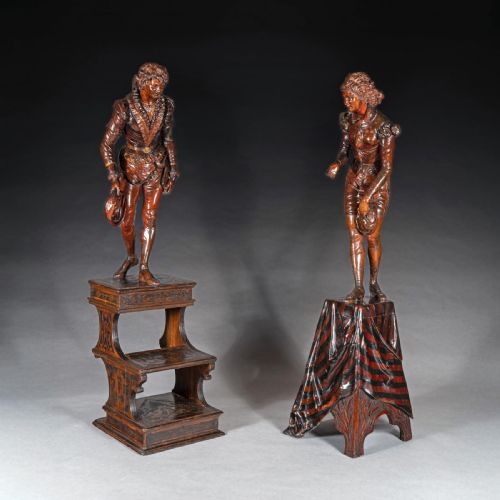


Italian Carved Wood Statue
An italian carved wood statue brings centuries of theatrical presence into a room, moving effortlessly between sacred devotion and grand decorative display.
Italian Carved Wood Statue
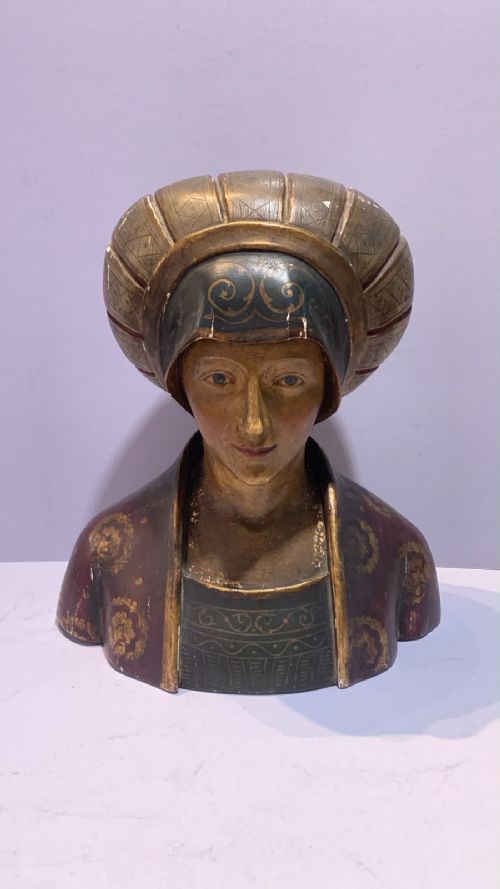
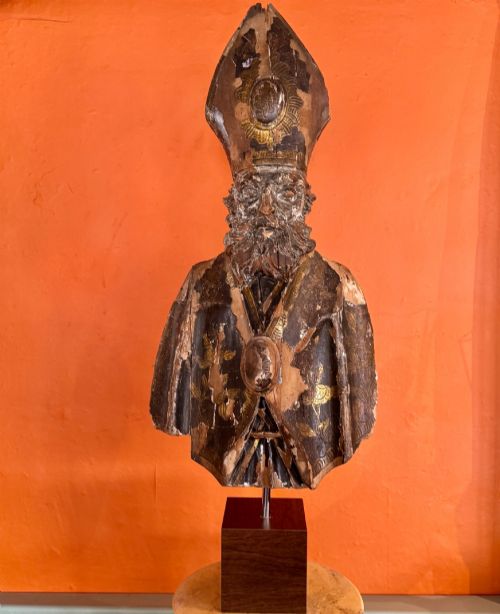
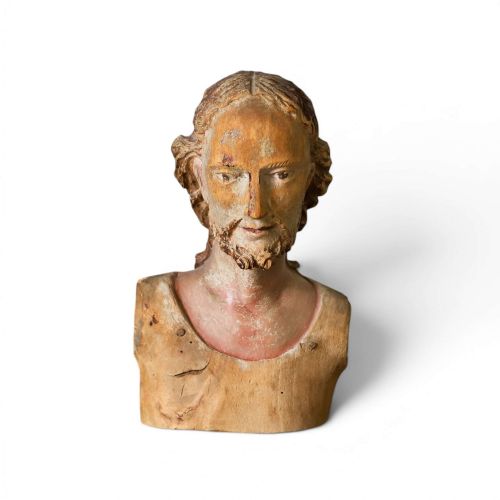
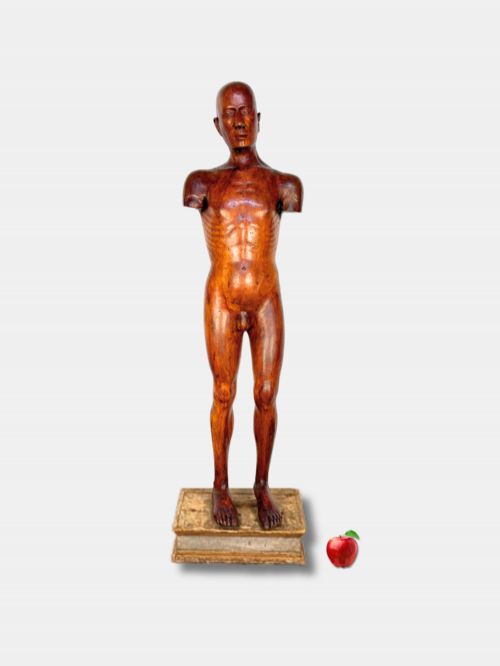
When you examine an italian carved wood statue, you encounter figures shaped by hands that understood anatomical form and dramatic drapery. The selection ranges from solemn ecclesiastical busts and processional saints to decorative Blackamoor figures and energetic baroque putti.
The pieces appearing most frequently on this page belong to the eighteenth and nineteenth centuries. Eighteenth-century examples often carry rich polychrome paint and genuine religious function, whilst nineteenth-century works frequently lean towards Grand Tour souvenirs, Venetian decorative figures, and revivalist sculpture.
Forms vary from life-size standing figures on plinths to wall-mounted angels and table-top busts of noblewomen. Olive wood, gesso, and standard timber form the structural base for intricate hand-carved details that reflect regional Italian traditions from Venice to Sicily.
Materials and construction methods
Carvers typically utilised dense local timbers such as olive wood and general hardwoods, which accepted fine chisel work without splitting along the grain. Artisans then applied a layer of gesso over the timber surface to create a smooth preparation layer for subsequent gilding and paint.
Polychrome paint and gold leaf finishes were applied by hand, often building up layers of metallic leaf alongside oil or tempera pigments. Original surfaces frequently show the subtle craquelure of age across the gesso and paint layers rather than modern uniform spraying.
Listings feature Italian carved wood statues spanning the eighteenth and nineteenth centuries, incorporating materials like olive wood, gesso, gold leaf, and polychrome paint.
Distinctions in craftsmanship and survival
Quality rests primarily in the sharpness of the carving and the articulation of hands, drapery folds, and facial expressions. Master carvers achieved a naturalistic flow in clothing and musculature that lesser workshops rendered stiffly.
The survival of original polychrome paint and parcel-gilt surfaces elevates a piece significantly above examples that have suffered heavy overpainting or chemical stripping. Traces of original gold leaf and untouched pigments preserve the intended visual impact of the maker.
Valentino Besarel
The Italian Carved Wood Statue Glossary
- Polychrome
- Decorated in multiple colours using paint or pigments applied directly to the carved wood surface. This finish defines many religious figures and Venetian decorative works.
- Gesso
- A plaster mixture applied to wood surfaces as a base for paint and gold leaf application. It provides the smooth white ground characteristic of traditional Italian gessoed sculptures.
- Santos
- A carved figure representing a saint or holy person, often utilised in religious processions or private domestic shrines. These figures frequently feature articulated limbs for dressing in real textiles.
- Putto
- A plump, winged infant figure, common in Renaissance and Baroque art. They appear individually or in pairs, often perched on clouds or architectural elements.
- Torchere
- An ornamental stand or tall sculptural support designed to hold a light source or display a figure. Venetian examples frequently take the form of carved human figures holding trays.
Italian Carved Wood Statue: Frequently Asked Questions
How do I identify a Santos figure?
Santos figures are carved specifically for religious devotion and processions, often featuring hollowed or block construction designed to carry fabric vestments. Many retain attachment points for robes and wigs.
Examine the back and interior structure where appropriate, as these utilitarian construction methods differ from solid decorative salon sculptures.
Are these statues meant for outdoor display?
These historical carvings belong strictly indoors, as gesso, polychrome paint, and gold leaf deteriorate rapidly when exposed to moisture and temperature fluctuations. Olive wood and soft pine substrates will warp and crack outdoors.
Keep pieces away from direct sunlight and strong heat sources to preserve the original painted and gilded surfaces.
How do I distinguish 18th century from 19th century work?
Eighteenth-century pieces typically exhibit deeper tool marks, heavier gesso application, and earthy mineral pigments consistent with ecclesiastical commissions. Nineteenth-century pieces often reflect revivalist styles, Grand Tour influences, or commercial Venetian production.
Compare the wear patterns and wood dryness, keeping in mind that nineteenth-century works frequently adopted earlier Baroque styling.
What is a Blackamoor figure?
A Blackamoor is a decorative carved wooden figure, frequently depicted as a Moorish or Venetian gondolier, often holding a tray or torchere. These figures gained popularity in Venetian art and nineteenth-century interior design.
Original examples usually feature hand-carved timber bases with parcel-gilt and polychrome painted decoration.