




Italian Carved Wood Mirror
When choosing an italian carved wood mirror, look for the intricate scrollwork and ornate gilding that define these traditional decorative wall pieces.
Italian Carved Wood Mirror
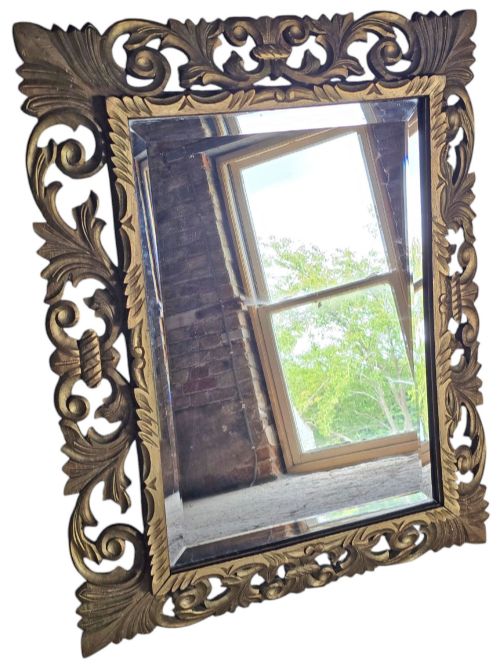
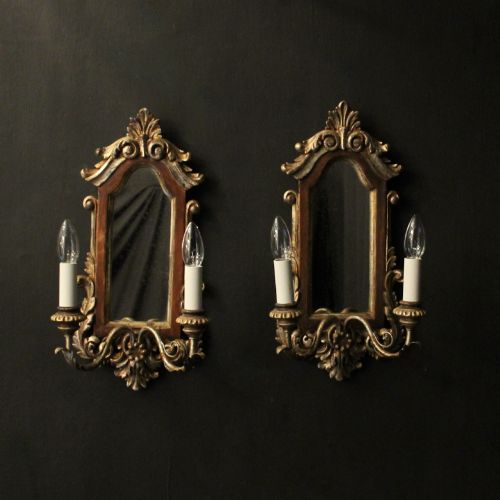
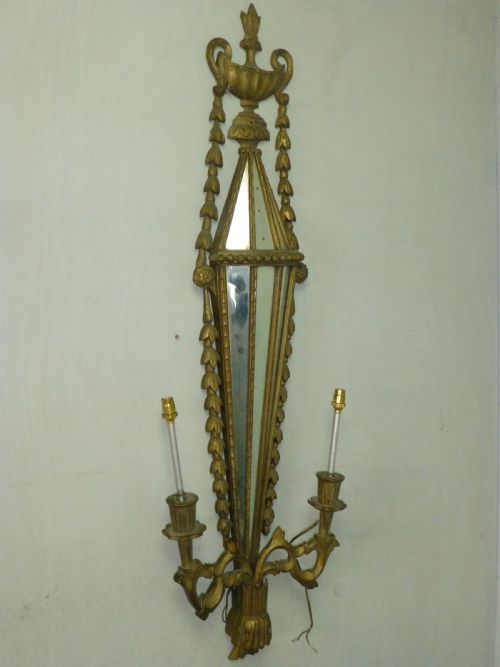
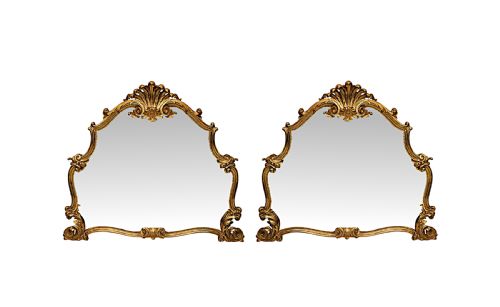
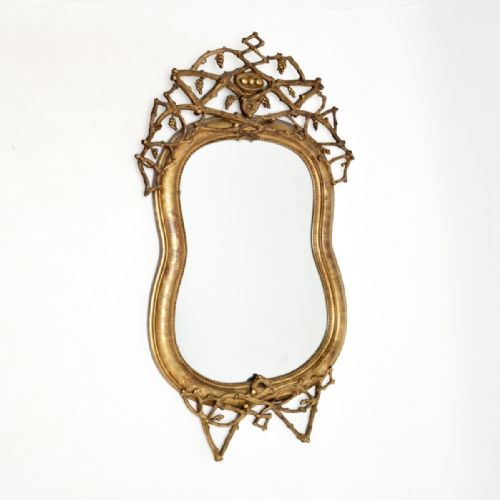
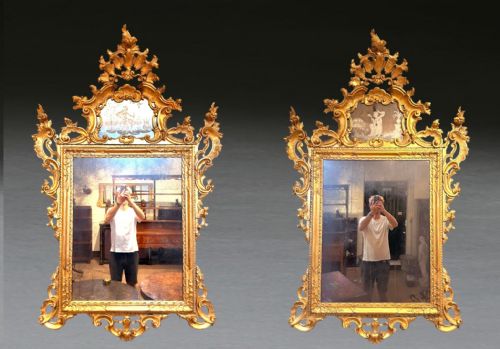
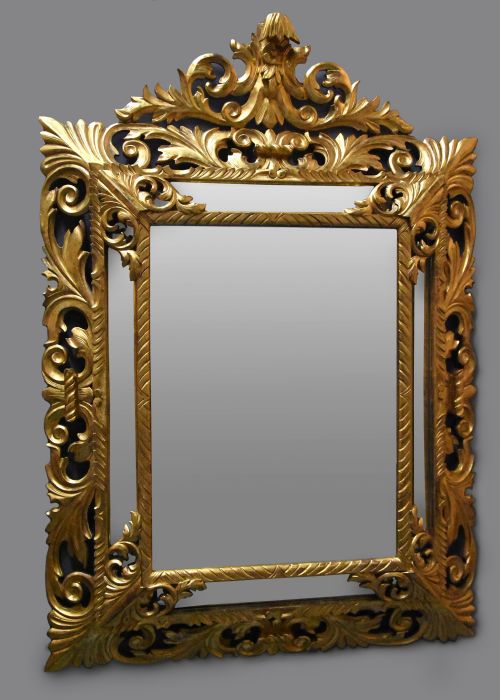
An italian carved wood mirror serves primarily as an ornate wall hanging or overmantel piece, bringing historical character to a room through traditional craftsmanship. The selection encompasses forms ranging from grand 18th-century Venetian and Florentine works to smaller 19th-century Rococo Revival and Baroque style designs.
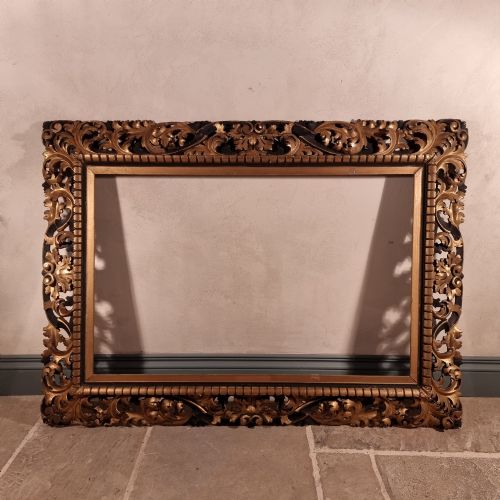
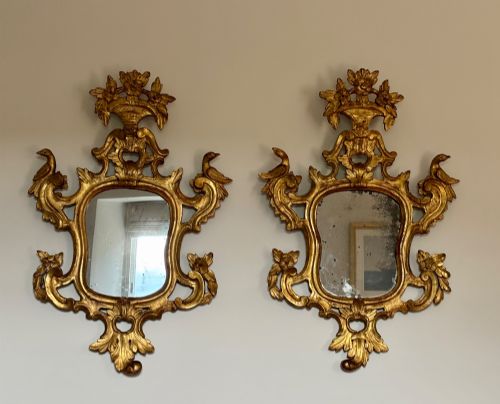
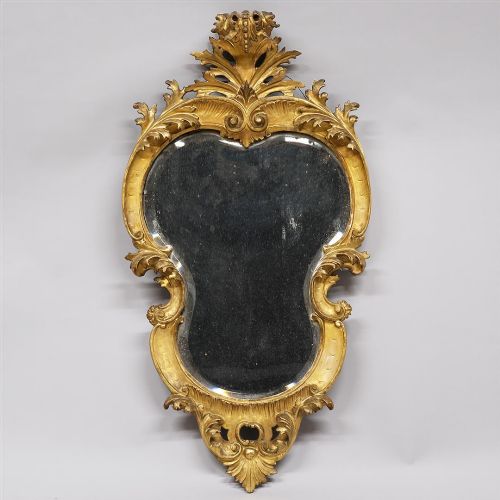
Buyers frequently encounter large giltwood overmantels, tall pier mirrors, and intricate cartouche frames. These objects often display elaborate floral motifs, scrollwork, and shaped crests that reflect regional Italian decorative traditions spanning several centuries.
Materials and Construction
Makers shaped these frames from native woods such as limewood or general carved timber, applying layers of gesso to create a smooth base for detail work. Gold leaf or silver leaf was then laid over the prepared surface, sometimes complemented by polychrome paint or parcel gilt finishes.
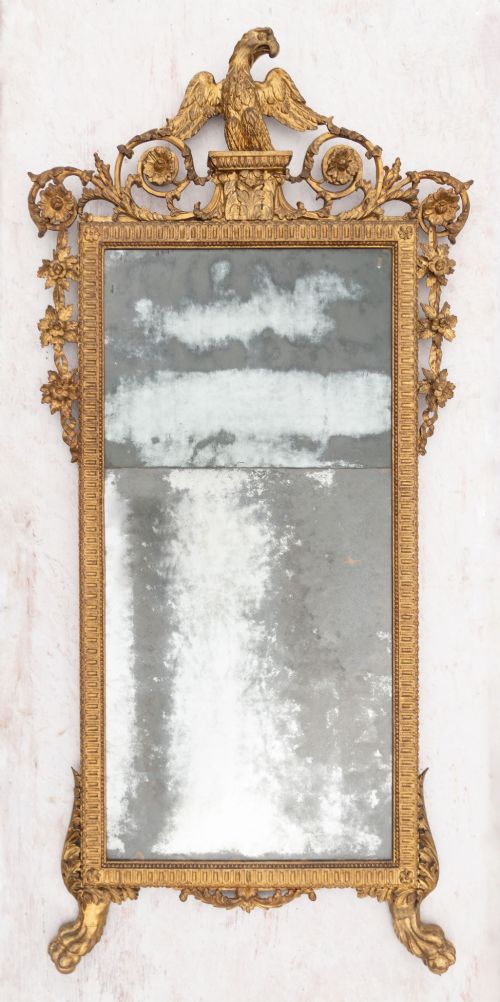
Traditional techniques combined hand carving with applied gesso moulding to achieve high relief ornamentation. Artisans integrated original mirror glass plates, occasionally featuring foxed patination or engraved details within the reflective surface.
Several mirrors include foxed plates that reflect the room with a charmingly misty, centuries-old blur.
Assessing Quality
The distinction between standard and superior examples lies in the depth and crispness of the hand carving. Finer pieces show fluid, undercut foliage and scrollwork executed by skilled artisans rather than repetitive, shallow moulding.
The integrity of the original gilding and surface finish also determines standing. Pieces retaining their original gold leaf, silver leaf, or authentic painted decoration hold greater historical continuity than later overpainted or heavily restored surfaces.
The Italian Carved Wood Mirror Glossary
- Giltwood
- Wood covered with a thin layer of gold leaf applied over a prepared gesso ground. This finish provides the characteristic metallic brilliance seen on traditional frames.
- Gesso
- A plaster-like mixture applied to wood surfaces and carved or moulded into intricate decorative details before gilding. It creates the smooth foundation necessary for fine relief work.
- Cartouche
- An ornamental frame or tablet resembling a scroll or rolled-up piece of paper, often with a convex centre. In mirror design, it describes an asymmetrical, scrolled cartouche form.
- Pier Mirror
- A tall mirror designed specifically to hang on the narrow pier of wall space situated between two windows. These pieces often coordinate with console tables placed directly below them.
- Foxed Plate
- Mirror glass showing spots, discoloration, or oxidation caused by age and the breakdown of the backing material. Collectors value this natural ageing as an indicator of authenticity.
Italian Carved Wood Mirror: Frequently Asked Questions
How do I hang a heavy antique mirror safely?
Heavy wall pieces require robust fixings secured directly into structural wall studs or masonry rather than standard plasterboard. Professional mirror hangers utilise heavy-duty D-rings and steel wire rated well above the weight of the frame.
Ensure the hanging height allows the weight to distribute evenly across multiple support points to protect both the antique timber frame and the wall structure.
What is a Florentine mirror?
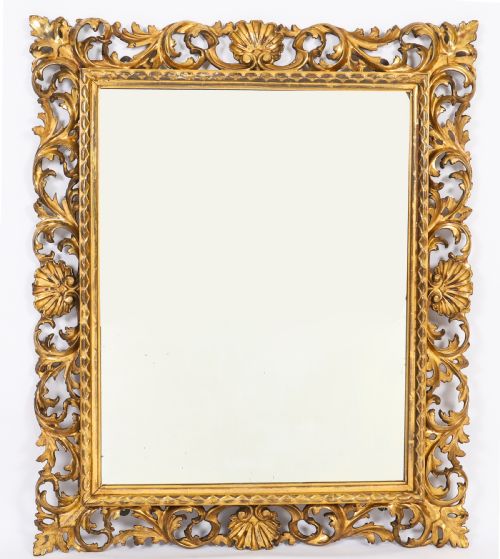
Florentine mirrors originate from Florence and typically feature dense, carved wooden frames adorned with scrolling leaves, fruit, and openwork foliage. These pieces are frequently finished in bright gold leaf and showcase distinct regional woodworking traditions.
Such designs range from circular and oval portrait formats to large rectangular wall pieces intended to dominate a room.
How do I clean an antique giltwood frame?
Dust giltwood frames gently using a very soft, dry brush or a clean microfibre cloth to remove surface particles. Avoid liquid cleaners, harsh chemicals, or abrasive wiping, which can strip delicate gold leaf and gesso.
Professional conservation is recommended for deeper cleaning or when dealing with flaking surface material to preserve the historic finish.
Are these mirrors original to their glass?
Many antique mirrors retain their original hand-silvered glass plates, which often display characteristic foxing, minor blurring, or irregular thickness. Some pieces have undergone glass replacement over the centuries due to breakage or deterioration.
Examining the backboards, fixings, and the edge of the glass plate helps determine whether the mirror plate shares the same period as the carved frame.