




Italian Carved Plant Stand
An italian carved plant stand brings centuries of continental craftsmanship into a room, elevating greenery on classical columns and expressive figurative supports.
Italian Carved Plant Stand
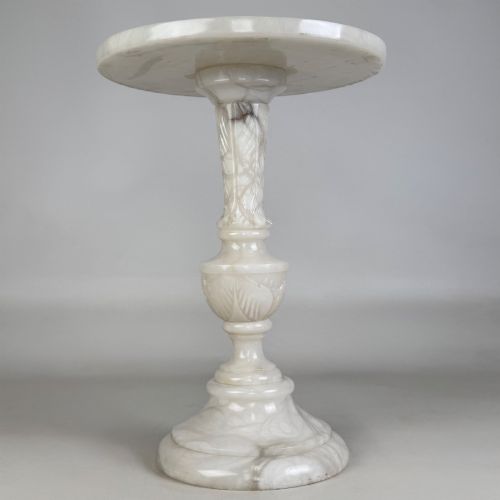
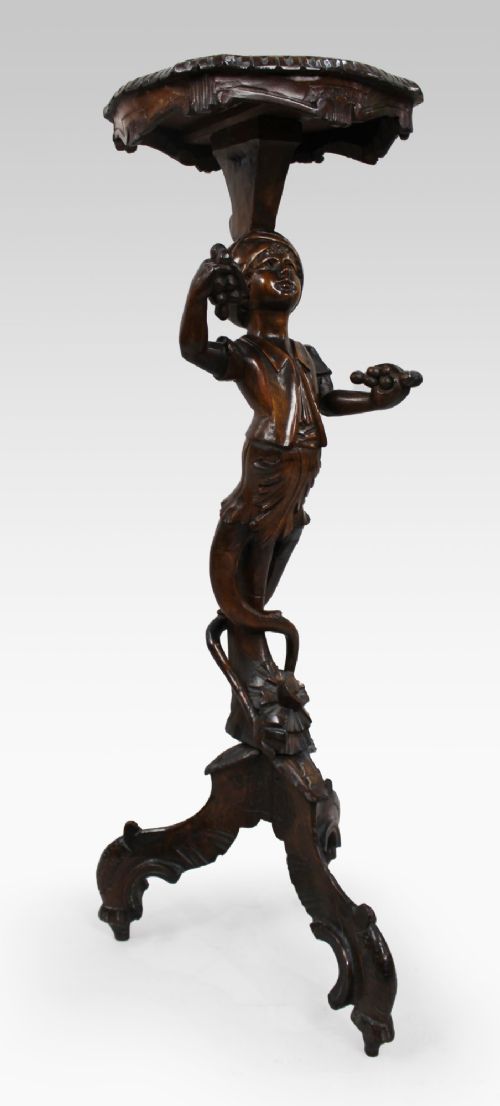
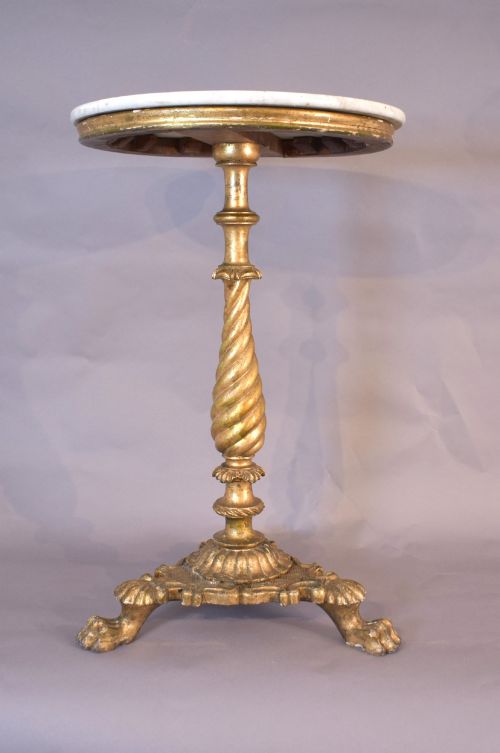
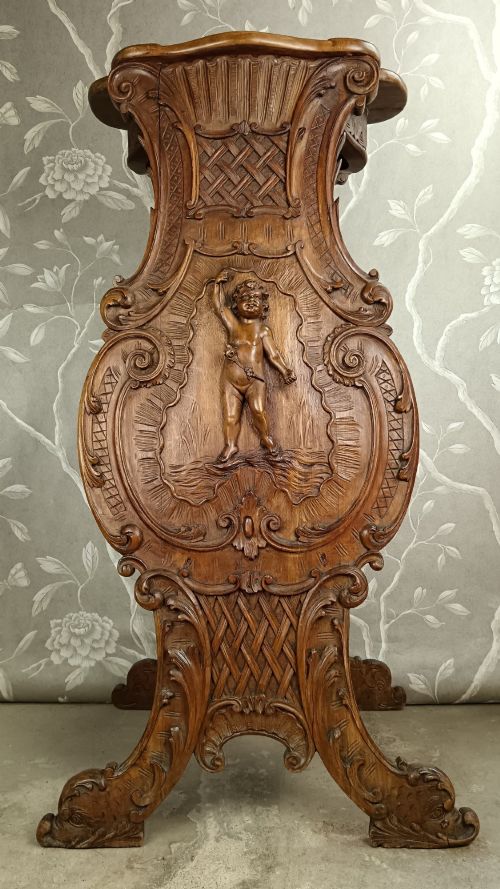
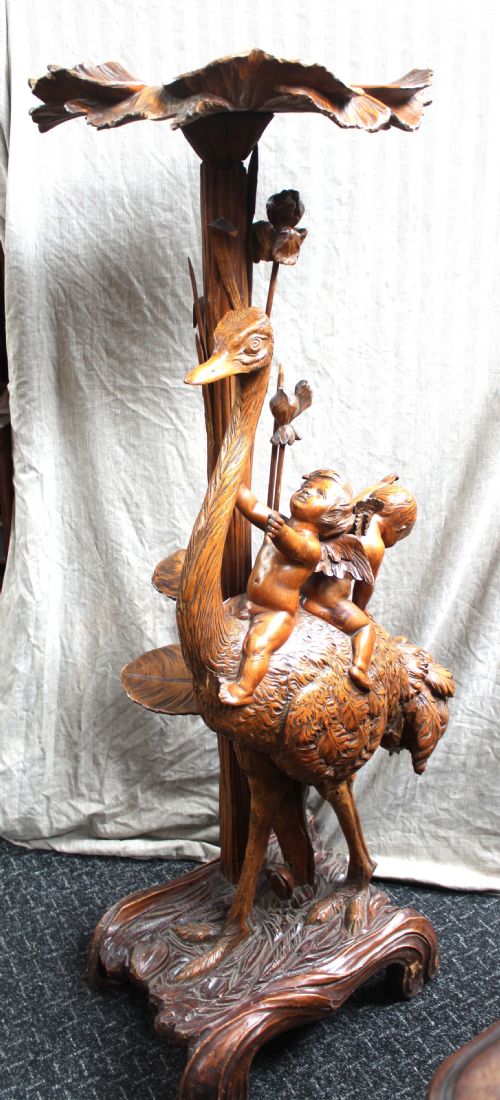
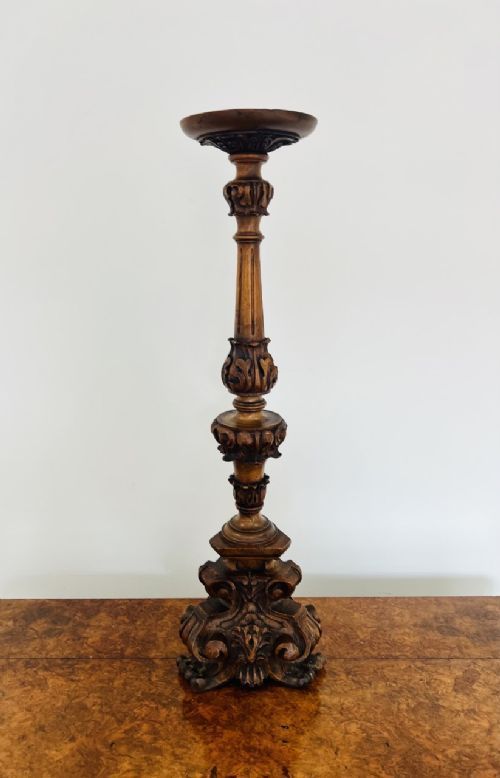
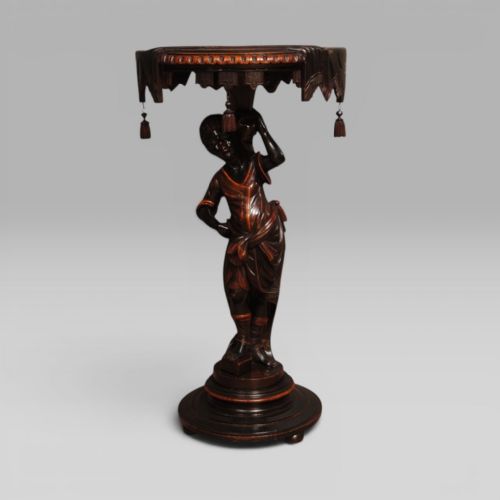
An italian carved plant stand appears across multiple historical forms on this page, including triform pedestals, side tables, columns, and torcheres designed to display decorative objects and foliage.
The pieces span the eighteenth, nineteenth, and early twentieth centuries, drawing on Venetian Baroque, Italian Renaissance Revival, and Neoclassical vocabularies.
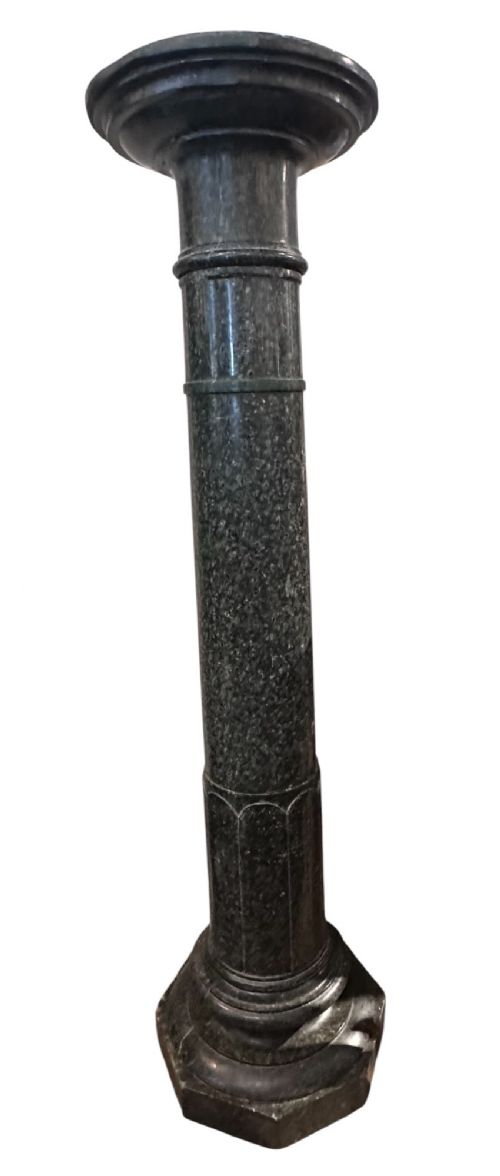
Buyers will encounter substantial walnut figures, gilded tripod tables, and variegated marble columns among the current selections.
Materials and Methods
Carved wood forms the structural core of many examples, frequently enhanced with gesso, gold leaf, and polychrome paint to achieve rich decorative surfaces.
Makers utilised native timbers like walnut alongside lime wood, applying elaborate hand-carving techniques for figural motifs and classical ornament.
Mineral elements such as marble, scagliola, and alabaster provide heavy, stable tops and monolithic shafts that contrast with carved wooden bases.
Periods represented span from the eighteenth century through to the 1930s, encompassing Neoclassical and Baroque Revival styles.
Factors of Distinction
Depth of carving and anatomical precision in figural supports, such as blackamoor figures or Renaissance Revival motifs, separate ambitious works from simpler production.
The integrity of surface finishes, including original gilding, polychrome pigment, and patinated walnut, determines visual power.
Substantial weight in stone elements like verde antico or Carrara marble indicates material pedigree.
The Italian Carved Plant Stand Glossary
- Torchere
- A tall stand or pedestal originally designed to hold a torch or candle, later adapted for plants and sculpture. These tall supports elevate decorative objects above floor level.
- Scagliola
- A composite material made from selenite, glue, and pigments, embedded to imitate marble and other fine stones. Craftsmen polish the surface to achieve a stone-like finish.
- Polychrome
- Decorated in multiple colours, often applied to wood or gesso surfaces. This technique brings vivid life to figural carvings.
- Giltwood
- Wood that has been treated with a thin layer of gold leaf or gold paint. The lustrous finish reflects light across elaborate decorative mouldings.
- Triform
- Having three sides or a triangular plan, typical of antique pedestal bases. This geometric arrangement provides stability for tall display columns.
Italian Carved Plant Stand: Frequently Asked Questions
What is an italian carved plant stand used for?
These pieces function primarily as decorative pedestals for displaying potted plants, urns, or sculptures within a room. Their height draws the eye upward and creates focal points in interior layouts.
Historically, similar stands also supported lighting devices or served as occasional tables in grand reception rooms.
How do I style an antique plant stand?
Place a stand in an empty corner, hallway, or beside seating to introduce vertical dimension to your interior arrangement. Position a trailing plant, a bronze figure, or a ceramic vessel on top to complete the display.
Keep the surrounding space uncluttered so the carved details and finished materials remain visible.
What periods do these plant stands come from?
The pieces span the eighteenth, nineteenth, and early twentieth centuries, reflecting changing aesthetic movements across those decades. Victorian interpretations sit alongside earlier revival styles.
Stylistic markers range from restrained Neoclassical columns to exuberant Venetian Baroque and Renaissance Revival designs.
Which materials are common in these stands?
Carved walnut, lime wood, and giltwood appear frequently across the wooden supports and figural elements. Surface decoration often includes gesso, gold leaf, and polychrome paint.
Stone materials such as marble, alabaster, and scagliola provide contrasting weight for columns and tabletops.