




Rococo Style Display Stand
A rococo style display stand brings exuberant asymmetric curves and gilt surfaces into a room, designed to elevate ornaments and catch the eye.
Rococo Style Display Stand
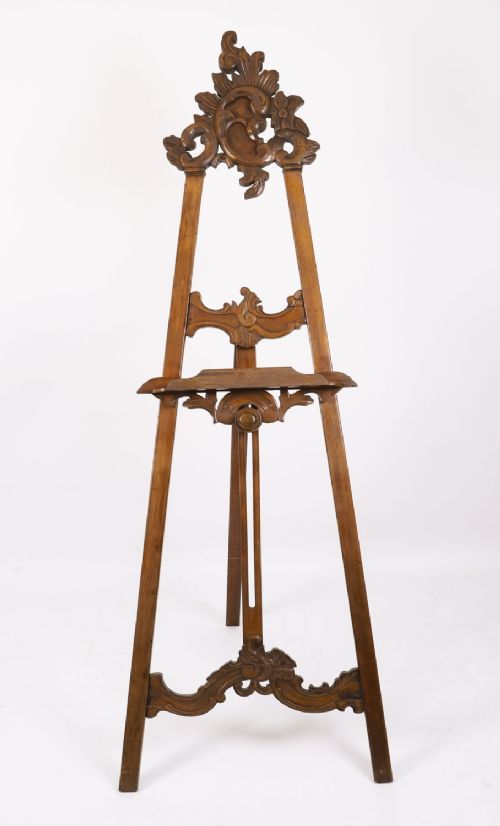
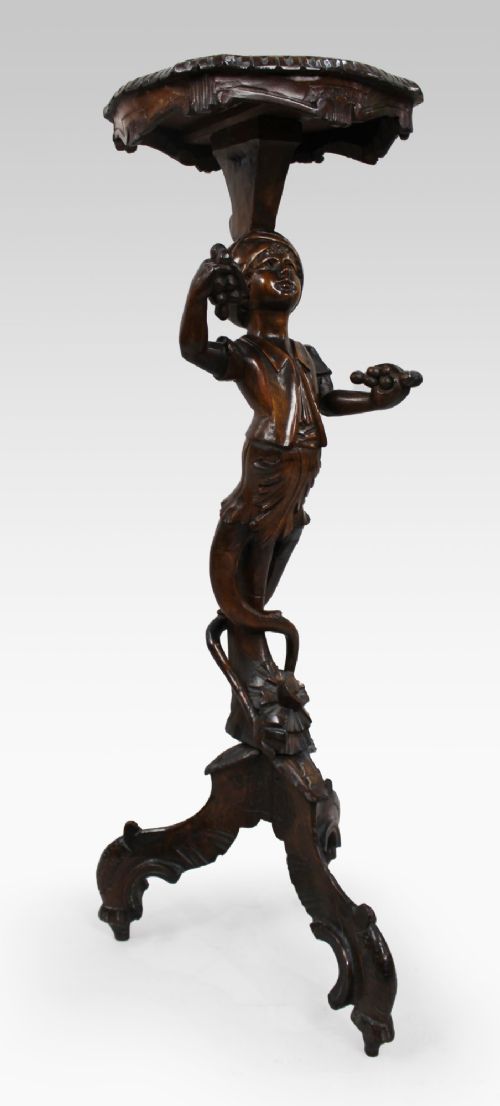
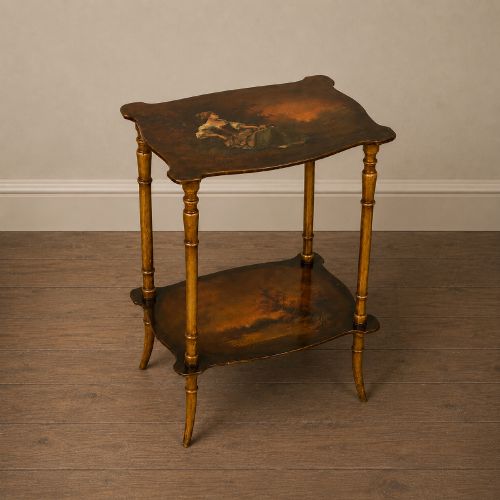
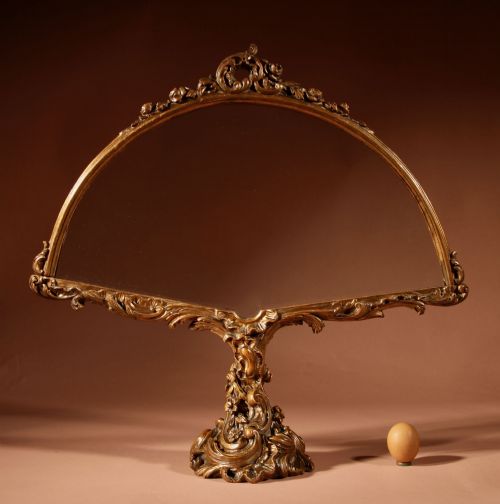
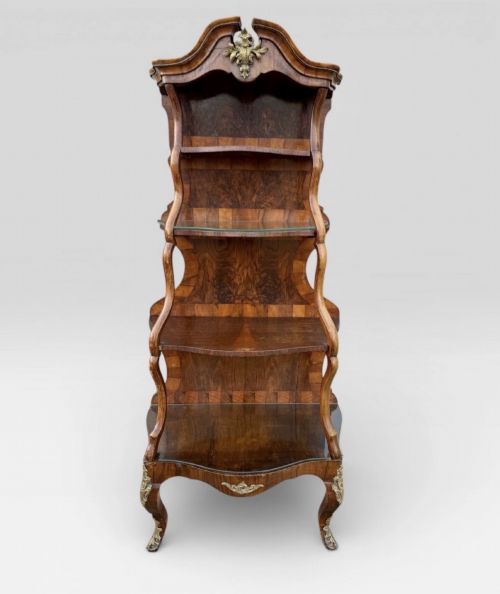
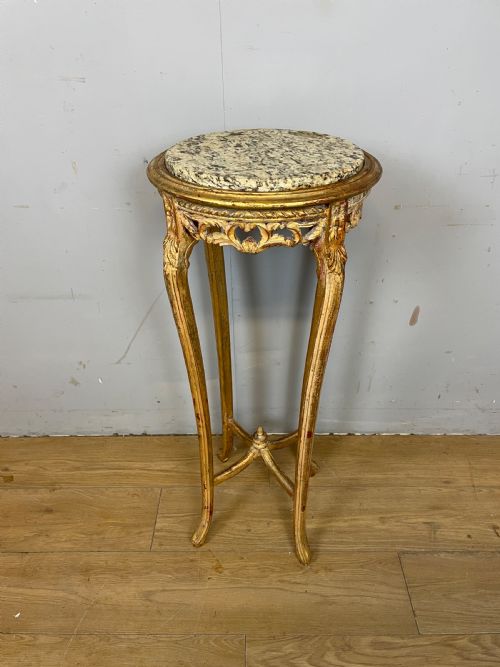
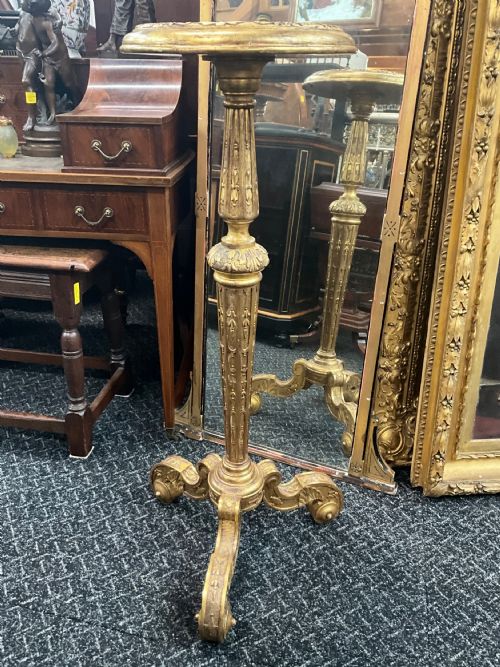
A search for rococo style display stand uncovers a diverse array of nineteenth-century furnishings designed for presentation, including pedestals, etageres, tier tables, and cabinets. Pieces originating from French and Italian workshops dominate the selection, bringing an ornate aesthetic to domestic interiors.
Buyers frequently encounter nineteenth-century examples alongside Edwardian and later interpretations, spanning materials from carved giltwood to chiseled brass. Forms range from tall torcheres and marble-topped pedestals to multi-tiered side tables and glazed display cases, all sharing decorative flourishes characteristic of the revival style.
Materials and Techniques
Carved timber forms the structural foundation for many pieces, heavily ornamented with gesso and finished in gold leaf or parcel gilt surfaces. Workshops utilised marquetry inlay on walnut and other woods to add textural contrast and visual depth to flat surfaces.
Metal elements such as gilt bronze, brass, and glass integrate into the designs of etageres and display cabinets, providing structural support alongside decorative hardware. Marble tops frequently cap pedestals and torcheres, offering a durable and cool contrasting surface for displayed objects.
Listings feature periods spanning from the eighteenth to the twentieth century, incorporating materials like marble, glass, and chiseled brass.
Evaluating Quality
The crispness and depth of the wood carving distinguish exceptional examples from simpler production, particularly where gesso and giltwood ornamentations show sharp relief rather than softened contours. Superior pieces exhibit refined joinery and harmonious proportions that balance heavy decoration with structural elegance.
The selection of secondary materials, such as finely figured walnut, unblemished white marble, and neatly fitted glass panels, elevates a piece within the range. Maker attribution and the precision of marquetry inlay further separate standard decorative items from superior cabinetwork.
Edwards & Roberts
The Rococo Style Display Stand Glossary
- Giltwood
- Wood that has been coated with gold leaf or a gold-coloured metallic finish. This technique creates a radiant, reflective surface typical of formal European furniture.
- Gesso
- A plaster-like mixture applied to wood surfaces to create a smooth base for gilding or painting. It allows craftsmen to model intricate, raised decorative details.
- Étagère
- A piece of furniture consisting of open shelves for displaying small objects or ornaments. These tiered stands were popular for showing off porcelain and curiosities.
- Torchère
- A tall, slender stand designed to hold a light source or an ornamental object at a high level. These vertical pedestals are often heavily carved and gilded.
- Marquetry
- The art of applying small pieces of veneer to a structure to form decorative patterns. Craftsmen use varied wood tones to create pictorial or geometric designs.
Rococo Style Display Stand: Frequently Asked Questions
What is a rococo style display stand?
A rococo style display stand is an ornate piece of furniture designed to showcase decorative objects, featuring asymmetric scrolls, carved foliage, and gilded surfaces.
These items range from tall torcheres and pedestals to multi-tiered etageres and side cabinets originating mainly in the nineteenth century.
Where should I place a display stand?
These stands suit reception rooms, drawing rooms, or hallways where they can hold sculptures, clocks, or ceramic collections.
Because many feature finished details on all sides, they work well positioned in corners or against walls to draw the eye.
How do I care for giltwood surfaces?
Giltwood requires gentle maintenance to protect the thin layer of gold leaf and the underlying gesso from moisture and abrasion.
Dusting lightly with a soft, dry brush preserves the metallic sheen without disturbing the delicate carved details.
How can I tell the period?
Dating relies on examining the construction methods, the wood types used for the carcase, and the ageing characteristics of the gesso and gilding.
Nineteenth-century revival pieces often combine historical decorative motifs with machine-sawn timbers and contemporary hardware styles.